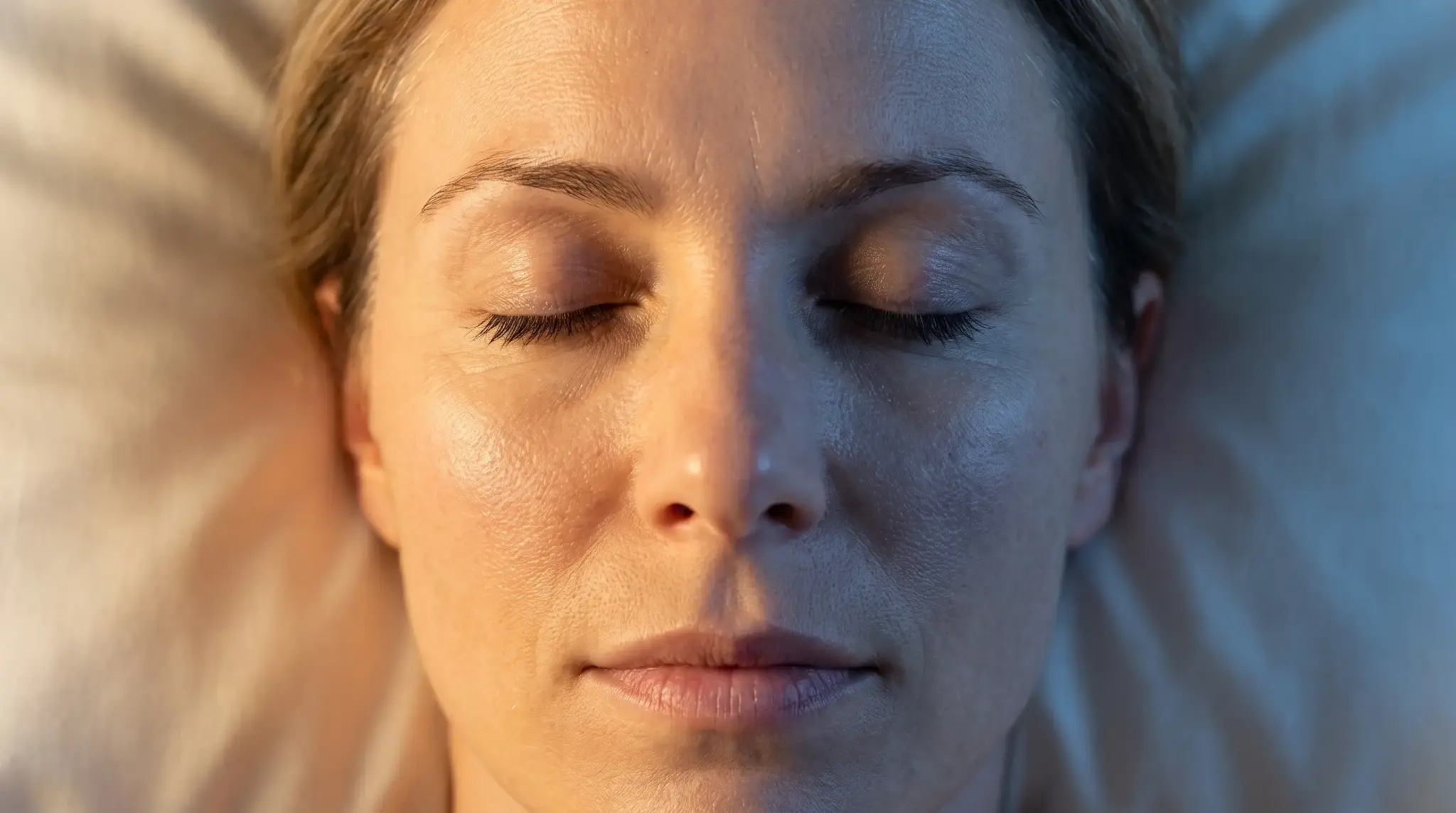

You might blame a bad night’s sleep on stress, a noisy neighbor, or too much screen time before bed, but your teeth and jaw could also be playing a part. Dental health is closely connected with the way you breathe, relax, and position your jaw while sleeping, which means certain oral health issues can make it much harder to wake up feeling refreshed.
Teeth Grinding Can Disrupt Your Rest
Grinding or clenching your teeth during sleep, known as bruxism, is more common than many people realize. You may not even know you are doing it until you start noticing symptoms such as jaw pain, headaches, tooth sensitivity, or worn enamel.
Bruxism can prevent the muscles around your jaw from fully relaxing overnight. Even if you do not completely wake up, repeated clenching can contribute to poor-quality sleep and leave you feeling tired in the morning.
A dentist may spot signs of grinding during a routine examination and can suggest ways to protect your teeth, such as a custom night guard.
Your Jaw Position Can Affect Breathing
The position of your jaw, tongue, and teeth can also influence how easily air moves through your airway while you sleep. Some people with certain jaw structures or bite problems may be more prone to snoring or disturbed breathing.
Persistent snoring does not always mean there is a dental problem, but it can sometimes be linked with conditions such as obstructive sleep apnea. This is why it is important not to simply ignore changes in your nighttime breathing.
If you are experiencing jaw discomfort, grinding, or other dental symptoms alongside poor sleep, speaking with professionals such as the Wandsworth dentists directdental.co.uk can help you identify whether your oral health may be contributing to the problem.
Tooth Pain Makes It Hard to Switch Off

Even relatively mild tooth pain can suddenly feel much more noticeable once you get into bed. With fewer distractions around you, throbbing, sensitivity, or gum discomfort can make it difficult to fall asleep or cause you to wake during the night.
Dental pain may be caused by decay, infection, cracked teeth, or gum problems, so relying on painkillers night after night is not a long-term solution. Getting the underlying cause checked can help protect your teeth while also making bedtime much more comfortable.
TMJ Problems Can Keep You Awake
Your temporomandibular joints connect your lower jaw to your skull and are involved every time you speak, chew, or yawn. Problems affecting these joints, commonly known as TMJ disorders, can cause aching around the jaw, clicking sounds, stiffness, headaches, and facial discomfort.
These symptoms can become particularly frustrating when you are trying to relax and sleep. Treatment will depend on the cause, but addressing teeth grinding, jaw tension, or bite-related issues may help reduce discomfort.
Do Not Ignore the Connection
Sleep and dental health might seem like completely separate parts of your wellbeing, but they can overlap in surprising ways. Grinding, jaw pain, toothache, and breathing difficulties can all interfere with your ability to get a comfortable, uninterrupted night’s sleep.
If you regularly wake with headaches, a sore jaw, sensitive teeth, or unexplained tiredness, it may be worth mentioning these symptoms during your next dental appointment. Looking after your teeth could end up helping you sleep more comfortably too.