

Buying an apartment calls for more than comparing asking prices and floor areas. A sound decision considers location, construction quality, ownership costs, management standards, and future demand. Photographs can conceal poor ventilation, worn finishes, traffic noise, or limited storage. Each shortlisted residence deserves the same inspection process, supporting documents, and affordability test. This method gives households a clearer view of daily suitability and long-term financial exposure.
Set a Clear Comparison Base
A useful comparison starts with properties serving similar needs within the same district or nearby areas. Buyers assessing a Brinchang apartment should review road access, nearby services, construction date, usable floor space, and recent asking prices. Holding these factors constant makes unusual charges, weak features, and genuine advantages easier to recognise during viewings and negotiations.
Examine Location Quality
Location influences commuting time, rental interest, resale appeal, and routine spending. Check travel distances to workplaces, schools, clinics, food shops, public transport, and main roads. A quiet hillside setting may suit some households, although limited services can increase fuel costs. Also consider flood records, traffic noise, slope stability, and proposed construction.
Compare Unit Layouts
Floor area doesn’t tell the whole story of comfort. A compact residence with efficient proportions may work better than a larger unit containing awkward corridors or unusable corners. Room dimensions, cupboard capacity, window placement, cross-ventilation, balcony depth, and kitchen workflow deserve close inspection. Furniture measurements can confirm whether beds, appliances, and workstations will fit without restricting movement.
Review Building Condition
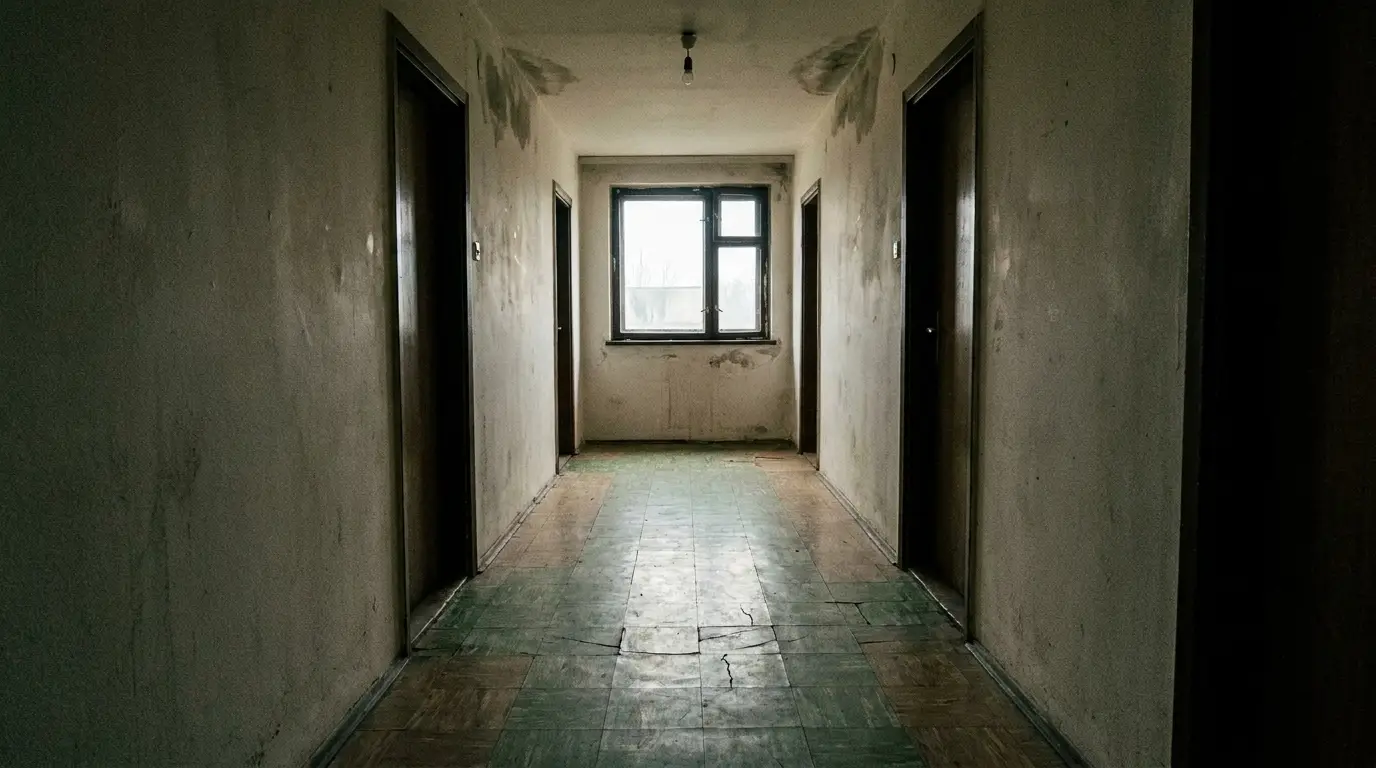
A viewing should cover corridors, lifts, staircases, parking bays, refuse areas, landscaping, and security entrances. Shared spaces often reveal whether repairs receive regular attention. Cracked surfaces, damp marks, mould growth, faulty lights, damaged tiles, and unreliable elevators warrant further investigation. Older properties also require stronger records concerning plumbing, electrical systems, roofs, and external walls.
Ask About Future Work
The management office should explain planned upgrades, completed repairs, known defects, and expected special contributions. Buyers need direct answers about leaks, lift replacement, pipe failures, façade damage, and waterproofing work. Outstanding projects can create substantial bills after completion. Written records help households separate ordinary maintenance from major structural expenditure.
Calculate the Full Cost
The purchase price is only one ownership expense. A realistic calculation includes legal charges, valuation costs, loan processing, insurance, furnishing, renovation, moving services, maintenance fees, sinking fund contributions, assessment rates, and utility deposits. Monthly payments should leave room for medical needs, family obligations, income disruption, and emergency repairs. A cash reserve protects against sudden demands.
Study Management Performance
Building care depends heavily on the management body’s financial discipline and response time. Requested documents should include meeting minutes, audited statements, fee schedules, arrears figures, house rules, insurance details, and security arrangements. Large unpaid balances can reduce available funds for repairs. Clear reporting, predictable billing, and prompt responses usually indicate more reliable administration.
Assess Amenities Carefully
Shared facilities may improve daily life, but every feature carries operating and replacement costs. You should view pools, gyms, playgrounds, lounges, parking areas, and gardens during normal hours. Usage matters as much as availability. An overcrowded gym may provide little benefit, while an underused facility can still increase monthly charges through cleaning, staffing, and equipment servicing.
Compare Financing Options
Loan approval does not establish genuine affordability. Financing comparisons should cover interest type, repayment duration, early settlement conditions, insurance requirements, processing fees, and total interest. A modest rate difference can alter repayments across many years. Prudent households also test their budget against reduced income, higher borrowing costs, childcare expenses, and unexpected treatment bills.
Consider Future Value
Resale and rental prospects depend on transport access, employment centres, local services, building upkeep, monthly fees, and practical layouts. Recent transaction prices offer more useful evidence than optimistic forecasts. Current competition, vacancy levels, nearby projects, and local planning decisions also deserve review. A property should remain financially suitable even without rapid appreciation or guaranteed rental income.
Complete a Final Review
Before submitting an offer, buyers should place every shortlisted residence in one comparison sheet. Helpful fields include price, floor area, construction date, monthly charges, parking rights, physical condition, travel time, facilities, ownership documents, and estimated repairs. A scoring system can expose weaknesses hidden by emotional attachment. Independent inspection and legal verification should precede every payment.
Conclusion
Apartment selection becomes more reliable when households test evidence rather than trust polished photographs or persuasive sales language. Location, layout, construction condition, recurring charges, management records, financing terms, and future demand all affect the quality of ownership. A written comparison exposes hidden costs before commitment and keeps priorities visible during negotiation. Careful checks can lead to a residence that supports daily routines without placing unreasonable pressure on household finances.