
The three complaints show up together often enough that they should probably be treated as one problem. Someone sleeps badly, drags through the afternoon, and snaps at people who did not deserve it. The usual response is to treat each symptom on its own, which is why the nightstand ends up holding a sleep aid, the desk holds a second coffee, and nothing much improves.
Sleep, energy, and mood run on the same underlying machinery, and the habits that move one almost always move the other two. That is inconvenient if you were hoping for a single fix, and useful if you are willing to change a few small things.
Where Shopping Habits Start to Shift
Most people notice the connection at the point of reordering, when the cart fills with items chosen for one symptom each, and nothing seems to work together. Sorting that out means finding a single source for the things a daily routine actually runs on, rather than a different brand for each one.
Products from The Wellness Company cover that ground, spanning supplements, foods and drinks, and personal care items. Keeping those categories together makes a routine easier to hold steady week to week.
Light Sets the Clock, Not Willpower
The body keeps time using light, and it is not subtle about it. Morning light tells the internal clock that the day has started, which sets in motion the timing of everything downstream, including when you get tired that night. Skip it, and the whole schedule drifts later. This is why someone who wakes in a dim room, commutes in a car, and works under fluorescent light can lie awake at eleven despite being exhausted since four.
The correction is unglamorous. Ten or fifteen minutes outdoors within an hour of waking does more for nighttime sleep than anything taken at bedtime. Evening matters just as much in reverse. Bright overhead light late at night delays the same clock, so dimming the house after dark is not a mood preference but a signal. Screens are part of this, though the timing of use matters more than the device itself.
Caffeine Borrows, It Does Not Give
Caffeine works by blocking the chemical that makes you feel sleepy, which means the sleepiness does not go away. It accumulates quietly and arrives all at once when the caffeine clears. That is the afternoon crash, and the standard response, another cup, pushes the debt into the evening where it interferes with sleep and guarantees the same pattern tomorrow.
The half-life is the number worth knowing. Roughly half of what you drink is still circulating five to six hours later, so a three o’clock coffee is meaningfully present at nine. Most people who move their cutoff to early afternoon report falling asleep faster within a week or two. The first few days feel worse, which is why the change usually gets abandoned before it works.
Meals Move Mood More Than Expected

Blood sugar swings feel like emotions. A sharp rise and fall produces irritability, difficulty concentrating, and a sense of urgency that gets attributed to whatever happened to be on the calendar. Anyone who has been unreasonable at four in the afternoon and reasonable again after eating has run this experiment already.
Steadying it does not require a diet. It requires protein and fiber early enough in the day that the first meal is not a sugar spike on an empty stomach. Snacks follow the same logic. Something with protein alongside the carbohydrate keeps the curve flatter, and a fiber drink or a handful of nuts does more for a three o’clock slump than the vending machine. Regular timing helps as much as content, because the body anticipates meals and prepares for them.
Movement Is a Sleep Input
Physical activity improves sleep quality more reliably than most interventions marketed for that purpose, and the amount required is smaller than people assume. A daily walk counts. What matters is that the body has done something that requires recovery, since sleep pressure builds partly from exertion.
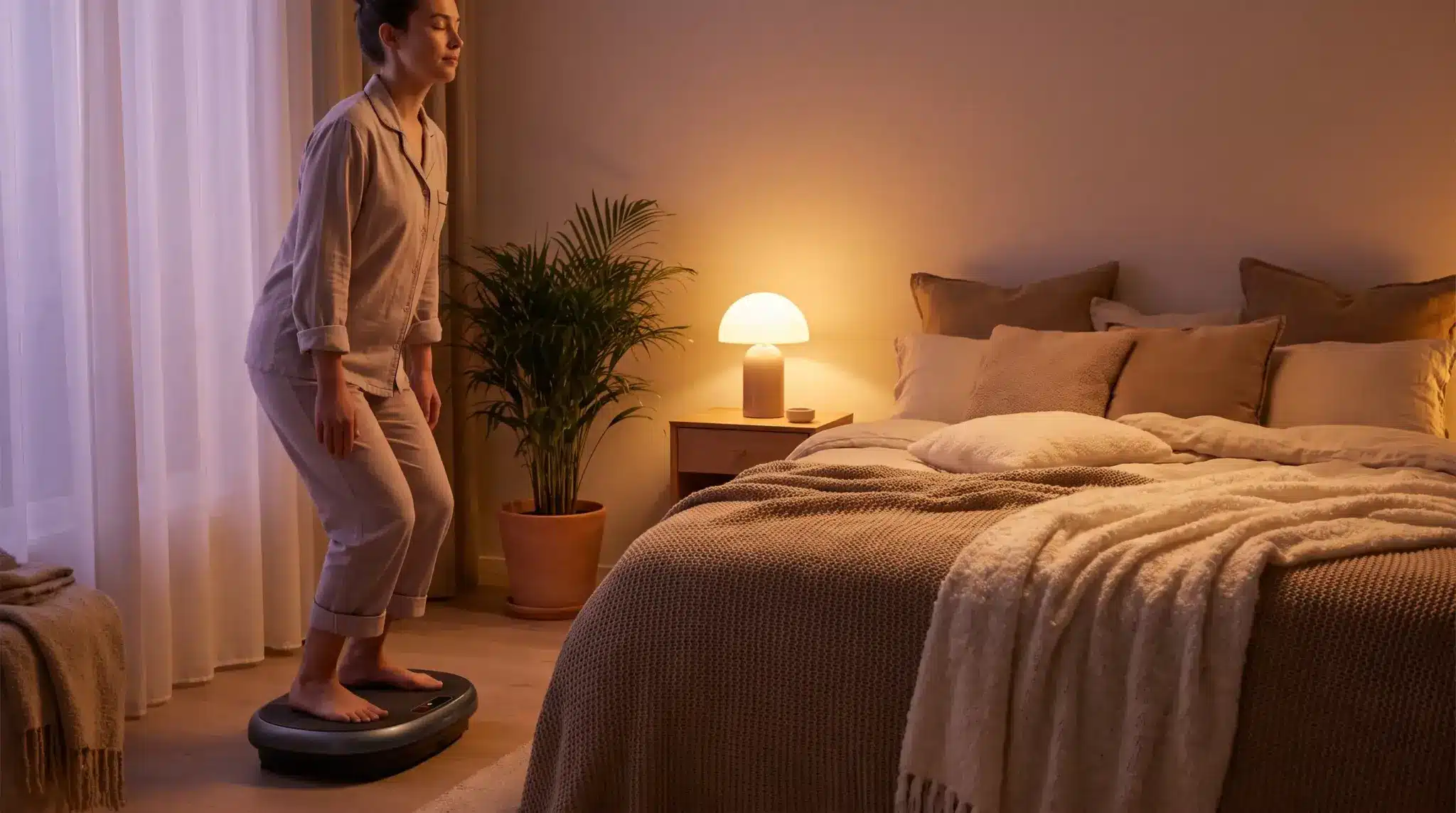
Timing carries a caveat. Hard exercise close to bedtime raises core temperature and alertness at exactly the wrong moment for some people, though this varies enough that it is worth testing rather than assuming. Morning or midday activity has the additional benefit of coinciding with light exposure, which is two habits satisfied by one walk.
Hydration and the Fake Fatigue
Mild dehydration is routinely mistaken for tiredness. It produces the same flat, foggy feeling, and it is common by mid-afternoon in anyone who has been running on coffee since breakfast. The test is simple enough to run today. Drink a full glass of water before reaching for a stimulant and see whether the fog lifts in twenty minutes.
Evening hydration needs the opposite adjustment. Front-loading fluids earlier in the day and tapering after dinner reduces the wake-ups that fragment sleep without anyone remembering them in the morning.
Filling Gaps Without Overbuying
Supplements are worth a mention here because they are where the most money gets spent on the least evidence. The useful approach starts with an identified gap rather than a symptom, whether that is fiber, protein on busy days, or something flagged in bloodwork. Buying by gap shortens the list to two or three items for most people. Anything taken for a specific outcome should be reviewed after a couple of months against something observable and dropped if nothing changed.
The Room You Sleep In
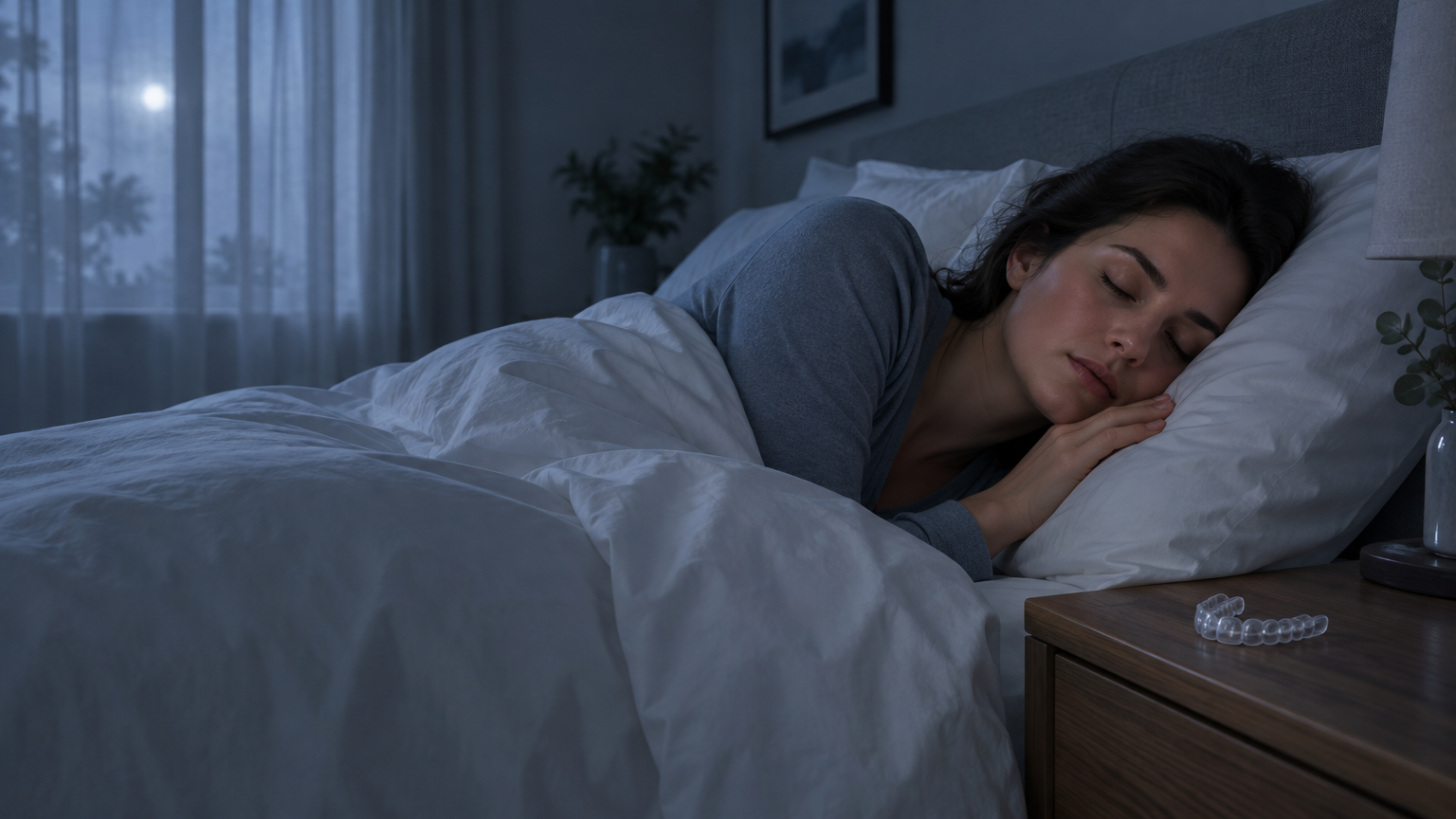
Bedroom conditions get treated as a comfort preference when they are closer to a physical requirement. Body temperature has to drop for sleep to begin, so a cool room helps and an overheated one delays the process regardless of how tired you are. Darkness matters for the same reason morning light does, because the clock reads it.
Noise deserves more attention than it gets. Sounds that do not fully wake a person still pull them out of deeper stages, which is why someone can sleep eight hours and feel like they slept five. Consistent low background sound generally works better than silence in a house where doors close and pipes knock.
Doing Less, Consistently
The temptation with all of this is to change everything on a Monday and abandon it by Thursday. Two changes held for a month will do more than eight held for four days, and the ones that stick are usually the ones attached to something already happening: light with the morning walk, protein with the meal you already eat, the caffeine cutoff tied to lunch. Sleep, energy, and mood respond to repetition rather than intensity, which is the least exciting piece of advice available and the only one that reliably works.