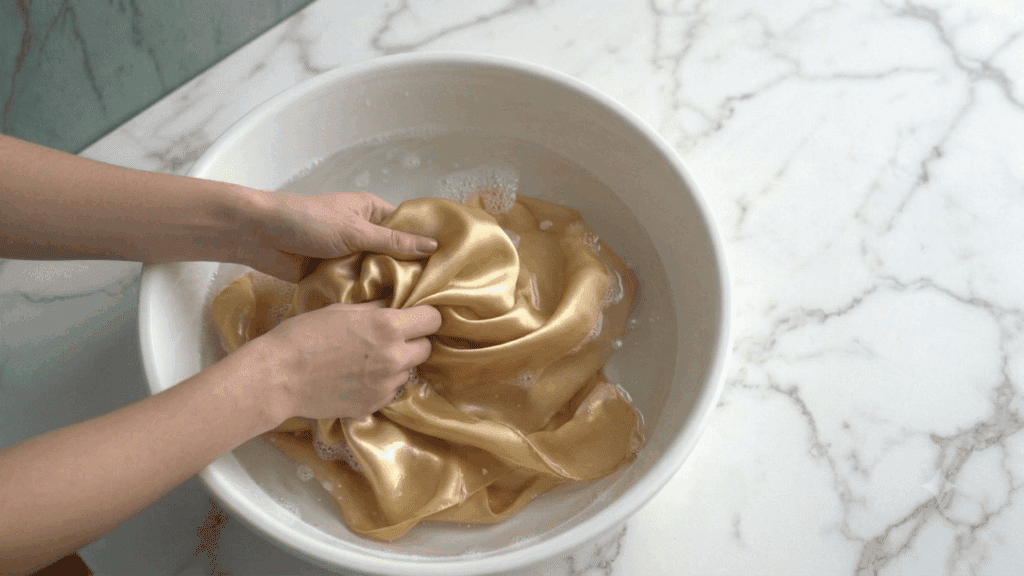
Dry cleaning may not be the only answer when a silk pillowcase needs washing. Silk can be washed at home, either by hand or in a conventional washing machine.
What matters is choosing the right detergent and water temperature, and allowing enough time for complete air-drying.
People often postpone washing silk because they fear the fibers will be damaged. However, once one knows the basic steps, the process becomes easy.
Read further for all the information required for the hand and machine washing and drying of a silk pillowcase.
Why Silk Pillowcases Need Special Care
Silk is a natural protein fiber; hence, unlike cotton bedsheets, it will behave differently when exposed to heat, friction, and even strong soap.
Detergent and bleach will remove the natural proteins responsible for the shine of the fabric.
A fabric softener will coat the fibers, making them look dull and stiff rather than soft. A washing machine with a center agitator may twist and stretch the silk fabric.
Before commencing, the care label of the bedsheet should be read, any tears or thin areas on the pillowcase observed, and any stain cleaned using some detergent and a fingertip.
How to Wash a Silk Pillowcase
Silk pillowcases can be washed by hand or in a machine, but each method needs gentle handling to protect the fabric.
Hand Wash: Hand washing is the gentlest method, and the one most dermatologists and silk brands recommend for keeping the fibers soft and shiny.
1. Prep The Pillowcase and Fill The Basin
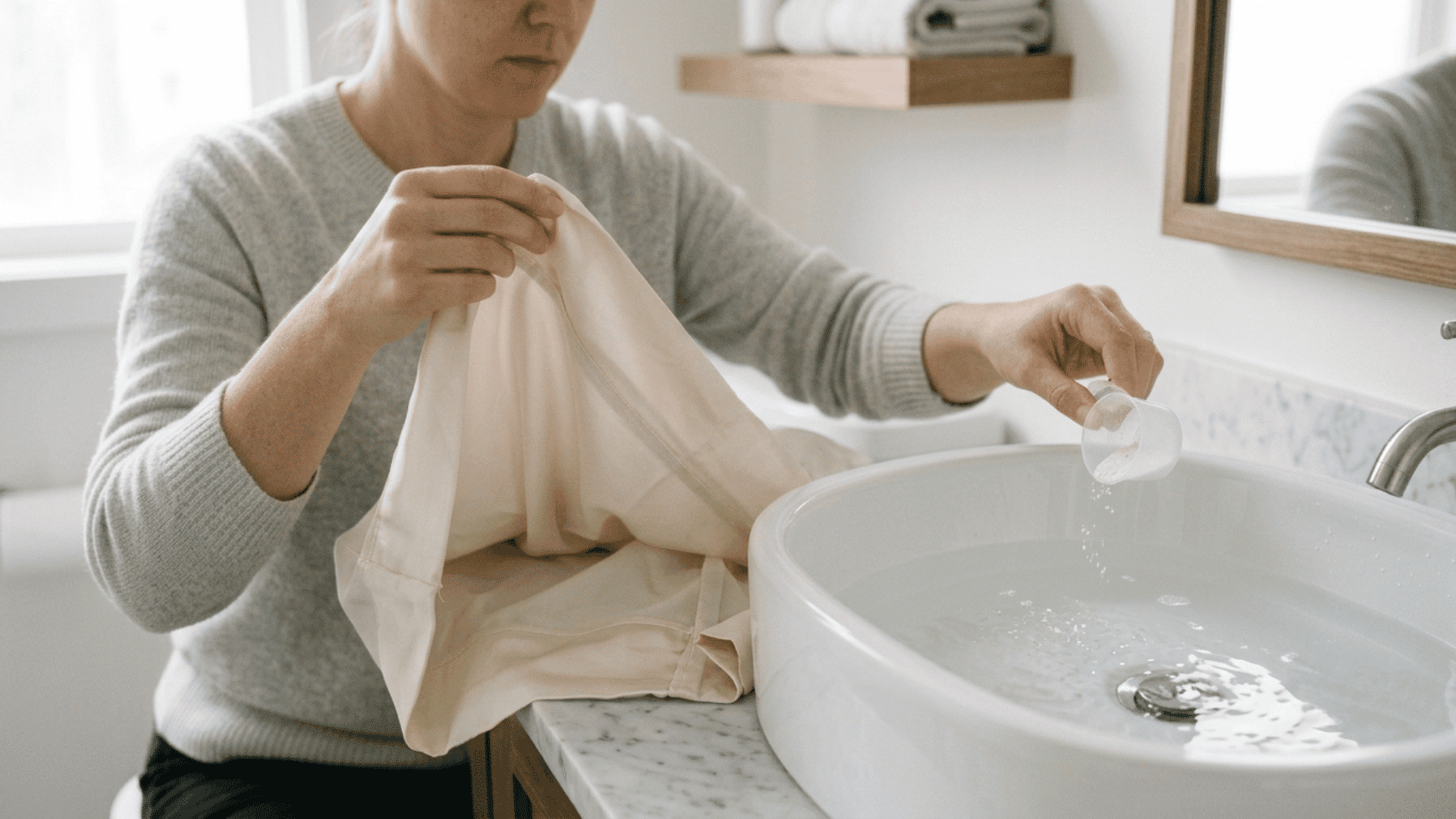
The pillowcase should be turned inside out and checked for any visible stains before it goes into the water.
A clean sink or basin should then be filled with cool or lukewarm water, since heat weakens silk fibers and can cause shrinking, stiffness, or color loss over repeated washes.
A small amount of pH-neutral, enzyme-free detergent made for silk should be dissolved in the water before the fabric is added.
2. Submerge and Rinse
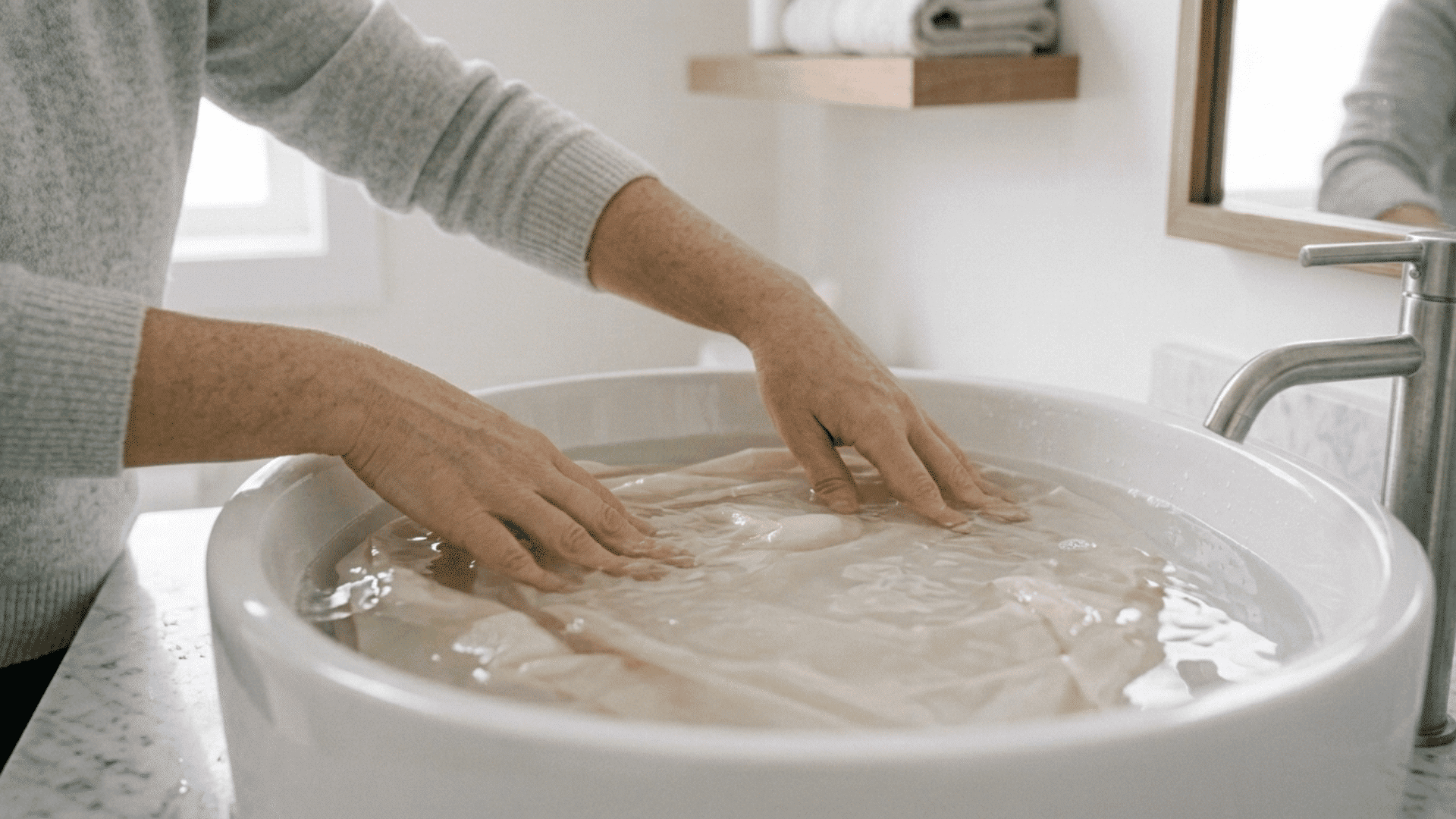
Pushing the pillowcase under water and swirling it manually for about three to five minutes, without scrubbing, twisting, or bunching, is essential because wet silk is much more delicate compared to dry silk.
Draining and filling the basin again with fresh water is next, rinsing out the pillowcase until no soapy lather is left.
This draining and filling of the basin with fresh water may need to be repeated two or three times, depending on the amount of soap used.
3. Remove Excess Water and Dry
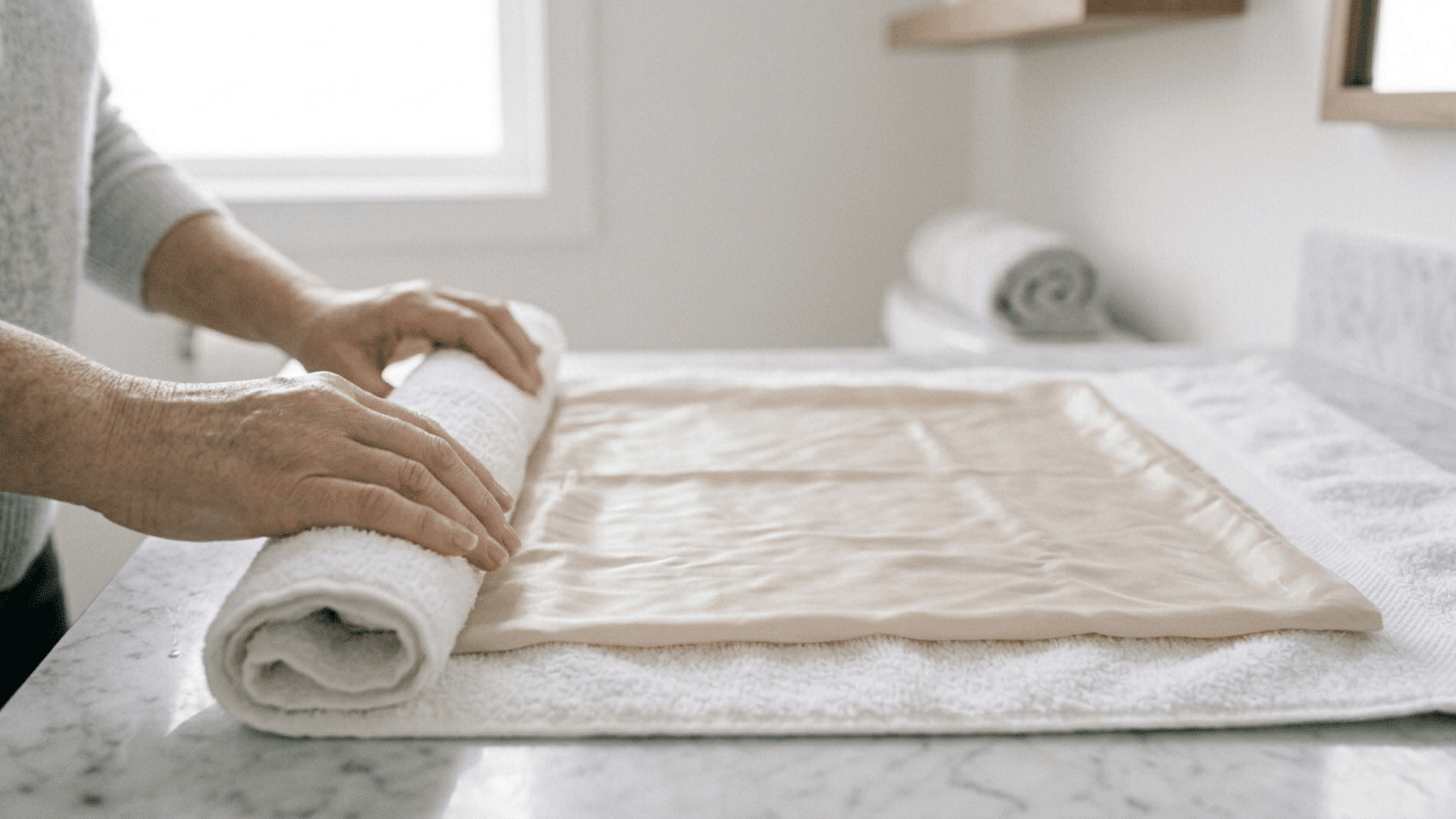
The pillowcase is not supposed to be wrung but rather pressed lightly against the sides of the basin to remove excess water from it.
The pillowcase will then be spread out on a clean towel and rolled up to extract more moisture from it.
When unrolled, the pillowcase will be allowed to air dry either lying flat or hanging on a rack. The pillowcase must be kept out of direct sunlight because this may damage the fabric.
Machine Wash: Many higher-quality silk pillowcases can go in the washer safely as long as the load, detergent, and cycle are chosen with care.
1. Check The Label and Bag it Properly
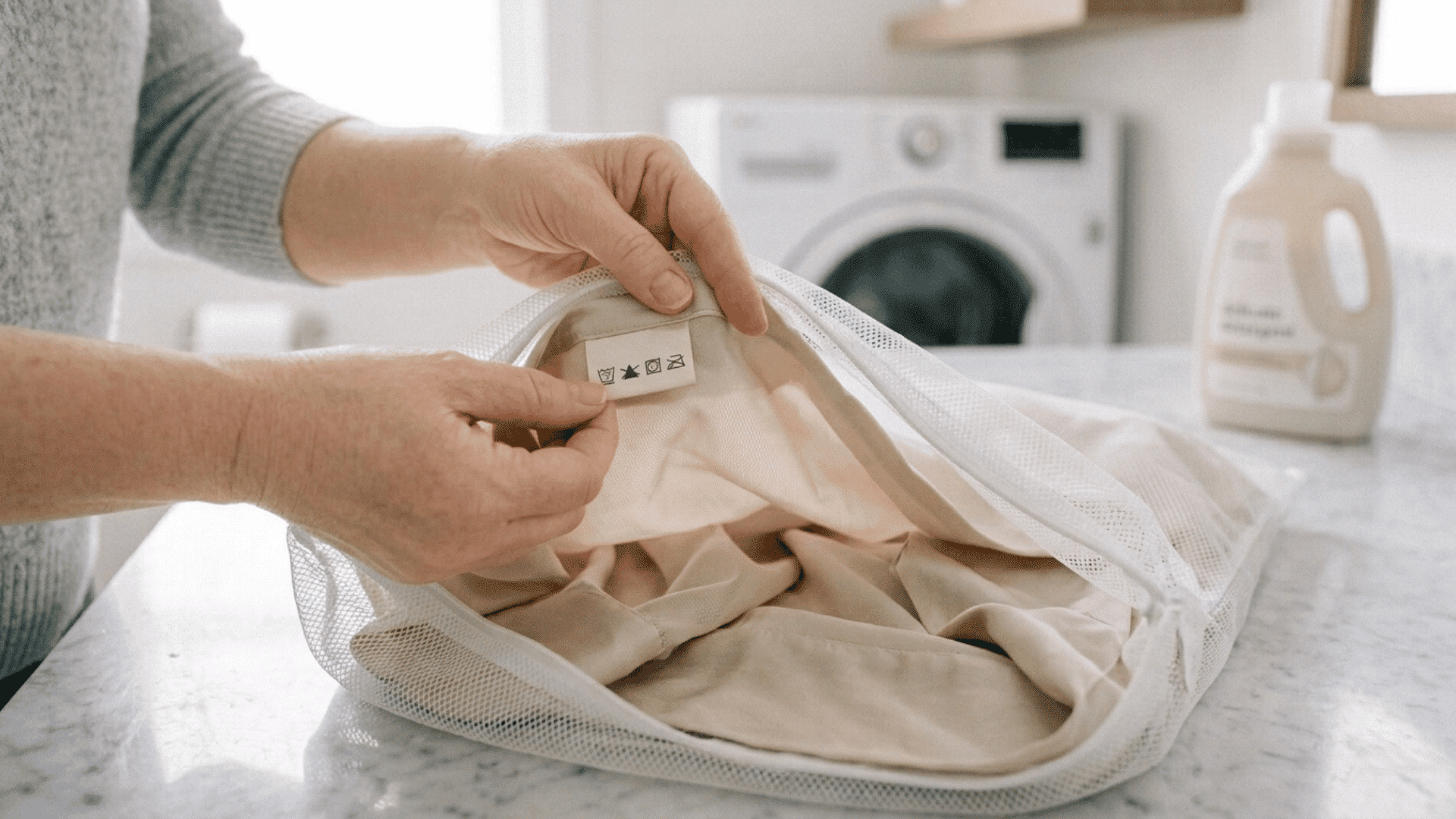
The care label must be referred to first, as there may be silk pillowcases that can be machine washed, whereas others may need to be hand washed or dry cleaned depending on the weight and weave of the fabric.
If machine washing is fine, then the pillowcase must be put inside-out into a mesh laundry bag.
This will reduce any friction with the washing drum and avoid tearing near the seams.
2. Add Detergent and Choose The Right Cycle
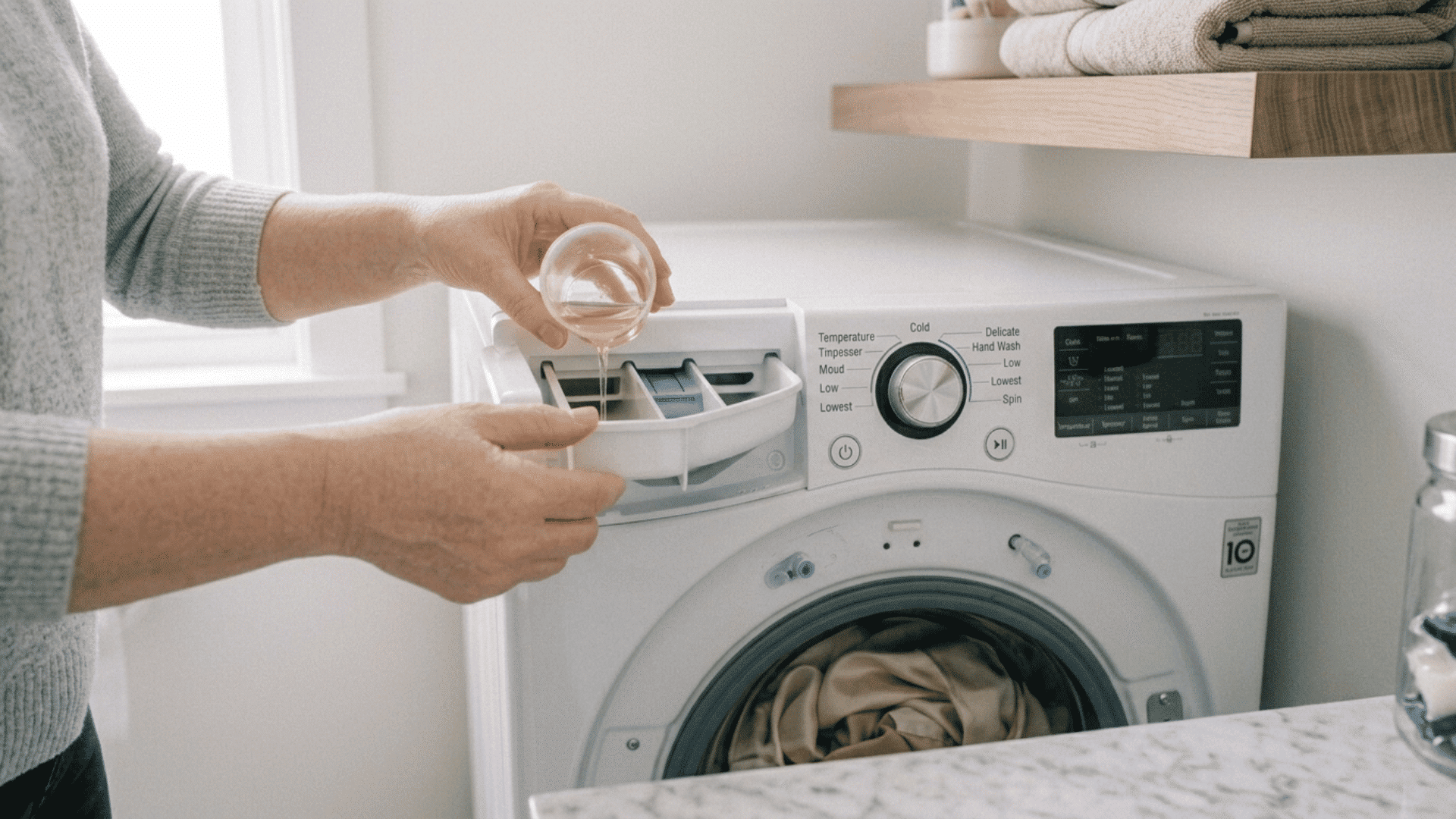
It is important to put mild detergent for silks into the dispenser instead of using normal washing detergent, along with skipping the fabric softener, bleach, and scents, which tend to cover the fibers of the cloth.
The cold water cycle should be selected, along with the hand wash or delicate mode, while using the minimum spin rate possible.
Washing the pillowcase with either one or two more silk items is recommended.
3. Remove and Dry Promptly
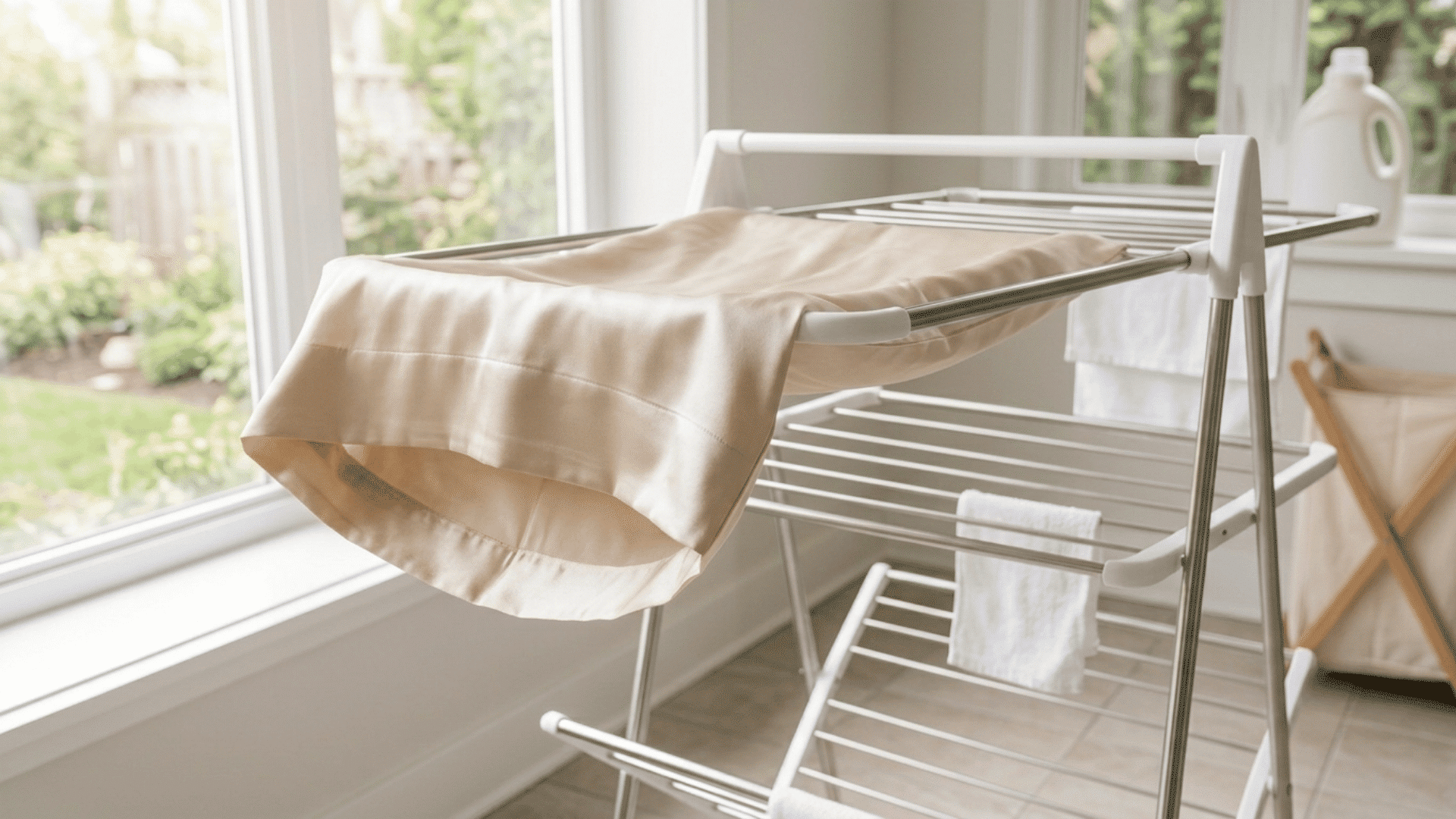
Once the process is completed, the pillowcase should be removed immediately and placed flat, rather than left in the wet bundle, as it may cause mildew or a musty odor.
The material should dry out under direct light in a hanging or standing position.
The dryer should not be used to dry the material, as it may burn the fibers and remove their natural sheen.
How to Remove Stains From Silk
Silk stains should be treated as soon as possible since harsh rubbing or strong cleaners can damage the fabric.
1. Treat Common Stains Gently: Sweat, makeup, and hair products need a gentler approach than typical laundry stains.
2. Apply a Mild Treatment: Put a few drops of diluted mild detergent or white vinegar on the stain and work it in gently with a fingertip.
3. Blot Without Rubbing: Use a clean, damp cloth to blot the area. Rubbing can push the stain deeper into the silk fibers.
4. Avoid Harsh Stain Removers: Do not use stain sticks, sprays, or scrubbing tools, as they can discolor or damage silk.
5. Test The Treatment First: Apply the treatment to a hidden seam before using it on the visible stain.
When to Wash a Silk Pillowcase
For most people, washing a silk pillowcase every one to two weeks is enough because silk traps less dirt than cotton.
Wash it every three to four days if you use heavy skincare products, sleep with pets, or live in a humid climate.
A stiff texture, dull appearance, or noticeable odor means it needs washing sooner. Spills, makeup, and sweat should be treated immediately before they set into the fibers.
Rotating between silk and satin pillowcases gives you a clean option while the other is being washed and dried.
Common Mistakes that Ruin Silk Pillowcases
Most of these seem minor, but they add up fast:
- Using regular detergent, bleach, or fabric softener instead of a silk-safe, enzyme-free formula.
- Washing in hot water instead of cool or lukewarm water.
- Twisting the fabric instead of gently pressing out excess water.
- Using any heat setting instead of air-drying flat or on a rack.
- Ironing directly on the fabric instead of using low heat with a pressing cloth in between.
- Putting the pillowcase away while it is still damp, which can lead to mildew or a musty smell.
- Assuming every silk pillowcase can be treated the same way without checking the label.
Wrapping Up
Washing a silk pillowcase at home does not require a trip to the dry cleaner or any special equipment beyond a mild detergent and a little patience.
The process comes down to three things: cool water, a silk-safe soap, and enough air-drying time away from heat and sunlight.
Pair that with prompt stain treatment, and a silk pillowcase can stay soft and glossy for years. The first wash feels a little nerve-wracking, but the results speak for themselves.
If a trick has worked for keeping silk pillowcases in shape, or if you have a question about getting started, drop it in the comments below.
Frequently Asked Questions
Can Silk Pillowcases be Tumble Dried?
Rarely. Most silk brands recommend air drying only, since even low heat settings can scorch the fibers and dull their shine over time.
Is Vinegar Safe to Use on Silk?
Yes. A small amount of white vinegar diluted in water can help lift stains and freshen the fabric without the harsh effects of bleach or enzyme cleaners.
Does Machine Washing Shorten a Silk Pillowcase’s Lifespan?
Not necessarily. A mesh bag, cold water, and a delicate cycle can protect the fibers, though hand washing remains the gentler option for long-term care.