

You are lying in bed, watching the minutes pass while your body feels tired but your mind keeps running. The harder you try to sleep, the more awake you seem to become.
Falling asleep in 10 seconds may sound unrealistic, but the right relaxation methods can help your body settle much faster. These techniques ease muscle tension, slow breathing, and quiet busy thoughts.
With regular practice, you may spend less time tossing and turning and more time resting. Small changes can make bedtime feel calmer and easier.
Keep reading to learn the military method, 4-7-8 breathing, progressive muscle relaxation, and other practical sleep techniques.
Can You Really Sleep in 10 Seconds?
Falling asleep in 10 seconds is uncommon because sleep depends on gradual changes in brain activity, breathing, heart rate, and muscle tension.
The claim usually refers to relaxation methods that may help you drift off quickly after regular practice, not a guaranteed result on the first night.
Controlled breathing, calming imagery, and progressive muscle relaxation can reduce physical tension and make the shift from wakefulness to sleep easier.
Results can vary based on stress, caffeine, screen use, bedroom conditions, and your regular sleeping habits.
Trying too hard may create pressure and keep your brain alert, so focus on relaxing rather than checking the time.
Disclaimer: Speak with a healthcare professional if sleep problems persist for several weeks or begin affecting your mood, energy, concentration or daily routine.
Practical Steps to Fall Asleep Quickly
Each method below works a little differently; some focus on your body, others on your breathing or your thoughts, so you can pick the one that feels easiest to start with tonight.
1. Military Method
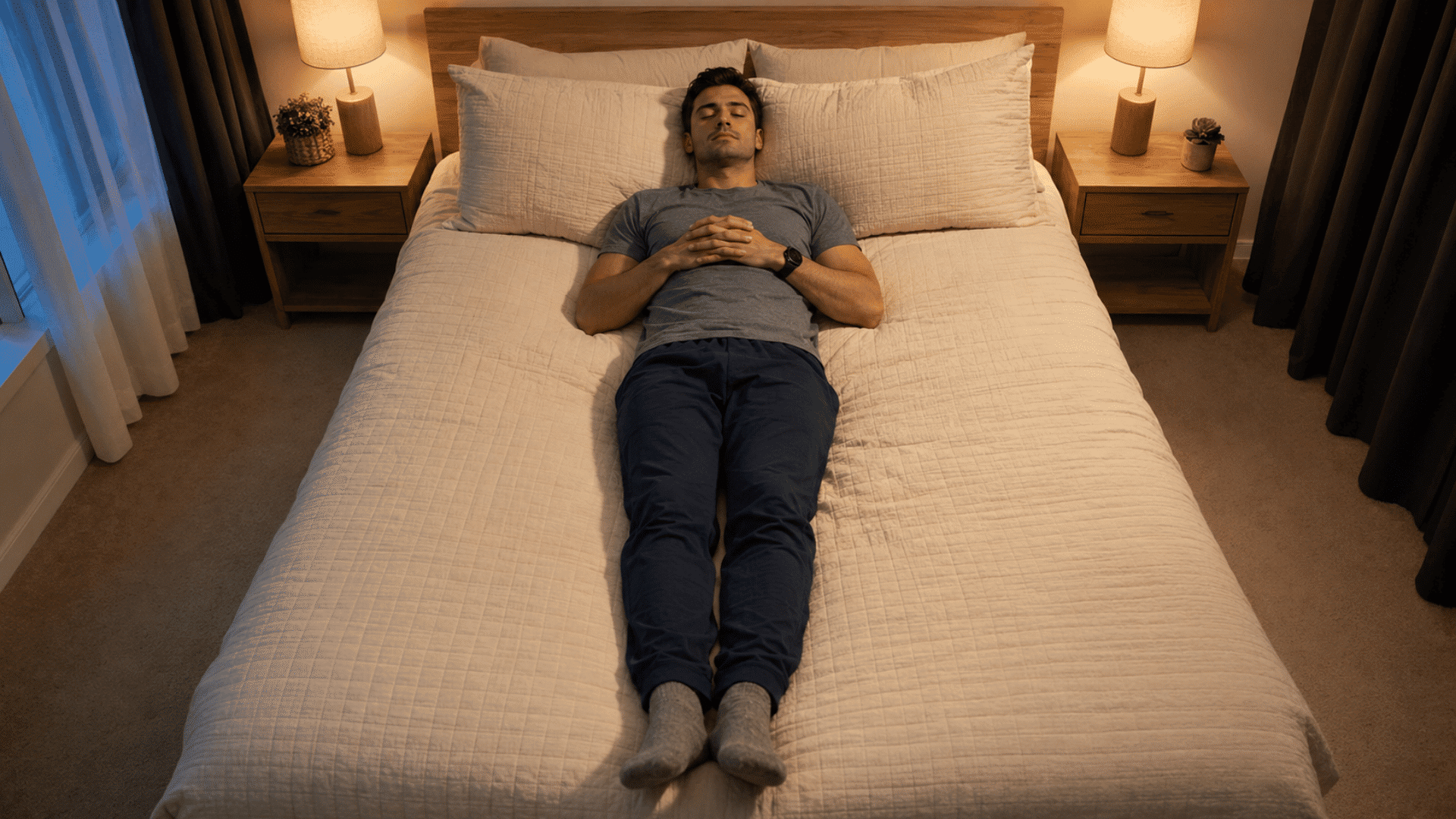
The military sleep method gives you physical relaxation with mental focus to help you fall asleep quickly, even under stress.
Lie comfortably, close your eyes and follow these steps:
- Relax your forehead, eyelids, cheeks, jaw, and tongue.
- Drop your shoulders and let your arms feel heavy.
- Relax your chest while breathing slowly.
- Release tension from your thighs, calves, ankles, and feet.
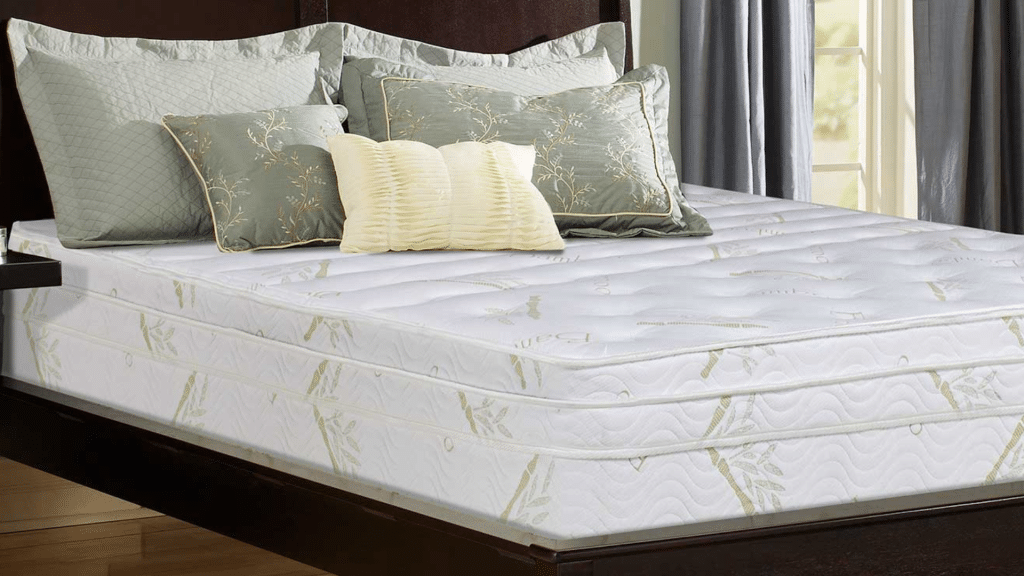
- Imagine your entire body sinking gently into the mattress.
2. 4-7-8 Breathing Method
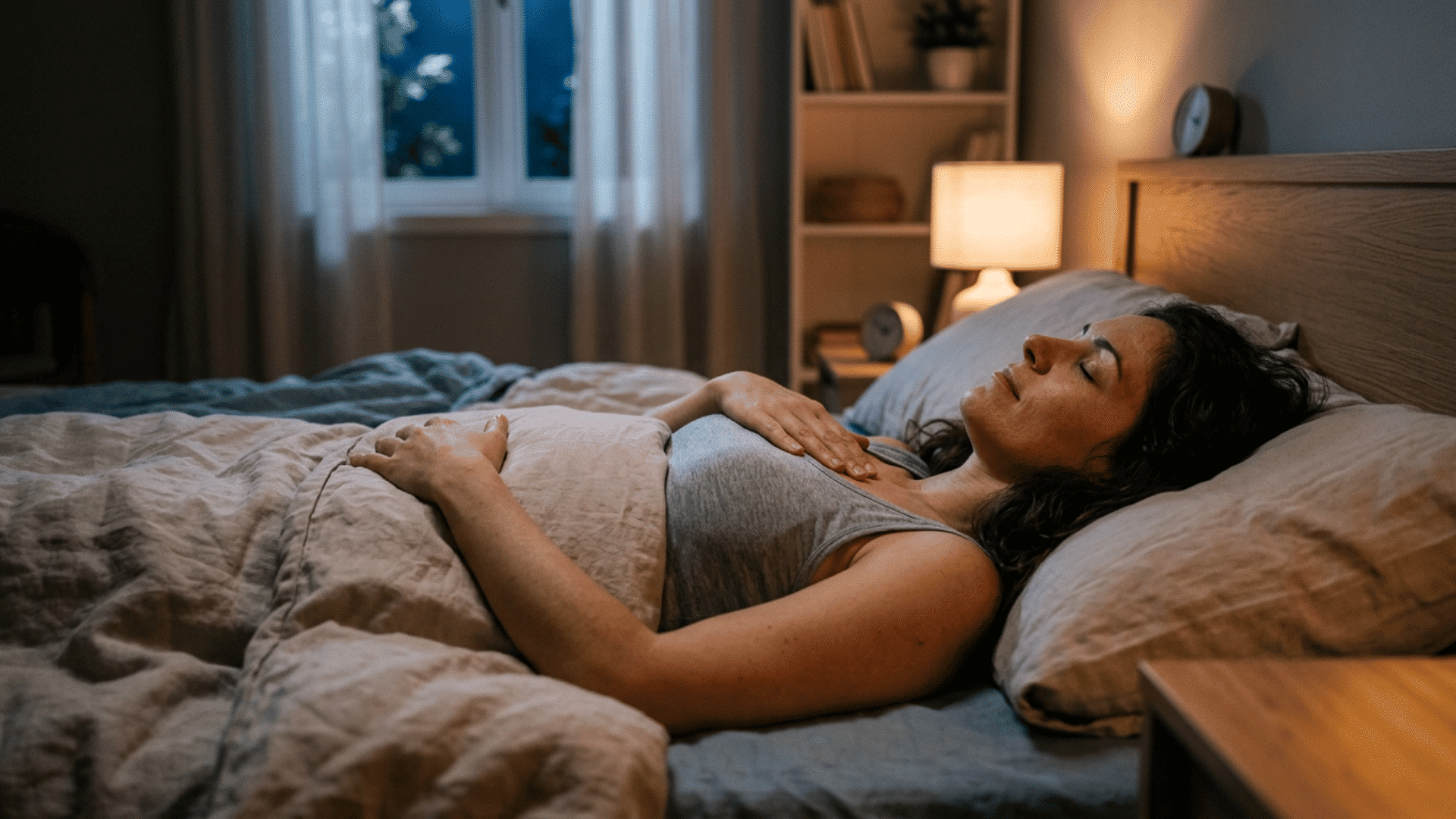
This method requires controlled breathing to slow down the mental chaos and to provide relaxation. If you want a deeper walkthrough of the science behind this one, our full breakdown of the 4-7-8 technique covers it step by step.
Follow These Steps:
- Breathe out gently through your mouth.
- Close your mouth and breathe in through your nose for four counts.
- Now try to hold your breath for seven seconds.
- Exhale slowly through your mouth for eight counts.
- Repeat the same pattern four times.
If you are suffering from any kind of respiratory issues , consult your doctor before following these steps. Stop immediately if you feel dizzy or have shortness of breath.
3. Progressive Muscle Relaxation (PMR)
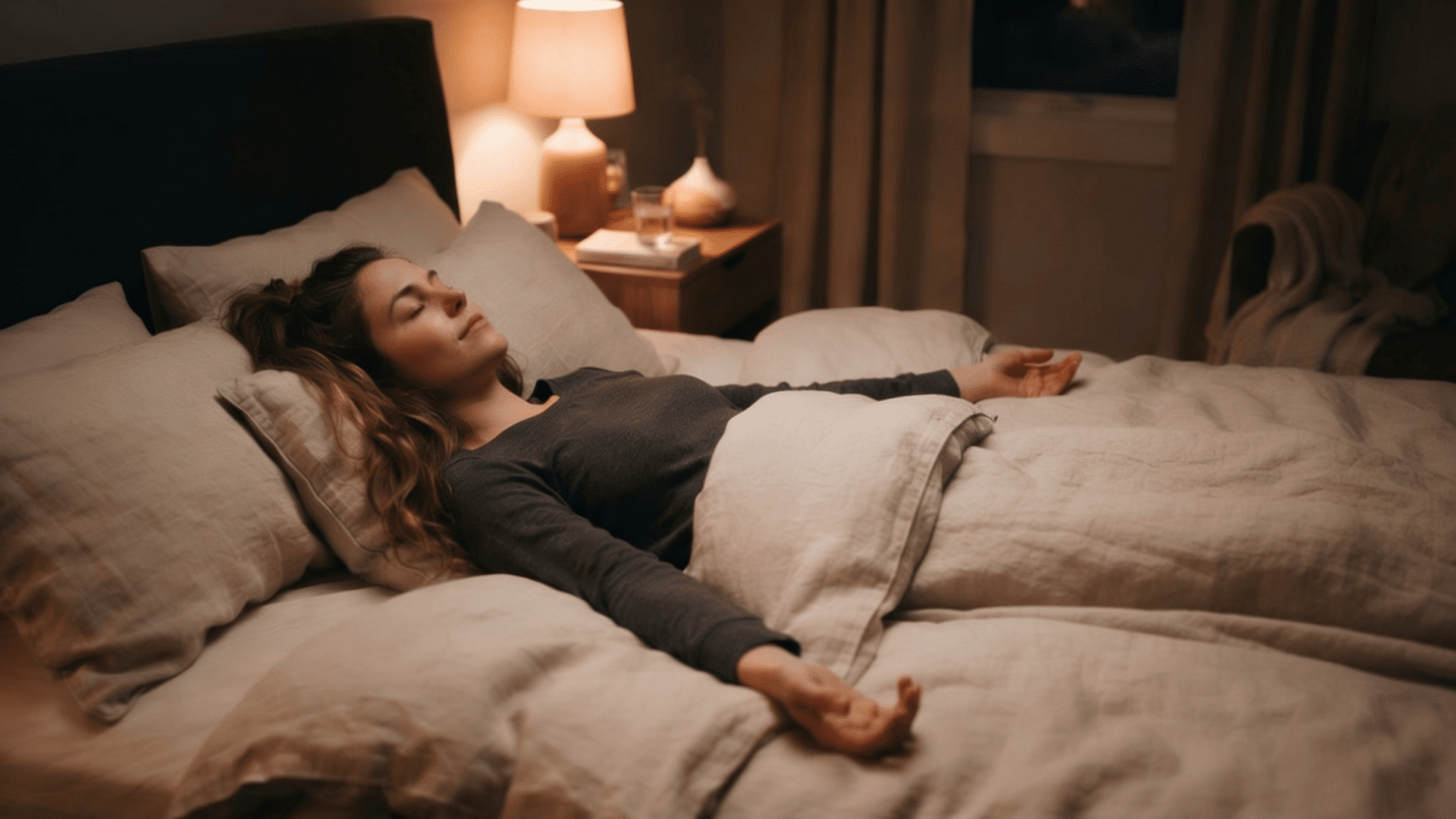
In this method, you need to create tension in your muscles purposely and then release it. Don’t put too much pressure on your muscles while tightening; it can cause strain.
Follow These Steps:
- Lie on your back with your arms at your sides and your legs relaxed.
- Tighten your toes for five seconds, then slowly release.
- Repeat the tighten-and-release process with your calves, thighs, and stomach.
- Clench your fists, tighten your biceps, and shrug your shoulders, holding each for five seconds.
- Raise your eyebrows, close your eyes tightly, and tense your jaw and forehead for five seconds before releasing.
Mostly, people feel tired after one round and fall asleep, but if you’re still awake after the first round, repeat this sequence one more time.
4. Modify Your Environment

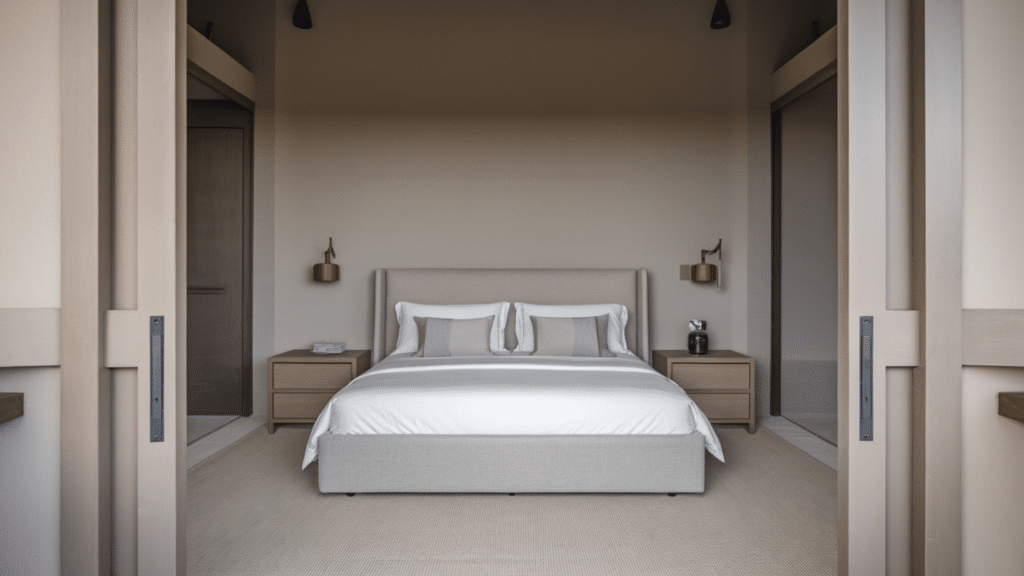
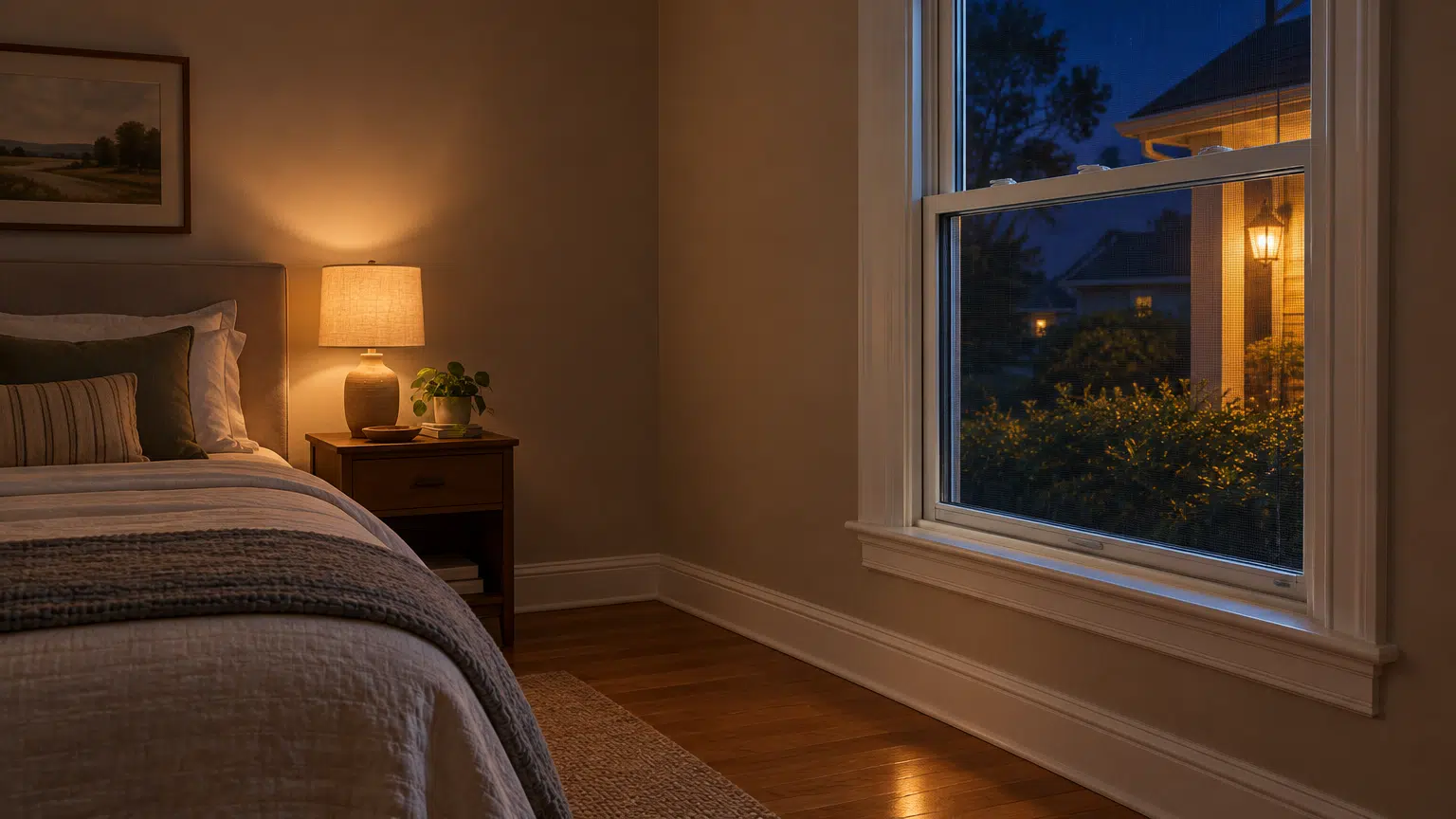
Small adjustments to your bedroom and sleeping position can reduce discomfort, limit distractions and help your body relax. A cool, dark, quiet environment makes it easier to fall asleep and stay asleep.
Follow These Steps:
- Set your room temperature to around 65 to 68°F (18 to 20°C).
- Block any external light using black curtains or a comfortable eye mask.
- Use a fan or white noise machine to mask sudden, jarring sounds.
- Lie on your back with your arms relaxed at your sides.
- If you sleep on your side, place a pillow between your knees for support.
Pairing this with the 10-3-2-1-0 sleep rule gives you a full evening routine to build around it, not just a bedroom checklist.
5. Cognitive Shuffling

Cognitive shuffling gently distracts your brain with random, neutral thoughts, making it harder to focus on stress or worry.
This helps your mind gradually prepare for sleep, and it pairs well with strategies for calming racing thoughts at night if your mind tends to spiral once the lights go off.
Follow These Steps:
- Pick a random, neutral word with 5 to 12 letters, like cloud.
- Take the first letter and think of an unrelated word starting with it, like lamp.
- Picture that object briefly in your mind, then move to the next word.
- Continue with more words for the same letter, then switch to a new random word.
- Repeat this pattern until your thoughts slow down and you drift off.
Which Sleep Technique Should You Try?
Each method targets a different cause of wakefulness; try the methods accordingly.
| Method | Typical Time to Feel Drowsy | Best for |
|---|---|---|
| Military Method | 1 to 2 minutes | Full body tension and stress |
| 4-7-8 Breathing | 2 to 5 minutes | Racing heart or night-time anxiety |
| Progressive Muscle Relaxation | 5 to 10 minutes | Physical tension from a long day |
| Environment Adjustments | Ongoing | Anyone whose room is too warm, bright, or loud |
| Cognitive Shuffling | 5 to 15 minutes | An overactive or overthinking mind |
Tips for Practicing Sleep Techniques Effectively
Falling asleep quickly is not about discovering one perfect trick. It is about helping your body release tension and allowing your mind to slow down. Keep these points in mind:
- Practice Consistently: Sleep techniques become more effective when used regularly, not only during restless nights.
- Give Yourself Time: Wandering thoughts are normal at first. Gently return your attention to the technique.
- Notice Gradual Progress: Reducing your sleep time from 45 minutes to five minutes is still a meaningful improvement.
- Choose What Feels Comfortable: Try different methods and continue with the one that feels natural and easy to repeat.
When to Visit a Doctor?
If you are regularly taking more than 35 minutes to fall asleep, waking frequently through the night, or feeling exhausted despite a full night in bed, these techniques may help, but they will not fix an underlying sleep disorder.
Talk to a doctor if poor sleep has lasted more than a few weeks, since conditions like insomnia, sleep apnea or anxiety disorders need their own treatment.
If stress or racing thoughts are the main thing keeping you up night after night, a therapist trained in cognitive behavioral therapy for insomnia (CBT-I) can offer more targeted, lasting help than any single bedtime technique.
Seek medical help sooner if poor sleep affects your daily functioning, mood, concentration, or safety.
Conclusion
Falling asleep in exactly 10 seconds may not be realistic every night, but regular practice can shorten the time it takes to drift off.
Choose one technique, practice it consistently, and notice what works best for you.
The military method, 4-7-8 breathing, progressive muscle relaxation, and cognitive shuffling offer practical options, while a cool, dark, and quiet bedroom supports better results.
Falling asleep faster becomes easier when you learn how to relax your muscles, steady your breathing, and quiet racing thoughts.
Which sleep method would you try first? Share your thoughts in the comments.
Frequently Asked Questions
Why Does My Body Jerk Just Before You Fall Asleep?
This is called a hypnic jerk. It is usually harmless and commonly occurs as the body transitions into sleep.
Which Sleeping Position Helps You Fall Asleep Faster?
A comfortable side or back position usually works best because it supports natural breathing and full-body relaxation.
Can Warming My Feet Help Me Sleep Faster?
Warm feet may support the body’s natural temperature changes before sleep, making it easier to feel drowsy.