If you’ve ever walked through your home and started mentally rearranging rooms, updating paint colors, or dreaming about a better kitchen layout, you’re not alone. Most homeowners reach a point where upgrades become more than just a way to improve comfort. They become a strategic investment, especially when resale value enters the conversation.
The challenge is knowing which projects are actually worth the investment. While some home improvements can make your space more comfortable and enjoyable to live in, others can also help attract buyers and boost resale value when it’s time to put your home on the market.
Here are the kinds of investments in your home that tend to actually move the needle when it comes to resale value.
Renovations That Refresh Existing Spaces
One of the most effective ways to increase home value is by renovating key areas of your house. Renovations focus on updating the appearance and functionality of existing spaces without making major structural changes. Small, thoughtful renovations usually deliver the best balance between cost and return.
Kitchens and bathrooms are still the biggest winners here, with the strong ROI starting from 75% to 96% as per the industry reports. You don’t always need a full remodel either, sometimes the smartest move is a light refresh: for example
- New paint in clean, neutral tones
- Updated cabinet handles or fixtures
- Modern lighting
- Fresh faucets or mirrors
These kinds of updates make a home feel current without pushing you into expensive structural changes. They also tend to perform well during appraisals, making them a smart investment when resale is a consideration.
While it’s important to choose finishes and styles you enjoy, homeowners planning to sell within the next few years should also pay attention to current design trends. Neutral color palettes, timeless materials, and broadly appealing finishes generally attract the largest pool of buyers.
One simple way to stay informed is by touring newly built homes in your area or browsing local real estate listings online. Builders spend a great deal of time researching what buyers want, and new construction homes often showcase design choices that appeal to a wide range of tastes.
Talking with local real estate professionals can also provide valuable insight into which colors, layouts, and features are currently in demand.
It’s also important to understand the difference between a renovation and a remodel. Remodeling projects often involve altering floor plans, moving walls, or completely changing a room’s structure. These projects can become expensive very quickly and don’t always provide a positive return on investment. If selling your home is part of your near-term plan, carefully weigh the cost of major remodels before committing to them.
Outdoor Upgrades That Improve First Impressions
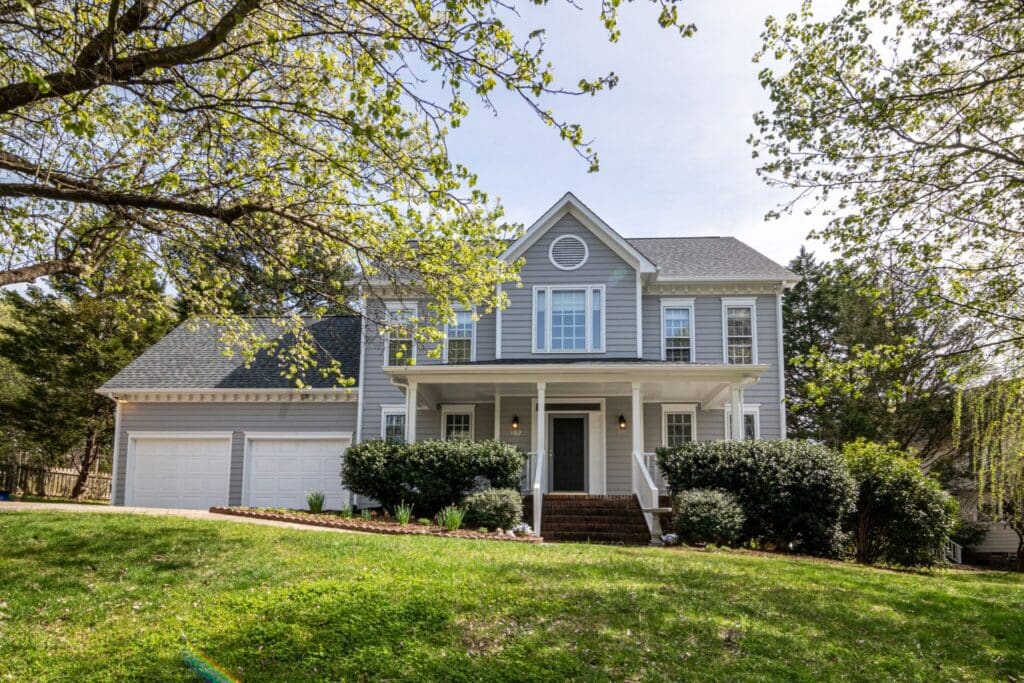
First impression, a.k.a. curb appeal is one of those things buyers notice before they even step inside. It can boost a property’s resale value by 7% to 10% and even more in slower markets. A well-kept exterior signals that the home has been maintained, which can influence how buyers perceive everything else inside.
Simple outdoor upgrades can go a long way:
- Clean, trimmed landscaping
- Fresh garden beds or greenery
- Outdoor lighting for walkways and entrances
- Functional outdoor living spaces
But one area homeowners often overlook is hardscaping, your concrete surfaces.
Driveways, patios and especially sidewalks play a bigger role than most people think. Cracked or uneven concrete can instantly bring down curb appeal, even if the rest of the home is in great shape.
On the other hand, properly repaired or freshly installed sidewalks by experienced NYC sidewalk contractors can deliver a surprisingly strong return. For instance, in New York City, sidewalk improvements are often estimated to return a significant portion of their cost at resale, sometimes as high as around 80% or more depending on location. A recent study by the Walkable and Livable Communities Institute shows that when two homes are nearly identical, the one with a five-foot-wide sidewalk and two street trees can sell for $4,000 to $34,000 more than the other while spending less time on the market.
Beyond aesthetics, professionally installed concrete work also ensures code compliance, proper drainage, and long-term durability, all things buyers (and inspectors) quietly value.
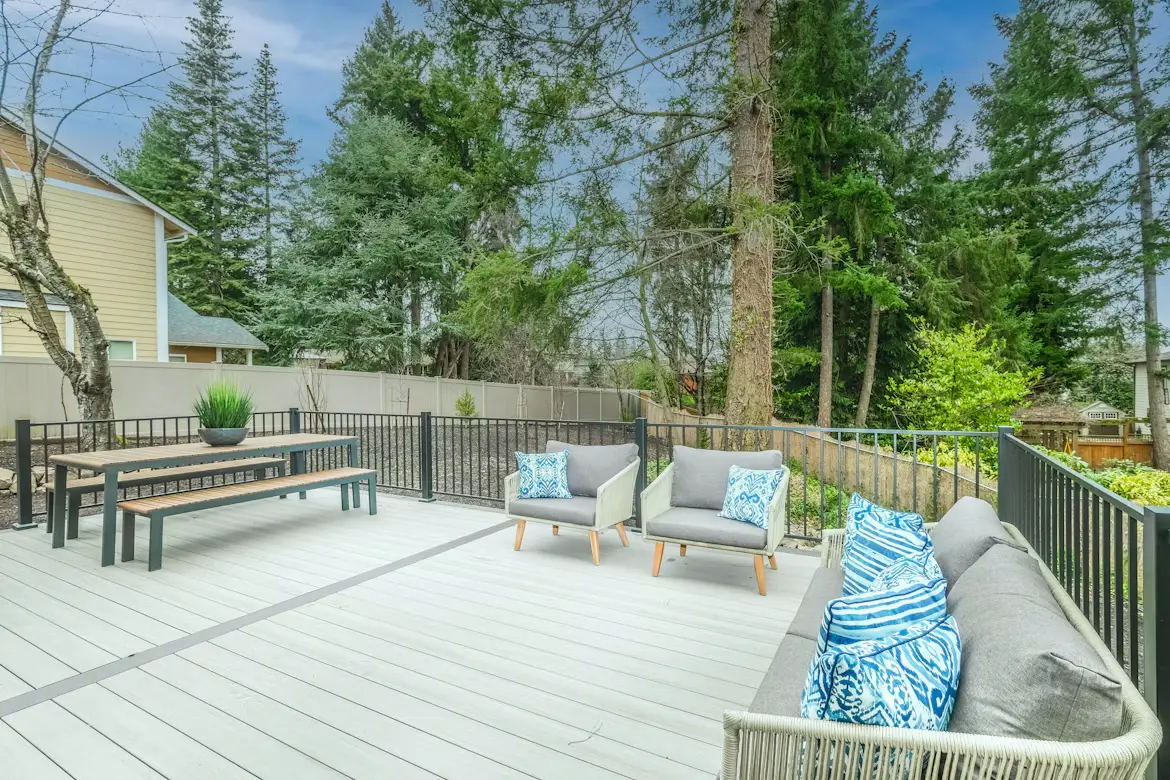
Even larger outdoor additions like decks, retaining walls, or patio extensions can add appeal, as long as they’re built well and don’t overextend your budget.
And while pools can add lifestyle value, they’re a mixed bag financially. Some homes may see a modest percentage of around 5% to 8% approx. increase in value, but maintenance costs and buyer preference vary widely.
Adding Usable Space Inside the Home
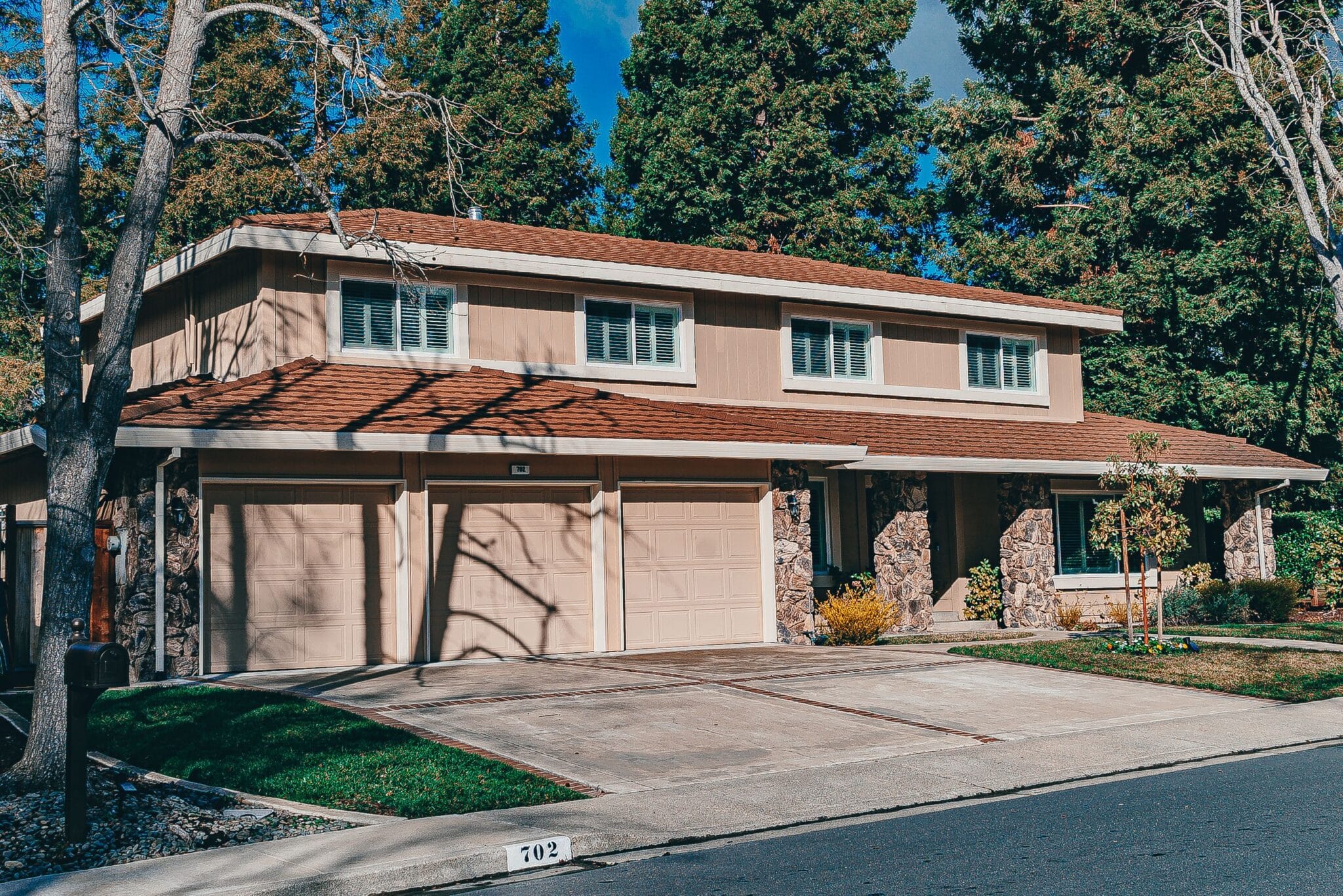
When it comes to increasing property value, extra square footage almost always gets buyers’ attention. In real estate, more usable space usually translates into more value.
Adding onto your home requires a significant investment, but it often has a clear payoff when done right: such as
- Extra bedrooms
- Finished basements
- Home offices
- Garage additions
Even small expansions that improve functionality can make a big difference in how buyers view your home. For example, a garage addition or converted space can return a strong portion of its investment. It can generate an estimated 81% ROI while making the property more practical for everyday living.
Additional living space can also increase a home’s value by roughly 5%, making it one of the more impactful long-term improvements available to homeowners. As lifestyles continue to evolve and more people work remotely, flexible spaces that can serve as home offices, guest rooms, or recreational areas have become increasingly desirable.
The key here is usability, because buyers don’t just want more space, they want better space with more functionality.
Install Smart Home Features
Smart home devices continue to gain popularity because they make everyday life easier, more efficient, and often safer. As a result, they can also contribute to a home’s appeal when it hits the market. Smart upgrades are becoming less of a luxury and more of an expectation in modern real estate markets.
The good news is you don’t need to turn your home into a fully automated system to see value here. Even a few thoughtful additions can make a difference:
- Smart thermostats for energy savings, e.g., Nest or Ecobee, come with 90% ROI
- Video doorbells and smart locks for security generates more than 85% ROI
- Smart smoke and CO detectors with an estimated 40% ROI
- Automated lighting systems provide around 80% ROI
These features improve convenience, safety, and efficiency, all things modern buyers care about. They also help your home feel more “move-in ready,” which can make it stand out in a competitive market.
Security-focused devices such as video doorbells, smart locks, connected garage door openers, and smart smoke or carbon monoxide detectors help provide peace of mind for homeowners and prospective buyers alike. Smart thermostats and Wi-Fi-enabled sprinkler controllers can automatically adjust settings to improve efficiency, helping reduce utility costs over time.
Entertainment-focused upgrades can also make a strong impression. Smart lighting systems and integrated sound systems aren’t necessities, but they often create a modern, high-tech feel that buyers appreciate.
If you eventually sell your home, remember to properly transfer ownership of these devices. Updating passwords, removing personal information, and disabling access to connected accounts will help ensure a smooth transition for the next homeowners.
Conclusion
Improving your home isn’t just about making it more comfortable today. It is about setting yourself up for a stronger return in the future. The key is choosing upgrades that balance your personal enjoyment with potential long-term resale benefits. Whether it’s refreshing key interior spaces, improving curb appeal, adding usable square footage, or incorporating smart features, the right changes can make your home more appealing to future buyers.
Focus on upgrades that improve the way you and your family live today while also offering a solid return on investment. Projects with a proven track record of boosting home value are often the smartest choices when resale is part of your long-term plan. Rather than pursuing costly or overly ambitious renovations, prioritize thoughtful, well-executed improvements that add both functionality and appeal. By taking a strategic approach, you’ll be in a much better position when it’s time to list your property.