
Most homes have garage doors that are the largest moving part and subjected to extreme weather. Conducting a careful, seasonal inspection can help you identify potential problems before they become unexpected, inconvenient crises, like a broken spring in the dead of winter or a wobbly door that loses its bottom seal in a summer squall.
How Temperature Extremes Physically Damage Your Door System
Metal expands and contracts with temperature. That’s no news, but most homeowners don’t directly link that simple physics to their garage door system’s operation each time the seasons change. Torsion springs provide the most obvious case. These steel springs in high tension bear the total weight of the door with each lift. In extreme cold, steel contracts and gets brittle. This is why spring breakdowns greatly increase in winter. This spring hasn’t necessarily weakened – it has been functioning fine for months – but a single cold night downgrades it below its tolerance limit. Coils wind up, stress focuses, and the spring breaks under a weight it would have easily supported in warmer weather.
Tracks of metal see the same physics on a larger scale. As the temperature moves between the seasons, the tracks spread and contract, slowly shifting their alignment. A door that moved easily in the spring may begin to grind, skip, or stall in midsummer when the tracks have shifted. This misalignment puts lateral stress on the rollers and causes the opener motor to work harder to pull the door through a path it no longer fits cleanly.
If your door is reversing before it closes, hesitating mid-travel, or making a grinding noise that wasn’t there before a temperature change, track alignment is the first thing to check. Visually inspect both tracks for bends, gaps at the mounting brackets, or sections where the track has pulled away from the wall. Minor adjustments to the mounting hardware can sometimes correct a small shift, but significant warping necessitates a professional re-setting the track geometry.
Homeowners who notice a frozen or jammed door after an extreme weather shift – particularly one that involves any change to the spring tension or travel resistance – are best advised to contact a certified specialist in Garage Door Repair Carrollton before forcing the door open or adjusting the spring hardware themselves.
The Lubricant Question Most People Get Wrong
You can easily find WD-40 in the garage door aisle of any hardware store. But don’t ever use it. WD-40 is for water displacement and degreasing, not lubrication. It cleans and removes, but doesn’t provide protection for potentially decades-old metal-on-metal contact surfaces. Worse, petroleum-based greases and oils thicken to a gummy texture in sub-freezing temps, turning a bothersome squeaky resistance in October into a full-on won’t-open slog in January.
You want a silicone-based lubricant. It doesn’t attract dust, it doesn’t freeze, and it maintains its proper viscosity over a surprisingly broad temperature range.
Spray literally every metal moving component: the rollers (wheels), the hinges, the bearing plates at each end of the torsion spring bar (those plates will be metal on metal three inches from the cable drum on each side); the torsion spring coils themselves (not the cables). Wipe your tracks down first with a rag – they should be clean, not lubricated. Do this twice a year: once before the cold season and once before the hot season. Takes ten to fifteen minutes, adds years to your equipment.
Weatherstripping and Seals – Where Energy and Moisture Enter
Water tends to enter through the bottom of the door first in a heavy rain. Cold air leaks in through the bottom of the door. Insects enter at the bottom of the door. If you live in a wintery climate, the bottom of the door is where the spray from road salt and treatment chemicals tends to collect.
Inspect the bottom weatherstripping by closing the door and standing inside the garage while you look at the base of the door. The seal should be in full, consistent contact with the base across the entire width. Any gaps, cracks, or areas where the seal has pulled away and hardened mean that the seal is no longer sealing.
This is an easy DIY project. The seal usually tucks into a retainer track on the bottom of the door. Simply pull out the old seal from one end and push the new one in. It’s a less-than-an-hour job and a helper will be handy. Just be sure that the profile of the new seal (T-type or J-type) matches the existing retainer. If the retainer is corroded, just replace it too.
Don’t overlook the side and top weather seal. These foam or vinyl strips compress against the door frame when the door closes. They don’t wear as quickly as the bottom seal, but check them once a year. Compressed, cracked, or detached side seals will allow wind-driven rain behind the door panel, which is a perfect path to frame rust and trim wood rot.
Insulation – Understanding R-Value and The Polyurethane vs. Polystyrene Decision
If you have an attached garage, an uninsulated or poorly insulated door is a massive energy loss. Thermal resistance is measured in R-value, and the higher the number, the better the insulation performs.
Polystyrene insulation, the rigid foam that you’d find in a cooler, is your basic insulation. It’s pressed into panels and, with moderate to good R-value performance (typically in the R-6 to R-9 range, depending on the thickness), it’s an improvement over a noninsulated door. But because it doesn’t bond to the door skins, it doesn’t add much rigidity to the panels.
Polyurethane foam is injected as a liquid that expands to fill the panel cavity. As it cures, it bonds with both steel skins of the door. Because of that, the panel becomes much more rigid, which can matter in high-wind areas. Plus, it gives the door higher-performing R-values (typically R-12 to R-18, depending on the panel thickness). If you live in a climate of extreme heat or cold, polyurethane foam is a better investment.
A new garage door is one of the best home improvement projects for ROI, while improving property curb appeal immediately. The return and the door’s day-to-day energy performance are both affected by the door’s condition and quality of insulation.
Protecting the Door’s Surface and Maintaining Curb Appeal
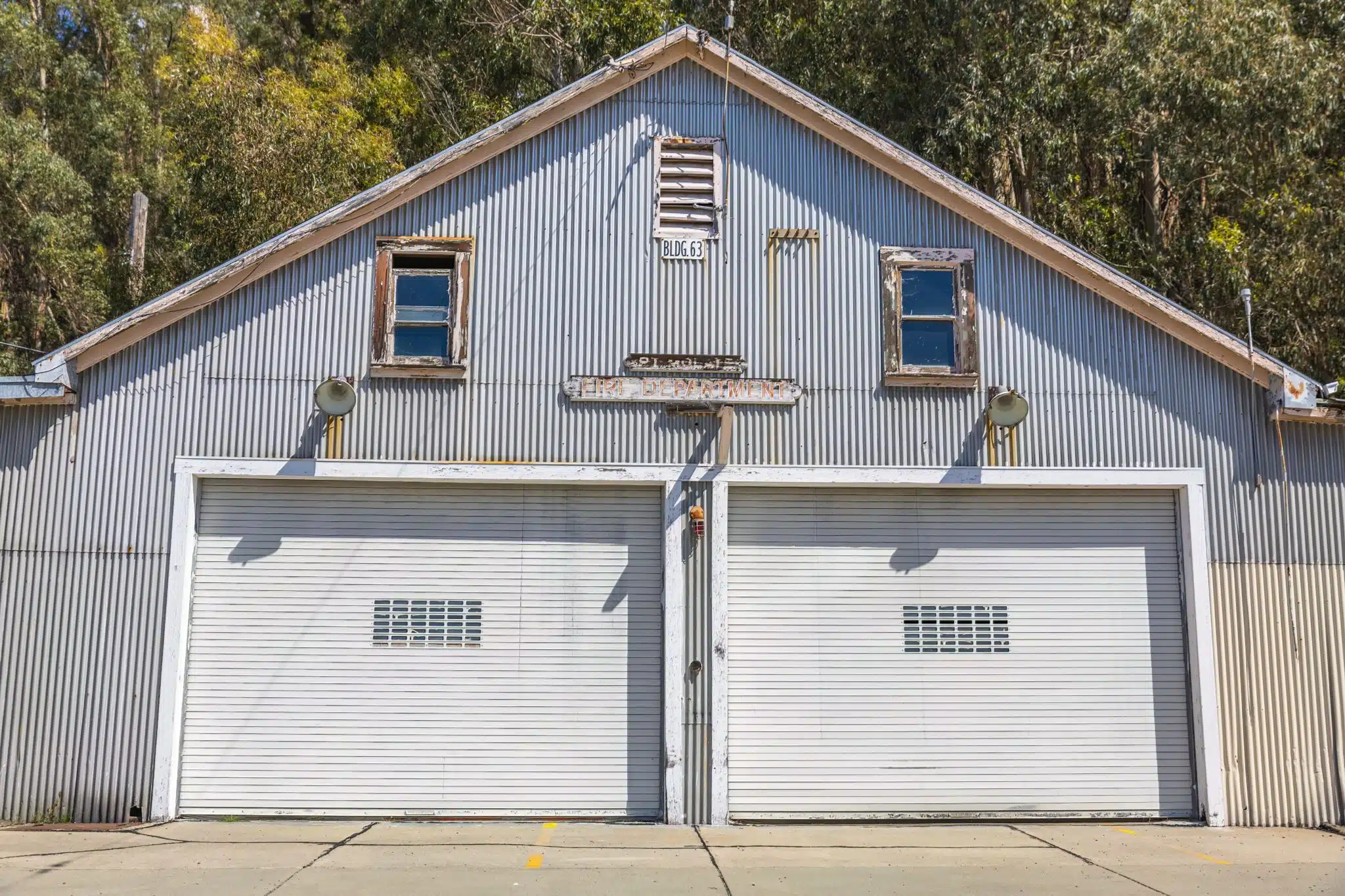
Ultraviolet radiation, heavy rain, and road salt wear on garage door panels over time. Steel doors lose their factory finish, wood doors crack and peel, and either material can start looking neglected in a way a passerby can immediately see.
For steel doors, the best protection is cleanliness (washing the surface regularly to avoid dirt damage) and checking the color coat for wear at least annually. If the darker base metal is showing through, it’s time to apply an automotive wax or even better, an exterior paint sealant to the clean, dry surface. Wax and sealant are undetectable from a few feet away and provide superb protection from the elements.
Before a tough winter, rinse bottom panels – where road salt builds up into the panel joints and bottom rail, rotting areas that have lost their paint seal – and blast off corrosion-causing salt deposits. If you have a rust spot forming, your garage supplier should be able to sell you a rust-inhibiting primer that will start to work as soon as it’s brushed on. Some of these primers are made for existing rust and can be brushed right over it. Apply it very sparingly to the fresh metal – just enough to avoid drips. If rust is breaking out from multiple areas under the color coat, the door needs to be replaced.
Photo-Eye Sensors and The Seasonal Glitches Most Homeowners Misread
During winter, the sensor lenses may get covered with frost or condensation. This scatters the beam enough to indicate an obstruction even when nothing is there. Consequently, the door will refuse to close or activate only when forced into manual override. Wipe the sensor lenses with a dry cloth, and check for proper alignment. Most sensors have a small LED that will show if they are properly aligned. A solid light indicates that they are, while a blinking light indicates a broken or crooked beam.
In summer, the sunlight can blind the receiving sensor if it is at the right angle. The symptoms are the same – the door won’t close when this happens, but it only occurs at a specific time of the day. If this appears to be your problem, buy a small shade hood at your local hardware store and install it over the receiving sensor.
The Balance Test – a Five-Minute Diagnostic that Could Save Your Opener
Simply pull the red emergency release cord to disconnect the door from the opener, then manually lift the door to waist height and let go. A properly balanced door will remain in place, held by spring tension. If it drops to the floor, the springs are under-tensioned. If it rises toward the ceiling, they’re over-tensioned.
In either case, the opener motor is working against the imbalance of the springs during every operation. This continual strain considerably shortens the life of the motor, trolley carriage, and cables.
Spring-loaded doors can exert several hundred pounds of pressure when the springs are fully wound and therefore, adjusting spring tension is a job for the professionals. One mistake adjusting or replacing torsion springs can be fatal. If your door doesn’t pass the balance test, call in the pros – it’s likely not an expensive fix, but it can save you a costly repair down the line.
Wind Load Ratings and Storm Preparedness
Garage doors with a high wind load rating are recommended for regions prone to hurricanes, tropical storms, and high winds. Standard garage doors can easily break under pressure caused by high-velocity winds. When this happens, the garage can’t protect itself from the weather. The house loses its protection and the roof can tear off.
Hurricane- and storm-rated doors feature reinforced panels, greater spacing between horizontal bracing bars, and more substantial tracking and hardware. If you live in a region that mandates minimum wind load ratings for garage doors per local building codes, look for the rating on a label attached to the door or the owner’s manual. It’s easy to schedule a live garage inspection to determine how well your existing door complies with local building codes. If your door is lacking, affordable retrofit bracing kits can add strength. A new garage door made with heavier gauge tracking and additional brackets may be required for replacement.
Knowing when To Stop and Call Someone
The diagnosis and maintenance tasks you’ll find in this guide – lubrication, seal replacement, sensor cleaning, surface protection, the balance test – are well within the care of a conscientious homeowner. But there’s a bright line separating maintenance from repair on this gear.
Anything having to do with torsion spring adjustment, cable replacement, track re-installation, or opener motor repair is on the professional side of that line. The stored energy in a torsion spring system is enough to cause serious injury if not handled correctly. The cost of a professional service call is a tiny fraction of an emergency room visit or a new system.
Think of seasonal prep as a financial decision, not just a chore. The two or three hours you put in every season directly protect the life of a system you’d have to spend thousands to replace, and that sits right at the front of your home every single day.