Ever wake up after a full night’s sleep and still feel exhausted? I’ve been there, staring at a sleep tracker and wondering how many hours of deep sleep do you need to truly recover.
Deep sleep is essential, yet confusing because numbers fluctuate and total rest isn’t always obvious. If you’ve been questioning your nightly restorative cycles, you’re not alone.
Here, I’ll break down what counts as a healthy range, how age and total sleep affect deep sleep, and what signs show you might not be getting enough.
By the end, you’ll understand your sleep patterns better and feel confident taking practical steps to improve your rest, energy, and overall daily performance
Understanding Deep Sleep and Its Crucial Role in Health
Deep sleep, often called slow-wave sleep, is the stage where your body focuses on major restorative processes.
During this phase, heart rate and breathing slow, muscles repair and strengthen, and growth and recovery hormones are actively released.
Your brain also clears metabolic waste during deep sleep through the glymphatic system, a process researchers believe is closely tied to long-term cognitive health. A 2013 study published in Science found that the glymphatic system is nearly ten times more active during sleep than while awake, flushing out proteins linked to neurological disease.
Your immune system also gets a boost, and the brain consolidates memories while clearing waste, helping you feel refreshed the next day. While deep sleep is essential, it works alongside REM and light sleep to maintain overall health.
Missing sufficient deep sleep can leave you feeling tired, impair cognitive function, and hinder physical recovery.
In my work with clients dealing with insomnia and chronic fatigue, the single most common pattern I see is someone logging 7 or even 8 hours of total sleep but spending very little of it in deep, slow-wave stages. The number on the tracker looks fine. The body does not feel fine. That gap between hours in bed and hours of actual restoration is exactly what we need to close.
Understanding how deep sleep works helps you prioritize the right habits and environment to support consistent, restorative rest every night.
How Many Hours of Deep Sleep Do You Need?
Most adults aim for 1–2 hours of deep sleep per night, but exact amounts depend on total sleep, age, stress levels, and overall health.
The CDC recommends adults get at least 7 hours of total sleep per night, with roughly 20 to 25% of that time in deep sleep. Use this table as a practical reference for nightly targets.
| Total Sleep | Normal Deep Sleep Range | Notes |
|---|---|---|
| 6 hours | 36–90 minutes | May be low if frequent, depends on age & symptoms |
| 7 hours | 42–105 minutes | Typical adult range |
| 8 hours | 48–120 minutes | Optimal for most adults |
| 9 hours | 54–135 minutes | High-end may reflect recovery or tracker error |
This table helps you see expected deep sleep ranges, but one night below the target isn’t concerning. Focus on consistent patterns and how you feel each day.
Note on trackers: Consumer wearables like Fitbit, Apple Watch, and Oura Ring estimate sleep stages using movement and heart rate data, not brainwave readings.
Research published in the Journal of Clinical Sleep Medicine found that consumer sleep trackers tend to overestimate total sleep time and deep sleep compared to polysomnography, the clinical gold standard. Use your tracker for trends across weeks, not as a precise nightly report.
How Deep Sleep Requirements Change Across Different Ages and Life Stages
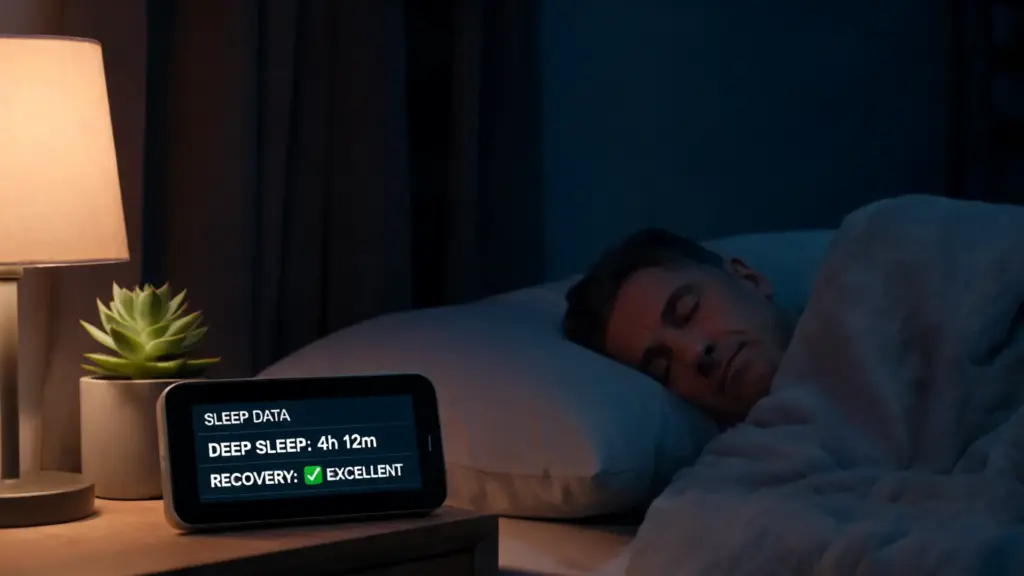
Your deep sleep patterns naturally shift as you grow older, affecting recovery, energy, and overall health. Here’s what you need to know for every age group.
1. Babies, Children, and Teens
Young bodies spend the most time in deep sleep, supporting brain development, memory consolidation, and immune system growth.
Research consistently shows that children and teenagers cycle into slow-wave sleep more frequently and for longer periods than adults, which makes adequate total sleep especially critical at this stage. Deep sleep decline begins in early adulthood and continues at roughly 1.7% per decade after that.
Prioritizing sufficient total sleep helps ensure these deep sleep periods happen naturally, supporting healthy growth, cognitive function, and physical recovery.
Rather than chasing exact numbers, focus on consistent sleep schedules and routines that encourage restorative rest during this critical developmental stage.
2. Adults
Most adults need about 1–2 hours of deep sleep per night, forming roughly 15–25% of total sleep. Quality and consistency matter more than chasing an exact number.
Adequate deep sleep supports physical recovery, hormone regulation, immune function, and mental clarity.
Maintaining a steady sleep schedule, healthy lifestyle habits, and a calm bedtime routine helps maximize restorative sleep, making sure you wake up refreshed and able to function optimally during the day.
3. Older Adults
Deep sleep naturally decreases with age, yet older adults still require restorative rest for health, energy, and cognitive performance. Focus shifts from exact deep sleep numbers to overall sleep quality and consistency.
Tracking sleep patterns can help identify disruptions caused by lifestyle, environment, or medical conditions.
Older adults who feel they are sleeping too much, rather than too little, may benefit from understanding why excessive sleep in later life occurs and when it becomes a concern worth addressing.
Signs You May Not Get Enough Deep Sleep
If you frequently wake up tired or feel mentally foggy, your body may not be getting enough deep sleep. Watch for these common warning signs to assess your sleep quality.
- Waking up tired despite a full night’s sleep
- Difficulty concentrating or remembering things
- Frequent illness or slow recovery from exercise
- Feeling groggy in the morning
Recognizing these signs early allows you to make changes to routines, environment, or lifestyle habits. Consistently improving sleep conditions can improve restorative rest, support recovery, and boost daytime energy, mood, and overall health.
What Actually Disrupts Deep Sleep? The Overlooked Triggers
Most people know that caffeine and stress affect sleep. Fewer realize how specific and potent some of the less-discussed disruptors are. These are the ones I flag most often in behavioral sleep consultations.
Alcohol: Alcohol is sedating, which is why many people use it to fall asleep faster. The problem is what it does in the second half of the night. As the body metabolizes alcohol, it suppresses REM sleep and fragments slow-wave sleep, producing a rebound effect of lighter, more broken rest. Even one or two drinks within three hours of bedtime can measurably reduce deep sleep on a wearable.
Late-night eating: Eating a large meal within two to three hours of sleep raises core body temperature and keeps the digestive system active during a time when your body is trying to downshift. Core body temperature dropping is actually one of the key physiological triggers for deep sleep onset. Anything that delays that drop delays your entry into slow-wave sleep.
Irregular wake times: Your body’s slow-wave sleep pressure builds across the day and peaks in the first sleep cycle. If your wake time shifts by two or more hours on weekends, you reset that pressure and disrupt the circadian rhythm that coordinates when deep sleep occurs. A consistent wake time, even on days off, is the single most evidence-backed behavioral intervention for improving sleep architecture.
Sleep apnea: This one is frequently missed, especially in people who do not fit the classic profile of an overweight, loudly snoring middle-aged man. Sleep apnea causes repeated micro-arousals throughout the night that pull the brain out of deep sleep.
Many people with undiagnosed apnea have perfectly normal total sleep hours and no memory of waking up. Their chief complaint is daytime fatigue that does not respond to more time in bed. Untreated sleep apnea also carries serious long-term health risks that go well beyond poor sleep quality.
Common Deep Sleep Myths Explained
Many people misunderstand deep sleep and its role in overall health. Knowing the facts helps you focus on balanced sleep, avoid unnecessary anxiety, and interpret sleep tracker data correctly.
| Myth | Reality |
|---|---|
| More deep sleep is always better | Not necessarily; your body needs a balance of deep, REM, and light sleep for overall health. |
| Light sleep is bad | Light sleep is essential for transitioning through sleep cycles and maintaining healthy sleep patterns. |
| Trackers are 100% accurate | Trackers estimate deep sleep based on movement, heart rate, and breathing; they focus on trends, not single nights. |
| You can force deep sleep | Deep sleep happens naturally; support it through consistent routines, environment, and healthy sleep habits. |
Understanding these myths allows you to interpret your sleep data wisely. Focus on patterns, consistency, and overall rest rather than obsessing over single numbers each night.
How to Improve Deep Sleep Naturally
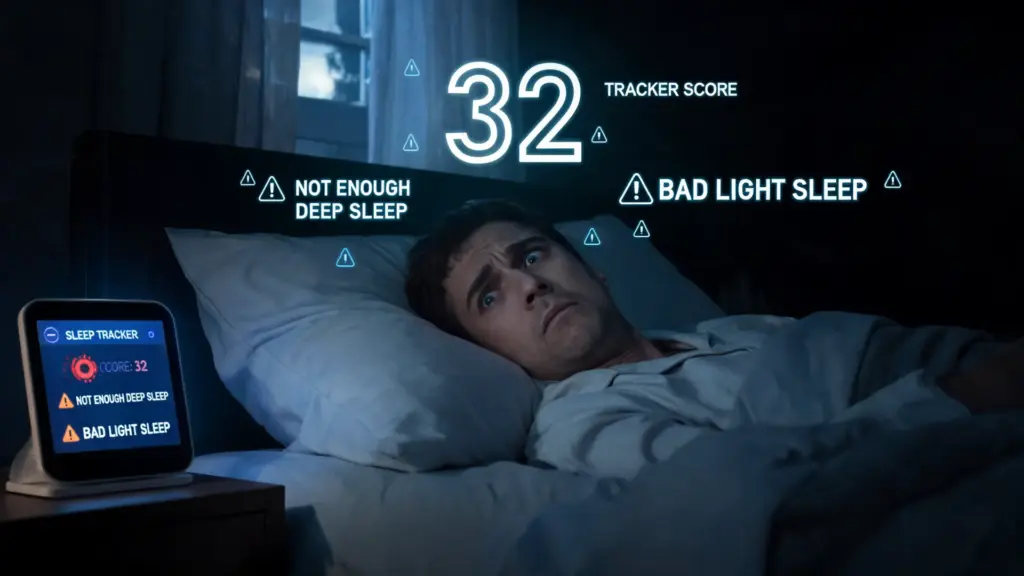
Creating conditions that support deep sleep helps your body restore, repair, and maintain optimal health. These practical steps focus on habits, environment, and routines to enhance restorative sleep.
- Keep a consistent schedule: Go to bed and wake up at the same time daily. This is the intervention I recommend first to every client, before any supplement, device, or diet change. Circadian consistency is the foundation on which everything else rests.
- Create a sleep-friendly environment: Keep your bedroom cool, dark, and quiet; consider blackout curtains or white noise. Research suggests the optimal bedroom temperature for sleep onset is between 60 and 67 degrees Fahrenheit (15 to 19 degrees Celsius). Core body cooling is a direct physiological signal for slow-wave sleep to begin.
- Limit caffeine and alcohol late in the day: Both can disrupt deep sleep cycles. Caffeine has a half-life of roughly five to six hours, meaning a 3 PM coffee still has half its stimulant effect at 8 PM. Avoid caffeine after 2 PM if deep sleep quality is your goal.
- Wind-down routine: Reading, stretching, or a warm shower signals to your body that it’s time to rest. A warm shower or bath 60 to 90 minutes before bed works partly by triggering a drop in core body temperature as you get out, which accelerates sleep onset. A structured pre-bed wind-down routine makes this transition more consistent.
- Exercise earlier in the day supports deeper sleep cycles and overall restorative rest. Vigorous exercise within two to three hours of bedtime can elevate cortisol and delay sleep onset for some people, though the effect is individual. Morning or early afternoon exercise consistently shows the strongest association with improved slow-wave sleep in the research I follow in my practice.
- Manage stress: Meditation, breathing exercises, or mindfulness can improve sleep quality naturally. Elevated cortisol at night is one of the most reliable suppressors of slow-wave sleep. A brief body scan or diaphragmatic breathing practice before bed is the simplest, fastest intervention I have seen work consistently across clients with stress-related sleep disruption.
Following these steps consistently can help deepen sleep over time, improve energy levels, and enhance overall physical and mental well-being, even if deep sleep naturally fluctuates night to night.
Deep Sleep, REM Sleep, Light Sleep, And Core Sleep: What Is The Difference?
Deep sleep supports physical recovery, but it is only one part of healthy sleep. REM, light sleep, and tracker labels like core sleep each mean something different.
| Sleep Stage Or Label | Main Role | Normal Amount | Simple Meaning |
|---|---|---|---|
| Deep Sleep | Repair, recovery, immune support | About 10% to 25% | A clinical sleep stage in which the body undergoes deep physical restoration. |
| REM Sleep | Dreaming, memory, mood | About 20% to 25% | A clinical sleep stage that supports brain activity and emotional processing. |
| Light Sleep | Sleep-cycle transition | No fixed target | A normal stage that helps the body move through sleep cycles. |
| Core Sleep | Tracker-based sleep label | Depends on device | Usually a wearable term, not always the same as clinical deep sleep. |
Deep sleep is not “better” than REM or light sleep. It simply does a different job. Core sleep should also be read carefully because it may mean different things across devices.
If you use a tracker, compare your sleep labels with your total sleep, weekly trends, and how rested you feel the next day.
When to See a Doctor About Deep Sleep Problems
Behavioral changes resolve a large proportion of deep sleep issues, but not all of them. Consider speaking with a doctor or sleep specialist if you notice any of the following.
- You consistently feel unrefreshed despite 7 to 9 hours of total sleep and have already addressed the behavioral factors above.
- Your bed partner reports that you snore loudly, gasp, or stop breathing during sleep.
- You experience irresistible daytime sleepiness that affects your work or safety.
- Your legs feel uncomfortable or restless at night, making it hard to fall asleep.
- You have been managing poor sleep for more than three months without improvement.
A clinical sleep study, or polysomnography, is the only way to accurately measure the distribution of sleep stages and identify disorders such as sleep apnea or periodic limb movement disorder. It is non-invasive and often covered by insurance when medically indicated.
In my experience, many people who believe they simply have “bad sleep habits” are actually dealing with an undiagnosed sleep disorder that no amount of habit optimization will fully fix.
Frequently Asked Questions
Can your bedroom temperature affect deep sleep stages?
Yes, deep sleep is triggered by a natural drop in core body temperature. Keeping your bedroom between 60–67°F (15–19°C) can improve slow-wave sleep and overall rest quality.
Does blue light exposure at night reduce deep sleep?
Exposure to screens before bed can delay melatonin release, making it harder to enter deep sleep. Reducing screen time or using blue light filters supports better restorative sleep.
Can hydration levels influence deep sleep?
Both dehydration and excessive fluid intake before bed can disrupt deep sleep. Staying moderately hydrated throughout the day supports uninterrupted restorative cycles.
How do stress hormones specifically impact deep sleep?
Elevated cortisol levels at night suppress slow-wave sleep. Techniques like meditation, breathing exercises, or evening mindfulness help lower cortisol and improve deep sleep duration.
Does meal timing affect deep sleep?
Late, heavy meals raise core temperature and activate digestion, delaying deep sleep onset. Eating lighter meals at least 2–3 hours before bedtime improves restorative sleep quality.
Can moderate exercise in the morning or afternoon enhance deep sleep at night?
Yes, regular daytime exercise boosts slow-wave sleep, improves sleep efficiency, and promotes longer deep sleep duration, especially when completed at least 3 hours before bedtime.
Are there natural supplements that safely support deep sleep?
Certain supplements like magnesium, glycine, or chamomile may enhance deep sleep quality for some people. Always consult a healthcare provider before starting supplements.
Conclusion
Knowing how many hours of deep sleep do you need is key to feeling truly rested and maintaining optimal health. Most adults require about 1–2 hours, but total sleep, age, lifestyle, and stress all affect these numbers.
You’ve seen how deep sleep supports recovery, hormone balance, immune function, and mental clarity, and how patterns change across life stages.
By focusing on consistent routines, sleep-friendly environments, and healthy habits, you can naturally improve restorative sleep. I encourage you to track your nightly patterns, notice how rested you feel, and implement small changes.
When you do, your energy, focus, and overall well-being improve noticeably, helping you feel balanced, alert, and ready each day