
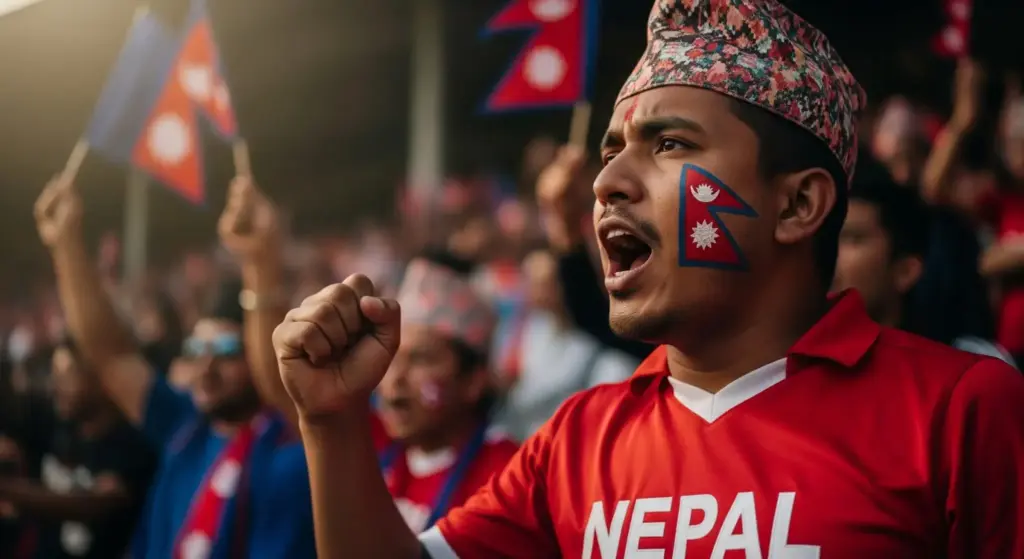
Football Nepal 2026 is not polished enough for easy celebration. That is exactly why it is interesting. The domestic game has emotion, history, and street-level loyalty, but it also carries calendar disruption, club frustration, and uneven media coverage. The National League 2082 began in January 2026 after a long absence of regular top-level domestic football, and that return gave fans something concrete again: teams, tables, arguments, missed chances, late goals, and names to remember.
Football’s growth in Nepal now depends on two forces moving in tandem. The first is domestic repair: leagues, clubs, youth systems, venues, and federation planning. The second is international influence: European football, Indian football, FIFA content, mobile clips, and tactical language pouring into the country every day.
Domestic Football Needs Rhythm Before Romance
Nepal football league coverage often gets trapped between optimism and complaint. Both are fair. Supporters want the local game to grow, but they also know a league cannot build trust if calendars keep shifting.
ANFA’s National League 2082 started at the ANFA Complex on January 14, 2026. The Kathmandu Post reported that the competition came after 947 days without domestic league football. That number is brutal. It tells the story better than any slogan.
Players need regular matches to develop. Clubs need fixtures to sell sponsorship. Fans need repetition to build habits. Without rhythm, football becomes an occasional festival rather than a weekly culture.
International Football Has Raised the Standard
Nepali fans now watch football with a sharper eye because global football is everywhere. Premier League highlights, Champions League tactical clips, Indian Super League coverage, and World Cup content shape expectations. A supporter in Kathmandu can spot a poor pressing structure because he has seen five better versions of it before breakfast.
That creates pressure on local clubs. Fans want cleaner build-up play, faster transitions, better set pieces, and stronger media output. They are not asking for Manchester City. They are asking for visible improvement.
International influence also helps young players dream more clearly. The path is still difficult, but the reference points are wider. Fitness, nutrition, video analysis, and position-specific training are no longer abstract ideas.
Live Streaming Is Now Part of League Development
Live football streaming Nepal is not only about access. It is about legitimacy. A match that cannot be watched, clipped, or shared disappears quickly from public memory. A streamed match, even with modest production, gives clubs and players a digital afterlife.
Domestic football should treat streaming as infrastructure. Score graphics, team sheets, replay clips, and post-match interviews help fans stay connected. They also help scouts, sponsors, and diaspora supporters follow the game without depending on rumor.
Football fan culture Nepal already wants this. The audience exists in Facebook comments, YouTube chats, TikTok clips, and Messenger groups. The sport must meet them there.
Casino Apps Sit Beside Sports in Mobile Entertainment
Mobile entertainment habits in Nepal do not fit neatly into boxes. A user may watch football highlights, check a cricket score, play a short game, and return to a group chat in the same half hour. In that wider leisure context, a Nepali casino app falls on the casino side of the ecosystem, where users look for slots, live-dealer tables, quick games, and bonus sections rather than match odds. The useful distinction is category control: casino play depends on RNG mechanics, game volatility, session length, and bankroll limits, not team form or injuries. A clear mobile interface matters because short casino sessions can become careless when menus are confusing. Better users treat casino apps as structured entertainment, with limits set before the first spin.
This casino context should not be mixed lazily with football analysis. Football betting follows match data. Casino gaming follows mathematical game design. Both may live on the phone, but they ask different questions of the user.
The Club Story Is Still Underdeveloped

Nepal has clubs with history, but too many of them remain digitally thin. A club should not exist online only on matchday. Fans need training footage, youth-team updates, player interviews, injury notes, and simple tactical explanations.
Football fan culture in Nepal becomes stronger when supporters know personalities. A goalkeeper returning from injury. A winger promoted from youth football. A coach explaining why he changed the formation. These details turn clubs into stories.
The missed opportunity is obvious. Global football teaches fans to follow content every day. Nepali clubs can adopt the same practice on a smaller scale, with greater authenticity and lower production costs.
Betting Around Football Follows Information Quality
Football betting works best when fans can read the match before reading the odds. Team news, pitch condition, recent form, travel fatigue, suspensions, and tactical matchups matter. A good bettor asks why the price moved, not only whether it moved.
During a busy football weekend, Melbet becomes relevant for users who follow multiple competitions and want live markets, pre-match odds, and quick access on mobile. The attraction is the depth of coverage across local interest, regional football, and international fixtures. Still, every market contains margin, and bankroll discipline matters more than confidence after one good prediction. Football rewards patience because most matches turn on small, ugly details: a tired full-back, a loose clearance, a yellow card nobody planned for.
For Nepal’s football audience, this data layer will grow as streaming improves. More visible matches create better-informed fans. Better-informed fans create more serious betting behavior.
The Future Is Not Smooth, But It Is Searchable
Football Nepal 2026 will not become stable overnight. Clubs will still complain. Fans will still mock the bad organization. Streams will still fail at the worst possible moment. But the sport has something valuable: a restless audience that keeps returning even after being disappointed.
That audience now searches, shares, clips, and argues year-round. It watches global football with one eye and domestic football with the other. Somewhere inside that split-screen habit, Nepali football has room to become sharper, louder, and harder to ignore.