
For many years, wellness routines have focused on the familiar essentials: healthy eating, regular exercise, mindfulness practices and quality sleep. More recently, however, a growing number of women have begun paying closer attention to another aspect of wellbeing that often goes unnoticed—hair health.
While hair care has traditionally been associated with shampoos, conditioners and styling products, many women are now recognising that what happens during sleep can be just as important as what happens during the day.
As awareness grows around the effects of friction, moisture loss and overnight hair damage, hair protection is increasingly becoming a regular part of modern night-time wellness routines. Rather than viewing hair care as a separate beauty concern, many women are incorporating it into a broader approach to self-care and long-term wellbeing.
According to advocates of preventative hair care, simple habits such as using a silk bonnet for overnight hair protection can help support healthier hair while complementing other wellness-focused bedtime practices.
The Evolution of Night-Time Wellness
Over the past decade, bedtime routines have undergone a significant transformation.
For many people, evenings are no longer simply a time to prepare for sleep. They have become an opportunity to slow down, disconnect from daily stresses and engage in activities that support physical and mental wellbeing.
Popular night-time wellness habits now include:
- Skincare routines
- Reading before bed
- Meditation and mindfulness
- Limiting screen time
- Creating a calming sleep environment
- Establishing consistent sleep schedules
These habits are designed to promote better rest while encouraging healthier long-term lifestyle patterns.
Increasingly, hair care is becoming part of this conversation.
Why Sleep Matters for Overall Wellbeing
Sleep plays a critical role in nearly every aspect of health.
During sleep, the body undergoes important restorative processes that support physical recovery, cognitive function and emotional wellbeing.
Quality sleep contributes to:
- Improved concentration
- Better mood regulation
- Hormonal balance
- Physical recovery
- Immune function
Because sleep is so closely connected to overall health, many people are becoming more intentional about creating environments and routines that support better rest.
This growing focus on sleep has naturally led to greater awareness of everything that happens during the hours spent in bed—including what happens to hair.
What Happens to Hair While We Sleep?
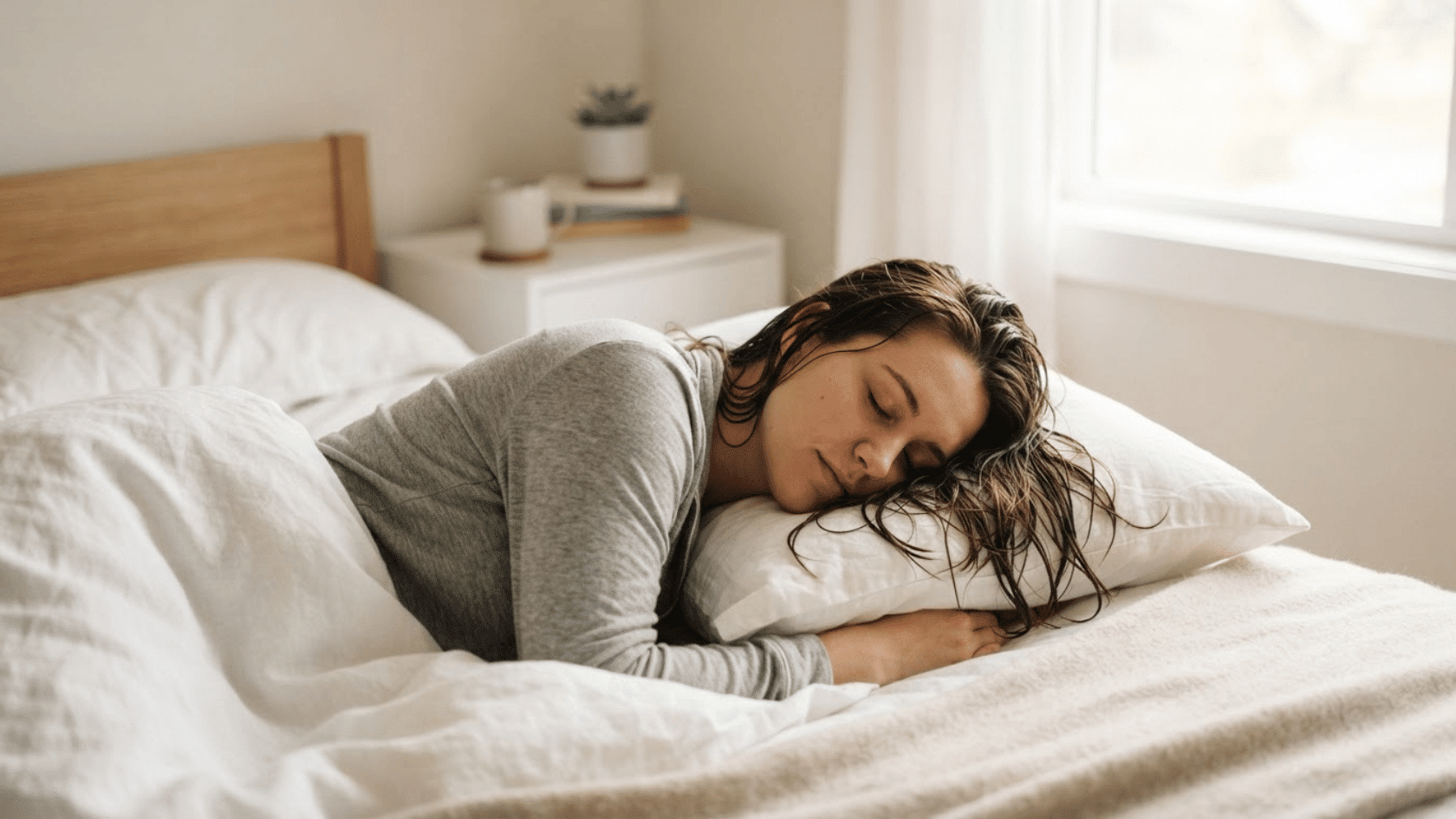
Most people spend approximately one-third of their lives sleeping.
During this time, hair experiences repeated contact with bedding and other surfaces. As people move throughout the night, strands are subjected to friction that can gradually contribute to wear and tear.
For individuals with long, curly, colour-treated or naturally fragile hair, this can lead to:
- Frizz
- Tangling
- Dryness
- Breakage
- Split ends
- Loss of definition
Because these effects develop gradually, many people fail to connect them to their sleep environment.
However, growing awareness of overnight hair damage has encouraged many women to reconsider their bedtime habits.
The Shift Towards Preventative Hair Care
Historically, much of the beauty industry focused on repairing damage after it occurred.
Conditioning treatments, masks and restorative products remain valuable tools, but consumers are increasingly interested in preventative strategies.
This mirrors broader wellness trends.
Rather than waiting for problems to develop, many people now prioritise habits that help support long-term health and resilience.
Examples include:
- Daily movement
- Balanced nutrition
- Stress management
- Consistent sleep routines
Hair protection fits naturally within this philosophy.
By reducing unnecessary stress on hair fibres during sleep, women are taking proactive steps to support healthier hair over time.
Self-Care Is About More Than Appearance
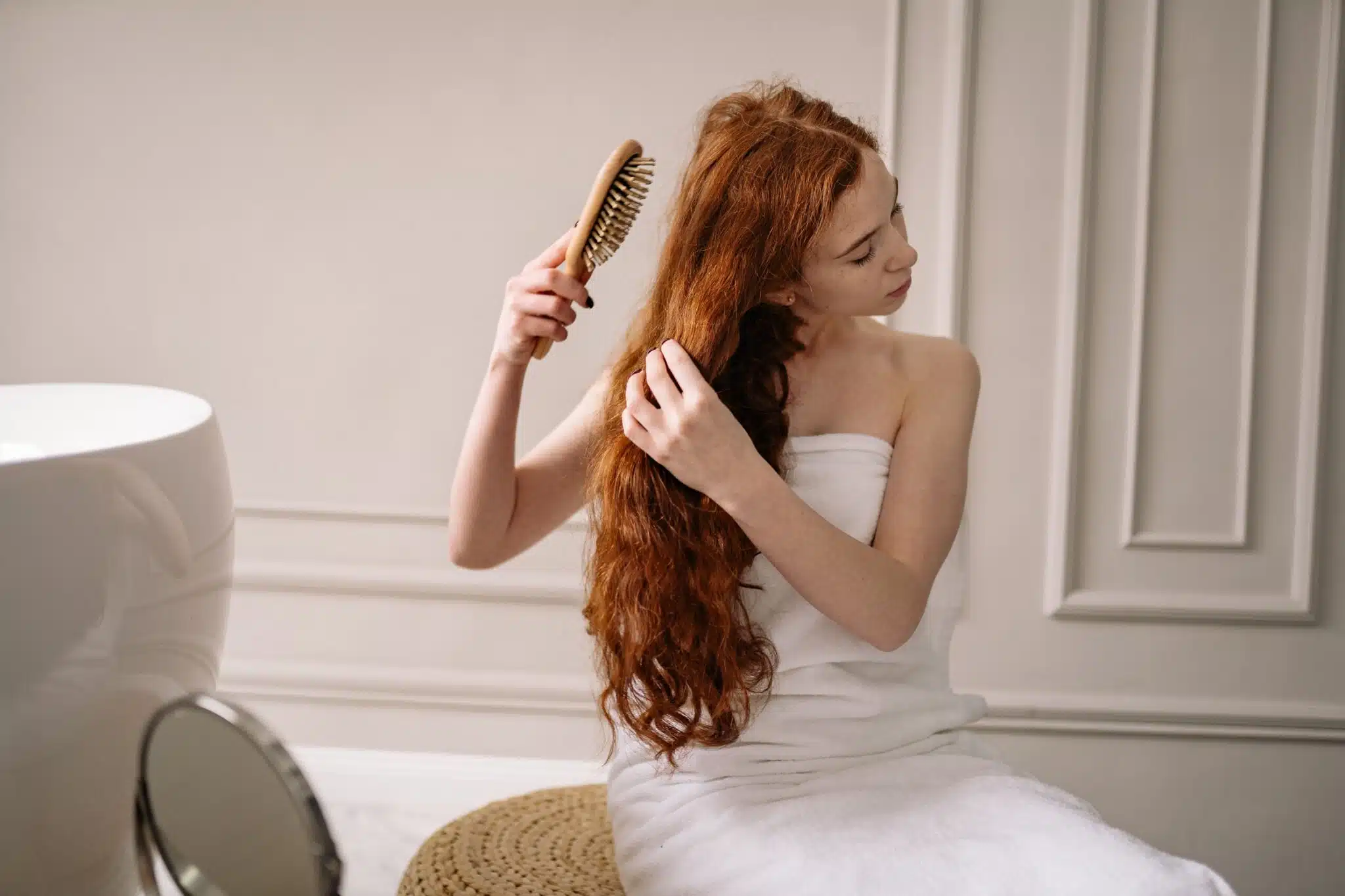
One reason overnight hair protection has become more popular is that modern self-care is no longer solely focused on appearance.
Today, self-care is often viewed as a collection of small daily practices that support confidence, comfort and wellbeing.
These practices may include:
- Taking time to unwind
- Creating healthy routines
- Prioritising rest
- Looking after physical health
Hair care often contributes to how people feel about themselves.
For many women, waking up with manageable, healthier-looking hair can simplify morning routines and reduce the need for excessive styling.
In this way, overnight hair protection becomes part of a larger commitment to caring for oneself.
The Connection Between Hair Health and Sleep Environments
Sleep experts frequently discuss the importance of creating an environment that supports restful sleep.
Common recommendations include:
- Comfortable bedding
- Appropriate room temperature
- Reduced noise levels
- Consistent lighting conditions
Increasingly, discussions around sleep environments are also extending to beauty and personal care.
Many women are evaluating how fabrics, bedding materials and overnight habits affect not only sleep quality but also hair and skin health.
This broader perspective reflects a growing understanding that wellness is often influenced by multiple interconnected factors.
Why Simplicity Is Driving the Trend
One of the reasons hair protection has become such a popular addition to bedtime routines is its simplicity.
Unlike complex beauty regimens that require significant time and effort, overnight hair protection can often be incorporated into existing routines within seconds.
This simplicity appeals to busy women seeking practical ways to support their wellbeing without adding unnecessary complexity to their lives.
The most sustainable habits are often the easiest to maintain, which helps explain why many women are embracing small nightly rituals that fit seamlessly into their schedules.
Social Media Has Increased Awareness
Platforms such as TikTok, Instagram and YouTube have played an important role in bringing overnight hair care into mainstream conversations.
Beauty professionals, hair specialists and everyday consumers regularly share experiences related to:
- Frizz reduction
- Hair breakage prevention
- Curl maintenance
- Protective styling
- Night-time hair care routines
These discussions have encouraged greater awareness of the cumulative impact of daily habits.
Rather than searching for quick fixes, many women are becoming more interested in long-term strategies that support healthier outcomes.
Wellness Trends Continue to Evolve
Modern wellness is increasingly focused on prevention, consistency and sustainability.
Consumers are moving away from extreme approaches and embracing habits that can be maintained over the long term.
Hair protection aligns perfectly with this shift.
It requires minimal effort, fits naturally into existing routines and supports broader self-care goals.
Much like applying moisturiser before bed or practising mindfulness for a few minutes each evening, overnight hair protection has become another small ritual that contributes to a sense of wellbeing and self-care.
Looking Ahead
As interest in wellness continues to grow, it is likely that more women will begin viewing hair protection as a natural extension of their night-time routines.
The connection between sleep, self-care and personal wellbeing is becoming increasingly clear, and consumers are recognising that small habits often produce meaningful long-term benefits.
While no single product or routine can guarantee perfect hair, the growing popularity of overnight hair protection reflects a broader shift toward preventative care and mindful living.
For many women, protecting their hair while they sleep is no longer simply a beauty trend. It has become part of a holistic approach to wellness—one that values consistency, comfort and healthy habits that support both confidence and wellbeing over time.