In the realm of wellness, convenience has moved beyond being a mere luxury. More often than not, it is what determines if healthy habits can last amidst busy schedules.
While juggling work, family, and daily chores, people are progressively opting for time-saving ways that do not compromise their well-being. This trend is giving a new shape to the wellness sector, which hit $6. 8 trillion worldwide in 2024 and is still expanding at an amazing speed.
Wellness Works Better When It Fits Real Life
Many times, health-related goals don’t get achieved just because of one reason — they usually need more time, effort, and planning than what life normally can provide. Even if you start off very motivated, the usual work pressure, family responsibilities, and other sudden changes will most likely affect your consistency.
If you make wellness more accessible, you are somehow removing those obstacles and, at the same time, making it easier for people to keep up with their habits. This is the reason why a lot of people nowadays are reconsidering their self-care routines and going for the steps that are practical enough to be performed as a part of their day-to-day life, rather than the strict ones that quickly disappear.
The New Definition of Self-Care
Wellness in the past was mostly correlated with luxurious experiences, costly retreats, or exclusive programs. Nowadays, most people perceive wellness as something that need not be constricting.
You can have nutritious food delivered any time, exercise with online classes, check your sleep quality with sleep tracking devices, and even find mental health support while staying at home. These options make one think that wellness is a thing one can achieve, not a fear-provoking thing.
For one thing, worldwide studies on wellness demonstrated that mental wellness is one of the fastest-growing segments of the industry. However, consumers are increasingly looking for realistic stress-reduction solutions that they can “conveniently” integrate into their normal daily activities.
Healthcare Is Moving Closer To You
Healthcare is one of the most evident examples that convenience is what mainly defines modern wellness these days. You do not have to go to clinics every time you have a problem, as telehealth, digital prescriptions, and remote consultations will help you save time and give you better access to healthcare. A telehealth consultation connects you with a GP or specialist from home, removing the need to travel or wait for an in-person appointment.
Going through the obstacles of travel and making arrangements becomes something that just disappears. Medicine-taking has also changed a lot with the introduction of services like Kiwi Drug online pharmacy, facilitating easier and local handling of prescriptions. This conversion in the notion of convenience is even going global, turning it into a part of preventive health care rather than just providing luxury.
Less Friction Creates Better Habits
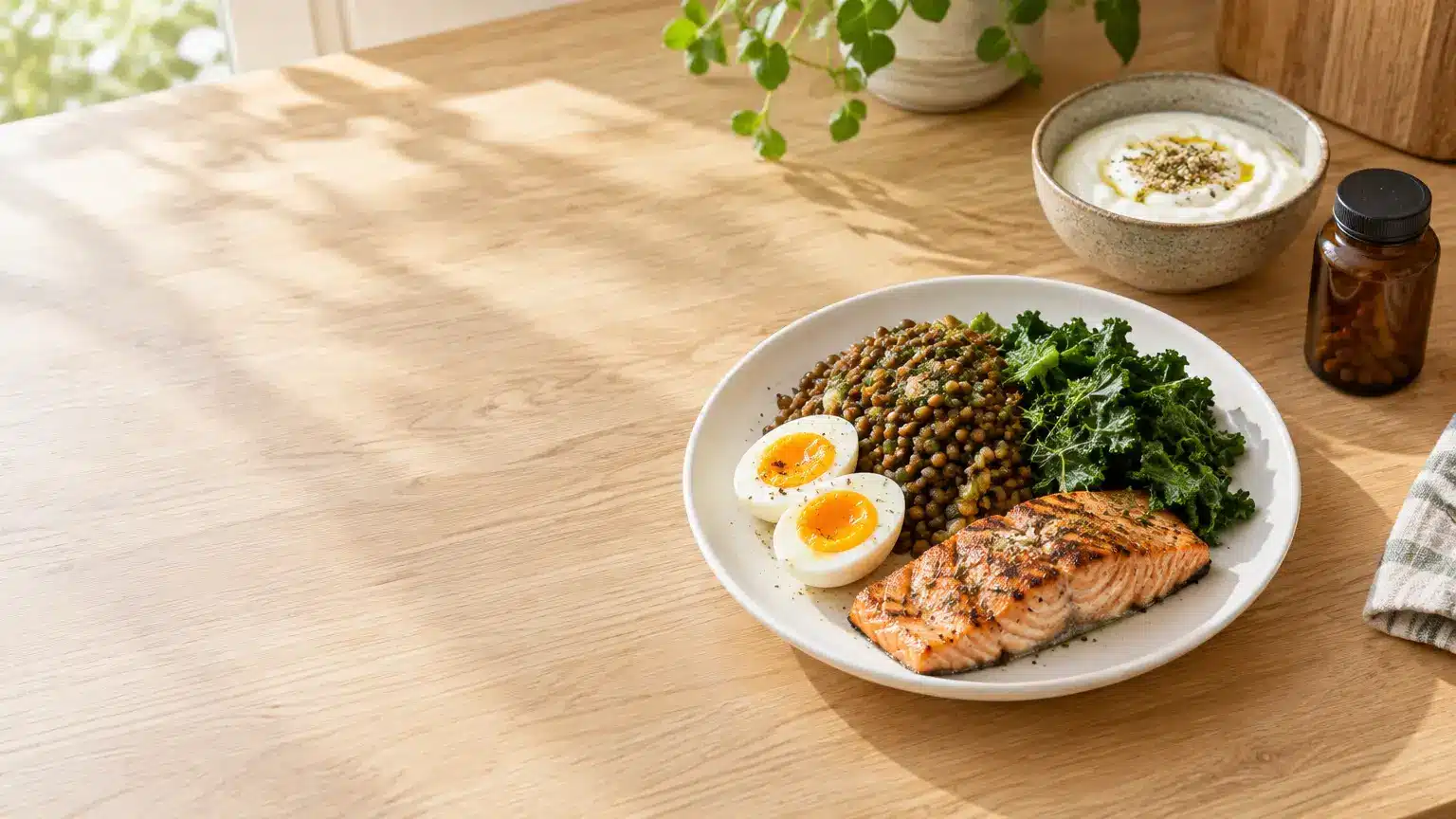
Each additional step that separates you from a healthy option slightly increases the possibility that you will postpone or even ignore it. If a nutritious diet takes a lengthy shopping trip, then the more convenient choice becomes fast food.
And if the planning of care seems complicated, then you might end up delaying it. Making things more straightforward leads to more people going for it, which is why wellness companies are currently prioritizing designing for simplicity.
Technology Helps Wellness Feel Personal
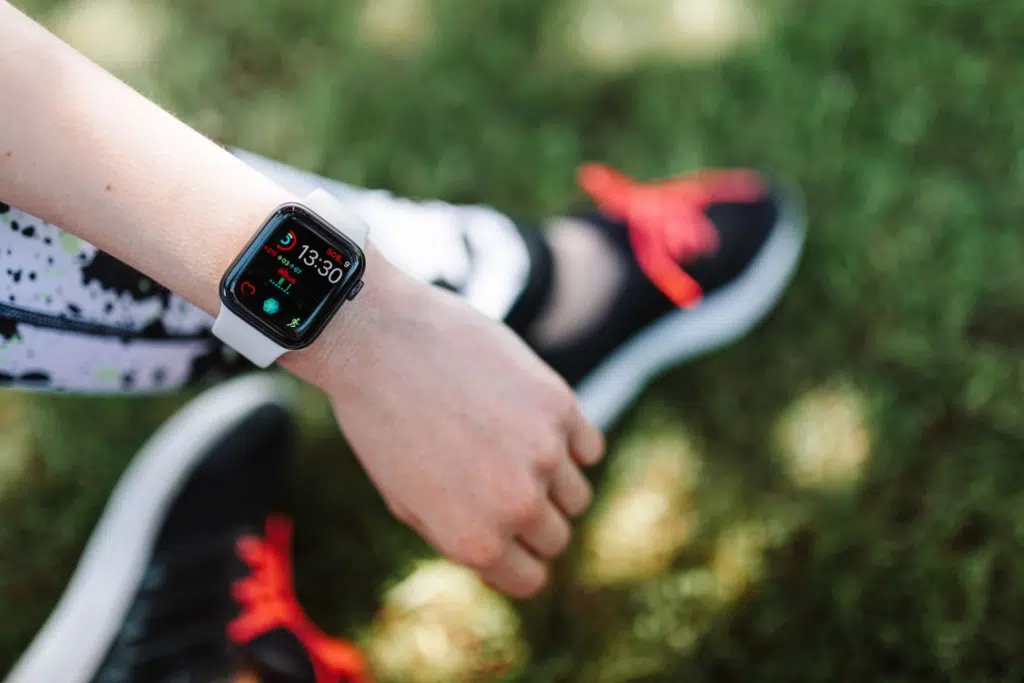
Convenience today is not just about speed. It is also about personalization. Fitness trackers these days not only count your steps but also can suggest exercises that fit your fitness level.
Besides reminding you to get up and move, they can record your health stats and propose changes aligned with your objectives. These tailored experiences will steer you away from being bombarded with unnecessary information and enable you to concentrate on the most important activities. As a result, wellness feels less like following generic advice and more like having guidance designed specifically for your lifestyle.
The Future Of Wellness Starts With Simplicity
The biggest wellness trend is not a supplement, workout, or gadget. It is making healthy choices easier to maintain.
Make wellness easy, and it will be almost natural for you to keep the momentum, lower stress, and form habits that will be here to stay. To improve your health outcomes, focus on finding ways to make your day-to-day routine simpler. The more straightforward it is for wellness to be part of your lifestyle, the stronger the chances are of it sticking around.