
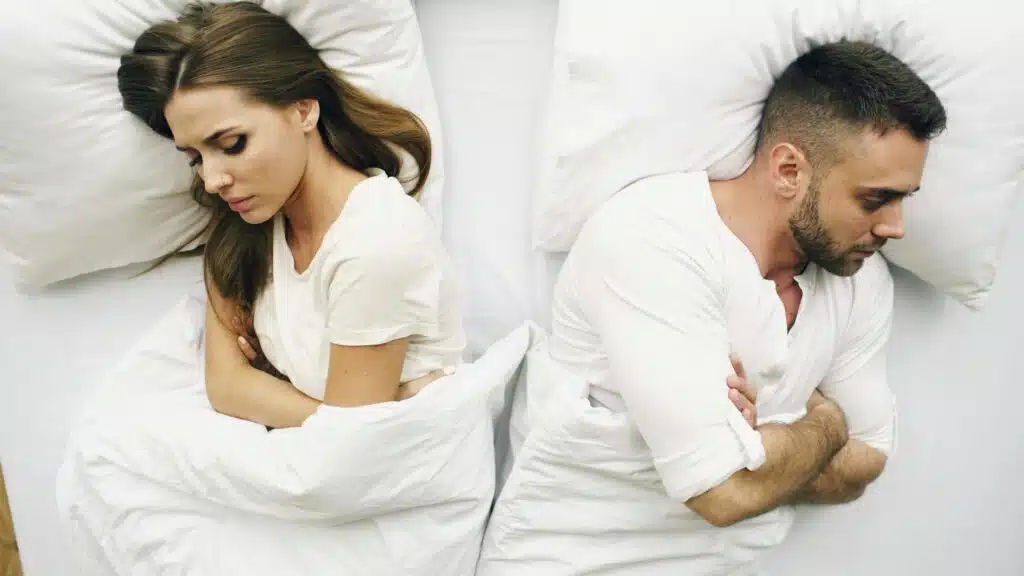
For decades, the shared marital bed was treated as the default arrangement for couples in long-term relationships. Sleeping in the same room, on the same mattress, throughout the night was considered both a marker of intimacy and a practical default for most households.
More recently, a different arrangement has started gaining visibility. Sleep divorce — the practice of partners intentionally sleeping in different beds or rooms to protect sleep quality — has shifted from an unusual choice into a mainstream behaviour, particularly across North America and parts of Europe. Sleep separation is the broader clinical term; sleep divorce is the one that has caught on publicly, and it is increasingly how couples describe it to each other and to their doctors.
This shift is not about marital dissatisfaction. Sleep researchers, clinicians, and hospitality designers have increasingly observed that couples who sleep apart often report better rest, lower physical fatigue, and steadier daytime moods. As the wellness team at My Balanced Space has put it, “the home is increasingly designed around how people actually rest, rather than around how relationships are traditionally expected to look — and sleep is one of the first parts of that shift.”
The practical incompatibilities driving sleep divorce are mostly physical: different schedules, snoring, restless movement, temperature preferences, and noise sensitivities. Across surveys conducted between 2024 and 2026, a growing share of adults in committed relationships have reported sleeping in another bed or another room at least some of the time, to protect sleep quality rather than to signal emotional distance.
Sleep Divorce Has Moved Into the Mainstream
Recent data suggests that sleep separation is now widely practised across age groups, though the trend is concentrated most heavily among working-age adults.
A 2025 American Academy of Sleep Medicine survey of more than two thousand adults in the United States found that around 31% of respondents had opted for some form of sleep divorce. Adults between the ages of 35 and 44 reported the highest rates, with 39% sleeping apart from a partner at least some of the time. Adults aged 65 and older reported the lowest rates, at roughly 18%.
A further survey by the Sleep Foundation reached similar conclusions, observing that adults who maintained a sleep divorce reported an average of 37 additional minutes of sleep per night compared with the periods during which they shared a bed. Around 53% of those who had tried sleeping apart described improved sleep quality as a direct result — not just more hours, but genuinely better-quality rest.
Other studies indicate that around half of adult couples in the United States now report occasional sleep separation, while smaller subsets practise it on a nightly basis. The pattern is no longer treated as unusual within sleep medicine literature, and the 35-to-44 cohort has remained the most active across successive surveys.
What Sleep Divorce Actually Involves
Sleep divorce describes any arrangement in which two people in a committed relationship intentionally sleep in different beds — sometimes within the same room, sometimes in entirely separate rooms.
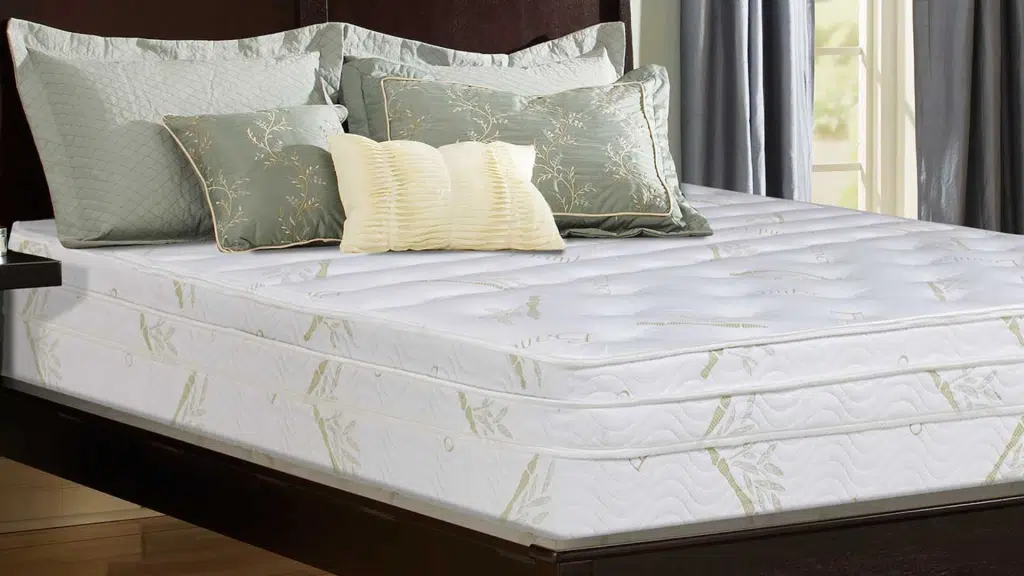
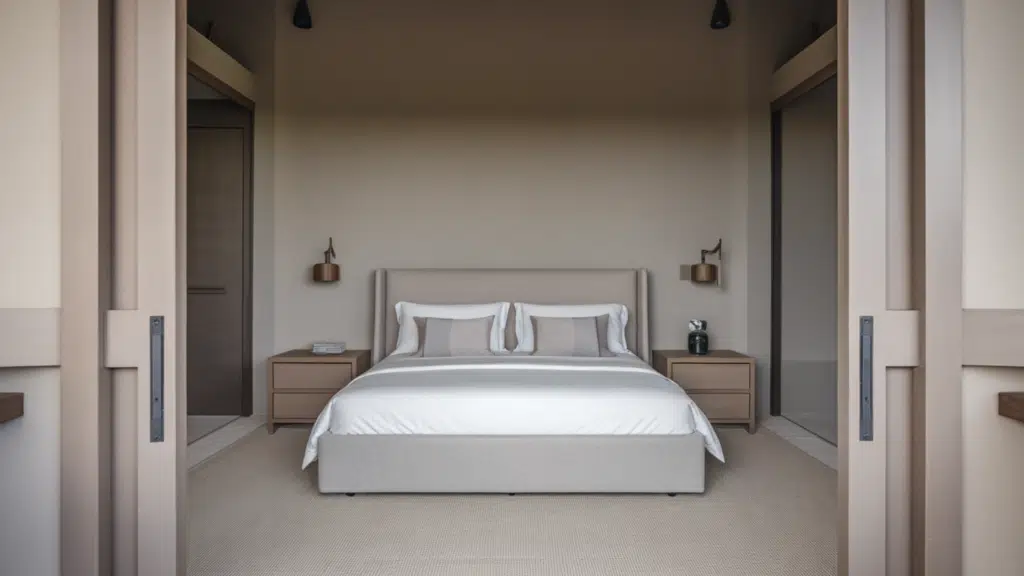
The most common form involves two beds within a shared bedroom, often through a split king setup in which each partner has their own mattress on a unified frame. Other couples sleep in entirely separate bedrooms, while a smaller group alternates between the two: weeknights apart, weekends together, or seasonal stretches during allergy periods or busy work travel.
Clinicians who work with couples on sleep tend to frame the arrangement as a practical sleep decision rather than a sign of relationship dysfunction. The Cleveland Clinic has described sleep separation as a conscious choice to prioritise rest through alternative arrangements, with terms such as “sleep separation” or “alternative sleep arrangements” often preferred to the more dramatic “sleep divorce” label. That preference matters less than it used to. Sleep divorce is how most people search for the topic, how most journalists cover it, and increasingly how couples raise it with each other — so the clinical instinct toward softer language has not really changed the conversation.
Why Couples Are Increasingly Sleeping Apart
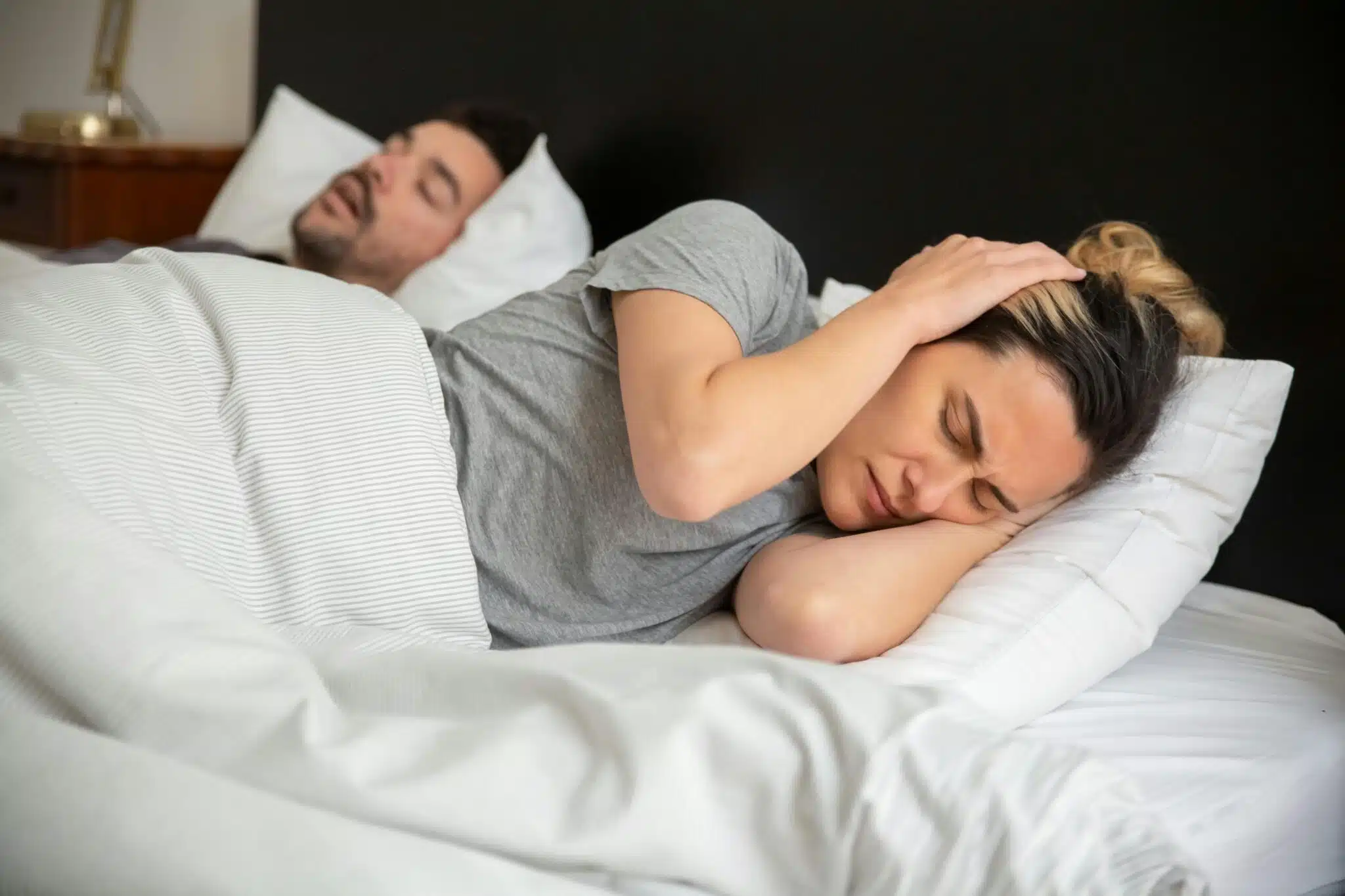
The reasons couples cite for sleeping apart are mostly physical, though workplace stress plays an additional role.
Snoring is the most frequently mentioned factor across surveys. Roughly one in three couples report that a partner’s snoring, loud breathing, or gasping disrupts their sleep, with women reporting these disruptions far more often than men. In many cases, the snoring is associated with obstructive sleep apnea, a condition that remains widely undiagnosed across the adult population.
Different sleep schedules are the second major driver. Night-shift workers, early-rising professionals, new parents handling overnight feedings, and couples where one partner is a confirmed night owl all describe schedule mismatches as a recurring source of disrupted rest.
Chronotype mismatch sits close to schedule differences but is its own issue. Chronotype describes your biological preference for early or late sleep-wake times, and it is largely fixed by genetics. When a natural early riser shares a bed with a natural night owl, one of them is always going to bed too early or lying awake too late. Sleep medicine researchers who work with sleep-divorced couples point to chronotype incompatibility as one of the most common and least discussed reasons couples struggle in a shared bed — because unlike snoring or temperature, there is no device or treatment that changes someone’s chronotype.
Temperature mismatches are another widely cited issue. Couples where one partner runs significantly hotter at night than the other often struggle to find a single bedding configuration that suits both. Restless legs syndrome, frequent bathroom visits, and sleepwalking add to the list, each capable of producing the kind of fragmented sleep that compounds across multiple nights for the non-affected partner.
Noise and light preferences also play a role. Some sleepers require pitch-black rooms and white noise; others prefer soft ambient sound and dim lighting. Pets and young children in the bed add a further layer of physical disturbance that some couples find easier to manage through separation.
Workplace anxiety has also become a recurring contributor. The pattern commonly described as the Sunday Scaries — a persistent Sunday-evening dread reported by many working adults — has been linked to slower sleep onset and more middle-of-the-night waking, while ongoing economic uncertainty has raised baseline anxiety in many households. When one partner lies awake running through professional worries, the disturbance frequently spreads to the other regardless of intent, which has made separated sleep spaces appealing to couples otherwise unaffected by snoring or temperature mismatches.
The Case for Sleeping Apart
Research on couples who maintain sleep divorce has produced several consistent findings.
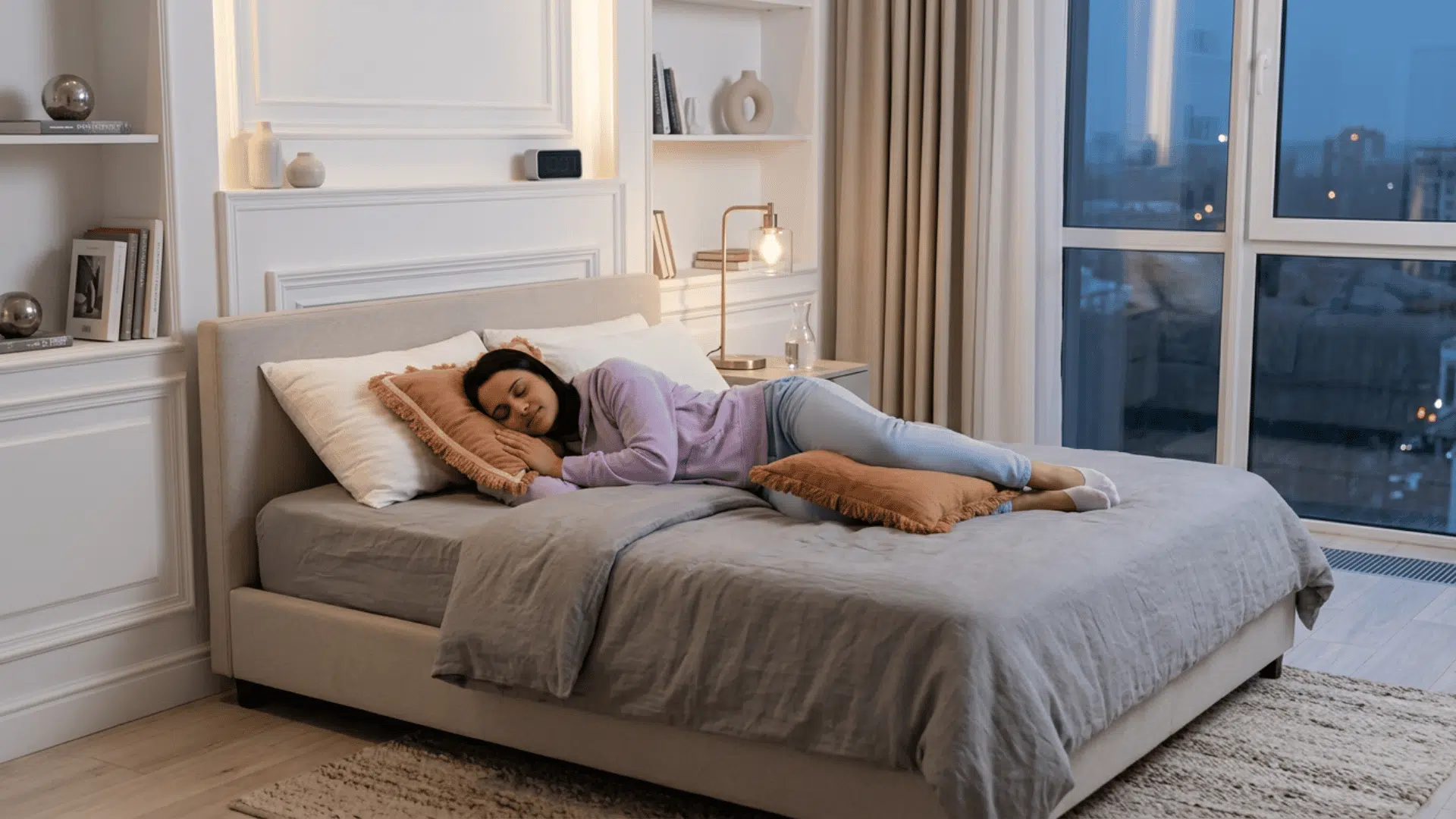
The most prominent is the additional sleep duration. Adults who sleep apart from a partner average more than half an hour of extra sleep per night, which adds up to several hours across a week and the equivalent of multiple full nights across a year. For couples who have lost rest to a partner’s snoring or movement over long stretches, those recovered hours often reverse the symptoms of longer-term sleep deprivation.
The disruption data makes this easier to understand. Research from a behavioural sleep medicine clinic found that healthy sleepers sharing a bed wake each other an average of 5.5 times per night. That figure rises to around 7 times per night when one partner has insomnia, and climbs to 9 or more times per hour when sleep apnea is present. Most of these wakeups are brief enough that neither partner remembers them in the morning — but they are degrading sleep quality regardless, which is why the benefits of sleeping separately show up so clearly in the data.
Mental health outcomes tend to improve alongside better sleep. Sleep researchers have repeatedly linked steadier sleep continuity with reductions in anxiety, irritability, low mood, and stress reactivity. When one partner finally sleeps through the night undisturbed, the daytime effects show up quickly: calmer mornings, fewer fatigue-driven arguments, and steadier energy through the working day.
Relational patience also tends to improve. Couples who routinely sleep poorly together report higher conflict frequency, and when rest improves, that friction decreases. The sex life question — which is the concern couples most often raise when first discussing sleep divorce — tends to resolve when both partners are better rested.
Therapists who work with sleep-separated couples often point out that physical intimacy becomes more intentional in this arrangement, planned rather than incidental, and the planned version frequently produces stronger encounters than the half-asleep alternative typical of chronically tired couples. The structural change does not reduce intimacy; it changes when and how couples pursue it.
Personal space and environmental control complete the picture. Each partner can set their own temperature, lighting, mattress firmness, and bedtime routine without compromise, producing a sleep environment tuned more precisely than a shared room typically allows.
What Sleep Divorce Costs You
Sleep divorce carries trade-offs, and clinicians working with couples have been blunt about them.
The most frequently cited concern is the loss of incidental physical closeness. Sharing a bed produces dozens of small moments of contact across a night: a leg brushing against a leg, a hand placed across a shoulder, a morning embrace. When those moments are removed, couples must replace them deliberately — and those who do not often report a gradual cooling of physical connection over time.
Sleep physiology research has also linked shared bedding with patterns of synchronised brainwave activity that may contribute to relational bonding. The evidence remains an active area of study, but the synchronisation effect has been raised as a genuine counterpoint to an unqualified endorsement of separation.
Intimacy patterns can also shift in unintended ways. For some couples, the structural barrier of separate rooms reduces opportunities for spontaneous physical connection, particularly when neither partner is inclined to plan intimacy in advance. The arrangement rewards couples who communicate openly about what they want and when; it tends to disadvantage couples who rely on proximity to initiate.
Social and emotional dimensions also factor in. Despite growing acceptance, sleep divorce still attracts occasional misinterpretation — from extended family, friends, or the couple themselves. Loneliness is another reported outcome, particularly during the early weeks of separation. Survey data has consistently shown that around a quarter of couples who begin sleeping separately later return to shared beds, most often because they simply missed each other.
Practical costs also play a role. Two beds, two sets of bedding, and in some cases an entire additional furnished bedroom add up to real expense, particularly given that a quality mattress typically lasts between seven and ten years.
Alternatives to Try Before Sleeping Apart
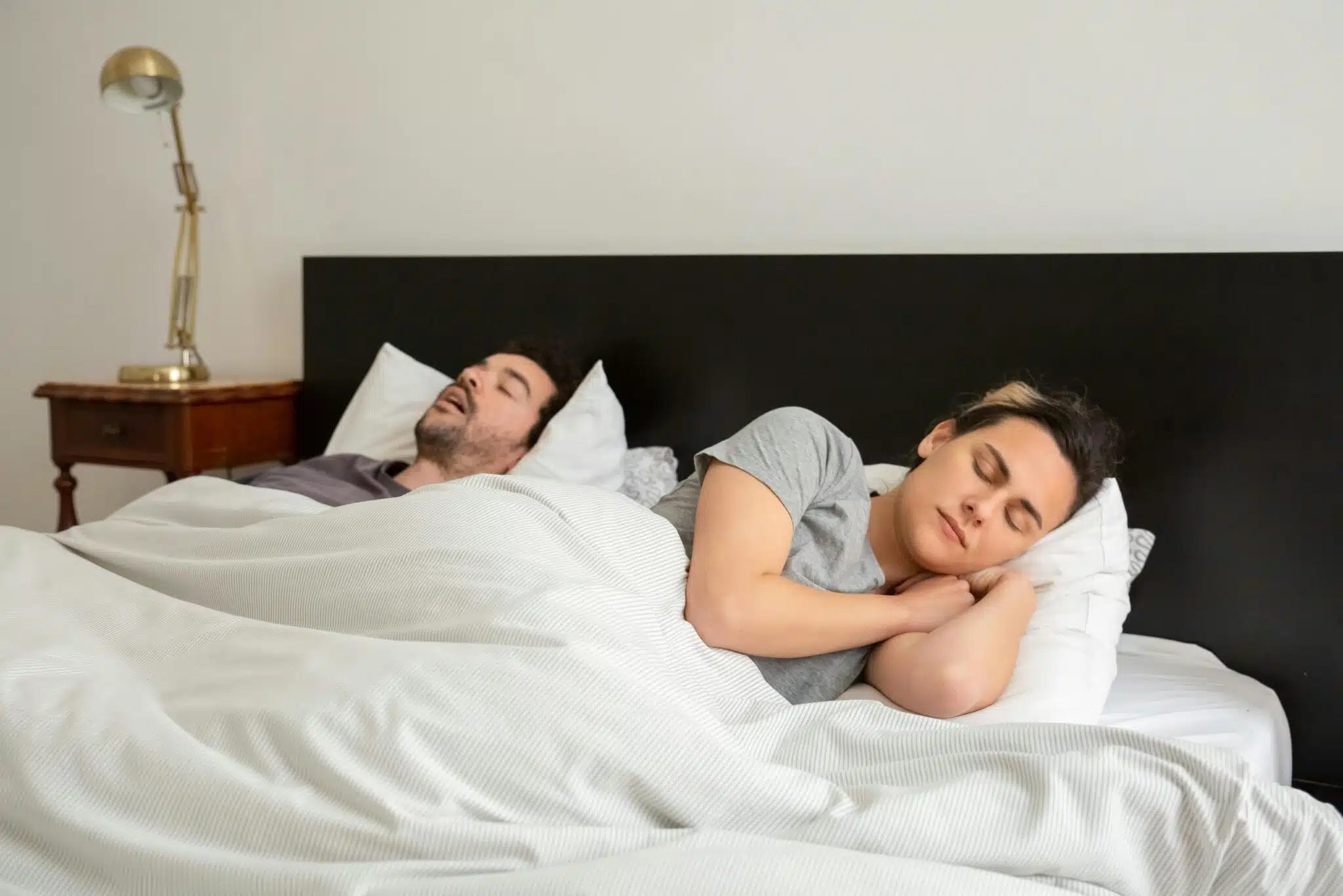
Sleep specialists frequently recommend smaller adjustments before couples move into full separation. Often, those adjustments resolve the underlying issue entirely.
Medical evaluation is often the first recommended step, particularly when snoring is the central concern. Heavy or sudden snoring frequently reflects an underlying condition, and identifying why a partner might begin snoring suddenly often leads to treatment that restores shared sleep without further structural changes.
Mattress configuration is another common intervention. Split adjustable beds allow each partner to set their preferred firmness and base position while remaining within the same bed frame. Head elevation on one side often reduces snoring, while motion isolation reduces the impact of restless movement on the other partner.
Separate duvets within a shared bed — widely known as the Scandinavian sleep method — give each partner their own covering rather than a shared one. This solves temperature and blanket conflicts without any change to the sleeping arrangement itself. For couples whose main friction is the overnight tug-of-war over bedding, it often closes the problem entirely.
Earplugs, eye masks, and white noise machines remain effective for many couples, particularly where snoring and ambient light are the primary disruptors. Staggered bedtimes work well for couples whose schedules differ widely.
Direct treatment of insomnia is another widely recommended step. Cognitive behavioural therapy for insomnia and structured routines such as the 10-3-2-1-0 method are often more effective than couples expect, and addressing underlying sleep difficulties can resolve issues that would otherwise be displaced onto the relationship itself.
How to Raise the Conversation
Couples therapists who work with sleep-separated households tend to recommend a similar communication framework.
Conversations are most successful when framed around shared rest and shared wellbeing rather than individual complaint. Language that focuses on collective sleep patterns, mutual fatigue, and joint problem-solving tends to produce less defensive responses than language centred on a partner’s specific habits. The difference between “you keep me awake” and “we haven’t both been sleeping well” is small on paper and considerable in practice.
Therapists also recommend treating the arrangement as an experiment rather than a permanent decision. A defined trial period of several weeks, rather than an open-ended transition, allows both partners to evaluate the change with less emotional weight. Regular check-ins during the trial help surface concerns before they accumulate.
Couples who approach the conversation with curiosity rather than confrontation often discover that both partners had been considering the topic independently — which transforms what could be a difficult exchange into a shared planning conversation.
What Makes Sleep Separation Work Long-Term
Sleep specialists who follow couples over time have observed several consistent habits among those whose separation arrangements continue successfully over years.
Both spaces are maintained at a comparable level of comfort. Neither partner sleeps in an environment that feels secondary or punitive. Both beds are properly outfitted, both rooms maintain a calm atmosphere, and both partners participate in decisions about layout and ambiance.
Deliberate daytime closeness becomes a structural feature of the relationship. Morning coffee together, evenings on a shared sofa, walks after dinner, and unhurried weekend mornings replace the incidental closeness once provided by shared sleep.
Intimacy is treated as something to be planned and protected rather than left to chance. Couples in successful sleep-separated relationships frequently describe reserving time for physical connection, and many report that the intentionality improves rather than diminishes the experience.
Periodic shared nights also feature prominently. Some couples reserve one or two nights per week for sleeping in the same bed, often combined with longer weekend mornings together. The intermittent return to shared sleep helps preserve the rhythms that everyday separation might otherwise erode.
Many successful couples also continue to address the underlying sleep issues that initially prompted separation, whether through ongoing apnea management or through structured approaches to returning to sleep after nighttime waking. Separation is treated as a practical workaround rather than a final answer.
Sleep Divorce Within a Wider Rest Conversation
The growing visibility of sleep divorce runs alongside a wider change in how rest itself is understood within long-term relationships.
Sleep has shifted from a passive nightly habit to a deliberately managed part of physical and mental health. Couples now treat sleep quality as something to be protected rather than endured, and arrangements that once carried social stigma are increasingly ordinary tools for safeguarding it.
Rather than signalling distance, sleep divorce is now recognised as one of several practical choices couples make to stay rested, patient, and connected across the long term. Whether that means separate duvets, staggered bedtimes, or fully separate rooms, the logic is the same: consistent rest matters enough to organise a household around it.