
Sleep technology changed significantly during the last decade. Adjustable beds once focused mainly on mechanical comfort features such as incline positioning, pressure relief, and mobility support. Today, many systems function as connected wellness platforms capable of tracking sleep behavior, monitoring body movement, and integrating with broader digital health ecosystems.
This transformation affects manufacturers, healthcare providers, software developers, sleep researchers, and wellness companies alike. Modern consumers increasingly evaluate sleep products not only through comfort alone but through their ability to support recovery, health monitoring, and long-term physical well-being.
The shift accelerated because connected health technology became more accessible. Wearables, biometric sensors, remote monitoring systems, and mobile health platforms changed how people think about sleep quality itself. Consumers now expect personalized feedback, adaptive functionality, and continuous usability across digital environments.
For professionals and decision-makers working in sleep technology and home wellness products, this creates an important operational challenge. Smart sleep systems must balance comfort engineering with reliable software infrastructure, privacy protection, medical-grade accuracy, and long-term product stability.
Adjustable bed manufacturers increasingly compete inside a broader connected-health ecosystem where usability, reliability, and data integration influence purchasing decisions almost as strongly as physical comfort.
Why Connected Sleep Systems Are Becoming More Advanced
Sleep Monitoring Is Moving Beyond Basic Tracking
Early sleep technologies focused mainly on simple metrics such as movement frequency or estimated sleep duration. Modern systems operate with far greater sophistication.
Many connected sleep environments now track body positioning, heart rate variability, breathing patterns, pressure distribution, and sleep interruption behavior simultaneously. These capabilities increasingly influence how adjustable beds are designed and marketed.
The reason is practical rather than purely technological. Consumers now associate sleep quality directly with physical recovery, cognitive performance, stress regulation, and long-term health outcomes.
Medical software ecosystems accelerated this transformation significantly. Companies working in medical device software development increasingly prioritize interoperability, sensor reliability, secure data handling, and scalable monitoring infrastructure because health-focused systems require stable long-term performance rather than temporary engagement alone. In this environment, Binary Studio demonstrates how modern medical software engineering supports connected healthcare ecosystems through structured development workflows, compliance-oriented architecture, and reliable integration between hardware and digital monitoring systems. The broader lesson for sleep technology manufacturers is highly relevant. Smart sleep systems increasingly succeed when hardware comfort and software reliability operate as a unified experience rather than separate product layers.
This operational shift changes how adjustable bed systems are engineered from the beginning.
Embedded Technology Is Reshaping Product Expectations
Consumers increasingly expect sleep products to behave like intelligent environments rather than passive furniture systems.
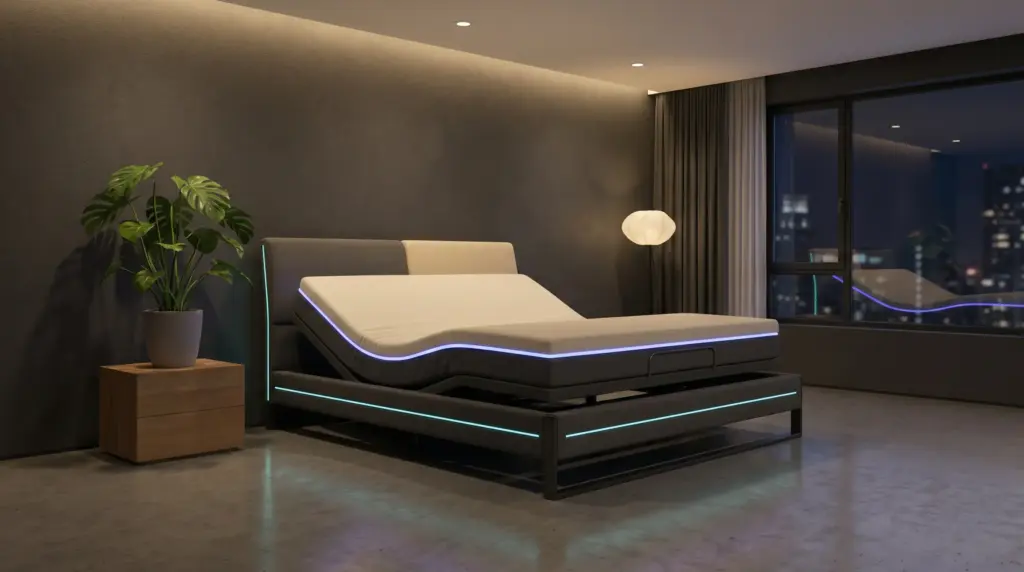
Modern adjustable beds may include app-based controls, programmable positioning presets, anti-snore adjustment systems, biometric feedback integration, and environmental synchronization with lighting or climate systems.
This transformation reflects broader behavioral changes across connected consumer technology.
Users now expect devices to adapt dynamically rather than function statically. However, sleep products create unique operational requirements because comfort systems must remain reliable over extended daily usage cycles.
Entertainment platforms may tolerate occasional instability. Health-oriented sleep systems cannot.
As a result, manufacturers increasingly invest in embedded software quality, sensor durability, firmware stability, and cross-device compatibility.
Several operational priorities consistently influence successful smart sleep systems:
- stable sensor calibration
- reliable mobile synchronization
- intuitive user controls
- secure health data handling
- long-term firmware support
- low-friction usability
These elements matter because sleep technology operates inside highly personal daily routines where reliability strongly influences trust.
Health Awareness Increased Demand for Sleep Data
Public awareness around sleep health expanded dramatically in recent years. Consumers increasingly understand the relationship between recovery quality, chronic stress, physical discomfort, and long-term wellness outcomes.
This awareness changed purchasing behavior.
Customers no longer view adjustable beds only as premium comfort products. Many now see them as wellness infrastructure capable of supporting better recovery and physical regulation over time.
As a result, data visibility became more valuable. Users increasingly want understandable insight into sleep interruptions, positioning habits, breathing irregularities, and movement behavior.
However, information overload creates risk. Poorly organized analytics often confuse users instead of improving wellness awareness.
The strongest sleep systems therefore prioritize clarity over excessive complexity. Data should support decision-making without creating anxiety or cognitive fatigue.
This operational principle increasingly separates effective wellness technology from purely feature-driven consumer electronics.
Connected Ecosystems Changed Expectations Around Accessibility
Modern users expect seamless interaction across devices and environments. Sleep technology therefore increasingly integrates with mobile applications, smart home ecosystems, wearable devices, and health monitoring platforms.
This expectation creates important technical pressure.
Adjustable bed systems must remain usable for diverse audiences, including older adults and users with mobility limitations, while still supporting advanced connected functionality.
Strong product ecosystems solve this challenge through layered usability design. Core features remain simple and accessible, while advanced customization stays available for users seeking deeper control.
This balance becomes strategically important because overly complex interfaces often weaken long-term adoption even when technical capability remains impressive.
What Sleep Product Manufacturers Must Prioritize in Smart Bed Design

Reliability Matters More Than Feature Volume
Many connected consumer products fail because manufacturers prioritize visible features over operational consistency.
Sleep systems operate differently from entertainment devices. Users rely on them daily inside highly personal environments connected to health and physical comfort. Instability therefore weakens trust rapidly.
Strong adjustable bed systems prioritize dependable performance before aggressive feature expansion.
This includes stable motor operation, consistent app synchronization, reliable firmware behavior, and predictable hardware response during long-term usage.
Consumers generally tolerate fewer advanced features more easily than unreliable core functionality.
This operational principle becomes especially important in health-adjacent technology where users associate system stability with personal well-being.
User Interfaces Must Reduce Cognitive Friction
Sleep technology often operates during low-energy periods when users are tired, distracted, or physically uncomfortable. Complex interfaces therefore create disproportionate frustration.
Strong systems prioritize simplified interaction.
Users should quickly understand how to adjust positioning, access sleep insights, activate presets, or modify settings without navigating dense menus or confusing workflows.
Several usability principles consistently improve long-term adoption:
- clear visual hierarchy
- predictable interaction patterns
- accessible control systems
- readable mobile interfaces
- fast-response functionality
These operational choices improve customer satisfaction because they reduce cognitive effort during repeated daily interaction.
Technology should support comfort rather than complicate it.
Privacy and Data Security Became Strategic Concerns
Modern sleep systems increasingly collect sensitive biometric and behavioral information. As a result, privacy expectations became significantly more important.
Users now evaluate connected products partly through trustworthiness and data handling transparency.
Manufacturers therefore need stronger security architecture, clear consent systems, reliable encryption practices, and transparent communication regarding data usage.
This issue extends beyond regulatory compliance. It directly influences brand credibility.
Consumers often hesitate to adopt connected wellness technology when privacy policies appear vague or excessively invasive. Strong privacy communication therefore improves both trust and long-term retention.
As connected sleep systems continue to collect and transmit sensitive health and behavioural data, many consumers are looking for additional ways to safeguard their online privacy. Using a free VPN download can help encrypt internet traffic when accessing sleep-tracking platforms and other connected wellness services.
Long-Term Comfort Still Determines Product Success
Technology alone does not define successful sleep systems. Physical comfort remains foundational.
Some manufacturers focus heavily on connected features while underinvesting in ergonomic quality, material durability, and long-term pressure management. This creates imbalance because users ultimately judge products through sustained physical experience.
Strong adjustable bed systems therefore integrate digital functionality around core comfort engineering rather than replacing it.
This includes attention to spinal alignment, pressure distribution, motion isolation, adjustability precision, and durability across extended use cycles.
Connected technology should enhance recovery quality, not distract from it.
Interoperability Will Become Increasingly Important
Connected wellness ecosystems continue expanding rapidly. Consumers increasingly expect devices to communicate across broader health and smart-home environments.
Adjustable beds therefore benefit from interoperability planning early in product development.
Compatibility with wearable devices, sleep-tracking platforms, smart lighting systems, and home automation environments increasingly influences perceived product value.
However, interoperability should remain purposeful rather than excessive. Integration improves usability only when it creates meaningful operational advantages.
The strongest ecosystems therefore prioritize functional compatibility rather than feature accumulation alone.
Conclusion
Smart sleep technology fundamentally changed how adjustable bed systems are designed, evaluated, and integrated into modern wellness environments. Consumers increasingly expect connected products capable of supporting comfort, recovery, sleep monitoring, and health-focused usability simultaneously.
Medical software ecosystems accelerated this transformation by demonstrating how reliable monitoring systems, secure infrastructure, and structured interoperability improve long-term product trust. Sleep technology manufacturers increasingly operate inside similar expectations around stability, usability, and data reliability.
For decision-makers, the strategic direction is increasingly clear. Successful adjustable bed systems now depend on balancing physical comfort engineering with intelligent software architecture capable of supporting modern connected-health environments.
The strongest products will be those that combine ergonomic quality, stable digital infrastructure, intuitive usability, and trustworthy data practices without overwhelming users with unnecessary complexity.
As connected wellness ecosystems continue expanding, adjustable beds will increasingly function not only as furniture products but as integrated recovery systems positioned inside broader health and lifestyle technology environments.