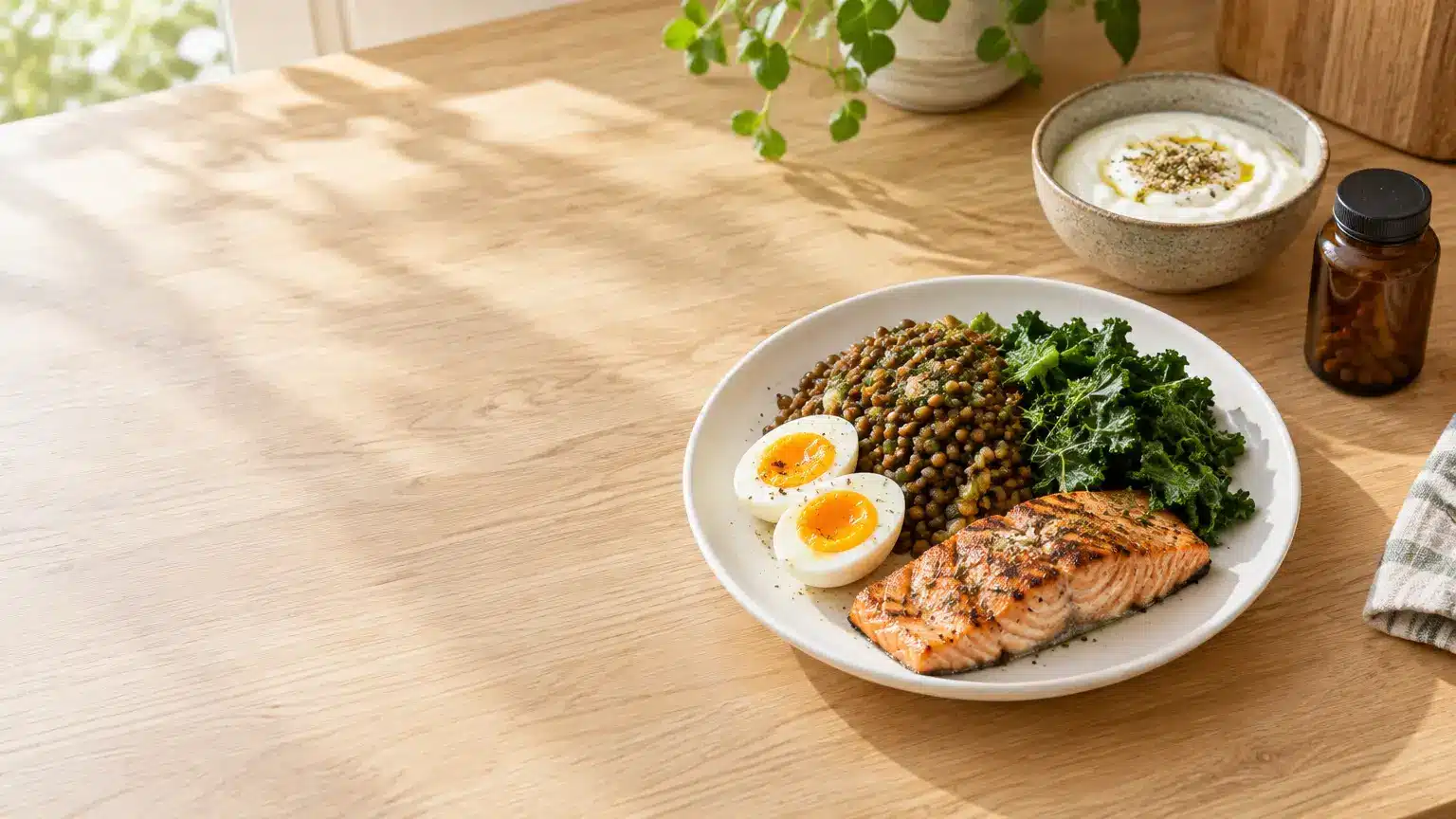

Healthy living often sounds more complicated than it needs to be. Social media feeds are filled with strict diet plans, intense wellness challenges, and expensive health trends that promise fast results. Yet many people discover that extreme routines are difficult to maintain in everyday life.
Real wellness usually comes from something much simpler: consistency.
Small habits repeated daily often create stronger long-term results than dramatic lifestyle overhauls. Drinking enough water, preparing balanced meals, staying active, and adding nutrient-rich foods into your routine can make a meaningful difference over time. Even simple habits like preparing fresh juice at home can encourage better hydration and healthier eating choices throughout the day.
That is one reason wellness-focused kitchen routines have become increasingly popular. More people are creating home environments that support healthy living instead of relying entirely on motivation or willpower.
A balanced wellness routine is not about perfection. It is about building realistic habits that support both physical and mental well-being in a sustainable way.
The Foundation of a Balanced Wellness Routine
The word “wellness” means different things to different people. For some, it means eating healthier meals. For others, it may involve better hydration, improved sleep, stress management, or increased physical activity.
At its core, wellness is about balance.
Many people struggle with healthy habits because they try to change everything at once. Extreme restrictions and unrealistic goals often lead to frustration and burnout. Sustainable routines, however, are usually built gradually.
Simple habits are easier to maintain because they fit naturally into daily life.
For example:
- Drinking water before coffee each morning
- Preparing lunches at home a few days per week
- Keeping fresh fruit visible on the counter
- Replacing sugary drinks with healthier alternatives
- Using weekends for meal preparation
These small adjustments may seem minor, but they create structure and consistency over time.
Hydration plays a major role in this process. Many people underestimate how strongly water intake affects energy, concentration, digestion, and overall wellness. Mild dehydration can contribute to fatigue, headaches, and reduced focus without people realizing the cause.
Nutrition is equally important. Balanced meals that include fruits, vegetables, proteins, healthy fats, and fiber help support steady energy levels throughout the day.
Creating a wellness-friendly environment also matters. Organized kitchens, accessible healthy ingredients, and practical appliances make healthy choices more convenient. When preparation feels easier, consistency becomes more realistic.
This is one reason more households are investing in kitchen tools that support healthier routines, including blenders, meal-prep containers, and juicers.
How Nutrition Supports Everyday Wellness
Nutrition affects nearly every aspect of daily life, from energy levels and productivity to mood and physical health.
Whole foods are often the foundation of balanced eating habits. Fresh vegetables, fruits, whole grains, lean proteins, nuts, and healthy fats provide nutrients that processed foods may lack.
One common mistake people make is focusing only on restriction instead of nourishment. Healthy eating should not feel like punishment. The goal is to add more nutrient-rich foods into your routine rather than obsessing over perfection.
Fresh juice has become a popular addition to many wellness routines because it offers a convenient way to increase fruit and vegetable intake. Homemade juice can also encourage better hydration while reducing dependence on sugary sodas or heavily processed beverages.
Hydrating ingredients such as cucumber, celery, watermelon, oranges, and citrus fruits are especially popular because they combine nutrition with refreshment.
Fresh juice works best as part of a balanced diet rather than as a replacement for meals. Pairing juice with fiber-rich foods, proteins, and healthy fats helps create better nutritional balance throughout the day.
Meal timing also affects wellness more than many people realize. Long periods without eating may contribute to energy crashes, irritability, and overeating later in the day. Balanced snacks and consistent meals help maintain stable energy levels.
Meal preparation can make healthy eating much easier for busy lifestyles. Washing produce ahead of time, preparing smoothie ingredients, or organizing healthy snacks in advance reduces decision fatigue during hectic days.
Mindful eating habits are equally valuable. Eating slowly, paying attention to hunger cues, and limiting distractions during meals can improve both digestion and satisfaction.
The healthiest routines are usually the ones people can maintain comfortably over time.
Hydration Is One of the Most Overlooked Wellness Habits

People often focus heavily on nutrition while overlooking hydration, even though water supports nearly every function in the body.
Hydration influences:
- Energy levels
- Focus and concentration
- Digestion
- Physical performance
- Skin health
- Temperature regulation
Unfortunately, many people replace water with caffeinated drinks, sugary beverages, or energy drinks throughout the day. While these drinks may provide temporary stimulation, they do not always support consistent hydration.
Building better hydration habits does not need to feel boring or repetitive.
Many people enjoy infused water with ingredients like lemon, cucumber, mint, berries, or citrus slices. Herbal teas and fresh juices can also contribute to hydration when consumed as part of a balanced routine.
Fresh juice preparation has become especially popular because it combines hydration with nutrient-rich ingredients. Homemade green juices, citrus blends, and fruit-based beverages often feel more refreshing than processed drinks loaded with artificial ingredients.
For people exploring healthier kitchen habits, choosing the right juicer can make a significant difference in consistency. Convenience matters. If a juicer is difficult to clean or complicated to use, it may eventually sit unused in a cabinet. Many wellness-focused households look for reliable options like the Hurom H-AA premium cold press juicer, which is known for supporting slow juicing methods while fitting naturally into daily wellness routines.
Hydration routines also benefit from structure. Simple habits such as carrying a reusable water bottle, drinking water with meals, or setting reminders during busy workdays can improve consistency without requiring major effort.
Seasonal adjustments matter too. Hot weather, exercise, travel, and indoor heating can all increase hydration needs.
The key is building routines that feel manageable rather than forced.
Building Healthy Habits That Actually Last
One of the biggest challenges in wellness culture is sustainability. Many people begin health routines with strong motivation but struggle to maintain them once life becomes busy or stressful.
Long-term wellness is rarely built through extremes. It is usually built through realistic routines.
Starting small often works best. Instead of completely redesigning your lifestyle overnight, focus on one or two manageable improvements at a time.
For example:
- Add one fresh meal to your daily routine
- Drink more water during work hours
- Prepare homemade juice a few mornings each week
- Organize your kitchen for easier meal prep
- Replace one processed snack with fresh ingredients
These changes may seem simple, but consistency matters far more than intensity.
Healthy habits also work better when combined together. Nutrition, hydration, movement, sleep, and stress management all influence one another.
A person who sleeps well may have better energy for exercise. Better hydration may improve focus and mood. Organized meal prep can reduce stress during busy weekdays.
Creating routines at home can make healthy living feel more natural. Many people now design kitchens specifically around wellness-focused habits, including hydration stations, produce storage systems, and dedicated spaces for smoothies or juicing.
Motivation also becomes easier to maintain when wellness feels enjoyable rather than restrictive. Trying seasonal juice recipes, experimenting with fresh ingredients, or preparing meals with family can turn healthy habits into positive experiences instead of obligations.
Progress does not need to be perfect to be meaningful.
Even gradual improvements in nutrition and hydration can support better long-term wellness over time.
Conclusion
Creating a balanced wellness routine does not require extreme diets or complicated health trends. In most cases, long-term wellness comes from simple habits practiced consistently.
Balanced nutrition, proper hydration, organized routines, and practical kitchen habits all work together to support better energy, focus, and overall well-being.
Fresh juice can also play a valuable role in healthy living by encouraging hydration and increasing access to nutrient-rich ingredients. For many people, investing in tools that simplify healthy routines makes consistency much easier to maintain.
The goal is not perfection. It is creating a lifestyle that feels realistic, enjoyable, and sustainable.
Sometimes the healthiest routines begin with the smallest daily choices — one glass of water, one balanced meal, or one fresh homemade juice at a time.