
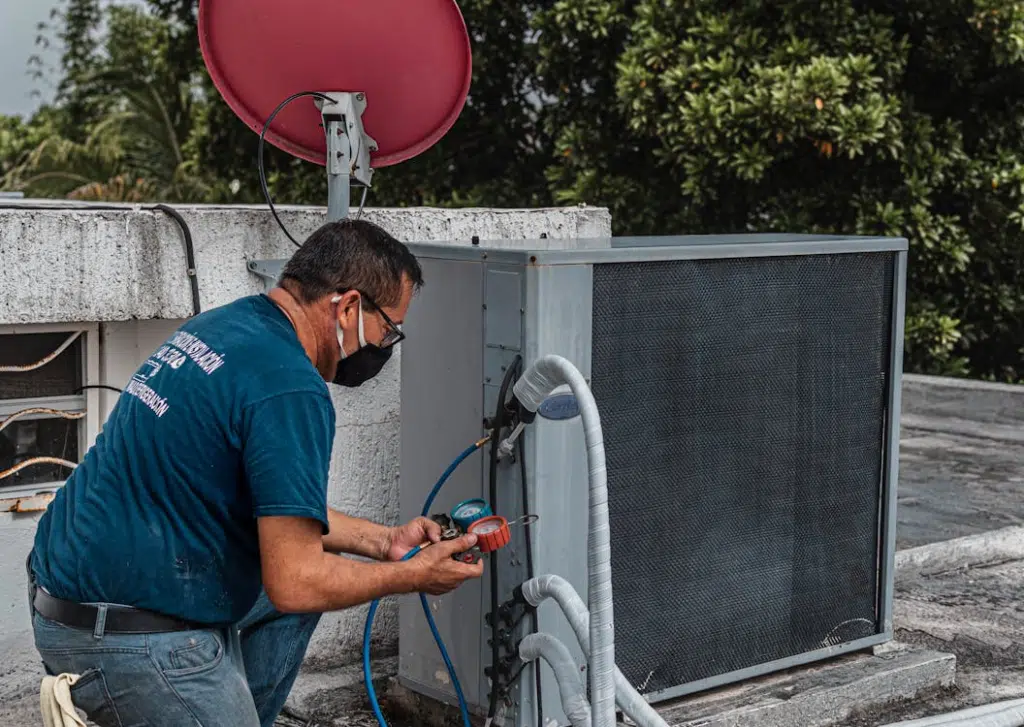
f your AC has broken down more than once this year, that pattern is hard to ignore. Each repair works for a while, then another issue shows up. At some point, the question becomes whether it is still worth fixing.
For homeowners and small business owners in San Jose and across the Bay Area, AC repair vs replacement usually becomes a real decision when cooling turns uneven and service calls become more frequent. If you are already considering air conditioner installation in San Jose, that decision can shift quickly.
This section breaks down AC repair vs replacement in simple terms, including warning signs, when repair still makes sense, when replacement is better, and how cost, energy use, and comfort factor into it.
What Does Your AC System Actually Do?
An AC system removes heat from indoor air, manages humidity, and keeps air circulating throughout your property.
You usually notice its value in everyday situations. A room that once cooled quickly now stays warm longer. One side of the building feels less comfortable than the rest. The system runs longer to reach the same thermostat setting.
These changes often show up before a full breakdown and can signal that performance is starting to decline.
Signs Your AC Needs Repair
Not every AC problem means it is time for replacement. Many common issues can be repaired, especially if the system has been reliable and is still within a reasonable age range.
Common signs include:
- Airflow feels weaker in certain rooms
- Air is cool, but not as cold as before
- New noises during operation
- More frequent on and off cycling
- Small leaks or moisture near the unit
- Energy bills are rising without changes in usage
These issues often come from clogged filters, worn parts, blocked airflow, or low refrigerant. In many cases, they can be fixed without replacing the full system.
If the AC is still cooling and the problem is limited, repair is usually the more practical choice.
Signs It’s Time to Replace Your AC
Replacement becomes more likely when problems return after repairs or overall performance keeps dropping.
Common signs include:
- System age of 10 to 15 years or more
- Several service calls within a short period
- Uneven cooling across rooms
- Steady increases in energy bills
- Major component failure, such as the compressor
- Breakdowns soon after recent repairs
At this stage, many property owners begin considering an AC replacement service instead of continuing with repeat fixes.
Cost Comparison: Repair vs. Replacement
Repair is usually easier to accept upfront because it solves a specific issue at a lower immediate cost.
The challenge appears when repairs become frequent. Several smaller bills over time can add up quickly, especially if the system is also using more electricity.
Replacement requires a larger initial investment, but it can reduce repeat service calls and improve efficiency.
A practical way to compare both options is to weigh ongoing repair expenses against long-term HVAC replacement cost.
Energy Efficiency and Long-Term Savings
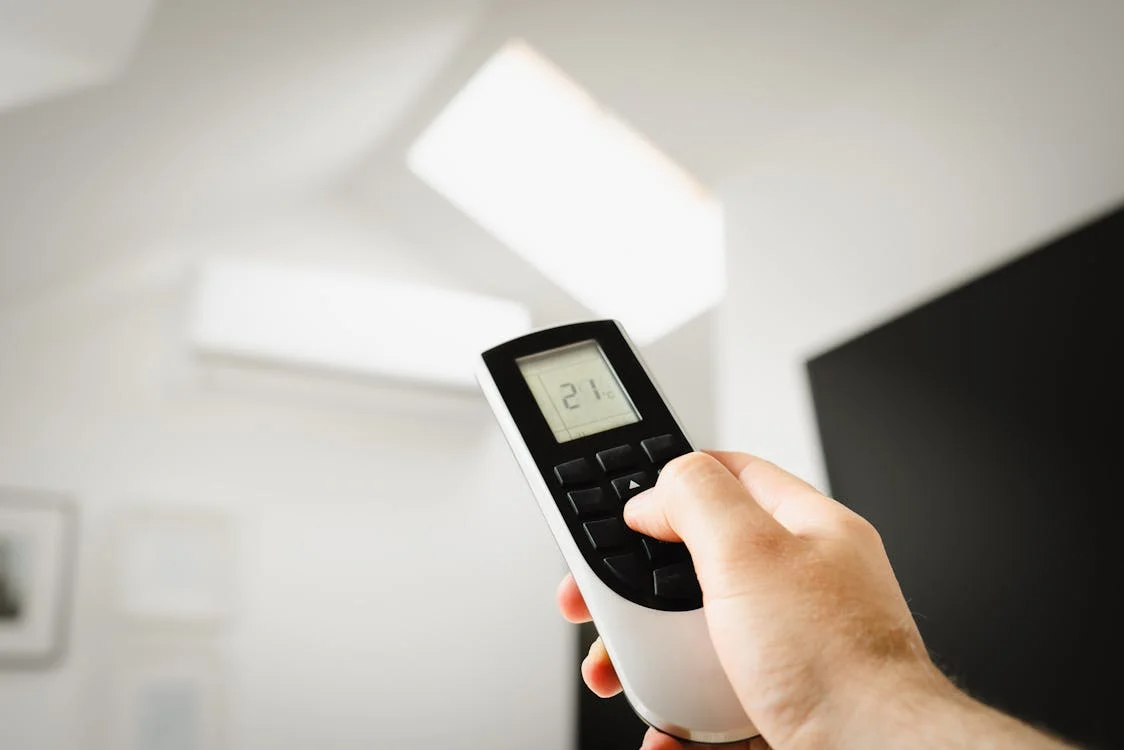
Older systems often run longer to provide the same level of cooling. That increases energy use and places more strain on components.
Newer systems are designed to cool more efficiently and maintain steadier temperatures. Over time, that can lead to lower monthly utility costs and fewer performance issues.
For Bay Area homes and small businesses, these savings can become more noticeable during warmer months.
Comfort, Performance, and Technology Upgrades
Comfort issues are often what push owners to make a final decision.
You may notice:
- Some rooms cool more slowly than others
- Longer run times before reaching the set temperature
- Increased noise during operation
- Less consistent comfort during hot afternoons
Newer systems often improve these issues. Many also support smart thermostats, zoning features, and better airflow control, making temperatures easier to manage across the property.
Key Questions to Ask Before Deciding
Before choosing repair or replacement, it helps to review the system’s recent performance:
- How old is the system
- How often has it needed repairs recently
- Are cooling issues becoming more common
- Are energy bills rising without a clear reason
- Does comfort vary across rooms
- Are repair costs becoming a regular expense
These answers usually make the next step clearer.
Professional Inspection: Why Expert Advice Matters
AC problems often look similar on the surface, even when the causes are very different.
Weak airflow or reduced cooling could come from simple maintenance issues or more serious mechanical wear. A technician can test system performance, inspect components, and identify the actual cause.
This helps avoid paying for repeated repairs that do not solve the root problem. This is also where a local, experienced team like IRBIS can help, especially when it is unclear whether a repair or replacement makes more sense.
Conclusion
Repair often makes sense when the system is still relatively young and the issue is isolated. Replacement becomes more practical when breakdowns repeat, costs keep adding up, and comfort continues to decline.
When deciding, it helps to look beyond the next service bill and compare long-term HVAC replacement cost with future repair needs and energy use. Have you faced this decision before? Share your experience or thoughts with others considering the same choice.