

Asthma at night is not the same as asthma during the day. Most people do not realize that sleep is actually when asthma can become most unpredictable and dangerous.
The question of whether asthma can kill you in your sleep is a concern that deserves more attention than it usually gets.
Your body changes when you sleep, your airways narrow, your defenses drop, and symptoms can build up before you even notice. I have seen how confusing and frightening this reality can feel.
Understanding what happens at night puts you in control. Knowing the risks helps you sleep with more confidence, and what I share here might change how you manage your asthma forever.
Can Asthma Kill You During Sleep?
Yes, in rare but serious cases, asthma can be fatal during sleep. A review published in the Journal of Allergy and Clinical Immunology notes that the majority of respiratory arrests and sudden deaths in people with asthma occur between midnight and 8 a.m., a pattern consistently reported across multiple studies.
Understanding that asthma can kill you in your sleep starts with knowing that death during sleep is rare and usually linked to severe or poorly controlled asthma. Most people with asthma do not face this risk if their condition is managed properly.
In most cases, the body reacts quickly, and you wake up when breathing becomes difficult. The bigger risk comes when symptoms are ignored or when treatment is not followed.
With proper care, medication, and awareness of triggers, nighttime asthma can be managed safely and effectively without leading to dangerous outcomes.
Will You Wake Up During An Asthma Attack In Sleep
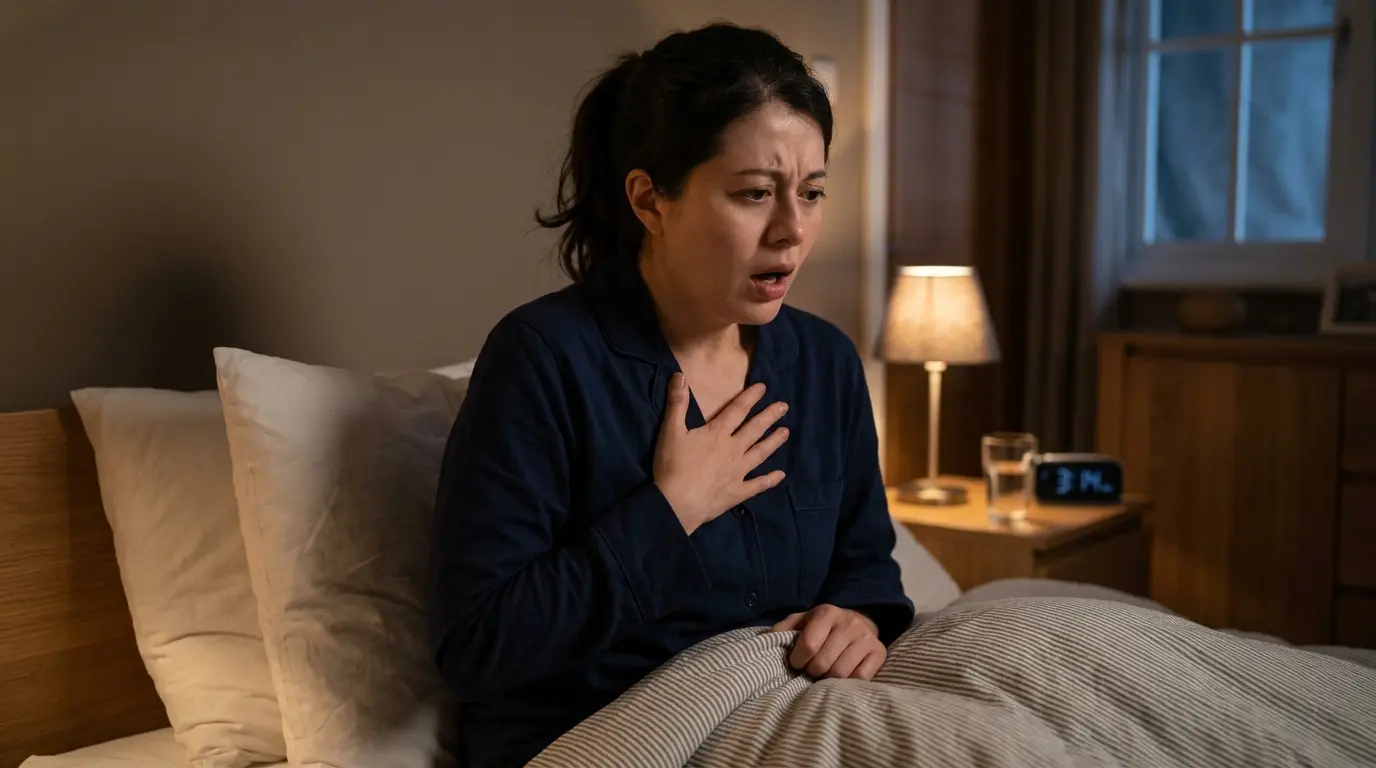
This is the part most people worry about. In most cases, yes, you will wake up. Your body has a built-in response system. When oxygen levels drop, your brain triggers a stress response that wakes you so you can restore normal breathing.
People often wake up:
- Gasping for air
- Coughing
- Feeling chest tightness
Severe cases can feel intense and scary, but they are not silent. Your body usually alerts you. The risk increases only when symptoms are ignored or not treated properly.
There is, however, an important caveat. In people with very severe or uncontrolled asthma, the body’s alarm response can be blunted over time.
Some of my clients who have had chronic nocturnal symptoms for years tell me they sometimes don’t wake until an attack is already advanced. This is precisely why frequent nighttime symptoms should always prompt a conversation with your doctor rather than being normalized as “just part of having asthma.
Why Asthma Attacks Are More Dangerous at Night
Nighttime asthma attacks pose greater risks due to circadian rhythm disruptions, heightened airway inflammation, and reduced lung function during sleep hours.
- Circadian Rhythm Disruption: Cortisol and adrenaline levels drop at night, reducing the body’s natural ability to keep airways open and fight inflammation.
- Increased Airway Resistance & Inflammation: Lung function decreases while immune cells become more active during sleep, intensifying airway swelling and mucus production.
- Reduced Awareness During Sleep: Diminished ability to detect breathing difficulties early allows symptoms to escalate rapidly before waking.
- Delayed Medical Response: Limited access to immediate medical care and slower recognition of worsening symptoms increases danger.
- Environmental Triggers: Cooler bedroom temperatures, allergen exposure from bedding, and lying flat position all contribute to airway constriction.
Understanding these nighttime vulnerabilities is essential for developing effective management strategies and ensuring safer, more restful sleep for asthma sufferers
Signs of a Nighttime Asthma Attack
Recognizing nocturnal asthma symptoms early is crucial for effective management and prevention of severe nighttime attacks that disrupt sleep and overall health.
| Category | Key Indicators | Severity Level | What to Do |
|---|---|---|---|
| Common Symptoms | Wheezing, coughing, chest tightness, gasping | Mild to Moderate | Use a rescue inhaler and monitor closely |
| Sleep Disruption | Waking up often, trouble falling back asleep | Mild to Moderate | Track sleep patterns and consult a doctor |
| Daily Impact | Fatigue, poor focus, low energy | Moderate | Review and adjust the asthma management plan |
| Emergency Warning Signs | Rapid breathing, blue lips or fingernails, inhaler not working | Severe | Call emergency services right away |
If you experience these symptoms regularly at night, consult your healthcare provider to adjust your asthma management plan for better nighttime control.
Are You at Higher Risk of Nighttime Asthma Attacks?
Use this quick checklist to understand whether your nighttime asthma symptoms need more attention and better daily control to stay safe.
- You use your rescue inhaler often
- You have symptoms during both day and night
- You skip or delay medication
- You’ve had severe attacks before
- You have acid reflux, GERD, or obstructive sleep apnea
- You smoke or are regularly exposed to secondhand smoke
- You have poorly controlled allergic rhinitis or sinusitis
In real situations, these patterns almost always point to asthma that needs better long-term control rather than quick fixes.
What to Do if You Wake Up With an Asthma Attack?

If you wake up struggling to breathe, act quickly but stay as calm as possible. Taking the right steps early can help you regain control and prevent symptoms from getting worse.
- Step 1: Sit up straight or slightly lean forward. This position helps your lungs open up and makes breathing easier.
- Step 2: Take your inhaler exactly as prescribed. This works fast to relax your airways and improve airflow.
- Step 3: Try to take slow, steady breaths. Staying calm helps prevent your breathing from becoming more strained.
- Step 4: Stay upright and give the medication time to work. Notice if your breathing is improving or staying the same.
- Step 5: If your breathing does not improve within a few minutes or gets worse, seek emergency medical help immediately.
One thing I always tell the people I work with: keep your rescue inhaler on your nightstand, not in a drawer or across the room. Every extra second spent searching for it during a nighttime attack matters.
A simple habit like this has made a real difference for clients who experience frequent nocturnal episodes.
How to Prevent Asthma Attacks at Night
Nighttime asthma can be managed with simple daily habits and a consistent routine. The goal is to reduce triggers, support your breathing, and stay prepared each night before you go to sleep.
- Follow a consistent medication routine and never skip your controller medication before bed, even when you feel fine. In my experience working with sleep clients, skipping doses “on good days” is one of the most common reasons for unexpected nighttime flares.
- Keep your inhaler within easy reach
- Reduce bedroom triggers like dust and pet hair
- Maintain clean, well-ventilated air
- Wash bedding in hot water (at least 130°F / 54°C) weekly to kill dust mites, which are a leading bedroom trigger
- Avoid eating heavy meals or acidic foods close to bedtime to reduce the risk of reflux-triggered symptoms
If you use a ceiling fan at night, note that it can circulate dust, pollen, and pet dander. Unless it’s paired with a HEPA filter, an air purifier is a better option for asthma management
How to Sleep Safely With Asthma
Sleeping well with asthma is about creating a setup that supports easy breathing and reduces triggers throughout the night. Small adjustments in your routine and environment can make a noticeable difference in how comfortable and safe you feel while sleeping.
- Sleep on your side or keep your head slightly elevated
- Use a supportive pillow that keeps your neck in a natural position
- Keep your room clean and free from dust and allergens
- Use an air purifier if needed to improve air quality
- Check your symptoms before bed and address any discomfort early
These simple steps can help you breathe easier at night and reduce the chances of waking up with asthma symptoms.
The Sleep-Asthma Cycle
Poor sleep and asthma reinforce each other in a cycle that worsens both over time.
A study published in the Annals of Allergy, Asthma and Immunology found that adults with asthma who sleep five hours or fewer are 1.5 times more likely to have an asthma attack compared to those with normal sleep duration, alongside significantly worse health-related quality of life.
This cycle plays out more often than most people realize. Waking up at night with chest tightness leads to lost sleep, which builds up into a sleep debt across the week, making asthma harder to control. The medical side and the sleep side cannot be managed in isolation.
People’s Experiences With Nighttime Asthma Attacks
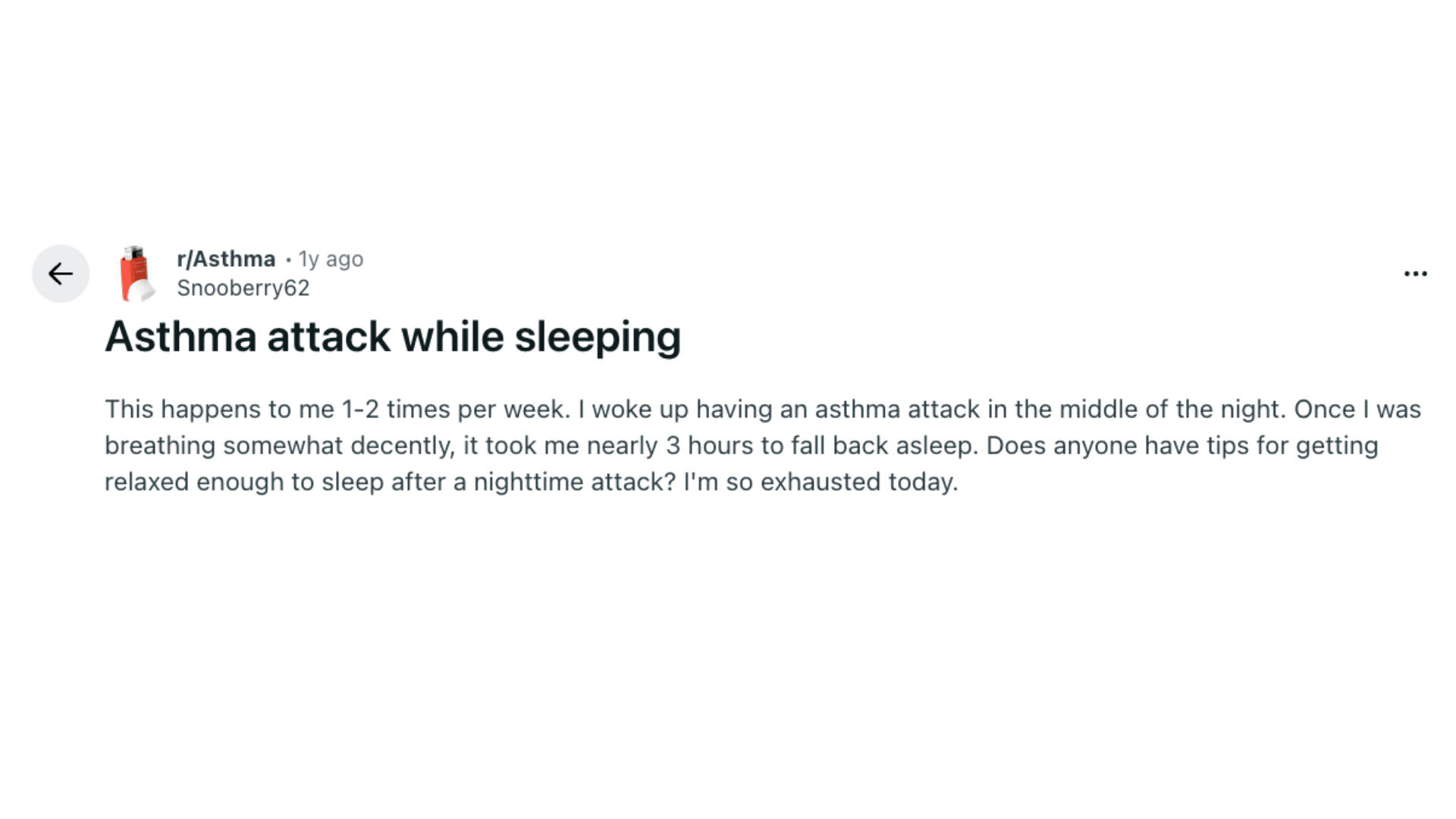
I came across a discussion from Reddit user u/Snooberry62, who shared that they wake up with asthma attacks one to two times a week and struggle to fall back asleep for hours afterward.
You might relate to this feeling of exhaustion and frustration after a disrupted night. Other users pointed out that frequent nighttime attacks often mean asthma isn’t well controlled and may need better long-term treatment.
Some shared what helped them, like adjusting medication, using a HEPA air purifier, or sleeping with the upper body elevated.
What stands out is that you’re not alone in this, and with the right support and adjustments, these episodes can become less frequent and more manageable.
When to Seek Emergency Care
If your breathing becomes extremely difficult despite using rescue medication, or if symptoms continue worsening rather than improving within minutes of inhaler use, call emergency services immediately.
Don’t wait to see if symptoms resolve on their own. Delayed treatment during severe nocturnal attacks significantly increases the risk of respiratory failure.
Time is critical. When in doubt, always err on the side of caution and seek professional medical help rather than attempting to manage life-threatening symptoms alone at home.
Wrapping It Up
Asthma at night is manageable, but only when you take it seriously. Whether asthma can kill you in your sleep is a real concern, and the answer depends entirely on how well your asthma is controlled.
Your bedroom environment matters more than you think. Small changes in your daily habits can make nighttime breathing much easier. I always say that prevention is far better than dealing with an attack alone at night.
You have the power to sleep more safely by following your plan and knowing your triggers. Do not ignore symptoms that keep coming back at night. Drop a comment below and share what helps you manage your asthma at night.