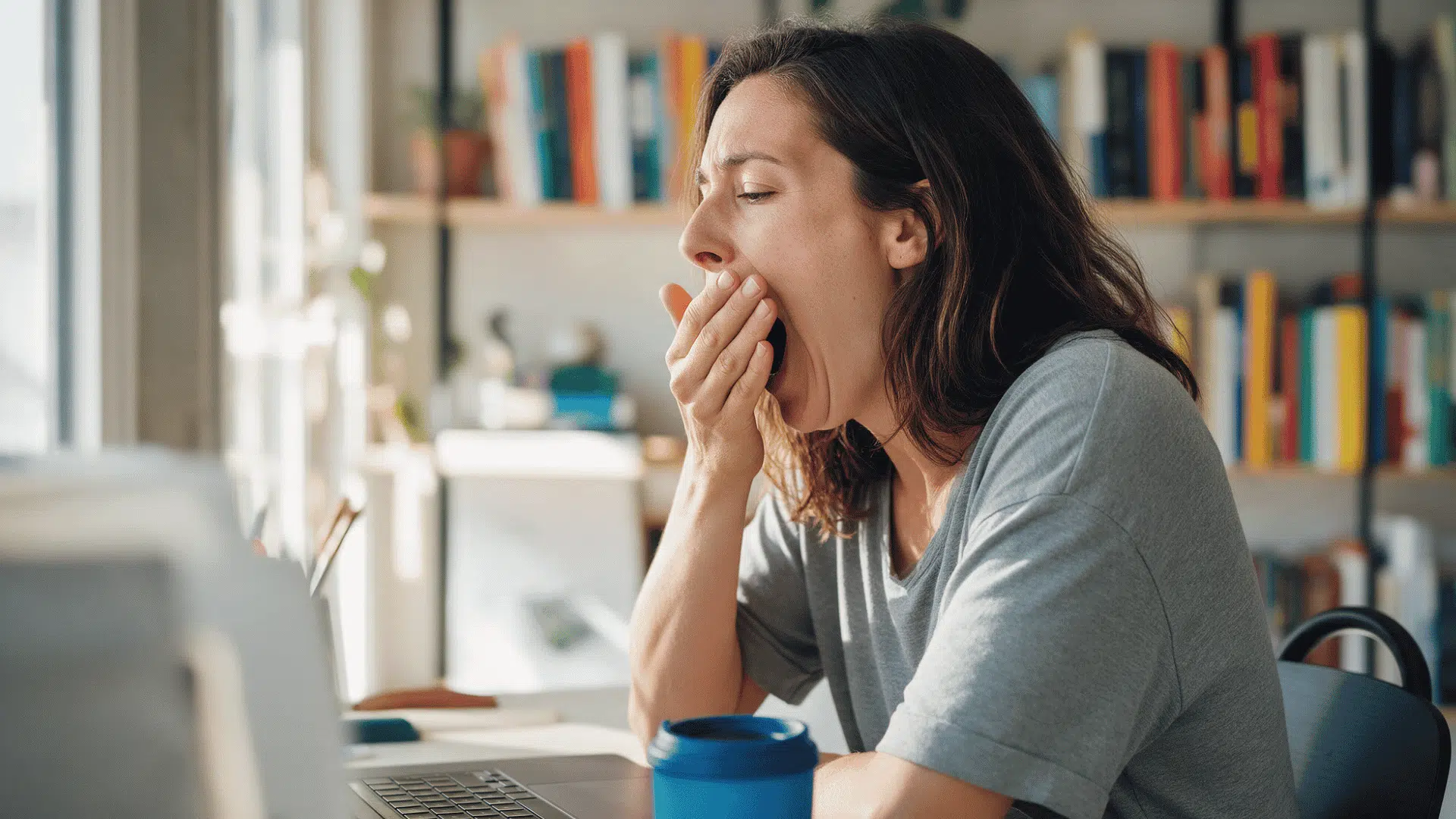

Stomach sleepers have been told they are doing it wrong for years. The truth is more nuanced than that, and the real problem is rarely the position itself.
Here is the more accurate view: stomach sleeping positions are not the problem on their own.
What causes pain is the pattern: a pillow that is too thick, a mattress with no support, a neck rotated past neutral for eight hours straight. These variables determine if you wake up refreshed or reach for a painkiller.
Below, I break down the mechanics honestly, covering which variations reduce spinal strain, what your setup needs to look like, and how to make stomach sleeping positions work with your body, not against it.
Is It Ok to Sleep on Your Stomach?
Stomach sleeping is not the healthiest position, but its impact varies based on your body’s response and sleep setup.
The main issue is that it keeps your neck rotated for hours, causing muscle tension, while your midsection sinks into the mattress, creating an unnatural arch in your lower back without proper support.
You’re probably fine if you wake up consistently without pain, use minimal pillow support that keeps your neck neutral, and sleep on a mattress firm enough to prevent hip collapse.
In addition to proper positioning, some individuals explore supplements that support better sleep as part of a broader approach to improving rest quality. These may complement good sleep habits by helping regulate relaxation and nighttime comfort when used appropriately.
Some people, particularly younger adults without existing joint issues, tolerate this position long-term. It becomes a problem when you experience persistent stiffness, neck or back pain throughout the day, or numbness in your arms.
Don’t stomach sleep if you’re pregnant, have spinal conditions like herniated discs, or experience severe morning pain that doesn’t improve with adjustments.
Stomach Sleeping Positions That Actually Reduce Strain
Most stomach sleepers use the same flat position every night, and that’s usually why they wake up in pain. These three modifications target the specific issues stomach sleeping creates.
1. Flat Stomach Position
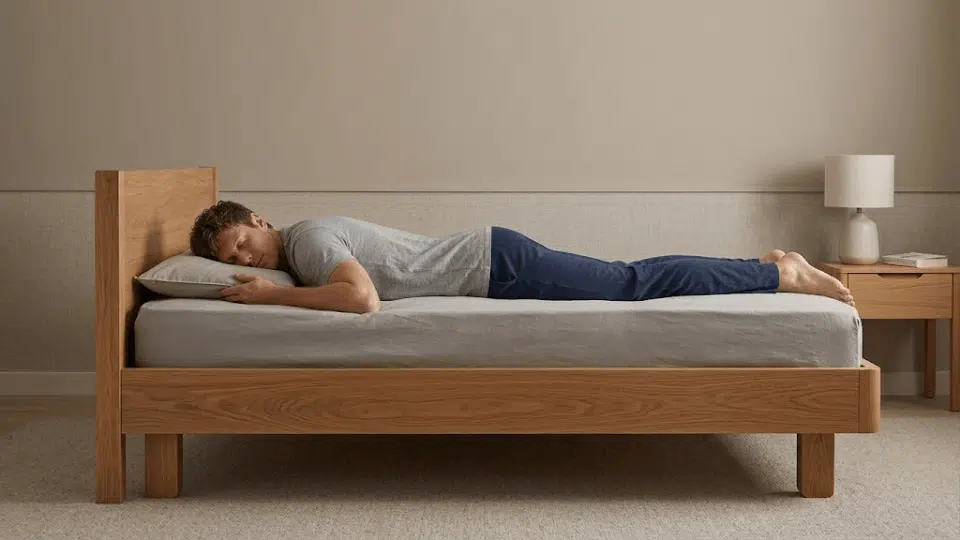
Lie flat on your stomach with your legs extended and your head turned to one side. This is how most stomach sleepers naturally fall asleep.
Why it works: Only if you’re under 30 with no history of neck or back pain. Your neck stays at 90 degrees for hours, and your lower back hyperextends without support, so setup matters more here than in any other position.
How to do it properly:
- Use a very thin pillow or none at all
- Sleep on a medium-firm mattress to prevent hip collapse
- Switch the side your head turns to each night
2. Bent-Knee Position
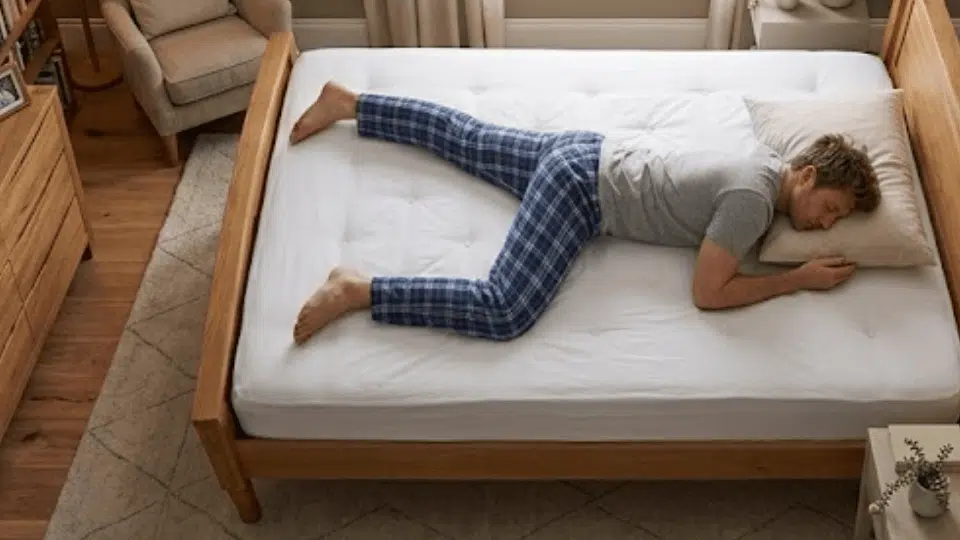
Lie on your stomach, but pull one knee up toward your side at roughly 90 degrees, like you’re halfway between stomach and side sleeping.
Why it works: This rotation tilts your pelvis and reduces the arch in your lower back. It takes pressure off your spine while keeping you in a stomach-dominant position.
How to do it properly:
- Alternate which knee you bend each night to avoid creating imbalances
- Place a thin pillow under the bent knee if it feels strained
- Keep your head turned toward the side of your bent knee
3. Pillow-Under-Pelvis Position
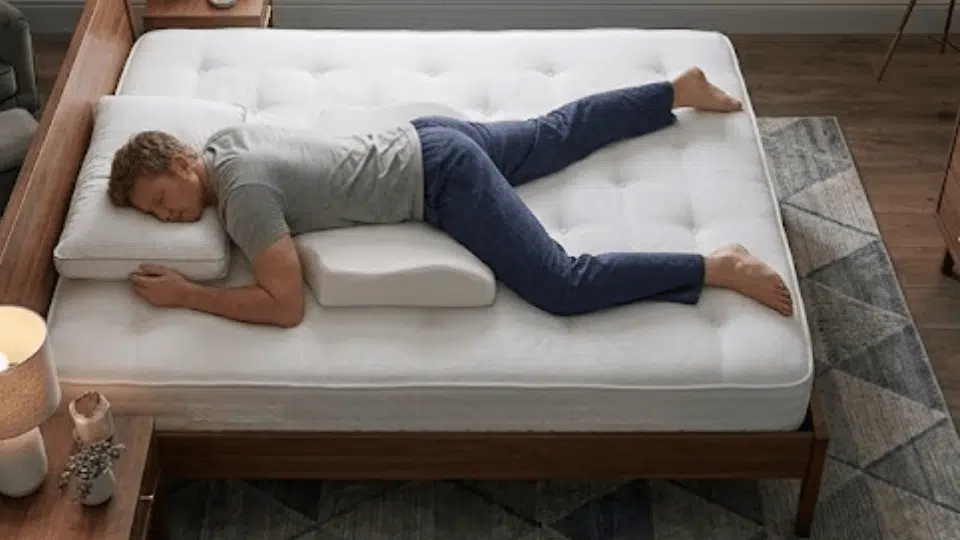
Stay flat on your stomach, but slide a thin pillow under your pelvis and lower abdomen.
Why it works: The pillow prevents your midsection from sinking too deeply, reducing the excessive curve in your lower back. It gives your spine the support the mattress isn’t providing.
How to do it properly:
- Use a firmer pillow than you’d use for your head; it needs to hold shape under body weight
- Position it under your pelvis, not your stomach
- If you move a lot at night, tuck it slightly under your hip to keep it in place
Should You Stop Sleeping on Your Stomach?
It depends on how your body responds. Don’t ignore pain signals, but don’t force a position change if you’re waking up fine.
- If you’re pain-free: No need to stop. If your setup works and you wake up without discomfort, stomach sleeping isn’t harming you. Just stay aware: your body’s tolerance can shift as joints and discs age.
- If pain exists: Adjust first, then decide. Try a thinner pillow or none; place a support under your pelvis; switch to the bent-knee position; or check your mattress firmness. Give adjustments 2-3 weeks. If pain persists, transition gradually to side sleeping with a body pillow for support.
- If you’re pregnant or have spinal issues: Stop now. Stomach sleeping compresses blood flow during pregnancy and worsens existing back problems. Side sleeping with a pillow between your knees is the only safe alternative in these cases.
This isn’t about achieving perfect posture; it’s about listening to what your body actually needs.
How to Transition Away from Stomach Sleeping
Switching sleep positions takes time because your body has years of muscle memory. Most people need 3-4 weeks to adjust, though some take longer.
Start by lying on your side for 20-30 minutes before rolling onto your stomach. Use a body pillow in front of you; it mimics the grounded feeling of stomach sleeping. Increase this time by 15 minutes each week.
Place a pillow behind your back to prevent rolling backward. If you keep reverting unconsciously, wear a loose backpack with a pillow inside while sleeping. It blocks you from flipping onto your stomach.
Expect sleep quality to drop temporarily during the first two weeks. If you’re not progressing after six weeks, reassess your pillow support or mattress firmness.
Common Stomach Sleeping Mistakes to Avoid
Most stomach sleeping problems aren’t about the position itself. They come from small, fixable habits that quietly build into chronic discomfort over time.
- Using a thick pillow: It forces your neck into an unnatural upward angle for hours. Go thin or skip it entirely.
- Always turning your head the same way: This creates muscular imbalances over time. Alternate sides nightly.
- Sleeping on a soft mattress: Without firmness, your hips sink, and your spine arches excessively.
- Skipping the pelvis pillow: Most stomach sleepers don’t use one. Most stomach sleepers wake up stiff.
- Ignoring early pain signals: Occasional stiffness is a cue to adjust, not push through.
These aren’t difficult fixes. Catching them early is what separates a sustainable sleep position from one that gradually wears you down.
Wrap Up
Stomach sleeping isn’t the healthiest position, but it doesn’t have to wreck your body. The difference between waking up in pain and waking up refreshed comes down to how you set up your sleep environment and which modifications you make.
If the bent-knee position, proper pillow height, and mattress firmness adjustments reduce your discomfort, you can keep stomach sleeping. But if you’ve optimized everything and still wake up stiff, your body is telling you it’s time to see other positions.
The goal isn’t perfection, it’s finding what works for your body right now. Pay attention to pain signals and make adjustments when needed.
What’s your experience with stomach sleeping positions? Drop a comment if you’ve found modifications that work.