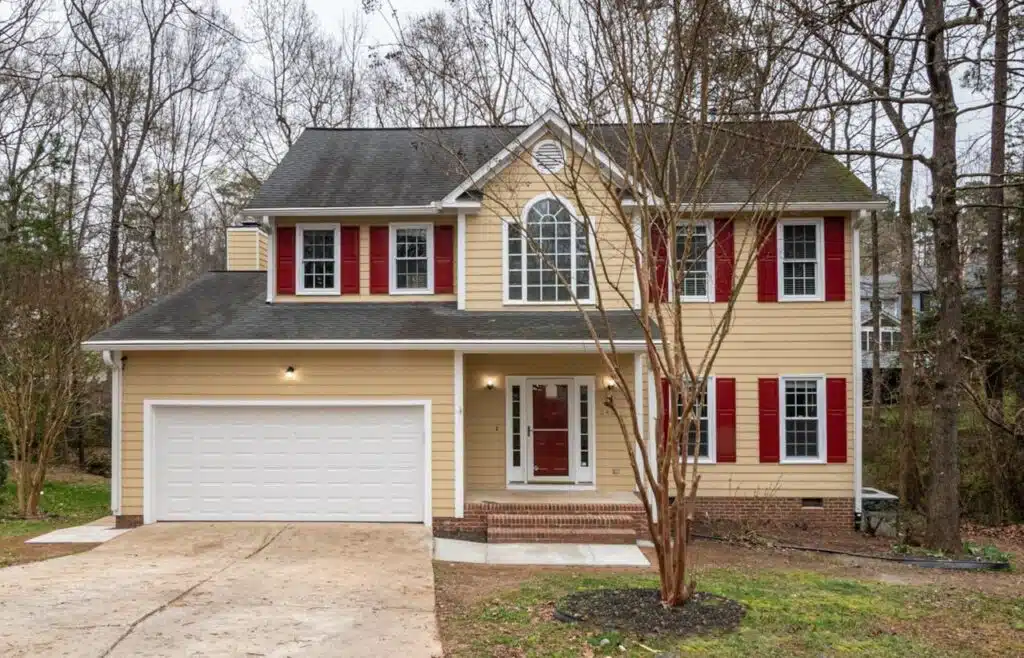
Home upgrades often start with excitement, yet not all of them age well. Those this-will-look-amazing-now thoughts can quickly turn into regret when materials wear out or designs lose relevance. A home is used daily, not admired occasionally. That difference matters more than most expect. Yes, this is true – lasting upgrades are defined by performance, not initial impact.
There is a clear shift happening. Homeowners are moving away from quick fixes and short-term trends. Durability, efficiency and long-term value are taking center stage. Rising costs and busy lifestyles have made people think twice before committing to changes. Every decision is expected to hold up, not just impress.
So what actually makes a home upgrade stand the test of time?
It Is Not About More Upgrades – It Is About Better Ones
Many homes are filled with changes that looked good at the moment but failed later. Paint fades, materials weaken and layouts stop making sense. The issue is not the number of upgrades. It is the lack of thoughtful planning behind them.
Durability begins with intention. Each upgrade should solve a real problem or improve daily function. Without that purpose, changes become superficial. They may look appealing, yet they fail under regular use.
This is where professional insight becomes valuable. Companies like KVN Construction focus on upgrades that go beyond surface-level improvements. Their approach is rooted in long-term performance, not short-term appeal. That difference shapes results in a meaningful way.
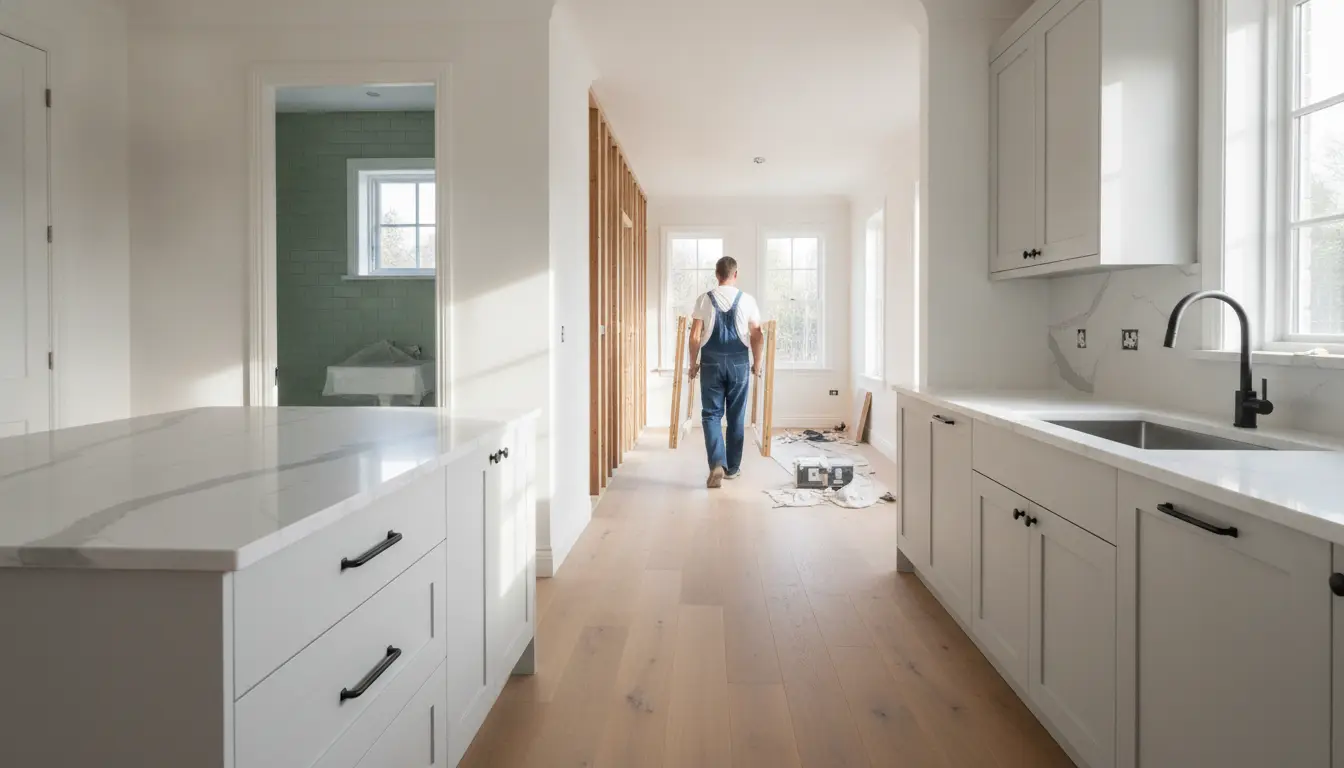
Consider a homeowner replacing siding purely for appearance. The color looks great, but underlying issues are ignored. Moisture builds up, and repairs are needed within a short period. Now compare that to a project where structure, insulation and materials are evaluated together. The second approach lasts longer and performs better.
Does it not make more sense to invest in solutions rather than temporary fixes?
Materials Make or Break the Outcome
Material selection is one of the most critical decisions in any upgrade. It influences durability, maintenance and overall performance. Choosing the wrong material can undo even the best planning.
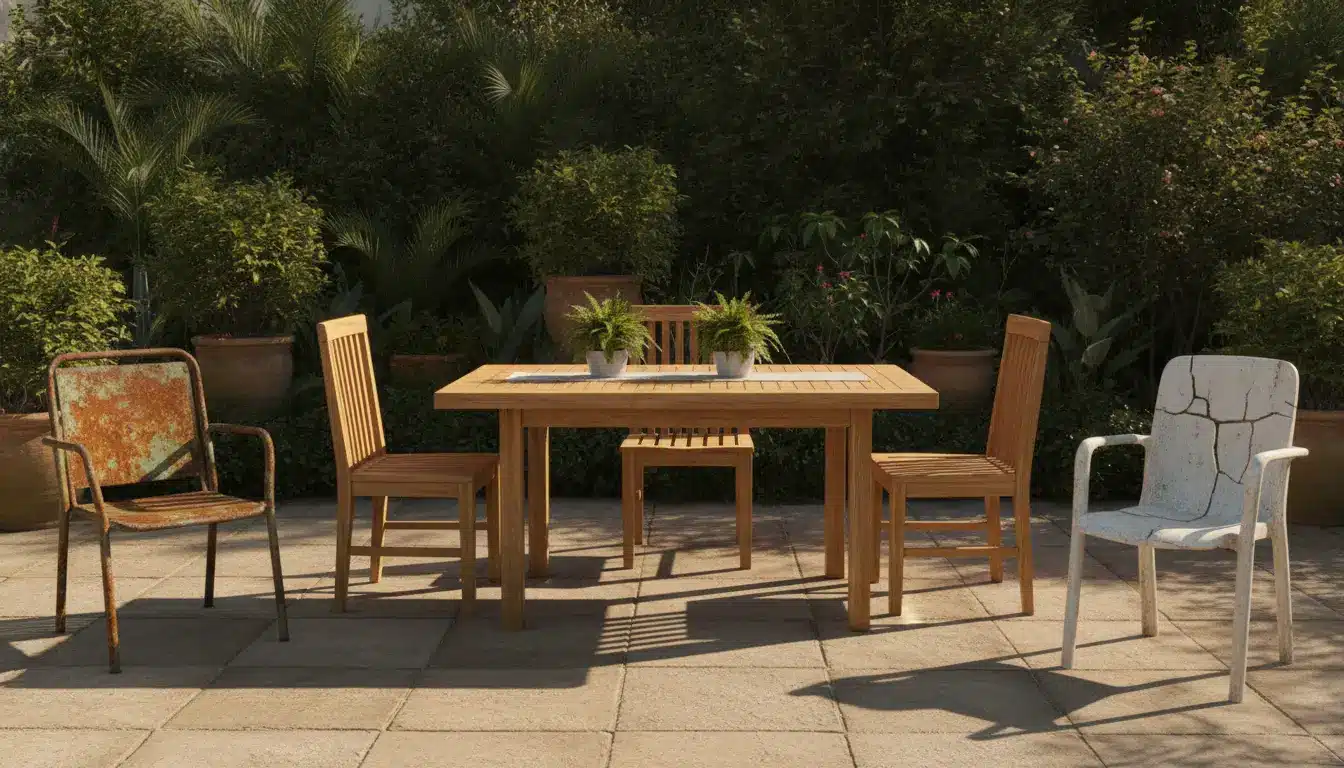
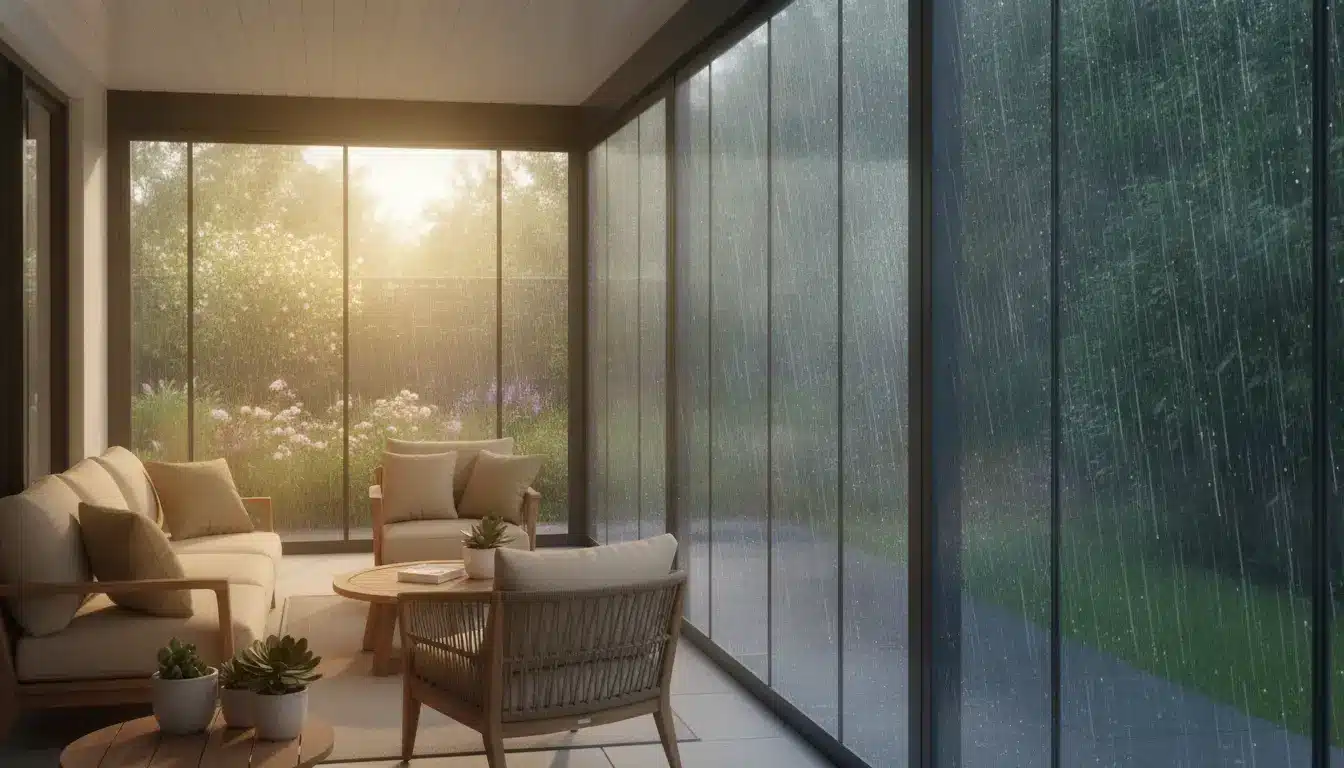
Different materials respond differently to environmental conditions. Heat, moisture and wear all affect how surfaces hold up. When materials are not suited to these conditions, they degrade faster. That degradation leads to repairs, replacements and added costs.
There is also the matter of compatibility. Materials should work together rather than against each other. Mismatched combinations create stress points that weaken the structure. That weakness may not appear immediately, but it develops over time.
Think about a home where materials are chosen based on durability rather than trend. Years pass, and the structure remains solid. Now compare that to a home where style was prioritized without considering performance. Maintenance becomes constant.
No. Material choice is not a minor detail. It defines how well an upgrade holds up.
Small Decisions that Quietly Extend Lifespan
Not every upgrade needs to be large to be effective. Smaller decisions often have a lasting impact on how a home performs. These choices may seem routine, yet they shape long-term outcomes.
- Selecting finishes that resist wear and are easy to maintain
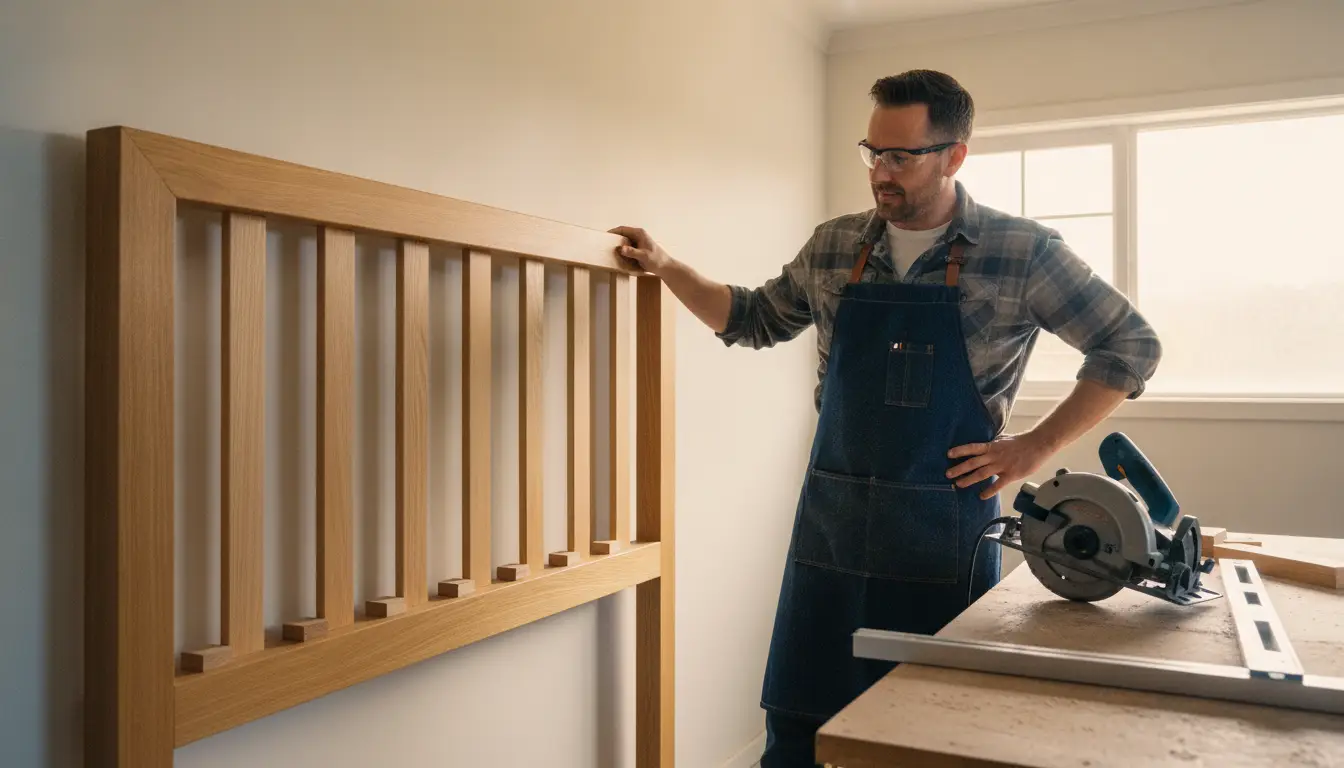
- Ensuring proper installation to avoid gaps and weak points
- Maintaining drainage systems to protect structural elements
- Adding insulation where needed to improve efficiency
- Using quality fixtures that withstand daily use
- Choosing layered bedroom lighting that supports both relaxation and daily routines
Each of these steps contributes to durability. When combined, they create a system that supports long-term performance. Skipping them, however, allows small issues to grow.
There is also a pattern here. Consistent attention to detail builds strength across the home. That strength reduces the need for frequent repairs. It also improves overall reliability.
Have you noticed how small choices often determine whether something lasts or fails?
Timing Matters More than Expected – Act Before It Breaks
Upgrades are often delayed until problems become obvious. This approach leads to higher costs and more extensive repairs. Addressing issues early prevents escalation.
There is also a seasonal aspect to consider. Certain upgrades perform better when done under the right conditions. Planning ahead allows for better execution. Rushing a project rarely leads to good results.
Think about a homeowner who notices minor exterior damage from, let’s say, snow and ice, but chooses to wait. At first, the issue seems manageable. Over time, it worsens, affecting surrounding areas. Now compare that to someone who addresses the problem early. The outcome is smoother and more cost-effective.
So why wait until problems demand attention?
Acting early keeps damage contained. It also reduces disruption and maintains the home’s condition. Small actions today prevent larger challenges later.
Budget Smart Now – Avoid Paying Twice Later
Budgeting is often treated as a limit, yet it should guide better decisions. Without a clear plan, costs start creeping in from every direction. Projects expand, priorities shift and value gets diluted quickly.
Spending should match impact. High-use areas deserve stronger investment because they face daily wear. Less critical spaces can be improved gradually without heavy costs. This balance keeps the project grounded and practical.
There is also a risk in cutting corners. Cheaper materials or rushed work may seem like savings at first. Later, repairs become necessary, and costs stack up fast. That cycle turns a small saving into a larger expense.
When Everything Works Together – Upgrades Start to Last
A home reaches its best state when all elements align. Materials, design and execution must work together. When they do, upgrades become part of a cohesive system.
Consistency plays a major role here. Choices should support each other rather than compete. This creates a balanced environment where each upgrade enhances the next. The result feels complete and stable.
There is also a sense of confidence that comes with well-executed upgrades. The home feels secure, and maintenance becomes manageable. That confidence is built through careful planning and consistent effort.
Yes, this matters – lasting upgrades are not accidental. They are the result of deliberate decisions.
Upgrading a home with longevity in mind requires a shift in perspective. It is not about chasing trends or making quick changes. It is about understanding what works, what lasts and what truly adds value.