

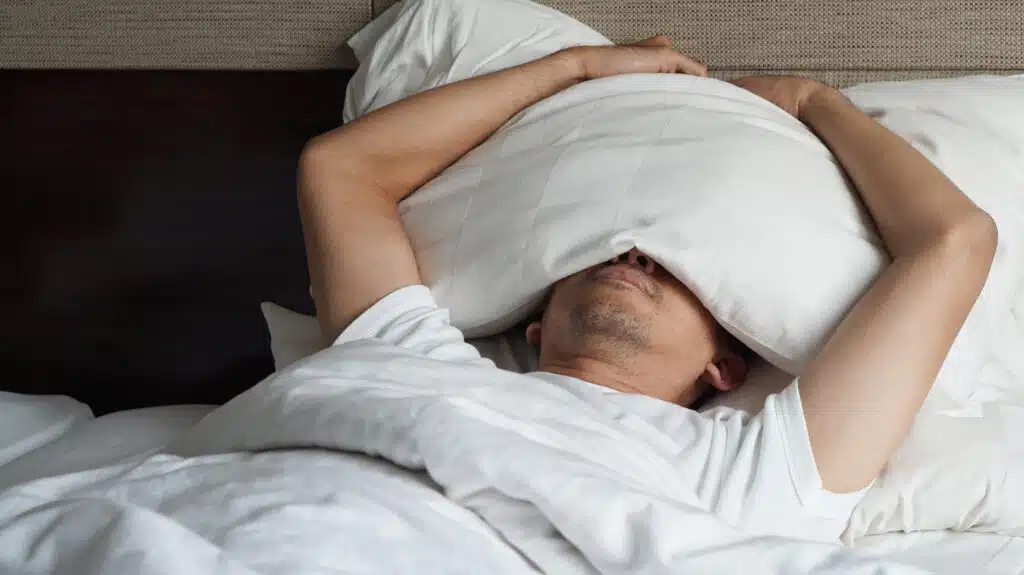
Quality sleep is essential for maintaining physical and mental health, yet many Californians struggle to get adequate rest due to stressful sleep environments. From urban noise pollution to uncomfortable temperatures and anxiety-inducing living situations, environmental stressors can significantly disrupt sleep patterns and lead to serious health consequences. Understanding how your sleep environment affects your well-being is the first step toward creating healthier rest conditions.
The Hidden Health Toll of Poor Sleep Environments
Sleep environments play a critical role in determining sleep quality and overall health. According to the CDC, one-third of U.S. adults report sleeping less than the recommended seven hours per night, contributing to numerous health problems. Environmental factors such as noise, light, temperature, and stress levels directly influence how well you sleep and how rested you feel upon waking.
Poor sleep quality caused by environmental stressors has been linked to increased risks of cardiovascular disease, obesity, diabetes, and mental health disorders. Research published by the National Institutes of Health indicates that sleep disruption can impair cognitive function, weaken the immune system, and elevate stress hormones like cortisol. When your bedroom becomes a source of stress rather than a sanctuary, the cumulative effects can seriously compromise your health over time.
Noise Pollution: California’s Silent Sleep Disruptor
California’s densely populated urban areas expose millions of residents to chronic noise pollution that interferes with sleep. Traffic noise, aircraft overhead, sirens, and neighborhood disturbances create an auditory environment that prevents deep, restorative sleep. The National Institute of Environmental Health Sciences reports that environmental noise exposure affects sleep quality and can contribute to hypertension, cognitive impairment, and mood disorders.
Even if you’re not consciously awakened by noise, your body still reacts to sound during sleep. Noise pollution fragments sleep architecture by reducing time spent in deep sleep and REM cycles, which are essential for physical recovery and memory consolidation. Californians living near freeways, airports, or busy commercial districts face particularly high exposure to sleep-disrupting noise levels that can persist throughout the night.
Temperature and Sleep Quality
Your bedroom temperature significantly impacts how well you sleep. The CDC recommends keeping sleep environments cool, ideally between 60-67°F, to promote optimal rest. California’s varied climate presents unique challenges—from hot summer nights in inland valleys to chilly coastal evenings—making temperature regulation an important consideration for sleep health.
When your sleep environment is too warm or too cold, your body struggles to regulate its core temperature, which naturally drops during sleep. This disruption can cause frequent awakenings, restless sleep, and reduced time in restorative sleep stages. Rising temperatures linked to climate change have also been associated with reduced sleep duration among U.S. adults, according to research from the University of Southern California.
Stress, Anxiety, and Sleep Environments

The psychological atmosphere of your sleep environment matters just as much as physical factors. Stressful living situations—including domestic conflicts, unsafe neighborhoods, or unstable housing—create chronic anxiety that makes restful sleep nearly impossible. Research from the CDC shows that stress and sleep deprivation create a cyclical pattern where each exacerbates the other, leading to declining mental and physical health.
For individuals experiencing domestic violence or living in threatening environments, the bedroom loses its function as a place of safety and rest. The constant state of hypervigilance prevents the body from entering the relaxed state necessary for quality sleep. When domestic situations become unsafe or legally complicated, seeking appropriate support becomes crucial not just for immediate safety but for long-term health preservation. Santa Ana trusted attorneys can help individuals navigate legal protections and establish safer living environments that support better sleep and overall well-being.
Light Exposure and Circadian Rhythm Disruption
Artificial light from electronic devices, street lamps, and digital displays disrupts your body’s natural circadian rhythm. California’s urban environments often feature high levels of ambient light pollution that seeps into bedrooms, suppressing melatonin production and delaying sleep onset. The National Institutes of Health emphasizes that light exposure at night interferes with sleep-wake cycles and has been linked to increased risks of metabolic disorders and certain cancers.
Creating a dark sleep environment helps signal to your brain that it’s time for rest. Blackout curtains, eliminating electronic device use before bed, and reducing bedroom light sources can significantly improve sleep quality. Your body’s internal clock relies on environmental cues, and controlling light exposure is one of the most effective ways to support healthy sleep patterns.
Air Quality and Sleep Health
California’s periodic wildfire smoke, urban smog, and allergens create air quality challenges that affect sleep. Poor air quality can trigger respiratory issues, allergies, and discomfort that disrupt sleep throughout the night. The Environmental Protection Agency notes that indoor air quality significantly impacts health, including sleep quality and respiratory function during rest.
Using air purifiers, keeping windows closed during poor air quality days, and maintaining clean bedding can help minimize airborne irritants in your sleep environment. Breathing comfortably throughout the night is essential for uninterrupted sleep cycles and adequate oxygen intake during rest.
Improving Your Sleep Environment for Better Health
Creating a sleep-conducive environment requires addressing multiple factors simultaneously. Start by controlling noise with white noise machines, earplugs, or soundproofing measures. Regulate temperature with appropriate bedding, fans, or climate control systems. Minimize light with blackout curtains and eliminate electronic devices from the bedroom. Address air quality with purifiers and regular cleaning.
Most importantly, if your living situation involves stress, conflict, or safety concerns that prevent restful sleep, recognize that this is a serious health issue requiring intervention. Your sleep environment should support your health, not undermine it. Taking steps to improve environmental conditions—whether through home modifications, addressing conflicts, or seeking legal protection when necessary—directly impacts your physical and mental well-being.
Quality sleep is not a luxury but a fundamental health requirement. By understanding how environmental stressors affect your rest and taking proactive steps to create healthier sleep conditions, you can protect yourself from the serious health consequences of chronic sleep deprivation. Your bedroom should be your sanctuary, and ensuring it supports rather than sabotages your sleep is essential for long-term health.