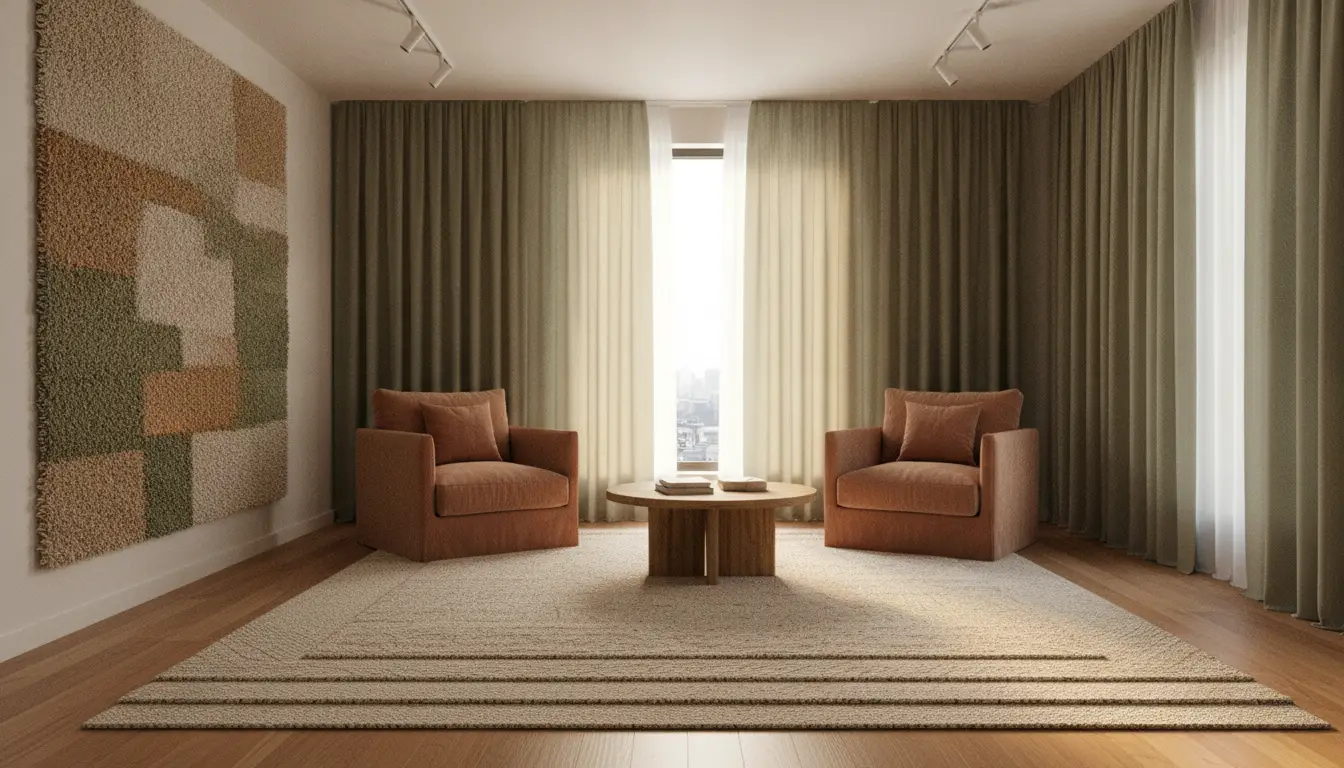
Ergonomics is the practice of designing spaces so the human body can move, rest, and function with minimal strain. While many people associate ergonomics with office setups, the reality is broader. Your bed, sofa, kitchen layout, and lighting all shape how your body feels every day.
A home can look beautiful yet quietly create discomfort.
A chair can feel soft yet fail to support your spine.
A kitchen can appear efficient yet force repetitive strain.
That is why ergonomics matters more than most people realize. It affects posture, sleep quality, energy levels, and long-term health. This guide explains what ergonomics means at home, why most spaces fall short, and how to fix it with practical changes.
What Is Ergonomics and Why Does It Matter in Your Home?
Ergonomics is the science of designing environments to match human physical needs. In a home, ergonomics connects furniture, layout, lighting, and daily habits into one system that supports the body.
A well-designed space reduces effort during routine tasks.
A poorly designed space forces the body into unnatural positions.
Over time, those small stresses turn into fatigue and discomfort.
Good ergonomics does not mean complicated design. It means aligning your environment with how your body naturally moves and rests.
Why Do Most Homes Fail to Support Proper Ergonomics?
Most homes fail because they are designed for appearance rather than function. Furniture is often chosen for style, while layout decisions are based on habit rather than movement efficiency.
The result is a subtle but constant strain.
A sofa may be too low, increasing pressure on the hips.
A table may be too high, forcing shoulder tension.
These issues rarely feel dramatic at first.
They build gradually, which makes them easy to ignore but hard to escape over time.
What Are the Key Elements of an Ergonomic Living Space?
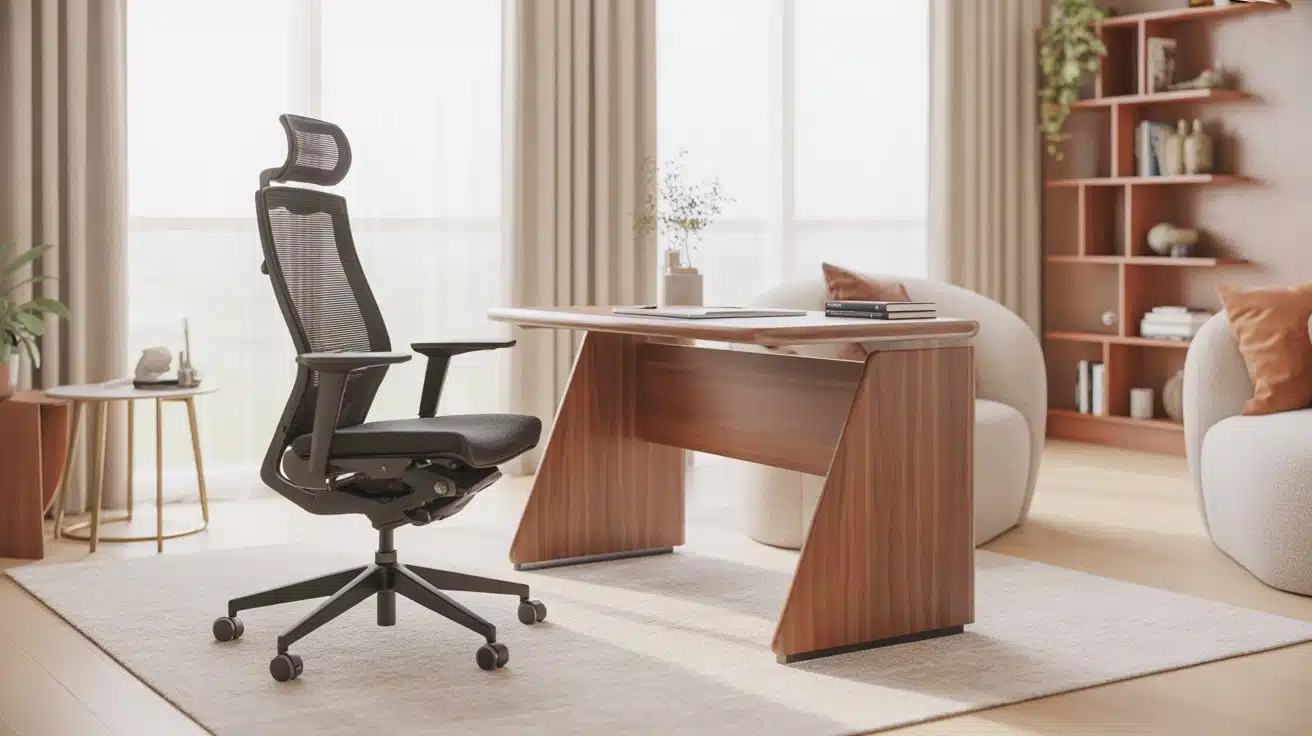
An ergonomic living space is a home where furniture, lighting, and layout work together to support comfort and movement. Each element plays a role, and improvements often come from combining small changes.
The five key elements include:
- Furniture design, because shape and support affect posture
- Lighting, because brightness and direction affect eye strain
- Layout and spacing, because they influence movement efficiency
- Movement flow, because tasks should require minimal effort
- Support surfaces, because height affects wrists, shoulders, and back
How Does Furniture Design Impact Comfort and Health?
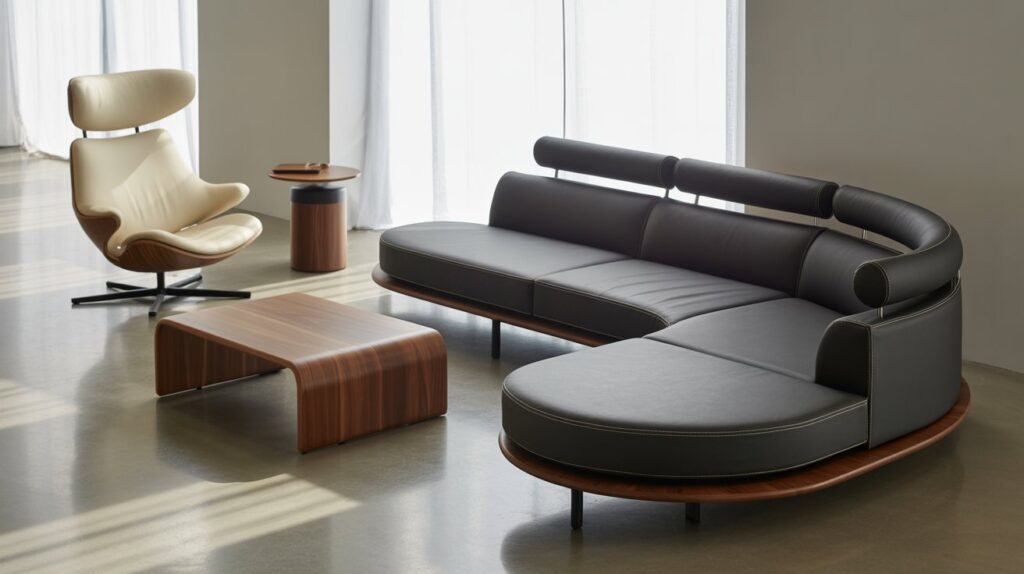
Furniture design affects comfort by directly supporting the body. Poorly designed seating can misalign the spine, while a supportive chair distributes weight evenly.
Good furniture reduces pressure points and supports neutral posture.
It allows the body to relax without collapsing into poor positions.
That difference becomes significant over long periods of use.
How Does Product Quality Influence Ergonomic Performance?
Product quality is the consistency of materials, construction, and design that determines how well a product performs over time in real-world conditions. In ergonomics, quality directly affects whether a chair keeps its support, whether a table stays stable, and whether materials maintain their intended structure.
Low-quality products often degrade quickly, losing the very features that make them ergonomic.
High-quality products maintain alignment, durability, and usability over extended periods.
That difference is not always visible at the time of purchase, which is why verification matters.
This is where a structured factory audit becomes relevant, as it helps ensure that products meet consistent manufacturing standards rather than relying only on surface appearance.
Why Is Lighting Important for Ergonomic Comfort?
Lighting is important because it affects both vision and posture. Poor lighting causes people to lean forward, squint, or make awkward adjustments.
Balanced lighting reduces eye strain.
It also improves mood and supports better sleep patterns.
Natural light is especially beneficial when properly controlled.
How Does Room Layout Affect Movement and Efficiency?
Room layout determines how easily you move through your space. Poor layout creates unnecessary steps, awkward reaches, and repeated strain.
Efficient layout reduces physical effort.
It also improves daily flow and productivity.
Small adjustments can make a noticeable difference.
What Are the Benefits of an Ergonomic Living Space?
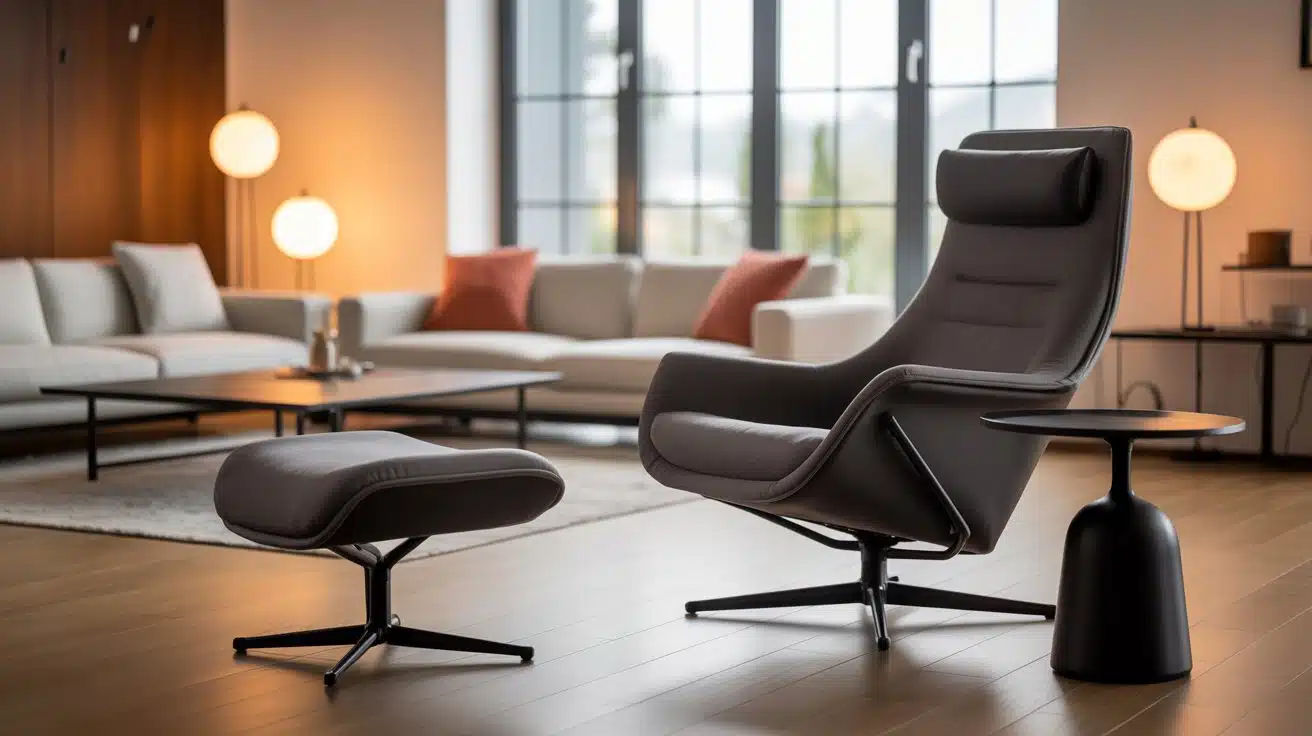
An ergonomic home delivers immediate and long-term benefits. Comfort improves quickly, but the real value appears over time as strain decreases.
The six main benefits are:
- Improve posture by supporting proper alignment.
- Reduce physical strain on joints and muscles.
- Increase productivity by reducing fatigue.
- Enhance relaxation through better comfort.
- Prevent long-term injuries from repetitive stress.
- Support better sleep through improved setup.
What Are the Common Ergonomic Mistakes People Make at Home?
Most mistakes come from ignoring how the body interacts with the environment. Many setups look fine but function poorly.
The five most common mistakes include:
- Using non-supportive furniture that lacks proper structure
- Placing screens too low or too far away
- Ignoring lighting quality and glare
- Maintaining poor posture habits
- Overcrowding rooms with inefficient layouts
How to Create an Ergonomic Living Space Step by Step
Improving ergonomics involves simple, practical steps. You do not need a full redesign to see results.
There are six key steps:
- Assess where discomfort appears most often.
- Adjust or replace problematic furniture.
- Improve lighting conditions
- Optimize the layout for easier movement.
- Build better posture habits.
- Test and refine based on daily use
How to Choose Ergonomic Furniture for Your Home
Ergonomic furniture is designed to support posture and reduce strain. It focuses on structure, proportions, and usability rather than just appearance.
When selecting furniture, consider height, depth, and support.
Make sure it matches your body and your daily use.
Durability also matters, as consistency in quality affects long-term comfort.
How to Optimize Lighting for Comfort and Functionality
Lighting optimization improves both comfort and usability. A layered approach works best, combining ambient, task, and accent lighting.
Use brighter light for tasks and softer light for relaxation.
Reduce glare by adjusting angles and surfaces.
Balance natural and artificial light for better results.
What Rooms Benefit the Most from Ergonomic Design?
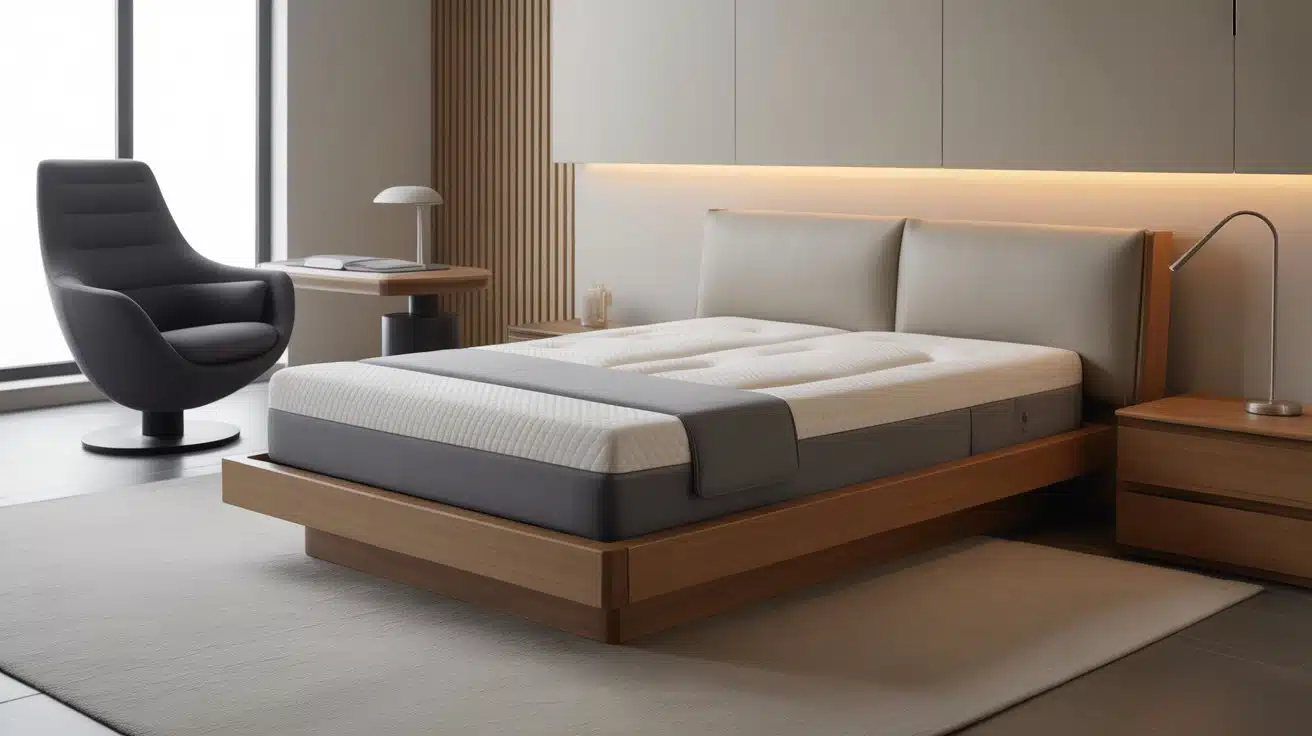
Certain rooms benefit more because they involve daily, repeated activities. These spaces have the greatest impact on comfort.
The most important rooms include:
- The bedroom, where sleep quality is determined
- Living room, where daily relaxation happens
- Kitchen, where repetitive tasks occur
- Home office, where posture is critical
How Can You Improve Bedroom Ergonomics for Better Sleep?
You can improve bedroom ergonomics by supporting proper alignment and reducing strain during rest.
Mattresses should support the body evenly.
Pillows should align the neck with the spine.
Essential items should be within easy reach.
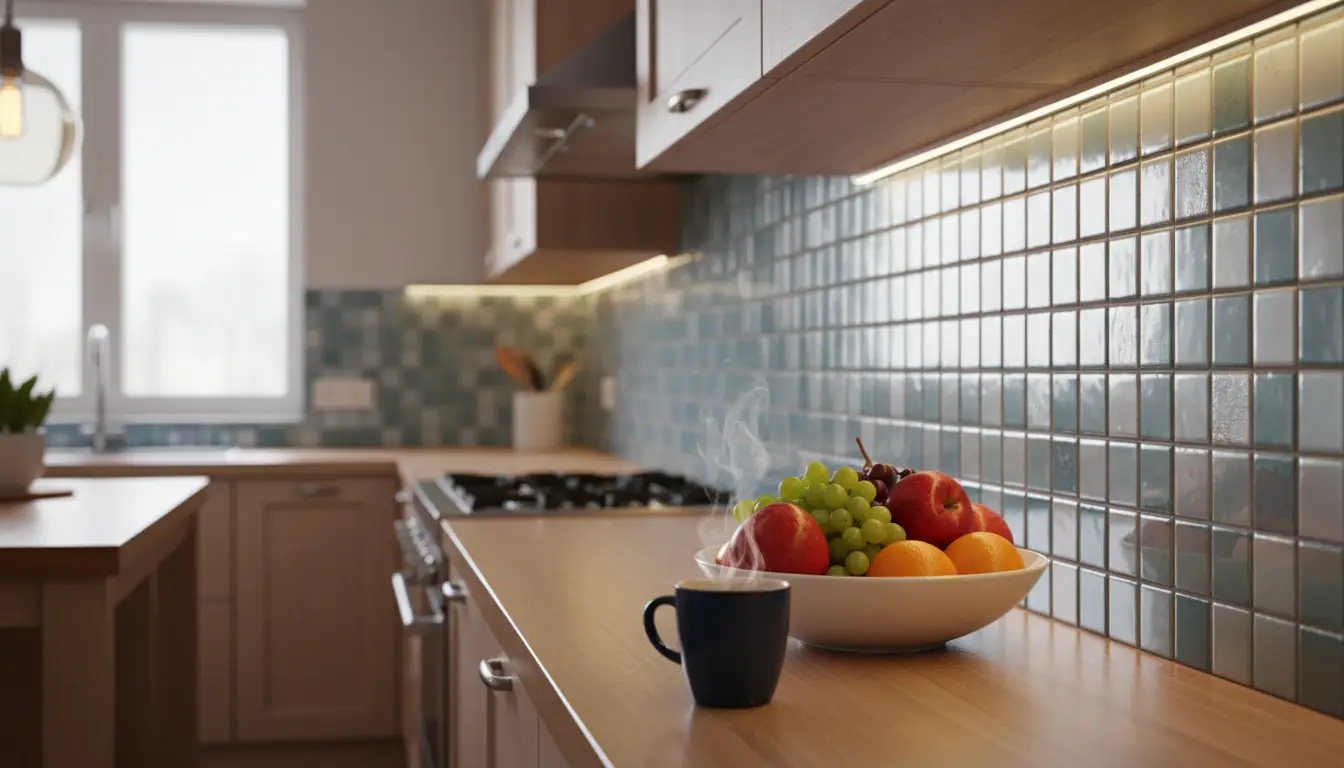
How Can You Make Your Kitchen More Ergonomic?
You can make your kitchen more ergonomic by reducing unnecessary movement and improving workflow efficiency.
Counters should match a comfortable working height.
Frequently used tools should be easy to reach.
Workflow should minimize bending and twisting.
For example, a well-placed stainless steel work table can create a stable prep zone that improves both comfort and productivity.
Ergonomics vs Aesthetics: Do You Have to Choose?
Ergonomics and aesthetics can work together. The best spaces combine visual appeal with practical comfort.
A stylish room should still support the body.
A functional room should still feel inviting.
The goal is balance, not compromise.
Factor | Ergonomics | Aesthetics | Best Outcome |
|---|---|---|---|
Comfort | High | Variable | Balanced |
Appearance | Moderate | High | Combined |
Practicality | High | Variable | Optimized |
What Does It Cost to Create an Ergonomic Living Space?
Creating an ergonomic living space can cost anywhere from $100 to over $2,000, depending on the scope of improvements.
Small changes like lighting adjustments are affordable.
Furniture upgrades represent the biggest investment.
Planning helps avoid unnecessary spending.
Energy efficiency also plays a role in long-term comfort and cost control, especially when optimizing how your home uses power and resources, which is why many homeowners explore strategies similar to those outlined in energy investment insights when planning upgrades.
Five factors influence cost:
- Furniture quality
- Room size
- Technology use
- Lighting upgrades
- Customization level
What Are Alternative Approaches to Improving Comfort at Home?
Comfort can also be improved through complementary strategies. Ergonomics works best when combined with broader lifestyle and design approaches.
Four alternatives include:
- Minimalist design to reduce clutter
- Smart automation for convenience
- Lifestyle adjustments like movement breaks.
- Better storage for accessibility
Conclusion
Ergonomics is the foundation of a comfortable home. It allows the body to function naturally without unnecessary strain.
Small changes can lead to significant improvements.
Better alignment, better lighting, and better layout all contribute.
Over time, those changes support health, energy, and overall well-being.
If your home feels uncomfortable, the issue may not be the space itself but how it is designed to interact with your body.