
Creating a safe and comfortable home is something many homeowners prioritize as their needs change over time. Whether you’re planning ahead for aging in place or simply looking to make your home more secure, safety-focused home improvements can make a big difference in everyday life.
The good news is that improving your home’s safety doesn’t have to feel overwhelming. With thoughtful planning and a realistic budget, you can make meaningful upgrades that support comfort, accessibility, and peace of mind.
Identify Areas of the Home That Pose the Highest Risk
The first step in planning safety improvements is identifying the areas of your home that may present the greatest risks. Certain parts of the house naturally require more attention, especially spaces where slips, trips, or falls are more likely to occur.
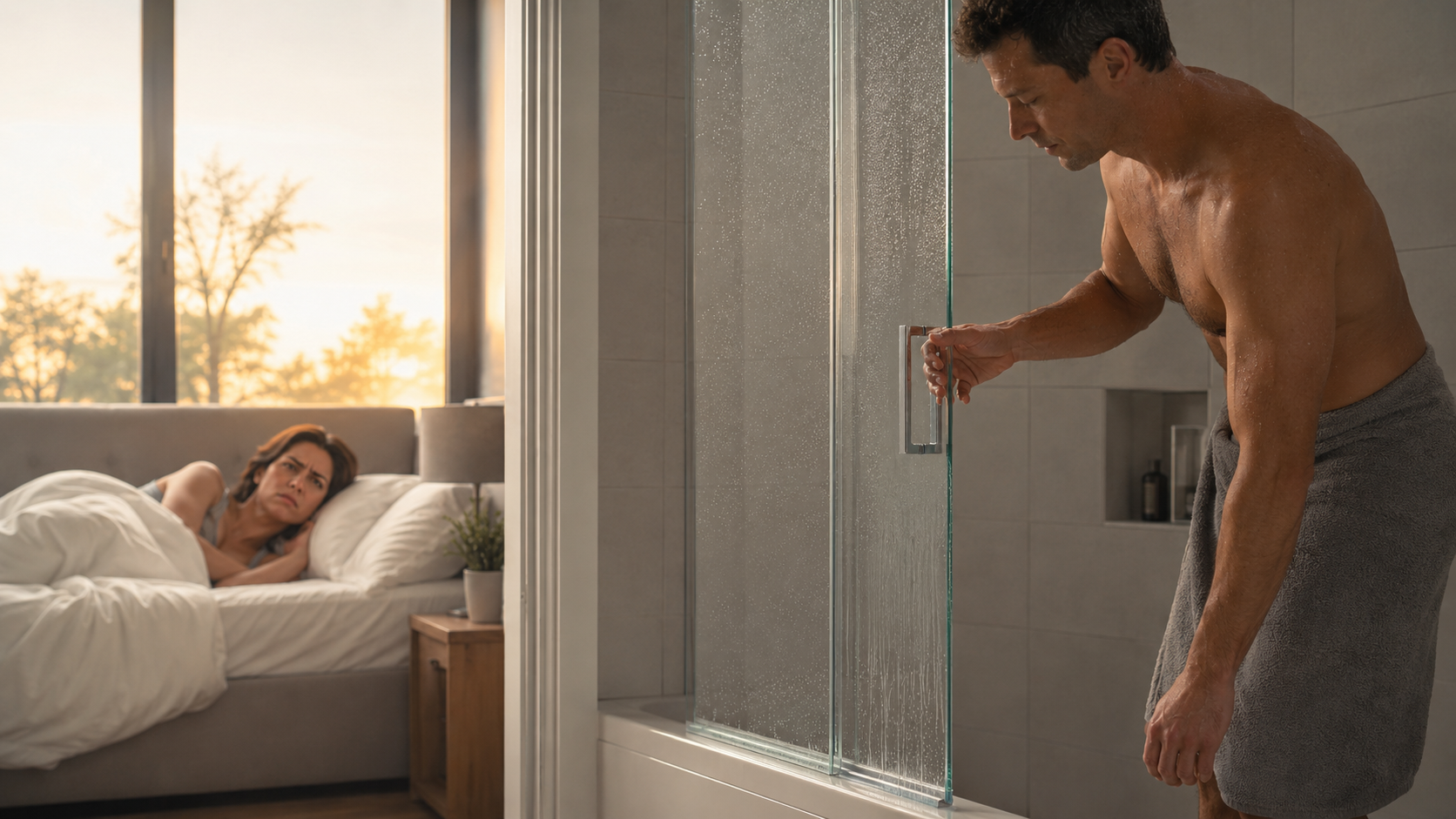
Bathrooms, for example, are one of the most common places where household accidents happen due to wet surfaces and limited mobility in tight spaces. Stairways can also pose challenges, particularly if railings are unstable or lighting is poor. Entryways, hallways, and uneven flooring are other areas worth evaluating.
Take time to walk through your home and look for potential hazards. Consider how easily someone could navigate each space and whether simple changes could make movement safer and more comfortable.
Prioritize Improvements That Reduce Fall Risks
Falls are one of the most common causes of injury at home, especially for older adults. For this reason, many homeowners start their safety upgrades by focusing on fall prevention.
In bathrooms, installing grab bars near showers, bathtubs, and toilets can provide extra stability. Non-slip flooring or mats can also help reduce the chance of slipping on wet surfaces. Walk-in bathing solutions are another option that eliminates the need to step over a high tub wall, making bathing easier and safer.
Other areas of the home can benefit from improvements as well. Sturdy stair railings, better lighting, and removing loose rugs can significantly reduce everyday hazards. By prioritizing these types of upgrades, homeowners can create a safer environment while addressing the most immediate risks first.
Create a Realistic Budget for Safety Upgrades
Once you’ve identified the improvements you’d like to make, the next step is developing a realistic budget. Some safety upgrades may be relatively affordable, while others, such as larger bathroom renovations, may require more planning.
Start by listing the improvements you want to prioritize and estimating the cost of each project. This can help you determine which upgrades should happen first and which ones can be planned for later.
If your budget is limited, consider breaking projects into phases. Addressing the most important safety concerns first allows you to gradually improve your home without feeling financially overwhelmed.
Look for Cost-Effective Improvements
Not every safety upgrade requires a major renovation. In fact, many smaller improvements can make a noticeable difference in the safety and usability of your home.
Simple upgrades may include installing brighter LED lighting in hallways, adding motion-sensor lights in entryways, or replacing traditional round doorknobs with lever-style handles that are easier to use. Anti-slip mats in bathrooms and kitchens can also provide extra stability in areas where floors may become wet.
These small improvements are often inexpensive but can greatly enhance comfort and safety throughout the home.
Use Financial Tools to Help Manage Upgrade Costs
Planning for home improvements often requires careful financial management. In addition to setting aside savings for larger projects, some homeowners explore financial tools that help them manage everyday spending more efficiently.
For example, certain banking services allow users to earn rewards on routine purchases. While these rewards won’t cover the cost of major renovations, they can provide small financial benefits that add up over time and help offset household expenses. When combined with consistent budgeting and savings habits, these tools can offer a little extra flexibility when planning future home upgrades.
Plan Ahead for Future Accessibility Needs
When making safety improvements, it can also be helpful to think about long-term accessibility. Planning ahead may allow you to avoid additional renovations later.
Features such as wider doorways, step-free entryways, and accessible bathrooms can make a home easier to navigate for people with changing mobility needs. Even if these upgrades aren’t immediately necessary, incorporating accessibility-friendly features when possible can improve convenience and usability for years to come.
By thinking about both current and future needs, homeowners can make smarter decisions about which upgrades will provide the most long-term value.
Consider Professional Guidance for Larger Projects
For larger home improvement projects, consulting a professional contractor or accessibility specialist can be helpful. These experts can recommend modifications that improve safety while maintaining the overall design and functionality of the home.
Professional guidance can also ensure that installations meet safety standards and building codes. In some cases, well-planned accessibility improvements may even increase a home’s long-term value, making them both practical and worthwhile investments.
A Safer Home Starts With Thoughtful Planning
Improving your home’s safety doesn’t have to happen all at once. By identifying potential hazards, prioritizing the most important upgrades, and creating a realistic budget, you can gradually make meaningful improvements that enhance both safety and comfort.
Small changes (like better lighting, grab bars, or non-slip surfaces) can have an immediate impact, while larger renovations can be planned over time. With careful preparation and a step-by-step approach, homeowners can create a living space that supports independence, accessibility, and peace of mind for years to come.