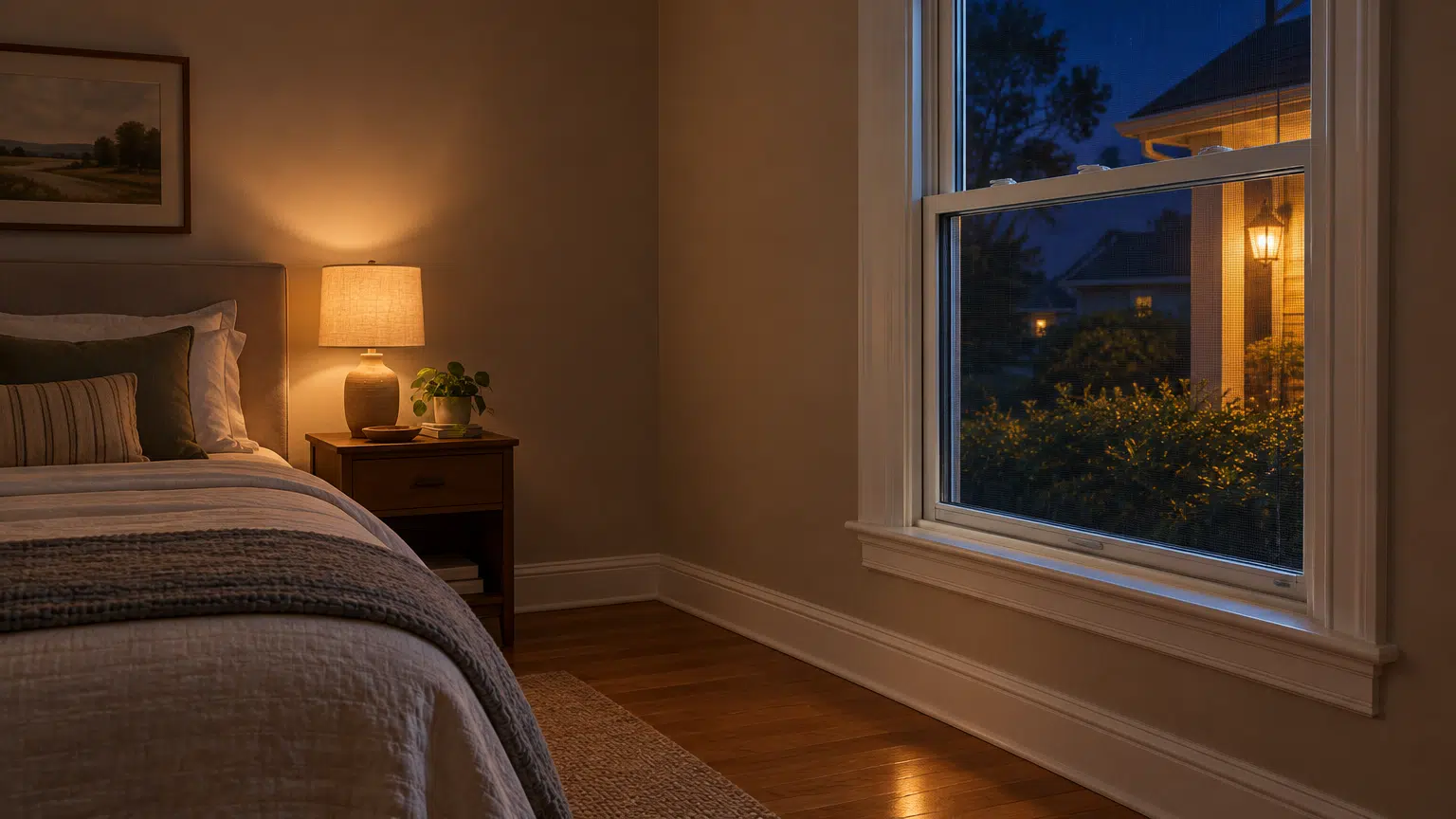
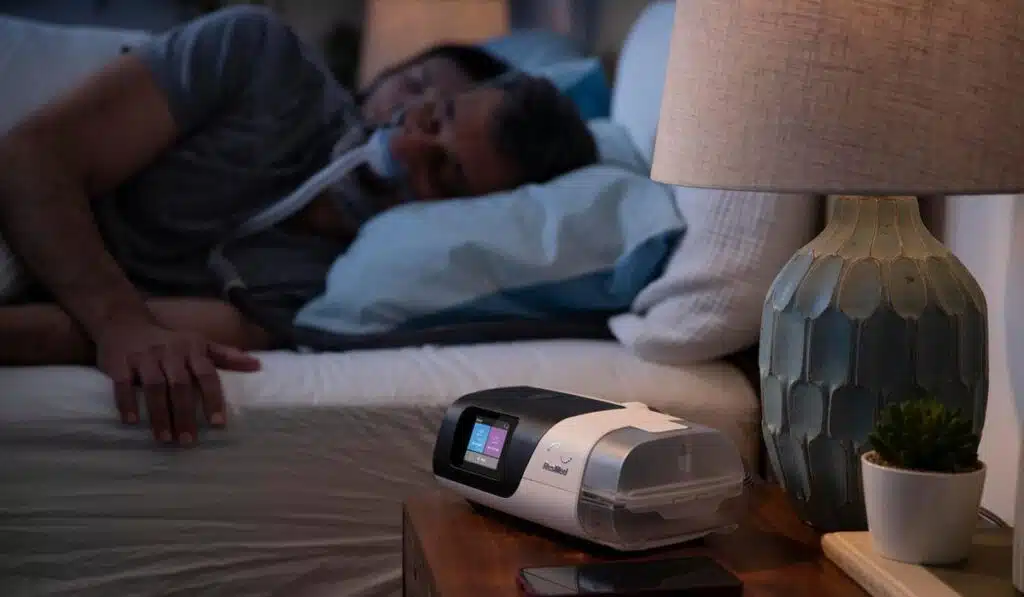
Waking up feeling groggy often stems from how you breathe during the night rather than just how many hours you sleep. Proper nasal breathing and deep diaphragmatic patterns help stabilize your oxygen levels and calm your nervous system for a truly restorative rest.
Many people find that preparing the body for this deep relaxation through tools such as infrared saunas from Sun Home Saunas can further prime the respiratory system for better performance. By adjusting these simple habits and prioritizing physical recovery, you can significantly improve your energy levels and overall sleep quality.
Read on to discover how these three simple breathing techniques can transform your daily energy and help you wake up feeling refreshed.
1. Effective Breathing Exercises for Better Sleep
If you are not yet working with a specialist, breathing exercises are a genuinely useful starting point. They require nothing but a few minutes and can begin improving how quickly your nervous system settles at night. A simple routine can meaningfully reduce pre-bed tension.
4-7-8 Breathing Technique
Inhale quietly through the nose for a count of four, then hold the breath for a count of seven. Exhale completely through the mouth for a count of eight. The extended exhale activates the parasympathetic nervous system, which governs rest and recovery. Two to four cycles before sleep can effectively calm the mind.
Diaphragmatic Belly Breathing
Place one hand flat on your chest and the other on your belly. Breathe slowly and deeply while focusing on expanding your belly rather than your chest. This grounds awareness in the body and encourages efficient breaths that counteract shallow stress breathing.
Alternate Nostril Breathing
Close the right nostril with your thumb and inhale through the left nostril. Then close the left nostril, release the right, and exhale. This technique is associated with nervous system balance and mental calm, making it perfect for nights with racing thoughts.
2. Essential Sleep Support Devices for Better Rest
Clinical data suggests that almost 30 million people in America live with obstructive sleep apnea (OSA) while roughly 80% of these individuals remain undiagnosed. Many people spending years blaming stress or aging for their fatigue may actually be dealing with a treatable breathing issue. Understanding this connection is the first step to feeling better.
Breathing exercises are a valuable tool, but work best as a complement to other strategies. For those with structural airway issues, exercises alone will not resolve the problem. Clinical intervention becomes necessary when natural techniques hit their physiological limits.
The two most common clinical options are CPAP and APAP. While CPAP delivers a consistent, prescribed pressure of air through a mask, modern APAP devices automatically adjust pressure throughout the night based on your breathing patterns.
Many individuals working toward better sleep find that newer models such as the AirSense 11 CPAP machine from RespShop are more user-friendly than previous generations.
Consistency is the cornerstone of effective therapy. Regular use of sleep support equipment correlates with significant improvements in daytime sleepiness and cognitive function. Success starts with comfort and proper acclimatization.
CPAP Comfort Tips
Starting any new piece of equipment takes adjustment, but discomfort usually fades within the first few weeks if you reduce friction during the transition. Simple setup changes can transform your experience.
- Prioritizing Mask Fit: Mask fit is the most important variable you can control. A properly fitted mask reduces air leaks, distributes pressure evenly, and prevents skin irritation. Finding a style that matches your facial structure is crucial for long-term adherence.
- Managing Hardware and Environment: Small adjustments to your equipment prevent midnight frustrations. Use hose clips to stop tubing from tangling, and look for built-in humidifiers to reduce the dryness and throat irritation often felt during winter months.
Regular cleaning keeps equipment hygienic and extends component life.
- Daily: Wipe the mask cushion with a mild, fragrance-free cleaner.
- Weekly: Wash the hose thoroughly.
- Monthly: Inspect filters to ensure optimal airflow efficiency.
3. Build a Better Wind Down Routine
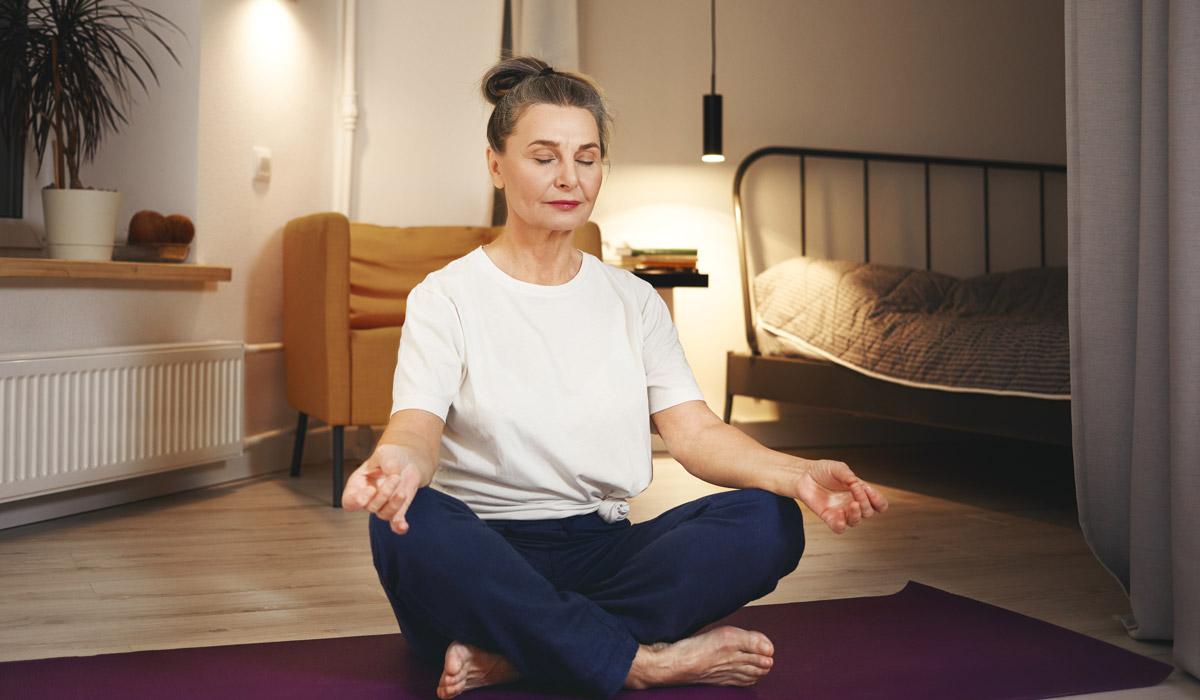
Photo from Freepik
A successful morning begins the night before by signaling to your brain that it is time to shift from high-alert productivity to rest. High-intensity light and mental stimulation keep cortisol levels elevated and delay the release of melatonin.
By intentionally slowing your heart rate and lowering your core body temperature, you create the physiological conditions necessary for deep sleep.
Strategic Environmental Cues
Your bedroom environment should act as a physical trigger for relaxation. Small adjustments to your surroundings can prevent the toss-and-turn cycle that often ruins the next day.
- Dim the Lights: Switch to warm, low-level lighting at least one hour before bed.
- Cool the Air: Aim for a room temperature of around 18°C to facilitate natural sleep cycles.
- Digital Sunset: Disconnect from blue-light devices to prevent cognitive overstimulation.
Physical Decompression Techniques
Focus on releasing the physical tension accumulated throughout the day. Muscle tightness often translates into shallow breathing patterns, which can disrupt your sleep quality.
- Gentle Stretching: Target the hips and neck, where most people carry daily stress.
- Progressive Relaxation: Consciously tense and release each muscle group from toe to head.
- Focused Breathing: Transition into the nasal breathing patterns discussed earlier to stabilize your heart rate.
Consistency transforms these actions into automatic habits. When you repeat the same sequence every night, your nervous system begins to relax the moment you start your routine. This preparation ensures that when your head hits the pillow, your body is already primed for a restorative night.
When to Talk to a Professional
If morning headaches, unexplained fatigue, and loud snoring remain consistent issues, it is time to schedule a conversation with a licensed specialist.
Projections suggest that by 2050, obstructive sleep apnea cases will rise by 34.7% to exceed 76 million people worldwide. You should feel comfortable visiting a medical professional with a simple openness to inquire rather than a need for pre-determined solutions.
A formal sleep evaluation provides absolute clarity about what is actually happening during the night. Healthcare providers can open the door to solutions that are built precisely around your specific respiratory needs. They can also explain how different therapeutic devices work and set accurate expectations for treatment.
Better Mornings Are Closer Than They Feel
Think back to the heavy head and the sense that your body never truly rested. That experience does not have to define every single morning of your life. Changing your energy levels does not require an impossible lifestyle overhaul, but rather a focus on fundamental sleep hygiene.
It starts with recognizing the signs that nighttime breathing may not be working efficiently. It continues with small, actionable steps like trying a breathing technique before turning out the lights. Modern interventions have made achieving restorative, uninterrupted sleep more accessible than ever.
The journey to better mornings is not about trying harder or consuming more caffeine. It is entirely about breathing better and letting your body finally heal in the dark. Take the necessary steps to support your airway, and watch how your daytime energy transforms naturally.