For decades, we designed homes to resist the passage of time. Finishes were chosen for their resistance to visible wear, renovations were timed to keep up with trends, and the goal was a home that looked as close to newly finished as possible for as long as possible.
That thinking is beginning to change. Increasingly, homeowners and designers are choosing materials for their character and for the timeless qualities they bring from the outset. Raw brass and bronze develop a rich patina. Timber deepens in tone and character. Natural stone becomes softer and more expressive through everyday use. Others, like antique finishes, bring a sense of history and permanence from the moment they’re installed.
The homes that embody this approach tend to feel different from the ones around them. They feel collected rather than assembled, personal rather than staged, and genuinely comfortable in a way that pristine interiors rarely achieve. That quality begins with a single decision made early in the design process: choosing materials that are made to improve rather than simply endure.
The Shift Away From Disposable Design
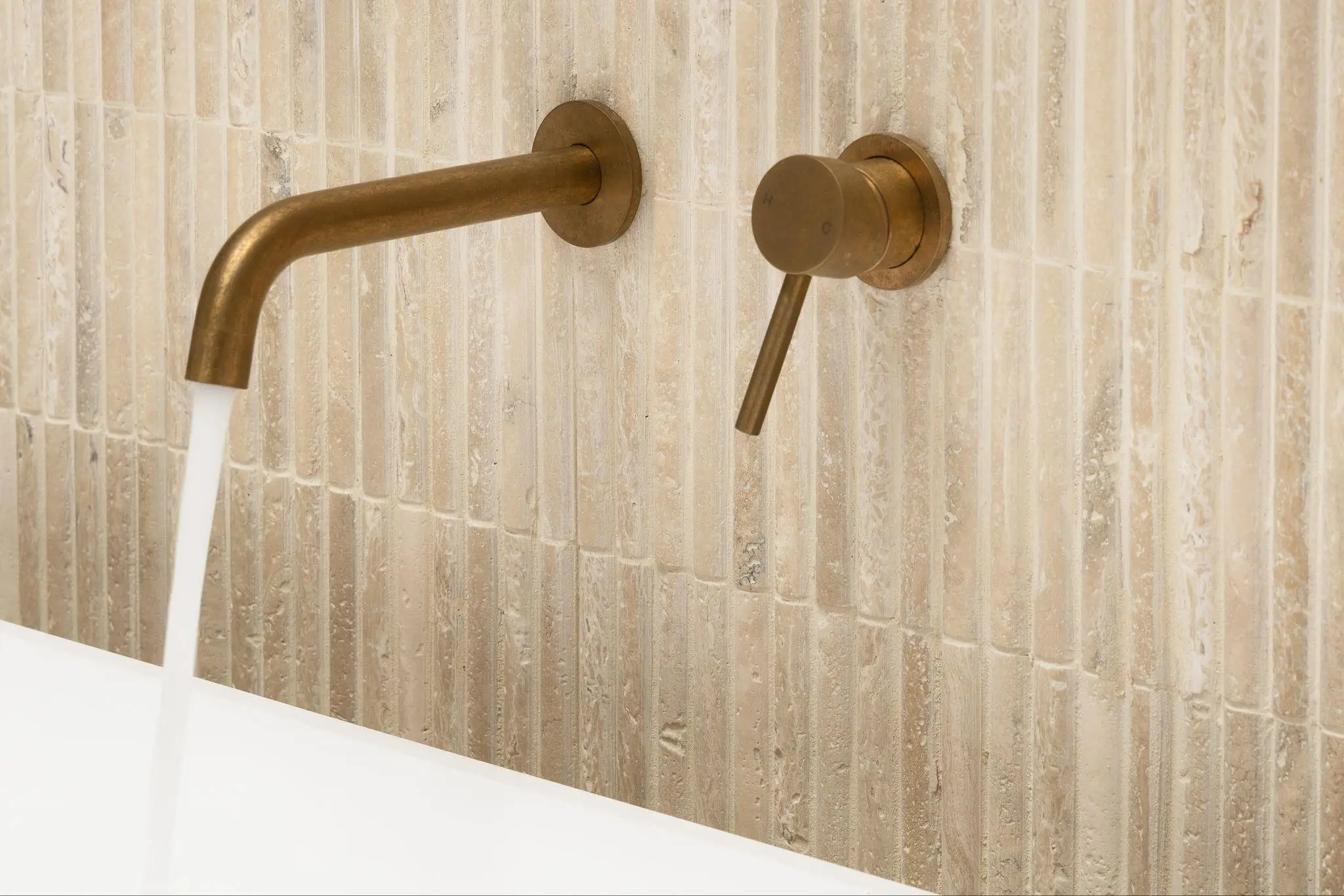
The move towards longer-lasting, more considered interiors reflects a broader cultural shift that has been gathering momentum for years. Homeowners are becoming less interested in keeping pace with short-term trends and more interested in making more informed decisions that continue to reward them over time.
This is evident in renovation priorities, in the growing preference for quality over quantity, and in the increasing appreciation for materials with genuine provenance and craftsmanship. Homes designed around permanence and authenticity tend to feel more satisfying than those that rely on continual updates to remain relevant.
It’s also a practical decision. Choosing a material that will look better in twenty years than it does today is often more economical than choosing one that will require replacement or refinement as it begins to show its age. In the very best materials, longevity and beauty become one and the same.
Why Character Matters More Than Perfection
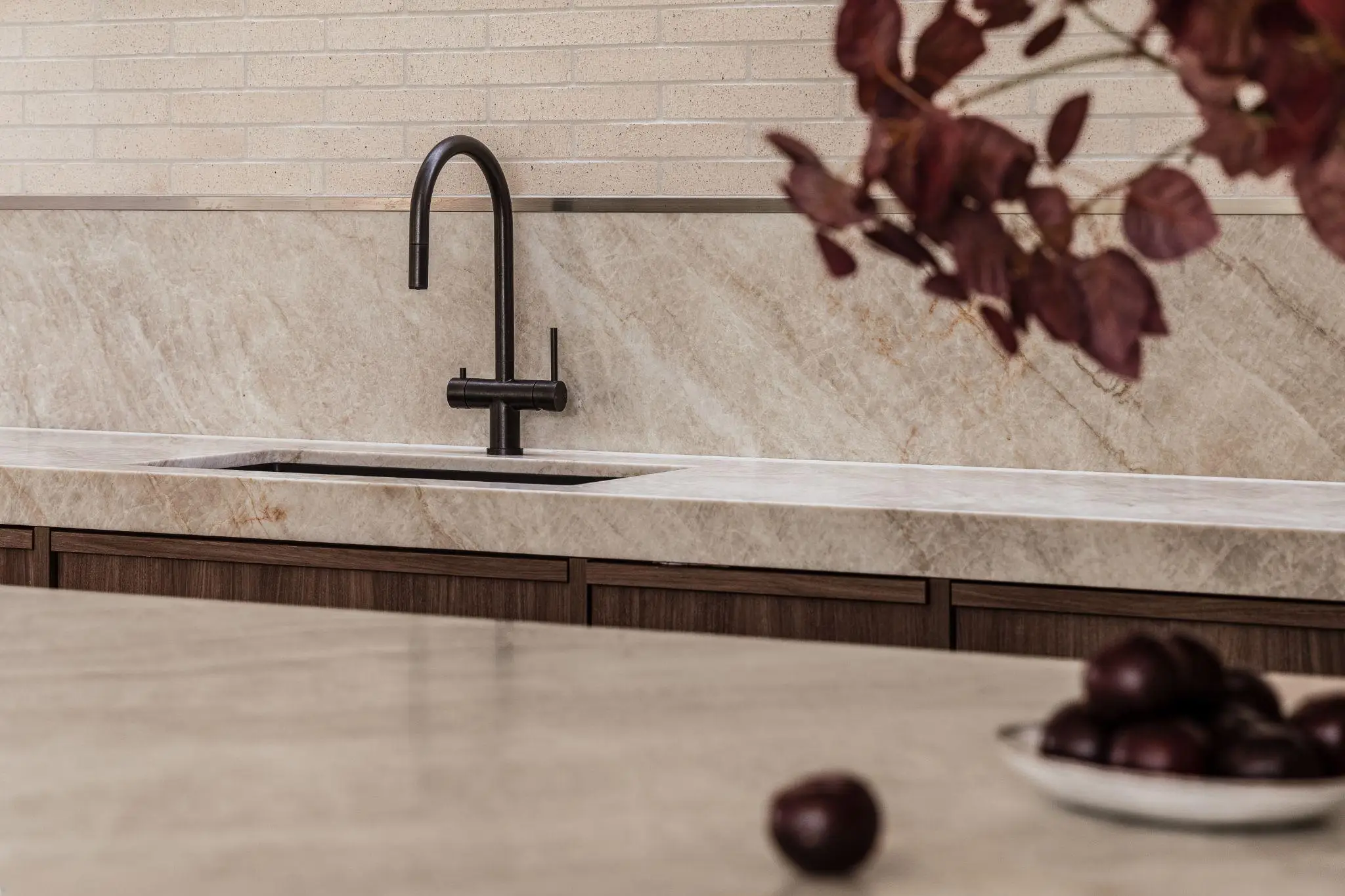
There’s a Japanese concept called wabi-sabi that celebrates beauty in imperfection and impermanence. While most homeowners aren’t consciously designing around this philosophy, many are instinctively drawn towards the same idea: a preference for materials that tell a story rather than those that simply remain pristine.
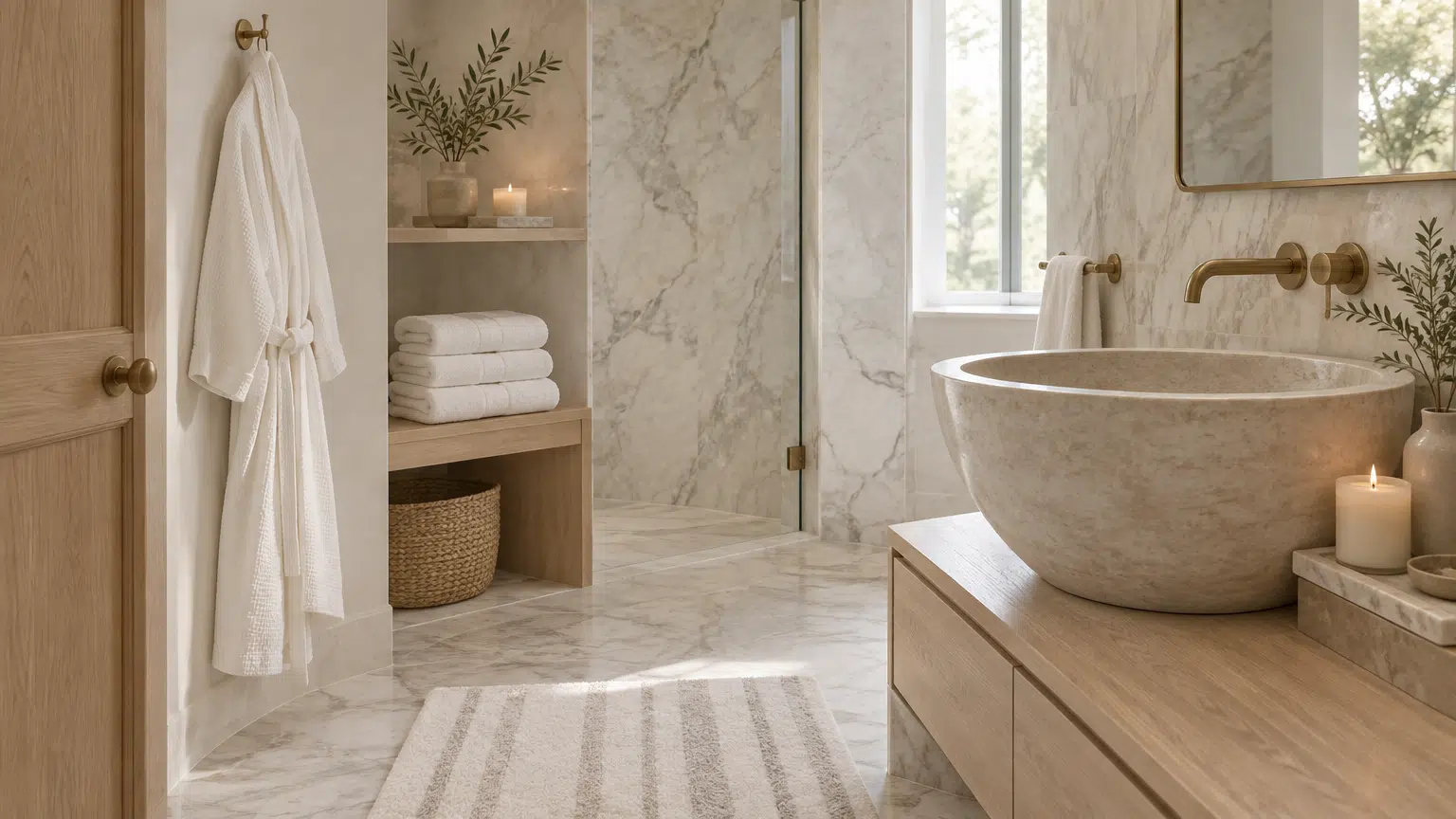
Timber acquires richness and depth as it ages, with its grain becoming more pronounced and its colour warmer over time. Natural stone responds to the unique conditions of the home it inhabits, developing character that manufactured surfaces cannot replicate. Bronze and brass slowly darken and evolve with every touch, creating a finish that feels genuinely alive. These changes are not flaws to be managed but qualities that give a home authenticity and a strong sense of place.
There’s also a psychological benefit to living with materials that age gracefully. A home filled with surfaces that show every mark creates a subtle but persistent sense of fragility. By contrast, a home filled with materials that absorb the character of everyday life feels more relaxed, more forgiving, and ultimately easier to live in.
The Appeal of Honest Materials
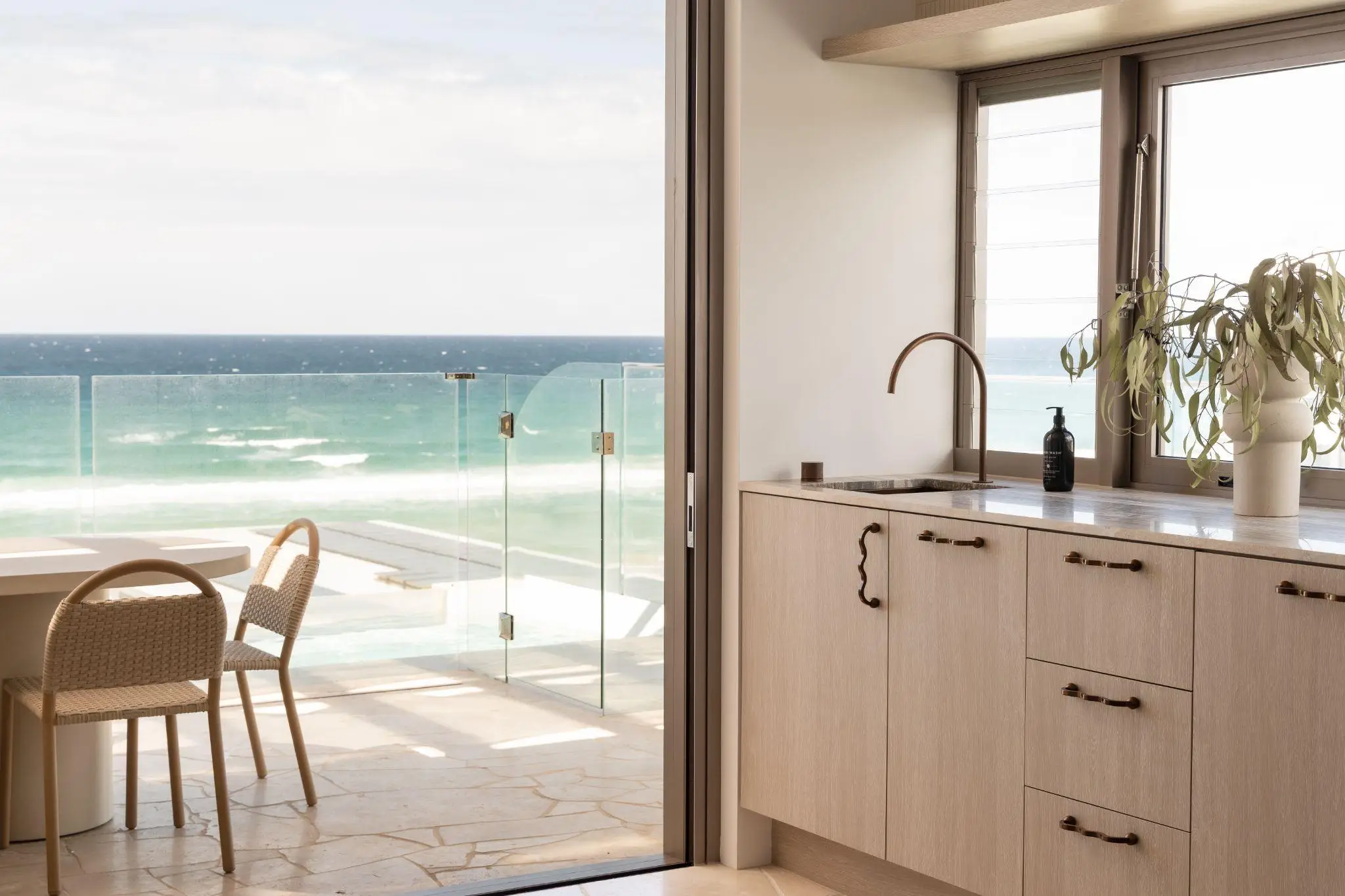
Materials that continue to appear throughout design history all share one quality: they are honest about what they are. Solid timber looks and behaves like timber. Natural stone reveals its geological character. Brass develops character through use.
Their appeal comes from authenticity rather than imitation, something that has become increasingly valuable in an interior landscape dominated by engineered surfaces and decorative finishes designed to mimic something else.
Choosing honest materials also connects a home to craftsmanship in a meaningful way. A solid timber floor, a hand-finished stone surface, or bronze door handles carry with them evidence of the skill required to make them. That quality is felt in everyday life, even when it goes unnoticed, contributing to the atmosphere of a home in ways that synthetic alternatives rarely do.
Why Hardware Plays a Bigger Role Than Many Realise
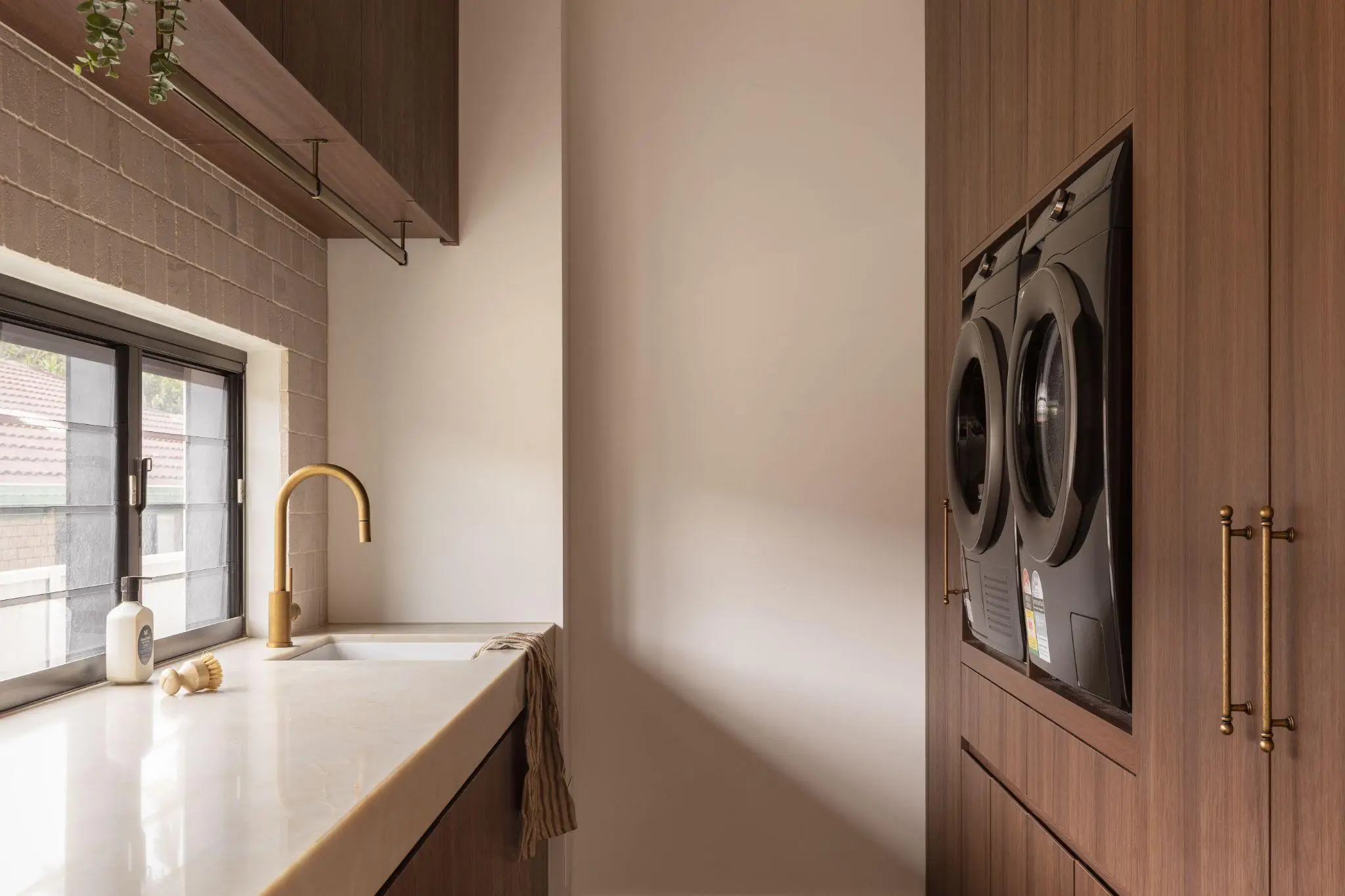
Door handles are among the most frequently touched elements in any interior, yet they’re often one of the last details to be specified. Every door that’s opened, every drawer that’s pulled, and every cabinet that’s reached for becomes another interaction with the material itself. Over time, those small moments shape how a home feels to inhabit.
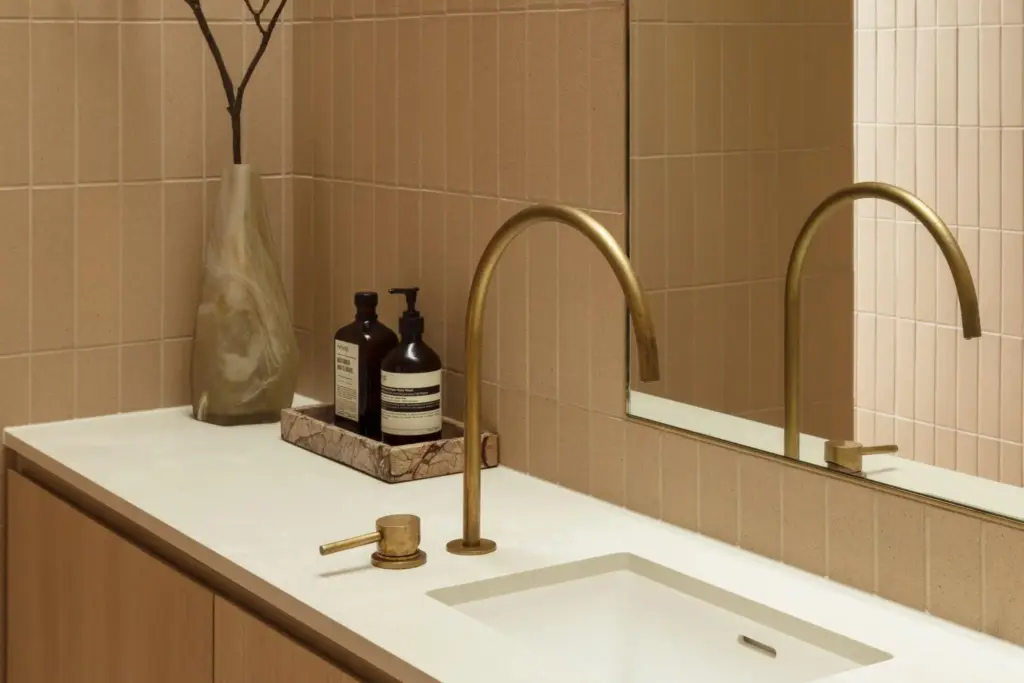
This is why material choice matters as much here as it does anywhere else. Bronze and antique brass door handles develop a rich patina that becomes more distinctive with use, while their weight and tactile quality communicate craftsmanship in a way that lighter, coated alternatives rarely can. Their warm, aged appearance sits naturally alongside timber, natural stone, and textured finishes. Whether the finish continues to evolve over time or has been carefully aged to achieve a timeless look from the outset, thoughtfully chosen hardware brings depth, authenticity, and lasting character to the home.
Designing a Home That Evolves With You
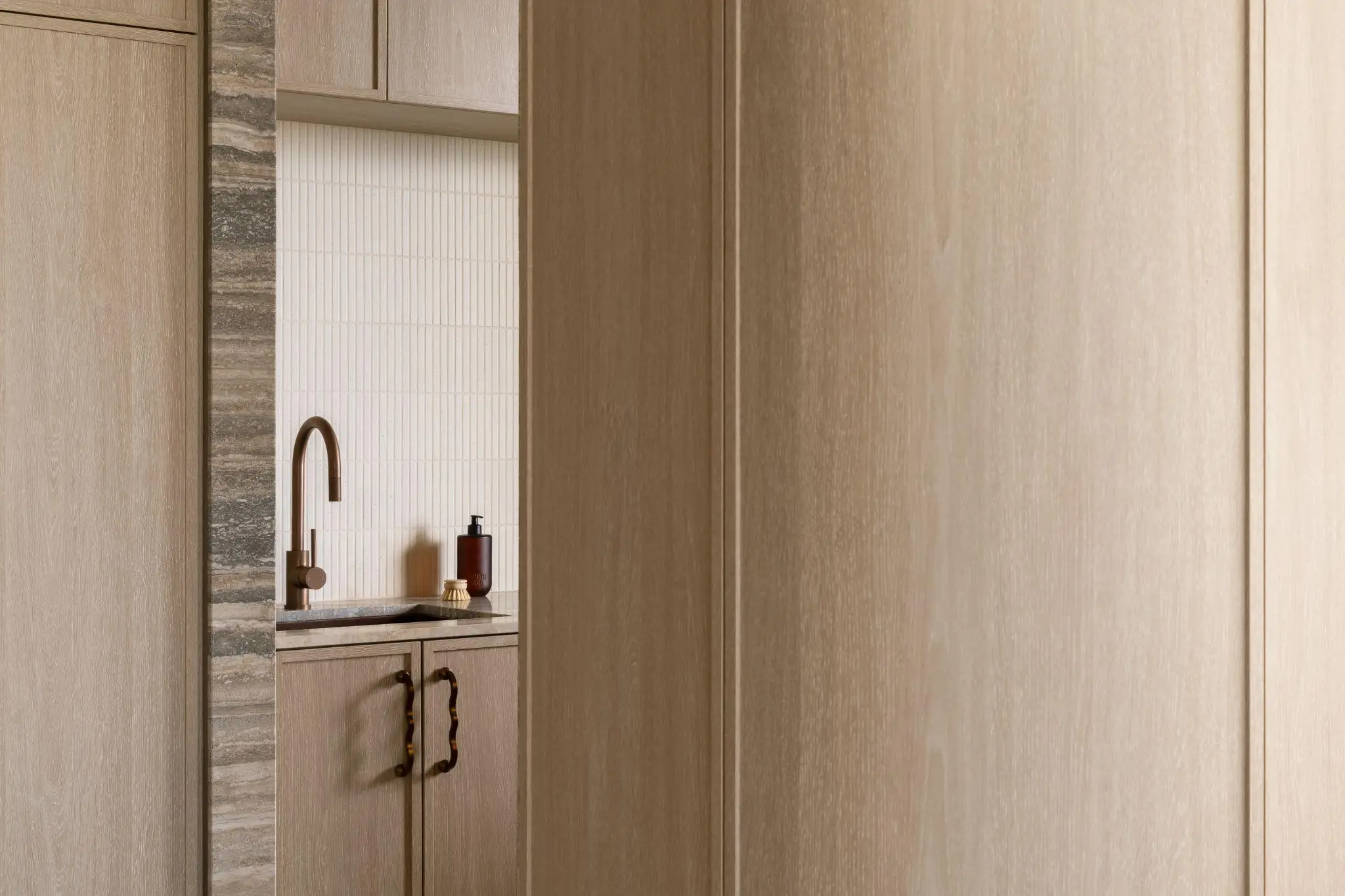
The most memorable homes tend to feel layered. Not cluttered or busy, but thoughtfully accumulated over time, reflecting the lives of the people who inhabit them. While this quality cannot be manufactured overnight, it can be encouraged from the very beginning by choosing materials and finishes with enduring character.
Good design accommodates life rather than resisting it. A home designed to look exactly the same in ten years as it does today demands constant maintenance and careful preservation. By contrast, a home built with timeless materials develops a richer sense of place over time, allowing everyday living to become part of its story rather than something to be hidden away.
Longevity as the New Luxury
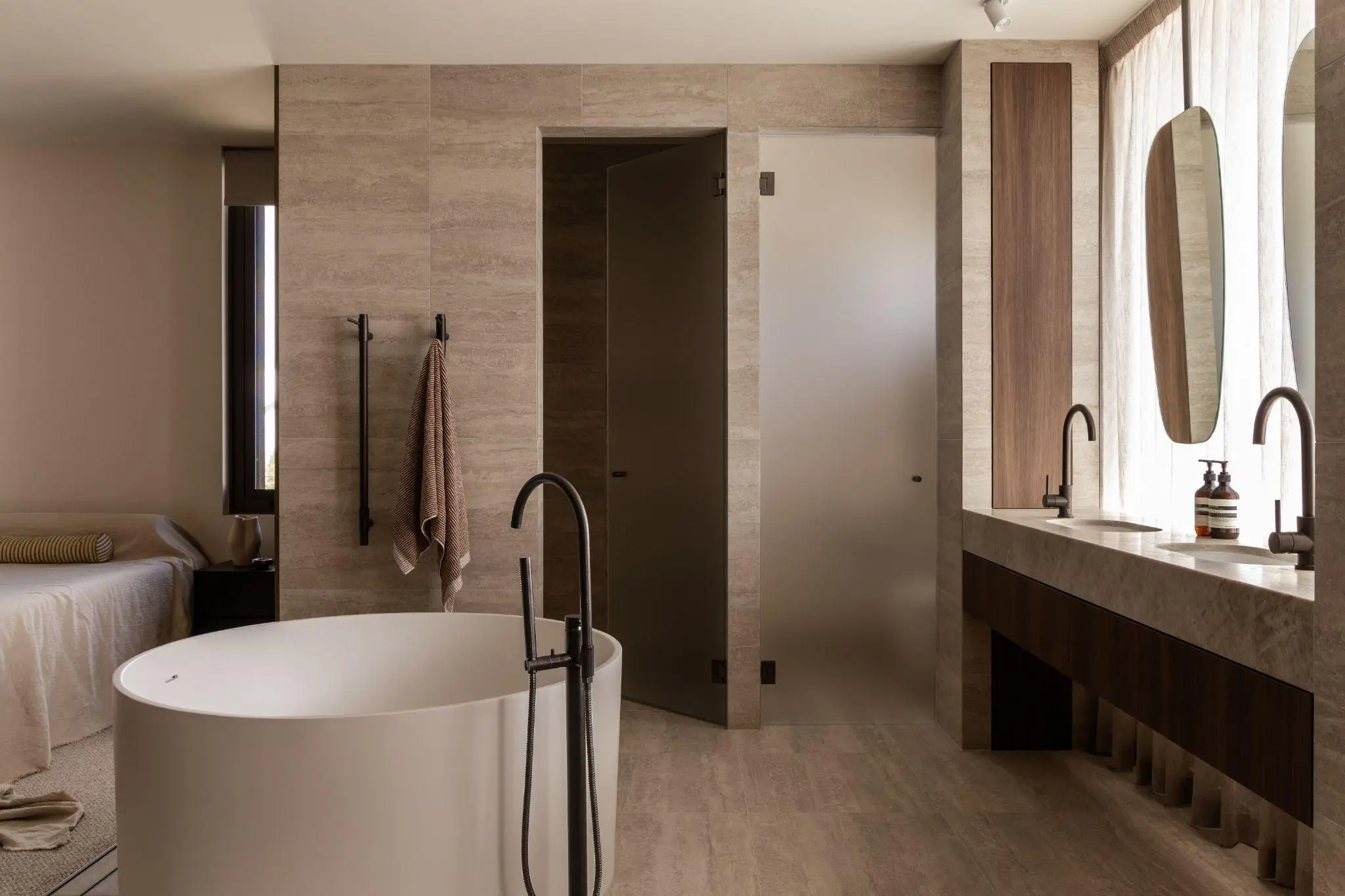
The definition of luxury is quietly changing. Where it once centred on newness, scale, and conspicuous expense, it is increasingly defined by craftsmanship, authenticity, and materials chosen for lasting character.
In the end, the homes that stand the test of time are those built on thoughtful decisions from the very beginning. By choosing materials and finishes with enduring character, a home becomes more than a collection of beautiful objects. It becomes a place that grows richer in meaning through the life lived within it.