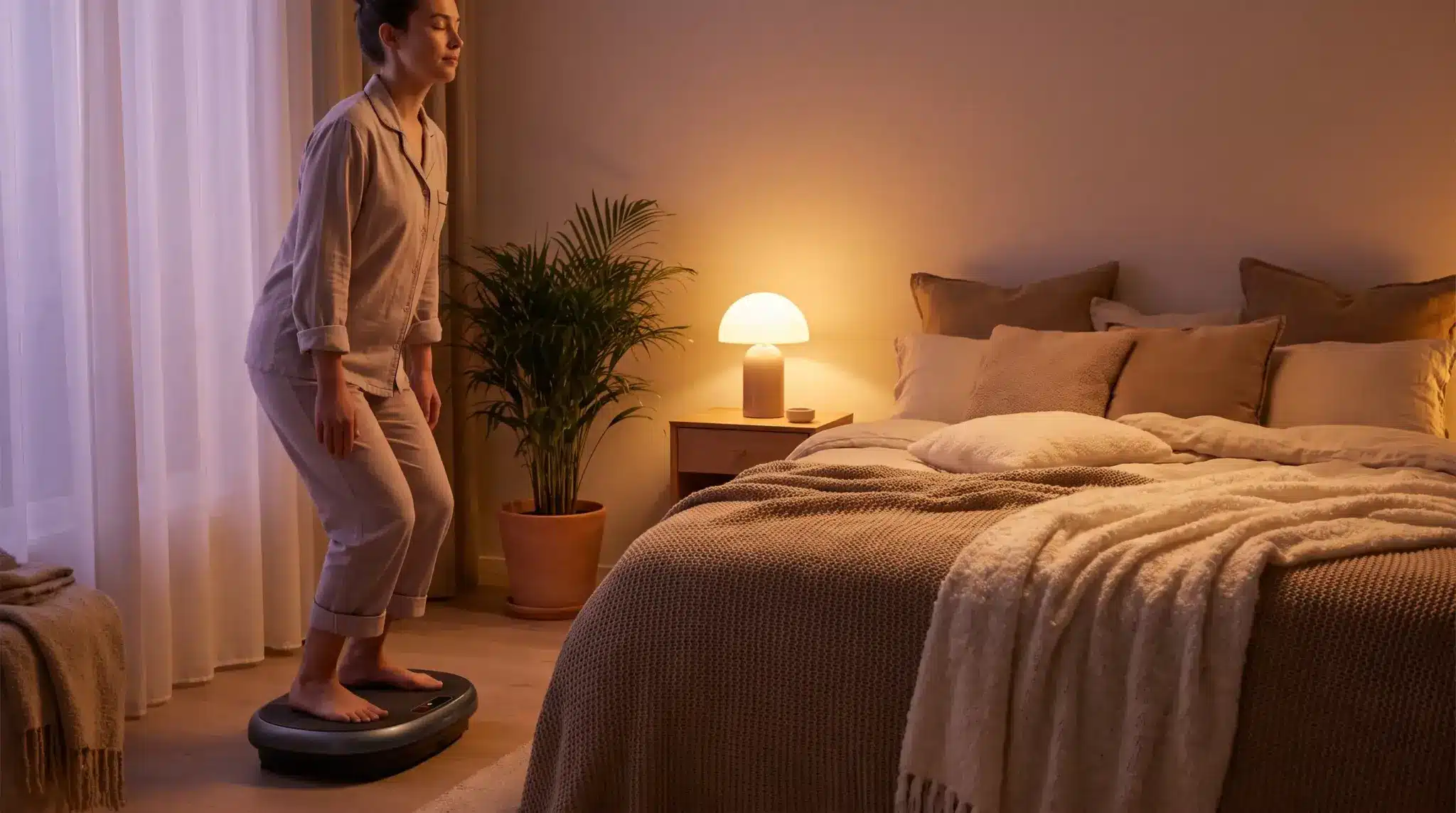

The freelance life is usually sold to us as this ultimate dream of freedom and flexibility. You know the pitch: work from a coffee shop, set your own hours, and never answer to a boss again. But honestly? There is a silent tax that so many of us pay for this lifestyle, and it almost always comes out of our sleep budget.
If you have ever found yourself staring at the ceiling at 3:00 AM—that specific kind of quiet where the hum of your laptop charging actually feels loud—wondering if you sent that one invoice, you are so not alone. Have you ever felt like your brain simply forgot how to hit the “off” switch?
Sleep struggles are just a part of the gig economy deal, I guess. But they do not have to be permanent. Maybe we just need to be a little bit kinder to ourselves.
The Boundary Problem
The biggest challenge for most freelancers is the lack of physical and mental boundaries. When your living room is also your office, the lines between “professional you” and “resting you” get incredibly thin. There is no commute to help you decompress. There is no office door to slam shut at the end of the day.
And this lack of separation means your brain stays in work mode long after the sun goes down. You might be sitting on the couch trying to watch a movie, but your mind is still iterating on a client request or a line of code. It is exhausting. You know that feeling when you are supposedly relaxing but your shoulders are still up to your ears? And that is the point. This constant mental noise makes it nearly impossible to actually drift off. We need a buffer zone. But in this world, we usually work right up until the second we close our eyes.
The Stress of the Unknown
Financial stress is another major thief. Freelancing is often a cycle of feast or famine. One month you are on top of the world, and the next you are checking your bank account every ten minutes. This uncertainty triggers something deep in the brain.
It is hard to fall into a deep sleep when your subconscious is preoccupied with lead generation or cash flow. I suppose that is why the middle of the night feels so heavy sometimes.
To manage this, a lot of freelancers turn to tools that automate the stuff that keeps us up. For example, using reliable accounting software can help you track payments and manage expenses without all the mental gymnastics of manual spreadsheets. When you can actually see your numbers and know the billing is handled, a huge layer of “what if” stress just evaporates. It is like taking a massive deep breath. Having systems like that lets you delegate the worry to the software so your brain can finally take the night off.
The Revenge Bedtime Procrastination

Have you ever finished a long, grueling day and then stayed up for three more hours scrolling through your phone for no reason? This is called revenge bedtime procrastination.
Because we often feel like we have no control over our daytime hours—thanks to demanding clients or tight deadlines—we “take back” our freedom late at night. It feels like a win in the moment. You finally have quiet time that belongs only to you. We are just hungry for a second of peace, you know?
But the habit is a trap. You stay up late to feel in control, you wake up feeling like a zombie, and then you work less efficiently the next day. Then you feel like you have to stay up late again to make up for it. Is it really worth the exhaustion? Probably not. Breaking this cycle means realizing that rest is not a reward for a productive day. It is a requirement for one.
Practical Steps to Better Rest
Fixing this mess requires a mix of environmental changes and some serious mental shifts. It starts with a dedicated workspace. Even if you live in a tiny studio, try to avoid working from your bed. Your brain needs to associate the bed with sleep and nothing else. If you work where you sleep, your brain will start to associate the bed with the stress of unread emails.
And that is a perfect recipe for insomnia. Trust me on this one.
Second, create a shutdown ritual. This could be as simple as writing a messy to-do list for tomorrow, closing all your browser tabs, and physically walking away from the desk. This ritual acts as a signal that the “office” is closed.
Third, watch the light. Most freelancers are glued to screens for ten or twelve hours a day. Try to implement a “digital sunset” at least one hour before bed. But what does that actually look like? Read a book, listen to a podcast, or just sit in dim lighting. Maybe even light a candle if you are feeling fancy.
Embracing the Slow Down
It is important to remember that you are more than your output. The hustle culture we live in makes us feel guilty for sleeping. We feel like if we are not working, we are losing money.
But the reality is that a well-rested freelancer is a more creative and efficient one. You will get more done in four focused hours after a good night of sleep than you will in eight hours of groggy, caffeinated labor. I have been there, and I promise it is never worth the trade-off.
So, give yourself permission to turn off. The emails will be there in the morning. The projects can wait. Your health and your sanity are the most important assets in your business. When you protect your sleep, you protect your career. And you deserve to wake up feeling like a human being again.