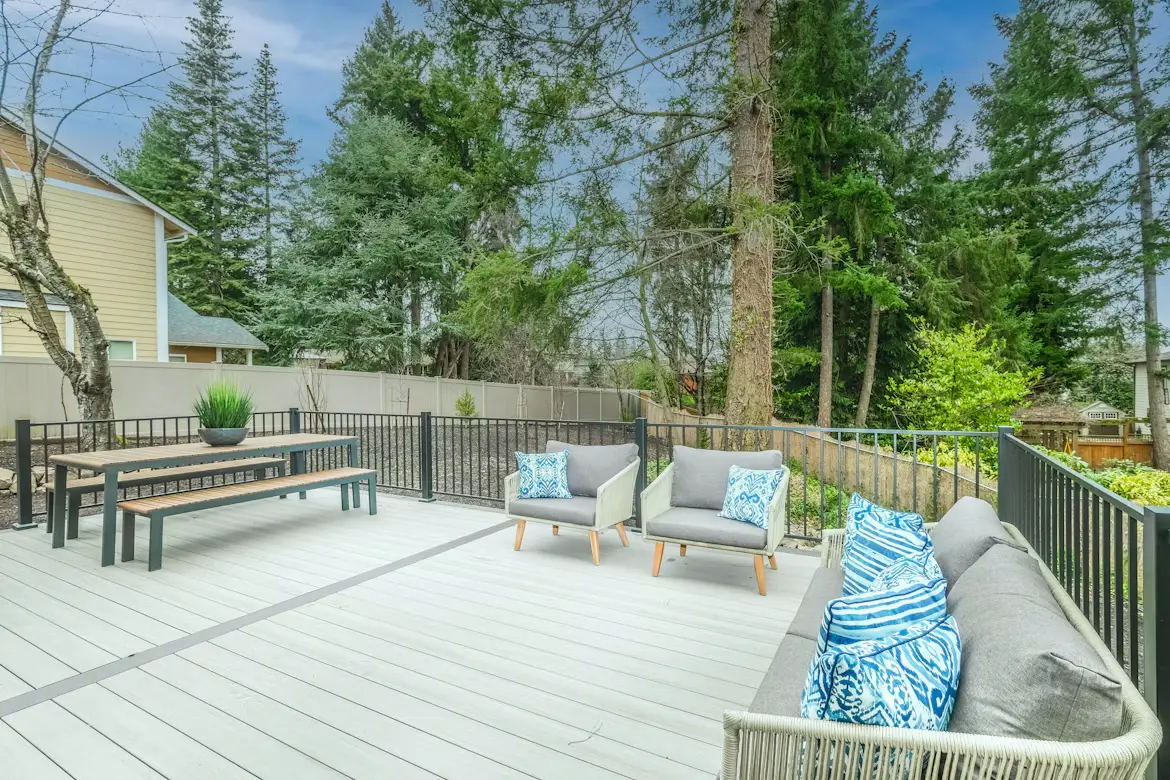
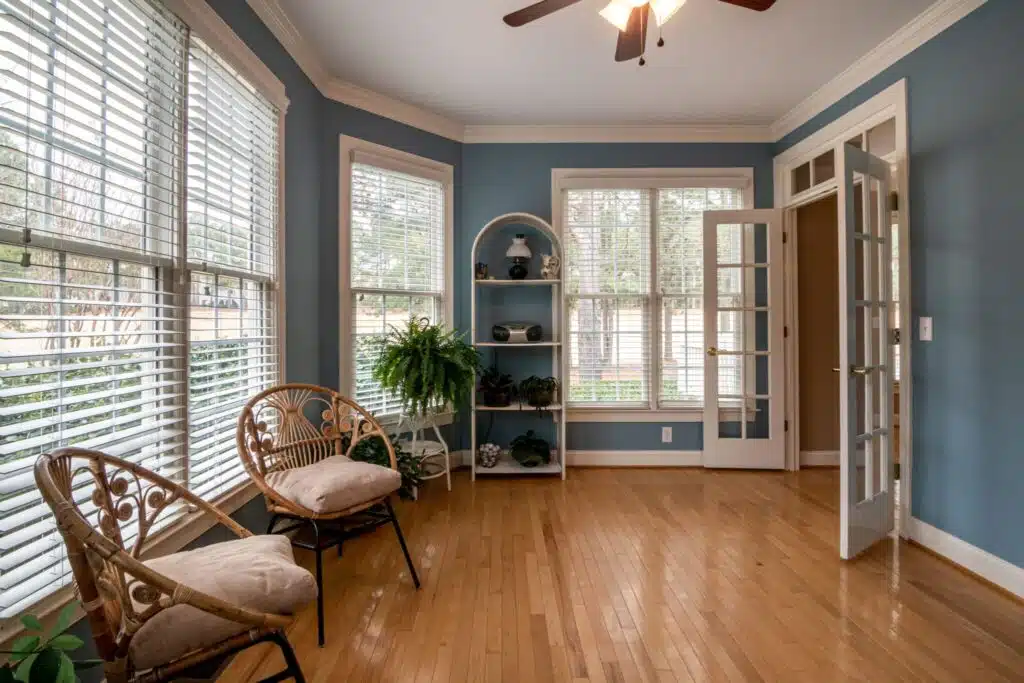
Throughout history, sunshine helped shape our expectations and experiences of interiors. With the proper design, the rays of the sun had the power to inundate even the cavernous interiors of cathedrals and flood the vast halls of palazzos.
For the rest of us, natural light streaming through the windows of homes was (and is) a daily joy.
The Engineering Challenge Most People Underestimate
Allowing natural light into a house is easy. Doing it without sacrificing thermal performance is hard. That’s the actual design challenge that distinguishes thoughtful daylighting from, as they say in the trade, “just cutting a hole in the roof”.
Every penetration in a building’s envelope is a potential loss of heat or gain of solar heat. The Solar Heat Gain Coefficient (SHGC) and U-value of any glazing system are the indicators that tell you how much of the sun’s energy is allowed to pass through the glass and how quickly heat is transmitted across it. A skylight that works perfectly in winter, not allowing warmth to escape, can be a nightmare in summer if the SHGC isn’t carefully chosen for the building’s orientation and local climate.
Low-E coatings on double or triple glazing do a lot to maintain this balance, but the frame and installation method are just as important as the glass. Thermal Bridging, where conductive materials provide a heat bridge around the insulation, is the most common failure in cheap glazing units. It doesn’t make you any warmer in winter or cooler in summer, but it does make your power bill significantly more expensive.
That’s why high-spec, engineered flat roof skylights are increasingly the choice of the high-end custom builder. Companies like Sunsquare Skylights engineer their systems in a singular piece of glass, which prevents both thermal bridging and water ingress at the frame junction, two weak points that most off-the-shelf products struggle with when used on flat or low-pitch roofs where water pooling is a real risk.
The Wellness Case is no Longer Optional
Clients who want custom-built homes have been changing their tune over the last decade. With the rise of an overall design-conscious culture, often spurred by revelatory visits to chic boutique hotels or beautiful Airbnb’s, expectations for a new residence have shifted away from material finishes, granite countertops, or square footage.
A home’s interior should feel a certain way, from the moment the client walks into it and for every day they inhabit it. Preferences for certain design features seem to come in waves, such as the current proclivity for open concept living, where a kitchen, living, and dining rooms essentially merge into a single space, with the fireplace separating the family room and kitchen removed. Other waves may be clients’ desires for things like accessibility in their forever homes, or the health impacts of natural daylighting strategies.
Light as a Spatial Tool
Skylights are installed for different reasons, for some, it’s about health, productivity, and energy savings. For others, it can dramatically impact how a room feels. Vertical windows are used to light the perimeter of a room while roof glazing is used to bring light down through the center of it, draw the eye upward and introduce natural light into what would otherwise be permanently shadowed areas.
Moreover, in situations where it is difficult to make a room or group of rooms the size you’d ideally like them to be, internal glazing will always give a greater sense of space than extra square meters. A window or glass door creates an overlap between two zones, borrowing a spatial dimension from elsewhere to make the room feel bigger. Obviously, a sizeable skylight can do the same thing. A cramped master bedroom can seem palatial with a glass ceiling over the bed.
Energy Codes Are Pushing in the Same Direction
Regulatory pressure now aligns with what good daylighting design was already trying to do. Modern energy codes and green building rating systems like LEED increasingly ‘reward’ homes that reduce our dependence on artificial lighting during the daytime. And the passive solar design principle of glazing, thermal mass, and orientation being used together is no longer ‘strange and highly specialized’; it’s just how compliance-driven projects are put together.
Overall, daylighting design can reduce a home’s energy use for lighting by 20% to 30% (U.S. Department of Energy), and about half that seems to translate into decreased heating and cooling load when the mechanical system is well specified. For clients pursuing Energy Star ratings, or who simply have strong performance goals, glazing overhead is one of the most direct mechanisms available.
Where This Leaves Custom Builders
Construction builders who are doing well with their luxurious customers at the moment are those who regard daylighting as an essential engineering aspect that also has design implications, not as a material/element decision that happens to look good and gets considered somewhere towards the end of the project.
The engineering demands of roof-mounted glazing, the design performance specifications, the implications on room aesthetics: these all warrant the same kind of early-stage project discussion as any other loading or envelope design decision.