


Some days feel heavier on the mind than others. You may wake up with a long list of things to remember, tasks to organize, and decisions to make. By the time you sit down to work or study, you are already juggling thoughts, plans, and responsibilities. These are what many people call mental load days, when the brain feels full before the day even begins.
On days like this, nutrition can become an afterthought. You may skip meals without realizing it or reach for whatever is nearby because thinking about food feels like one more task. The result is often a mix of distraction, tiredness, or uneven focus that makes the day feel even more demanding.
Simple, practical nutrition can make these days feel more manageable. You do not need complicated meals or strict routines. You only need easy options that support your comfort and help you stay steady through long hours of thinking. This article walks through realistic nutrition tips that fit naturally into busy mental days.
Choosing Convenient Nutrition Support on High Mental Load Days
On mentally demanding days, many people have less time and energy to prepare full meals. Simple options can make it easier to stay nourished without adding extra stress. Quick snacks, easy meals, or convenient nutrition choices often fit well into a fast-paced schedule when cooking feels unrealistic.
Some adults also turn to supplements or protein-based meal replacement options to support their nutrition when they want some support alongside whole food. Companies like USANA Health Sciences offer products such as supplements, protein shakes, snack bars, and hydration mixes that many people find useful during busy periods. These choices help simplify mealtime on days when the mental load feels heavy and there is little time to prepare something more involved.
Convenient nutrition support is not meant to replace balanced meals. It simply gives you something manageable to rely on during busy moments.
Keeping Meals Simple to Support Mental Focus
When your mind is occupied, the idea of cooking a complicated meal can feel overwhelming. Simple meals work best because they require less thought and preparation. They help you stay nourished without pulling your focus away from important tasks.
A balanced meal does not need many ingredients. A bowl of rice with vegetables and a protein source is enough. Sandwiches, wraps, soups, and simple salads also work well because they come together quickly. Smoothies are another easy option since you can blend fruit, yogurt, and a liquid base within minutes.
When food is simple, you are more likely to eat regularly, which supports your comfort throughout long days.
Planning Snacks That Do Not Interrupt Your Thought Process
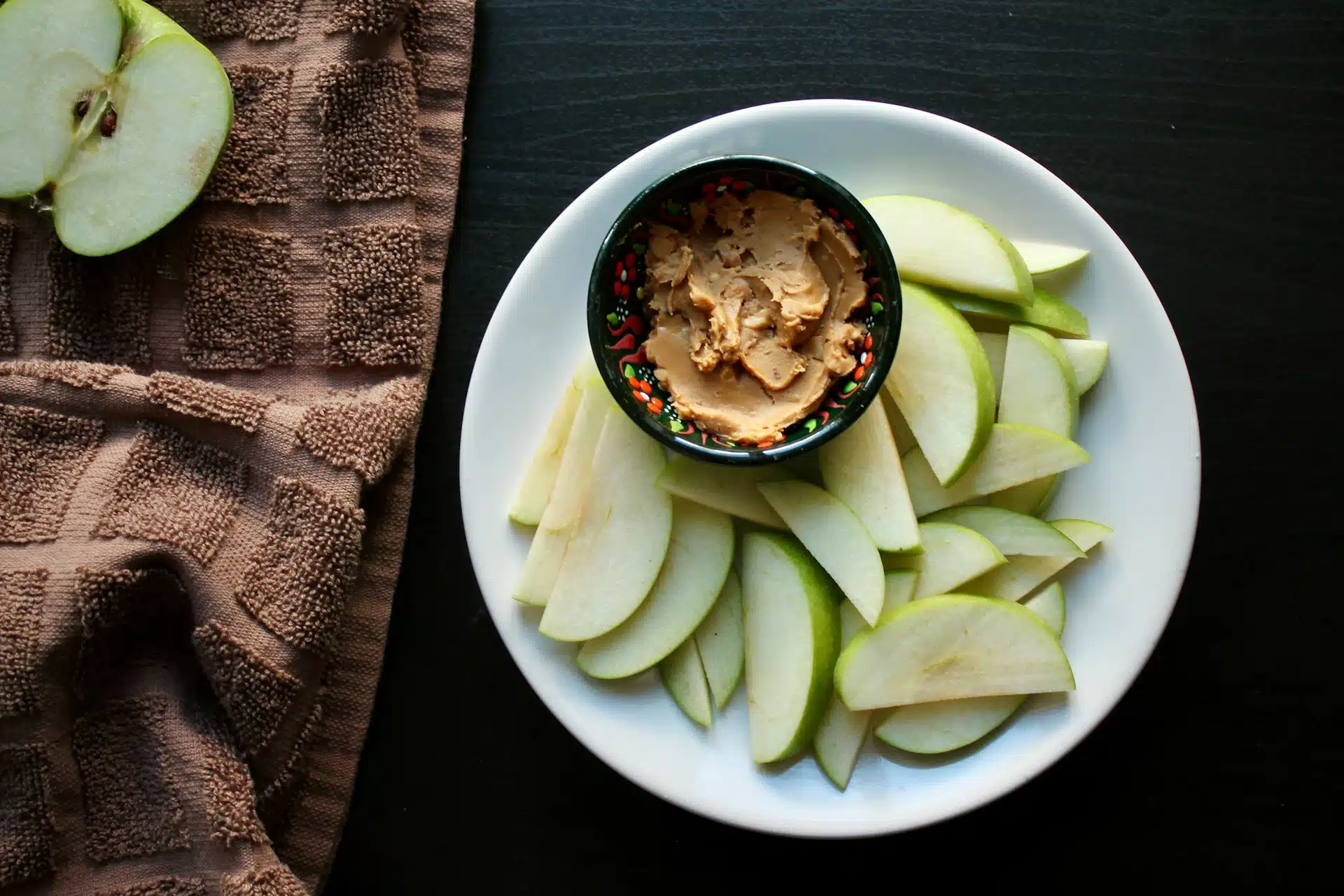
Snacks can help you stay steady during long stretches of mental work, but they should not pull you out of your flow. This is why easy, accessible snacks work best. They require no preparation, no cooking, and almost no decision-making.
Great options include:
- nuts or trail mixes
- fresh fruit like apples or berries
- yogurt cups
- cheese sticks
- whole-grain crackers
- veggie sticks with dip
These snacks are quick to grab and easy to eat at your desk. They keep you from going too long without food, which can make mental tasks feel harder.
Hydration That Supports Long Mental Tasks
It is easy to forget about water when your mind is full. Hours can pass before you notice you have not taken a sip. Hydration plays a role in comfort, especially during long periods of thinking or decision-making.
Keeping a water bottle nearby makes hydration simple. You do not need to track your intake or set strict goals. Taking small sips throughout the day is enough. If you prefer warm drinks, herbal teas are a great option. If you like flavored water, adding fruit slices can make it more enjoyable.
Meal Timing That Works With Mental Workloads
Mental load can quickly disrupt your usual meal timing. You may forget to eat or eat much later than planned. A flexible approach to meal timing can help you avoid long gaps without food.
One useful strategy is to eat something before you start a long period of work. This prevents early hunger and helps you feel steady as you begin. Another approach is setting a gentle reminder to check in with yourself around lunchtime or mid-afternoon. This is not about rigid schedules. It is about staying aware of your needs.
Eat when you can, not when you feel you must. Practical timing helps maintain comfort without adding pressure.
How to Prep for Days When You Know Your Brain Will Be Busy
Some days are predictable. You know ahead of time that you will spend hours in meetings, studying, or making decisions. Preparing small things in advance can make those days easier. Prep does not need to be complex or time-consuming.
Here are simple ideas:
- Cut fruit or vegetables the night before
- Pack nuts or snacks in small containers
- Prepare a simple breakfast like overnight oats
- Cook one easy meal that provides leftovers
- Set aside ingredients for a quick smoothie
Avoiding Heavy Meals That Slow You Down
Large meals can sometimes make you feel sluggish, especially when your day requires mental focus rather than physical activity. Lighter meals can feel more comfortable during long periods of thought.
Foods like salads, grain bowls, sandwiches, wraps, and smoothies are easier to digest and less likely to make you feel weighed down. A meal does not need to be large to be satisfying. The goal is to feel steady and comfortable without feeling overly full.
Some days can feel exhausting, but simple nutrition choices make them more manageable. You do not need strict routines or elaborate meal plans. You only need foods and snacks that are easy to prepare, easy to access, and easy to enjoy.
Convenient nutrition support, simple meals, quick snacks, steady hydration, flexible timing, and light preparation all contribute to a smoother, more comfortable day. By choosing what fits your needs in the moment, you can navigate mentally demanding tasks with more ease and less stress.