Wellness travel is no longer just about spa robes and green juice. Travelers are seeking places that feel meaningful, immersive, and a little unexpected. If traditional retreats feel predictable, then these unusual wellness destinations offer something deeper, more reflective, and often more community-driven.
Across the country, meditation barns, healing gardens, plant medicine hubs, and mushroom-centered spaces are drawing steady attention. Not only are they reshaping how people rest, but they are also redefining what connection actually looks like.
Meditation Retreats That Go Beyond Silence
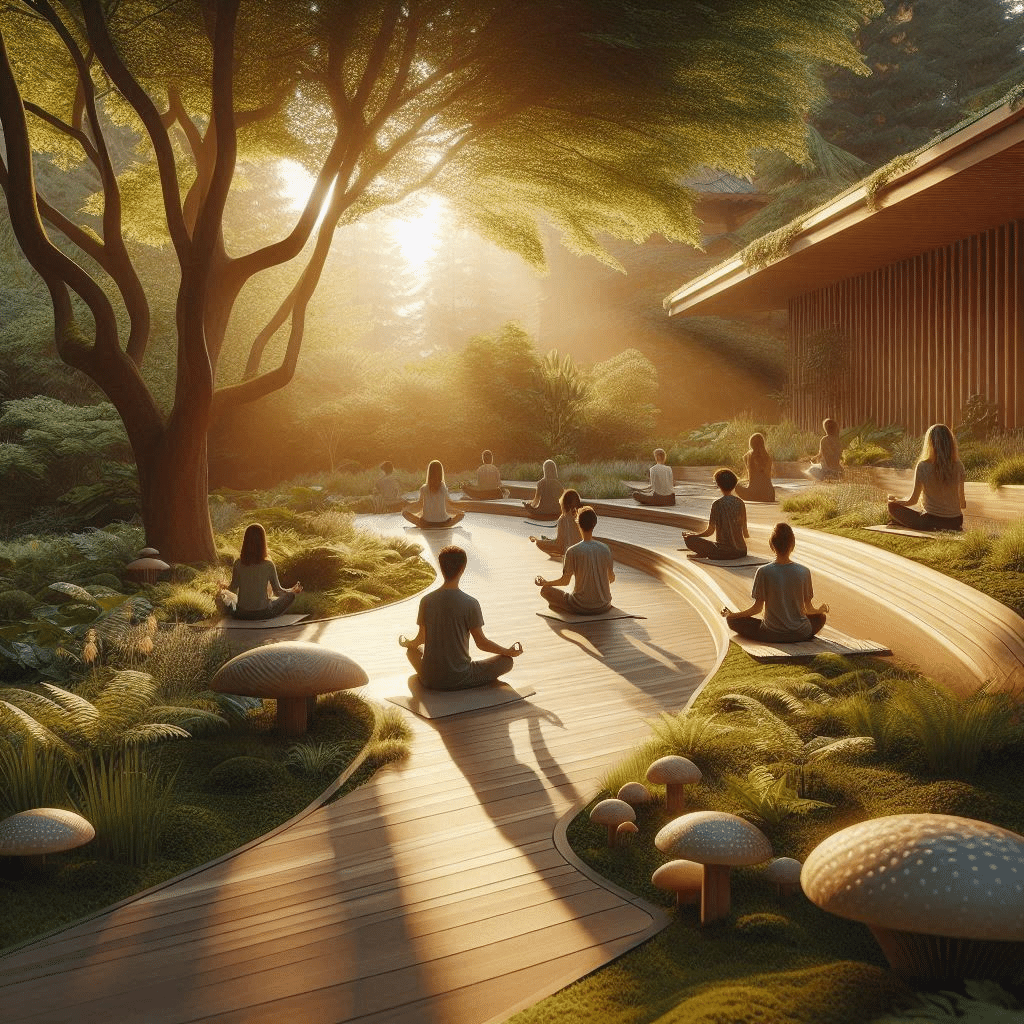
Meditation retreats have evolved. Instead of rigid silence and strict schedules, many now offer guided reflection, breathwork, and nervous system education. If someone wants structure, it exists; however, flexibility is increasingly part of the design.
According to reporting by The New York Times, modern retreats are blending meditation with biohacking treatments and breathwork practices. That shift matters because it means guests are not choosing either science or spirituality, but both. Consequently, visitors leave with tools they can actually use at home.
These destinations often sit in quiet mountain towns or on wide desert land. The atmosphere feels calm, yet practical. If you crave stillness but also want to understand what is happening in your body during stress, these retreats bridge that gap.
Healing Gardens And Community Farms As Wellness Anchors
Not all wellness experiences happen indoors. In Washington, D.C., spaces like The Well at Oxon Run show how nature-centered wellness can grow directly within urban neighborhoods. The one-acre farm produces thousands of pounds of fresh food while also hosting wellness classes and community gatherings.
If wellness feels disconnected from daily life, then a place like this changes the narrative. It is neither exclusive nor intimidating. Instead, it blends food access, education, and mindful outdoor time in a way that feels grounded and approachable.
Similarly, plant-focused community hubs are emerging as hybrid spaces. Anacostia’s Grounded, highlighted by Axios, combines a café, plant shop, and wellness studio under one roof. Visitors can sip matcha, attend yoga, and learn about plant care in a single afternoon.
If you are looking for an experience that feels social yet restorative, these garden-forward spaces offer both. They are not retreats you escape to for a week. Rather, they are places you return to regularly.
The Rise Of Mushroom-Centered Communities
Perhaps the most curious shift in wellness is the rise of mushroom-centered education and gathering spaces. Adaptogenic products, plant medicine discussions, and community events are becoming part of mainstream conversation. However, the appeal is not simply trend-driven curiosity.
A feature by The Washington Informer Bridge spotlighted Cap & Stem in D.C., a shop focused on mushroom-based wellness products and holistic education. The emphasis is not only on products, but also on teaching people how to think about plant medicine responsibly. If you feel overwhelmed by information online, then having a physical space for questions can make the topic less abstract.
For those who want to see how far this idea can evolve, it may be worth taking time to check DC’s first Mushroom Church. The space draws attention not because it is provocative, but because it blends spiritual reflection, mushroom education, and intentional community-building under one roof.
If curiosity meets caution, then visiting a space like this allows for observation without commitment. You can explore workshops, conversations, and community rituals while deciding what resonates. In that sense, it is neither fringe nor fully mainstream. Instead, it represents a growing middle ground where wellness, spirituality, and plant knowledge intersect.
Why These Places Feel Different
Unusual wellness destinations share a few qualities. They tend to emphasize participation over performance, and they focus on community rather than image. If traditional luxury retreats center on amenities, then these newer spaces center on experience.
They often offer:
- Small group workshops that encourage conversation
- Outdoor or plant-centered environments that lower sensory overload
- Education sessions that connect wellness theory to daily routines
Importantly, they make room for curiosity. You do not have to believe everything. You do not have to reject everything either. Instead, you are invited to explore.
What This Means For Rest And Recovery
Rest once meant stepping away from responsibility. Now, it often means engaging with life more consciously and with steadier focus. Many unusual wellness destinations create space for reflection; however, they also emphasize integration, so what you experience there can influence daily routines afterward.
For Easy Rest readers, that connection feels immediate and practical. Restful sleep, calming environments, and intentional spaces support not only physical renewal, but also emotional steadiness and mental clarity. Whether you are drawn to meditation retreats, healing gardens, or mushroom-centered communities, the intention remains similar: reduce distraction and cultivate awareness.
If unusual wellness destinations gaining attention in the U.S. spark curiosity, then begin with thoughtful research and honest questions. Exploration requires openness, balance, and a willingness to rest intentionally.