When I first looked into the Sleep Apnea VA rating, I noticed how confusing the rules can feel at first.
You may hear different percentages, CPAP requirements, or rule changes, and it is not always clear what actually applies to you. That confusion can lead to missed benefits or delays.
Understanding how the VA assigns ratings helps you prepare the right records and avoid common mistakes. This blog breaks down how ratings work, what each percentage means, and how related conditions can affect the outcome.
By the time you reach the end, you will have a clearer picture of how Sleep Apnea VA rating decisions are made and what steps matter most.
I have reviewed many VA rating outcomes where missing records or unclear exam notes directly affected the final percentage.
This blog shares general information about VA Sleep Apnea ratings. Outcomes depend on individual records, exams, and evidence. It is not legal or medical advice for any specific claim situation.
How the VA Rates Sleep Apnea
Understanding how the VA rating for Sleep Apnea is determined starts with knowing what evidence the VA reviews.
VA decisions depend on medical records, exam findings, and documented functional limits tied to each individual claim.
The VA rates Sleep Apnea under 38 CFR § 4.97, Diagnostic Code 6847. This diagnostic code applies to all medically recognized forms of Sleep Apnea, including obstructive Sleep Apnea, central Sleep Apnea, and mixed or complex Sleep Apnea.
The specific type does not change the rating scale. Instead, the VA focuses on how the condition affects daily functioning and health.
Ratings are assigned based on several core factors. These include the presence and severity of symptoms, such as daytime sleepiness or breathing disruption during sleep.
The VA also considers required treatment, including whether a CPAP or similar breathing device has been prescribed.
Another key factor is functional impairment, which refers to how the condition affects alertness, stamina, and the ability to maintain consistent activity.
In severe cases, medical complications such as respiratory failure or heart strain may warrant a higher rating.
VA Sleep Apnea Rating Percentages
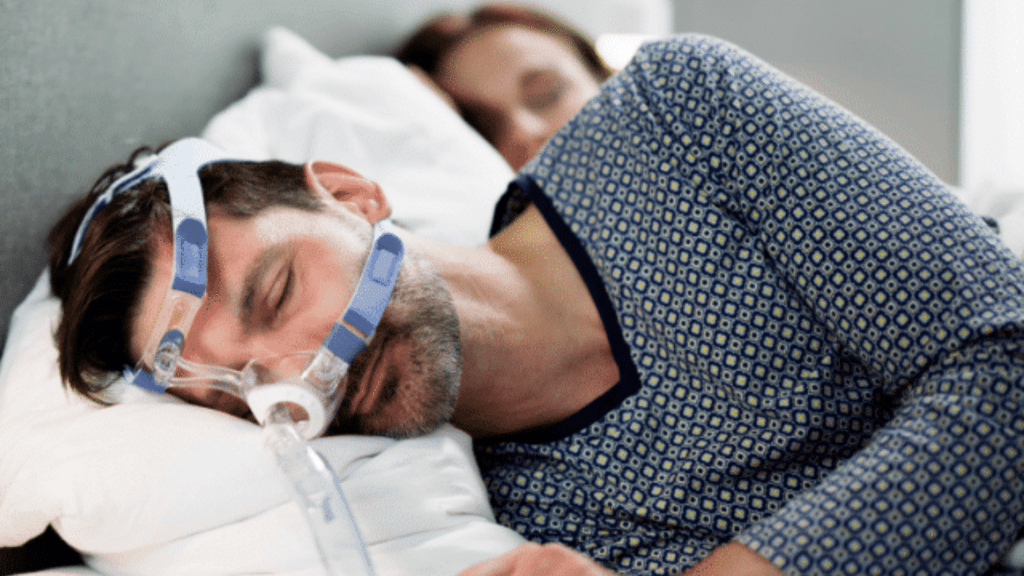
The VA assigns one of four rating levels for Sleep Apnea, based on symptoms, treatment needs, and documented medical severity.
| VA Rating | What the VA Looks For |
|---|---|
| 0% | Diagnosed with Sleep Apnea with no current symptoms |
| 30% | Persistent daytime sleepiness (hypersomnolence) |
| 50% | Requires CPAP or other breathing device |
| 100% | Respiratory failure, heart complications, or tracheostomy |
Each rating level reflects how strongly Sleep Apnea affects daily functioning, health stability, and the level of ongoing medical care required.
Why the VA Automatically Rates CPAP at 50%
Under current VA rules, the use of a CPAP machine results in a 50% rating because it shows the presence of a long-term medical condition that requires ongoing care.
A CPAP is not prescribed for mild or temporary sleep issues. It is ordered when Sleep Apnea causes repeated breathing disruptions that cannot be managed without mechanical support.
Medical guidance from the American Academy of Sleep Medicine explains that untreated Sleep Apnea can reduce alertness, slow reaction time, and limit daytime function. These effects support how the VA views CPAP use as proof of ongoing impairment that affects daily performance.
The VA views CPAP use as proof that Sleep Apnea affects normal body function on a daily basis. The device must be used consistently during sleep, which directly affects sleep quality and overall rest.
Poor sleep often leads to reduced alertness, slower reaction time, and lower stamina during the day. These effects can interfere with steady work schedules, concentration, and safety.
Because CPAP use reflects continuous treatment and clear limits on daily functioning, the VA considers it strong evidence of significant impairment under Diagnostic Code 6847.
Types of Sleep Apnea the VA Recognizes
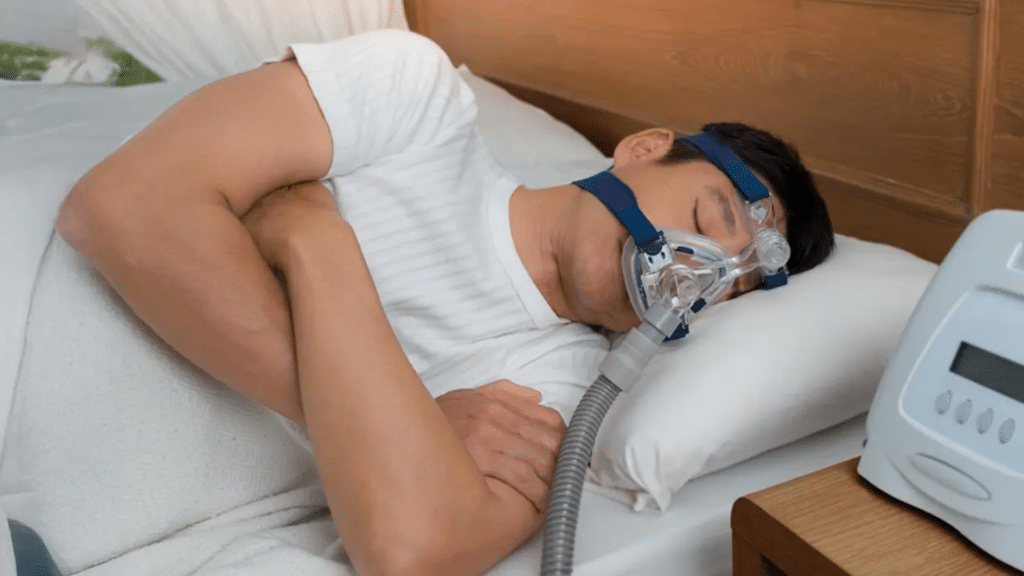
The VA recognizes three medical forms of Sleep Apnea, and all follow the same rating rules under Diagnostic Code 6847.
1. Obstructive Sleep Apnea (OSA)
Obstructive Sleep Apnea is the most commonly diagnosed form among veterans.
It occurs when soft tissue in the throat relaxes during sleep and blocks the airway. This blockage causes repeated pauses in breathing, reduced oxygen levels, and disrupted sleep cycles.
Many people with this condition experience loud snoring, choking episodes during sleep, and ongoing daytime fatigue.
The VA often rates obstructive Sleep Apnea at 30% or 50%, depending on symptom severity and whether a CPAP or similar breathing device is prescribed as part of treatment.
2. Central Sleep Apnea (CSA)
Central Sleep Apnea happens when the brain fails to send consistent signals to the muscles that control breathing.
Unlike obstructive Sleep Apnea, the airway is not physically blocked. This type is less common and is often linked to brain or nervous system conditions.
Traumatic brain injury, certain neurological disorders, and medication effects are frequent contributing factors.
Because symptoms can overlap with other conditions, central Sleep Apnea may require stronger medical evidence to confirm diagnosis and service connection for VA rating purposes.
3. Mixed or Complex Sleep Apnea
Mixed Sleep Apnea, sometimes called complex Sleep Apnea, involves features of both obstructive and central Sleep Apnea.
A person may start with airway blockage issues and later develop breathing signal disruptions as treatment progresses. This form can be harder to manage because symptoms come from more than one cause.
For VA purposes, mixed Sleep Apnea is rated using the same criteria as other types. The rating depends on documented symptoms, treatment requirements, and how much the condition limits daily functioning and health stability.
Is Sleep Apnea a Presumptive VA Condition?
Sleep Apnea is not classified as a presumptive condition by the VA. Even after the passage of the PACT Act, which expanded eligibility for many conditions tied to toxic exposure, Sleep Apnea was not included on the presumptive list.
This means a diagnosis alone is not enough to receive benefits. A clear service connection must still be established for the claim to move forward.
Although it is not presumptive, toxic exposure can still play an important role. Exposure to burn pits, airborne particles, fuel fumes, or other hazardous substances may support a claim when backed by medical evidence.
In these cases, a medical opinion must explain how exposure contributed to airway damage, inflammation, or breathing disruption. When supported properly, exposure history can strengthen both direct and secondary Sleep Apnea claims.
Direct vs. Secondary Service Connection
There are two main ways to link Sleep Apnea to military service, and each follows different evidence and approval standards.
| Factor | Direct Connection | Secondary Connection |
|---|---|---|
| Difficulty | High | Lower |
| Evidence Needed | In-service symptoms | Existing service-connected condition |
| Approval Rate | Lower | Higher |
| Most Common Path | Rare | Very common |
Understanding the difference helps determine which claim type fits the available medical records and service history more effectively.
Conditions Commonly Linked to Sleep Apnea (Secondary Claims)
Sleep Apnea is often connected to other related conditions, which may allow it to qualify as a secondary disability with proper medical support.
- PTSD
- Traumatic Brain Injury (TBI)
- GERD
- Sinusitis or rhinitis
- Asthma or chronic bronchitis
- Obesity is used as an intermediate step
- Chronic pain and medication side effects
Sleep Apnea and Secondary VA Ratings
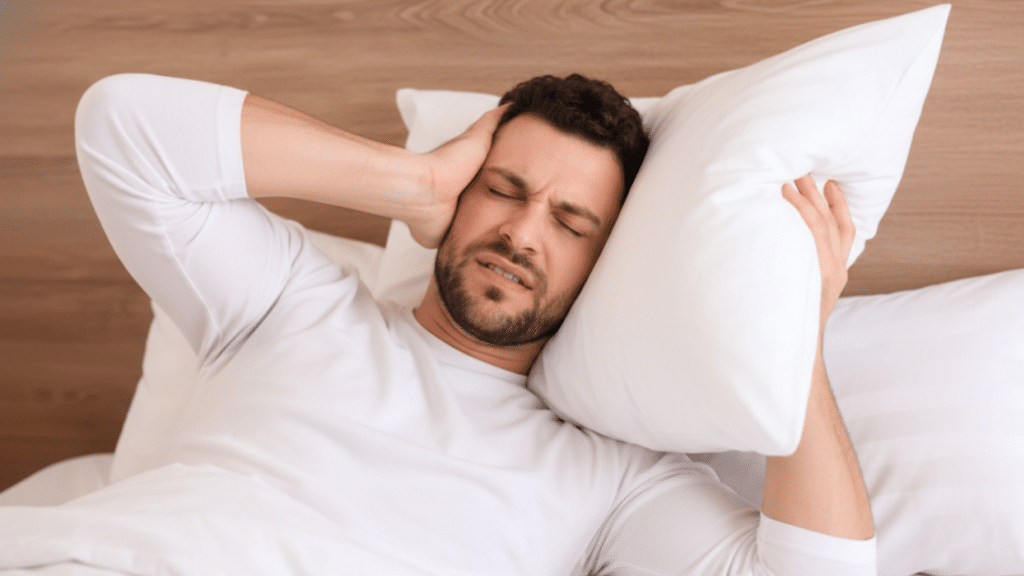
Sleep Apnea can affect more than a single VA rating. When properly documented, it may lead to additional ratings for related health conditions, which can raise the combined disability percentage.
The VA allows secondary conditions to be rated separately when medical evidence shows they were caused or worsened by Sleep Apnea.
This approach reflects how one condition can, over time, place added strain on other body systems.
Common secondary conditions linked to Sleep Apnea include hypertension, heart disease, migraines, depression and anxiety, and diabetes.
Repeated drops in oxygen levels during sleep can affect blood pressure, heart function, and blood sugar control. Poor sleep quality may also contribute to mood changes and chronic headaches.
Each secondary condition requires its own diagnosis and medical link, but together they can significantly affect overall VA compensation.
Proposed Changes to VA Sleep Apnea Ratings (Important Update)
The VA has proposed changes that could alter how Sleep Apnea ratings are assigned in the future. Under current rules, a prescribed CPAP results in an automatic 50% rating.
A 30% rating is also available when ongoing daytime sleepiness is documented. The focus today is largely on whether treatment is required.
Under the proposed rules, a CPAP alone may no longer be enough to support a 50% rating. The 30% level may be removed entirely.
Instead of treatment use, the VA would focus on treatment effectiveness, ongoing symptoms, and medical limits despite care.
Higher ratings may require proof that treatment does not control symptoms or cannot be used due to other conditions.
The grandfather rule protects existing ratings. Claims approved before any change takes effect will continue under the current standards, and those ratings remain in place.
Sleep Apnea and TDIU (100% Pay Without 100% Rating)
Total Disability based on Individual Unemployability, called TDIU, allows payment at the 100% level even when the combined VA rating is lower. This benefit applies when service-connected conditions prevent steady, gainful employment.
Sleep Apnea may support TDIU when symptoms are severe enough to interfere with regular work demands.
Ongoing daytime sleepiness, reduced focus, slowed reaction time, and chronic fatigue can limit reliability, attendance, and safety on the job. These issues often affect roles that require alertness, physical activity, or consistent schedules.
VA eligibility rules require either one service-connected condition rated at 60% or a combined rating of 70% with one condition rated at 40%.
Medical records, work history, and professional opinions must clearly show how Sleep Apnea limits the ability to maintain stable employment over time.
Proposed Changes to VA Sleep Apnea Ratings
The VA has proposed updates that may change how Sleep Apnea ratings are assigned, especially for future claims and evaluations.
| Current Rules | Proposed Rules |
|---|---|
| CPAP results in an automatic 50% rating | CPAP alone may no longer qualify for 50% |
| 30% rating is available | 30% rating may be removed |
| Treatment use is the main factor | Treatment effectiveness becomes the focus |
These proposed changes would not affect all veterans. Existing ratings are protected, and claims filed before any new rules take effect will continue to follow the current rating standards.
How Long Does a VA Sleep Apnea Claim Takes
The time required to process a VA Sleep Apnea claim depends on the type of claim filed and the evidence submitted.
Initial claims often take several months, especially when a sleep study or medical opinion is still needed.
Delays are common if records are incomplete or exams must be scheduled.
Supplemental claims may move faster when new medical evidence is clear and directly addresses the reason for a prior denial. These claims still require review, but often avoid repeating earlier steps.
Appeals usually take the longest, since they involve added review stages and possible hearings.
A Compensation and Pension (C&P) exam is usually scheduled after the claim is filed and the records are reviewed. This exam plays a key role in confirming symptoms, treatment, and functional limits, and timing varies based on examiner availability.
Appealing or Increasing a Sleep Apnea VA Rating
An appeal may be appropriate when the VA assigns a lower rating than expected or denies the claim despite clear medical evidence. Appeals are often used when exam findings do not fully reflect symptom severity or treatment needs.
A supplemental claim allows new and relevant evidence, such as an updated sleep study or medical opinion, to be added to the record.
A higher-level review requests a fresh review of the same evidence by a senior VA reviewer, without adding new documents.
Ratings may also increase by adding secondary conditions that developed due to Sleep Apnea, such as heart issues or high blood pressure.
In cases where Sleep Apnea limits steady employment, TDIU may provide full compensation even when schedular ratings remain below 100%.
Conclusion
Sleep Apnea claims follow specific rules, but they become easier to handle once the structure is clear.
Ratings depend on symptoms, treatment, and how the condition affects daily life and work ability. Secondary conditions, medical records, and proper timing can also play a role in the final result.
I have seen how small details, like clear exam notes or added evidence, can change outcomes. Use what you learned here to stay organized and focused as you move forward.
If you want to keep learning about benefits, ratings, or related conditions, take a moment to check out other posts on Sleep Apnea VA rating and related VA topics to build a stronger understanding.