

It’s pretty common for older adults to settle into a recliner instead of a bed, especially when tiredness or limited mobility turn bed transfers into a challenge.
A recliner sits higher off the ground, so it’s easier to stand up, and the backrest supports the torso without flattening you. For caregivers, recliners are a go-to during recovery – they make it much easier to help with positioning.
They’re less physically demanding than trying to manage someone in and out of bed. Still, that brings up a real question: can someone really get good, healthy sleep in a chair night after night?
Why Some Older Adults Choose Recliners
Stiff joints and spine problems often make lying flat or rolling over in bed tough for some seniors. A recliner lets them ease into different positions and settle into a spot that relieves pressure on sore hips or lower backs.
If arm strength or balance is limited, power controls on newer recliners let them adjust the angle with barely any effort, so they don’t have to strain or twist awkwardly.
Keeping the chest up can really help with breathing for older adults with certain medical conditions. People with conditions like COPD, heart failure, or severe reflux sometimes breathe better sitting up a bit – they don’t get as many nighttime symptoms.
The position helps keep fluid out of the lungs and prevents the airway from closing, which means less waking up gasping or coughing in the middle of the night.
When Recliners Make Sense During Recovery
After surgery or a severe illness, lift chairs for elderly people serve a clear purpose. Sitting higher up shortens the “standing up” motion, meaning it’s easier (and safer) to get moving in the night – especially if there are hip or knee restrictions, since some movements just aren’t safe or possible in a bed for a while.
Raising the legs slightly can help with blood flow and swelling, especially if the calves are propped slightly above the heart. This position can help reduce swelling and make people more comfortable, especially if they have mild edema. It’s often easier to check posture in a recliner than in a regular bed.
Limits of Long-Term Recliner Sleeping
A recliner does not provide the same support as a mattress designed for overnight use. The way the back curves can push the neck forward and flatten out the lower spine, leading to sore muscles and stiffness. Plus, it’s tough to move around in a recliner – sleeping in one spot all night isn’t great for joints and makes morning aches more likely.
Pressure points become a problem, too. Most of your body weight presses on your lower back and shoulder blades, so turning onto your side (to give your skin a break) isn’t really possible. For seniors with sensitive or fragile skin, this can mean a real risk of developing pressure sores if they spend too much time in the same position.
Effects on Sleep Quality
Sleeping in a semi-upright posture can promote deep sleep, and REM sleep tends to be broken up. Some people wake feeling more rested simply because they can breathe easier, but overall, the sleep might be shallow or interrupted.
It’s also harder to control the setting. Recliners usually sit out in the living room, where it’s lighter and noisier. Having a steady, dark, quiet bedroom helps with healthy sleep cycles – TVs, lamps, and family traffic don’t help, and can mess with the body’s rhythm by keeping melatonin production at bay.
Safety: The Details Matter
Safety mostly depends on the type of chair and the person using it. Lift chairs with a broad, sturdy base and slow motors are less likely to tip, and firm side supports keep things lined up. Material that keeps you from slipping is important, so you don’t slide down and strain your back or hips.
Entrapment is another issue – a hand or foot could get caught near an armrest, especially if the body slides in sleep. Someone might try to stand up before the chair is upright. That’s why a simple nighttime routine and a clear path are so valuable.
Conditions That Benefit From Elevation
Some medical conditions really do improve when the upper body is raised at night, so a recliner can become part of a larger plan:
- Chronic obstructive pulmonary disease (COPD) with shortness of breath when lying flat
- Congestive heart failure – prevents fluid from shifting into the lungs at night
- Severe acid reflux or GERD
- After joint replacement surgery
- Back pain that gets worse in bed
But it’s best to check in regularly and, when possible, swap between recliner and bed to keep muscles moving and avoid pressure issues.
Why a Bed Usually Wins for Long-Term Sleep
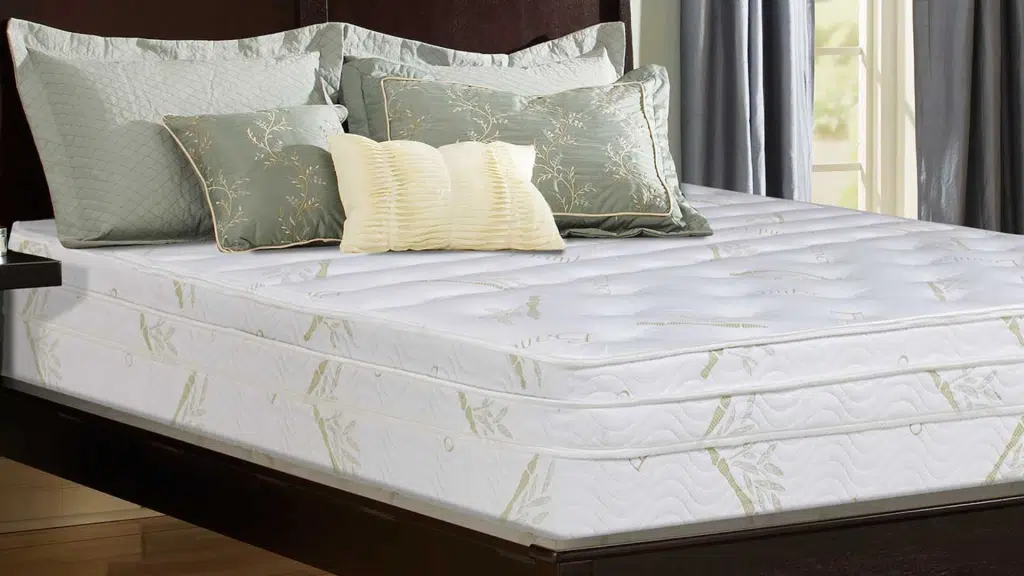
A mattress that fits right spreads out body weight and keeps the spine aligned. Adjustable beds for seniors let you raise the head or legs – so you get elevation like a recliner – but with the option to roll and turn freely. That freedom keeps joints limber and spreads weight out, which helps avoid pressure spots.
Bed aids (like rails, sturdy poles, and low frames) make beds safer for those who struggle to get in and out, without locking the body in one position. Seniors who can shift their weight on their own usually get deeper and better rest in bed.
Practical Guidance
- Use a recliner for short naps or recovery periods
- Alternate with bed sleep when possible
- Maintain neutral neck and lower back support with pillows
- Reposition regularly to protect skin
- Keep pathways clear and lighting adequate at night
Conclusion
Recliners can help manage pain, breathing trouble, and safe standing, especially after surgery or when someone just can’t get comfortable lying flat.
But turning a recliner into a permanent bed comes with downsides – stiff joints, sore spots, and broken sleep become real risks.
Beds, especially adjustable ones, almost always do better for spinal support and movement in the long run. A bit of trial and error, plus the right help, can ensure recliners are used safely and don’t get in the way of real rest or mobility.