

Low energy at home usually comes from routine rather than workload alone. In Canada, shorter winter days and more time spent inside can affect the body’s rhythm. Long nighttime screen use can strengthen that effect. As a result, many people finish the day mentally tired, even if their workload is fairly normal.
In many cases, better energy comes from a few smart shifts. Timing matters. Comfort matters too. Recovery matters most of all. When those parts work together, life at home often feels easier.
Why Energy at Home Starts With Better Recovery
Energy at home often starts taking shape before the day begins. In many cases, it starts with recovery, and recovery starts before sleep itself. The average sleep time for CA residents aged 18 to 64 is 7–9 hours each night. 65+ adults must sleep from 7 to 8 hours per day. However, sleep time alone doesn’t explain how a person feels the following day.
Timing matters too because a wake-up time may build more than a good bedtime that happens periodically. Waking at 7:00 a.m. during the week and then sleeping until 10:00 a.m. on Sunday can make Monday feel off. A smaller difference usually feels easier on the body, while bedtime tips for adults in Canada support that idea.
The Body Responds to Calm, Repeated Signals
Evening habits also shape the way recovery works. A heavy late meal, bright lights, and more screen time can all delay the body’s move toward rest. A lighter dinner, softer lighting, and a quieter final hour usually help more. These steps are simple, yet they can improve how the next morning starts.
What makes them effective is not effort, but repetition. The body tends to settle more easily when the same signals appear night after night. That does not mean every evening must look identical. It simply means that a calmer, more regular pattern often leads to steadier energy at home.
Smarter Digital Downtime Without Draining Your Focus
Most people want quiet digital downtime after work. That is understandable, especially during colder Canadian months spent indoors. However, the type of downtime matters. Some habits leave the mind more restless than rested.
A planned session often works better than endless switching between apps, tabs, and short clips. Some adults also include light online entertainment in that evening window. If someone wants to see bonus picks for players, it is wiser to set limits first. Time and spending should both be decided in advance.
In that setting, CasinosAnalyzer can help with current details. For example, LuckyOnes information for Canada lists a 100% welcome offer up to $500. It also shows wagering terms on certain offers. Even so, this should stay a small part of downtime, not the centre of an evening routine.
The most useful habit here is not full avoidance. Instead, it is clear control. For instance, 20 or 30 planned minutes feels very different from a session that drifts past 11:00 p.m. Once there is a finish point, the rest of the night is easier to protect.
A Home Space That Helps You Recharge Faster
A room affects more than appearance. By evening, light, temperature, sound, and posture can all change how the body feels. That is why a useful home space is not about perfection. It is about helping recovery happen with less effort.
Lighting is often the easiest place to make progress. Bright ceiling lights can feel practical in the morning, but too harsh at night. A lamp with softer light can help the room feel more settled. A cooler bedroom can also support better sleep more effectively than one that feels stuffy or warm.
Noise should not be ignored either. In apartments, condos, and shared homes, constant low background sound can add pressure without drawing attention. Over time, that can affect how relaxed the body feels in the evening. Even simple changes can improve the situation.
Details of small comfort tend to define the evening more than anticipated. Thicker drapes, a rug on a hard floor, or just a better door seal can all assist in reducing noise and make the area feel calmer. Air quality and posture are also more important than they may appear at first. If the weather permits, an open window for a while can aerate before sleep, and a supportive chair can ease tension in the neck and shoulders from hours at desks.
There is also a practical advantage to these kinds of changes. They are simple to keep and usually require little effort. Even so, they can improve the atmosphere of a room night after night. That kind of reliable comfort can support better rest over time.
Evening Habits That Support Better Sleep and Morning Energy
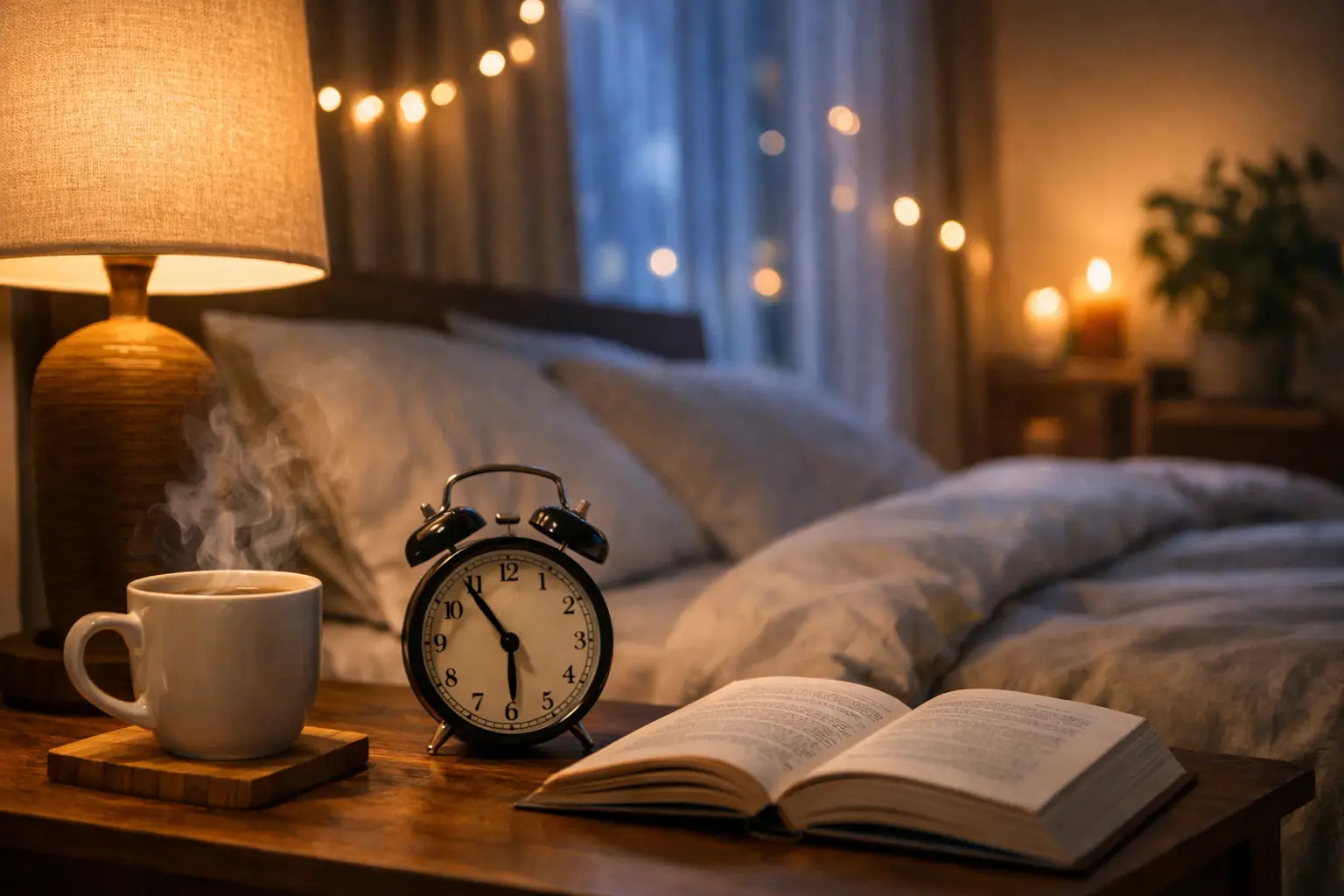
Better evenings are typically the outcome of simple acts carried out on busy days. In fact, the most effective practice is frequently the one that continues to function. It doesn’t require many steps. It only needs to reduce stimulation and make bedtime easier to achieve:
- Turn down the main lights roughly 60 minutes before bed.
- Finish bigger meals 2 to 3 hours before sleep.
- Move the phone away when the bedtime alarm begins.
- Keep the bedroom slightly cool and as quiet as possible.
- Get out of bed at nearly the same time every day.
A definite beat is created by these motions. For instance, lights out at 9:30 p.m. and no phone after 10:00 p.m. encourage a 10:30 bedtime. The same limit can help with online casino use, since open-ended sessions can slowly take over the evening. A fixed finish time and one easy habit, like herbal tea or 10 minutes with a paper book, can help you sleep better.
Low-Stress Weekend Habits for a More Balanced Week
Weekend rehabilitation is most effective when it prepares you for the following week. That does not mean turning Saturday or Sunday into a long task list. Instead, it means removing a few small pressures before Monday starts. In many homes, even 30 useful minutes can help:
- Prep one simple breakfast for two workdays.
- Take a 15 to 20-minute walk after lunch or dinner.
- Keep one hour free from screens in the evening.
- Reset one room that often collects clutter.
Food can support this reset in a very practical way. A prepared soup, grain bowl, or egg dish can help stop late takeout decisions on busy evenings. Likewise, filled water bottles and ready fruit can make mornings easier. These actions look basic, yet they often save both time and focus.
A useful weekend plan can include quiet time, too. For one person, that may mean coffee with family for 45 minutes. For another, it may mean one silent hour without notifications. The strongest routine usually leaves Monday feeling lighter, not fuller.
A Practical Canadian Approach to Feeling Better at Home
A realistic home routine should fit real Canadian life. That means working around winter darkness, indoor schedules, shared living spaces, and heavy screen use. At the same time, better rest does not need a complicated reset. Timing, quieter evenings, and a recovery-friendly environment are often the most significant benefits.
The most useful strategy is frequently the simplest one that can last. Begin with one evening rule, one home comfort update, and a short weekend reset. Keep digital entertainment under check, and approach incentives or similar offers as an afterthought. When rest comes first, more consistent energy at home frequently follows.