Buying a mattress sounds simple until you actually have to pick one. I used to think softer always meant better sleep, but that idea fell apart fast after a few rough mornings.
With a plush vs firm mattress, you are not just choosing a feel. You are choosing how your back, hips, and shoulders handle eight hours in one spot.
The tricky part is that what feels good for five minutes in a store can feel totally different after a full night at home.
In the blog ahead, I will break down comfort, support, wear over time, and common regrets, so you can choose with more confidence. plush vs firm mattress choices get easier when you know what to watch for.
Plush vs. Firm Mattresses: What These Terms Really Mean
Mattress labels can feel confusing because each brand uses its own scale. You need a clear view of what these terms truly mean.
What is a Plush Mattress?
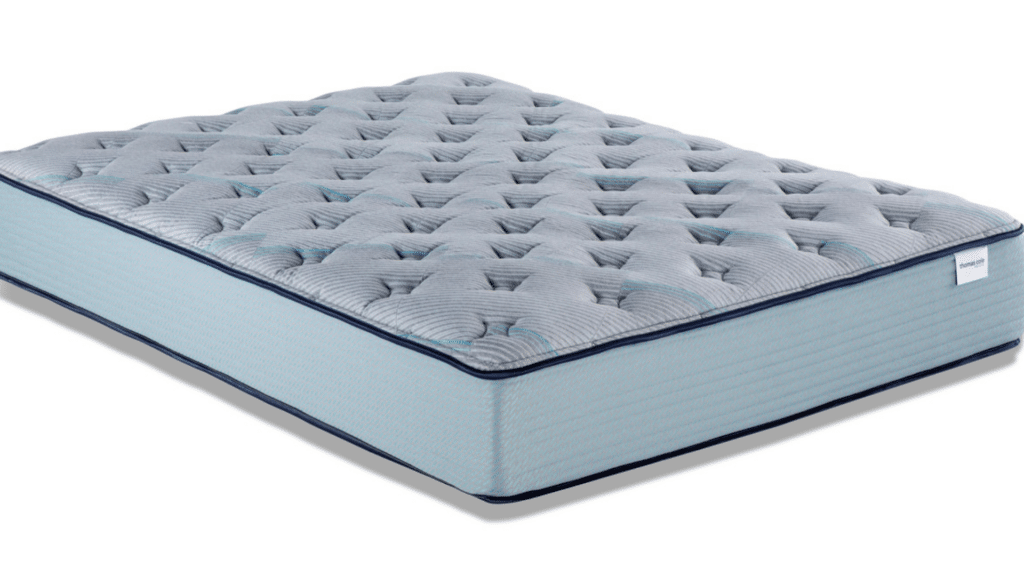
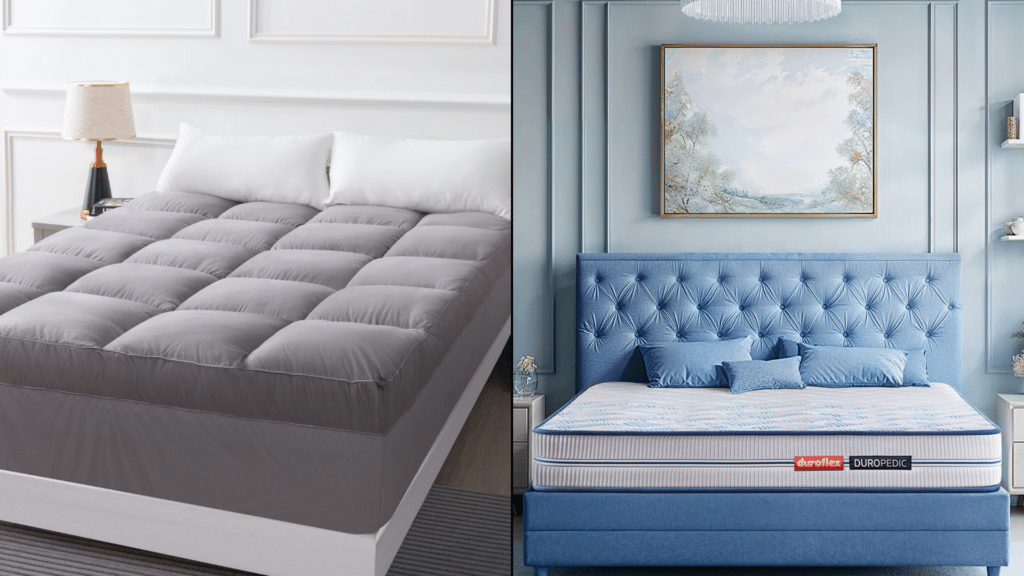
A plush mattress gives you a soft, gentle sink when you lie down. It uses thicker comfort layers to help your body settle into the surface without feeling stuck.
You usually feel the softest around your shoulders and hips. This type works well for you if you sleep on your side or want more pressure relief. It can feel too soft for stomach sleepers or heavier bodies.
Its main strengths include softness and comfort, while its main drawbacks involve support concerns and possible early sagging.
What is a Firm Mattress?

A firm mattress has a stable surface with very little sink.
It focuses on strong support layers that keep your body lifted rather than letting you drop into the bed. This feel works well for stomach sleepers, back sleepers, and anyone who needs more support around the hips and lower back.
It may feel too stiff for smaller bodies or side sleepers. Its strengths include solid support and better shape over time, while its weaknesses center on possible pressure in the shoulders or hips if your body needs more cushion.
Health and Comfort Risks of Choosing the Wrong Firmness
Your mattress choice affects how your back and joints feel each morning, so picking the wrong firmness can create ongoing strain and daily discomfort.
Risks of Buying a Mattress That’s Too Plush
- When your mattress is too soft, your spine can drop out of its natural line, which leads to steady pressure that shows up as morning pain.
- A soft surface can let your lower back fall deeper than the rest of your body, which adds stress to the muscles that support your spine each night.
- Stomach sleepers often sink at the hips and shoulders on a soft bed, which forces the back into an awkward shape that can create new pain over time.
Risks of Buying a Mattress That’s Too Firm
- A firm surface can press too strongly against your hips, shoulders, and ribs, which creates sharp points of discomfort that grow worse through the night.
- Side sleepers may notice tingling or numb arms when the mattress surface stays too rigid, since the pressure can limit comfort and make switching positions harder.
- Smaller or lightweight bodies may not press deeply enough into a firm bed, which keeps the surface from contouring and leaves the entire sleep experience feeling rough.
Signs You Picked the Wrong Firmness
These quick clues can help you spot a mismatch early:
- You wake up with lower back pain that was not there before.
- Your shoulder hurts, or your arm goes numb when you sleep on your side.
- Your hips dip lower than your chest and legs.
- You toss and turn to “find a spot” that feels okay.
- You feel better on your sofa than on your bed.
Plush vs. Firm by Sleep Position: A Simple Guide
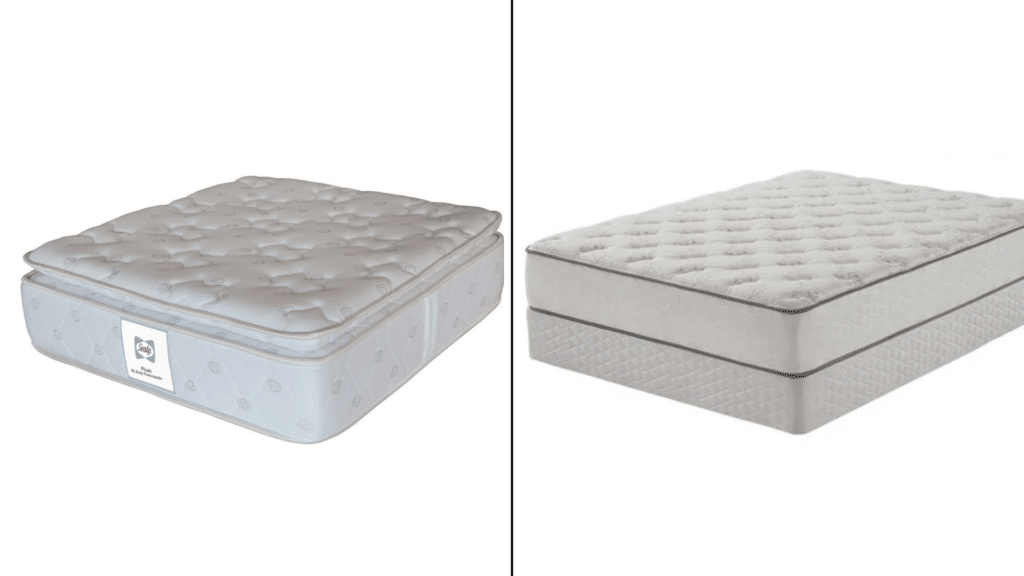
Your sleep position changes where your body puts pressure, so the right firmness helps you stay supported and wake up with less pain.
Side Sleepers
If you sleep on your side, your shoulders and hips press hardest into the mattress. You usually need more cushioning in those areas to avoid soreness.
A plush mattress can work well because it lets those points sink in slightly while the rest of your body stays comfortable.
A firm mattress can start to feel uncomfortable if it pushes back too much at the shoulder or hip. That can lead to tossing, turning, or numbness in the arm on the side you sleep on.
Back Sleepers
Back sleeping needs a balance between support and light cushioning. Your hips should not sink too far, but your lower back should not feel like it is floating either.
Many back sleepers do best on a medium-firm feel because it supports the spine while still giving a bit of comfort at pressure points.
Plush can become a problem if your hips drop and pull your spine out of line. Very firm can also cause discomfort if it feels too stiff under your lower back.
Stomach Sleepers
If you sleep on your stomach, your hips tend to sink first, so you usually need a firmer surface. Firm mattresses help keep your body level and reduce strain on your lower back.
Plush beds can cause your midsection to dip, which bends your spine in a way that can trigger morning pain.
If you still want some softness, it usually works better as a thin top layer, not a deep sink. The goal is to keep your hips lifted and your back feeling steady all night.
Which One Feels Better for Most People?
You are not choosing a “good” or “bad” mattress type. You are choosing what feels right for your body, sleep style, and pain points.
Why Plush Feels Better to Some People
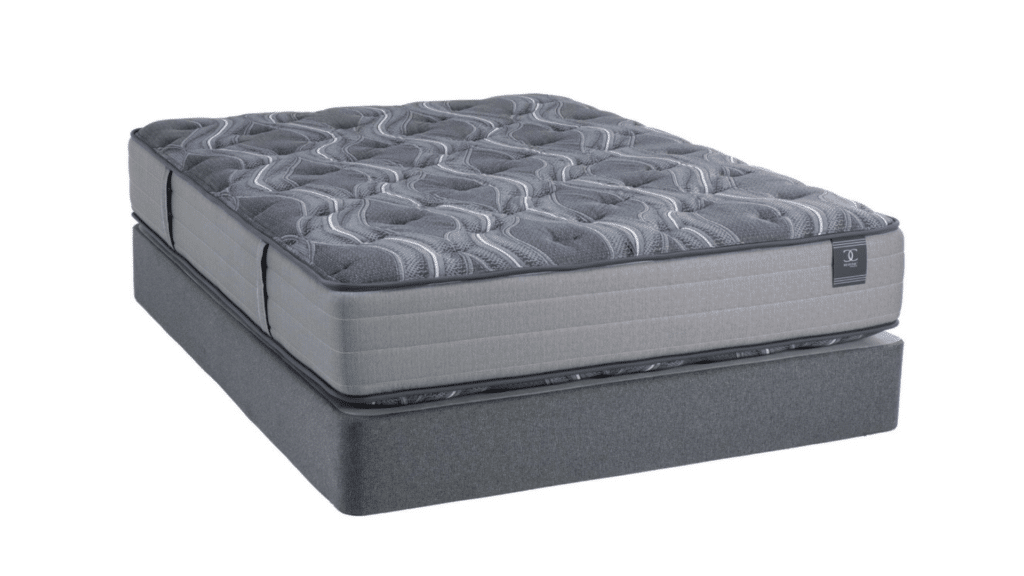
Plush often feels better if you want pressure relief and a softer surface. If your shoulders or hips get sore easily, a plusher top can reduce that “pushed” feeling.
Side sleepers often like plush for this reason. Plush can also feel more inviting if you like the bed to shape around you instead of staying flat.
Plush may not feel better if you need strong hip support. If your hips drop too far, the soft feel turns into a bad night fast.
Why Firm Feels Better to Some People
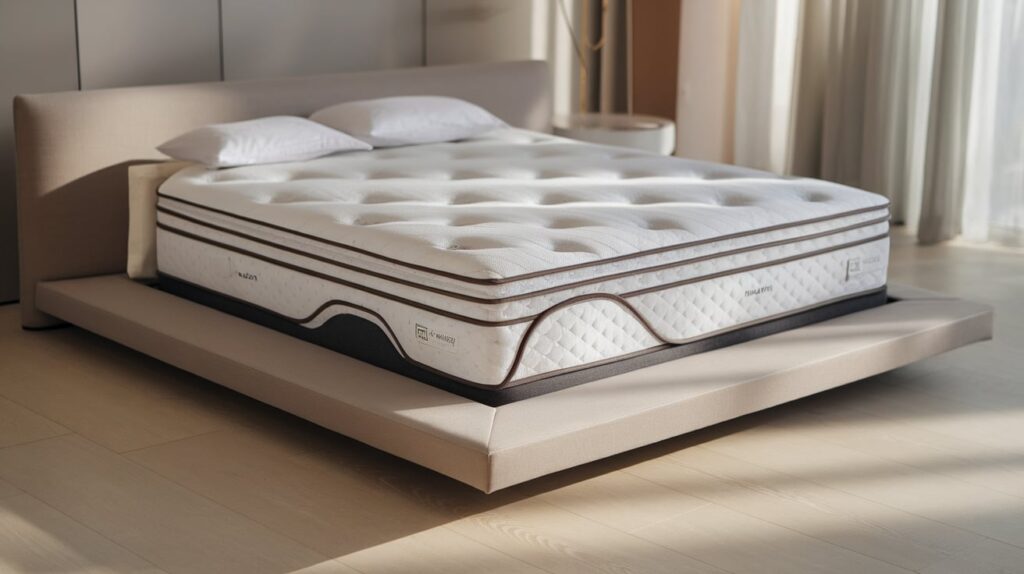
Firm often feels better if you hate sinking. You may like the “on top” feel and the steady support under your hips. Stomach sleepers often feel more stable on firm beds.
Some back sleepers also prefer firm because it can keep the lower back from dipping in odd ways.
Firm may not feel better if you get pressure pain. If your shoulder aches on your side, the firm surface can be the reason.
Common Buyer Regrets
These are patterns that show up again and again:
- Choosing plush because it felt nice in a short store test, then dealing with hip sink at home.
- Choosing firm to “fix” back pain, then ending up with shoulder pain and poor sleep.
- Ignoring body weight and buying based on a friend’s opinion.
- Picking a mattress based on a label, not how it feels in your main sleep position.
How Body Weight Changes Mattress Feel
Your weight affects how deeply you sink into a mattress, which means the same bed can feel different for each person.
Your body weight plays a major role in how a mattress responds, so you need to match firmness to how much pressure you place on the surface.
If you are lighter, you sink less. That can make a firm mattress feel harder than expected and reduce comfort on pressure points. Medium or plush often feels better because you actually get some cushion.
If you are heavier, you sink more. That can make plush beds feel too soft and reduce support over time. It can also lead to sagging if the comfort layers are not strong enough.
When you factor in weight, you can pick a feel that keeps your spine steady and reduces strain.
Longevity Differences: Which Mattress Type Lasts Longer?
You want a mattress that feels good now and holds its shape for many years. The lifespan of a plush or firm mattress depends on the materials inside, the weight placed on it each night, and how evenly the layers handle pressure.
Plush beds often use softer foams near the top, which can flatten faster in the areas where your body rests the most. Firm beds tend to rely more on sturdy support layers, so they often stay steady longer, especially under heavier sleepers.
Still, “plush” or “firm” alone does not decide lifespan. Foam quality, coil strength, and layer thickness matter more than the label.
Why Plush Can Wear Out Faster
Plush mattresses can wear faster when the top layers are soft and low quality. Soft foams compress more, so body impressions can show up sooner. If you sleep in the same spot every night, that spot takes the most pressure.
Over time, the surface can lose its bounce and feel less supportive. This is more common for heavier bodies, couples, and stomach sleepers who need the hips to stay lifted.
Why Firm Can Hold Shape Longer
Firm mattresses often hold shape longer because you do not sink as deep into the top layers. The support core does more of the work, and sturdier layers resist compression better.
If the build includes strong coils or high density foam, the mattress usually stays flatter for longer. Still, a cheap firm mattress can break down too, especially at the edges or in the center.
What Matters More Than “Plush” or “Firm”
These factors often matter more than the feel label:
- Foam density and quality in the top layers
- Coil strength and coil count in innerspring or hybrid beds
- How thick the soft top layers are
- Your body weight and main sleep position
- A solid base under the mattress
Daily Use
You notice the real feel of a mattress once you sleep on it each night, so these points help you understand how each type behaves.
Motion Isolation Differences
Plush mattresses made with thick foam layers usually absorb movement well. This helps when you share your bed because the foam keeps motion from spreading across the surface.
Firm or hybrid mattresses allow more movement because the stronger layers or coils respond faster when you shift your weight.
You may feel your partner move more on a firm or hybrid bed compared to a plush one. If you are sensitive to movement, plush options can feel steadier and offer a quieter sleeping experience.
Edge Support Differences
Plush mattresses often have softer edges because the comfort layers compress more when you sit or lie near the sides. This can make the bed feel smaller and less steady if you use the edges often.
Firm or hybrid mattresses usually have stronger edges because the support layers hold their shape better. This helps you sit or lie close to the side without feeling like you might slide off.
Good edge support also helps the mattress keep its shape longer with everyday use.
Temperature and Airflow Differences
Plush foam mattresses tend to hold more warmth because the thicker layers wrap around your body and limit airflow. This can feel warmer for sleepers who already heat up at night.
Firm and hybrid mattresses allow better airflow because you sit higher on the surface and the inside structure usually breathes more.
Coils in hybrid beds also help air move through the mattress, which can keep the surface from heating up too quickly. This makes firm and hybrid options helpful if you want a cooler sleep.
How to Regret Proof Your Mattress Choice
You want a mattress that feels right from the start and stays that way, so a few steps can help you avoid common mistakes.
First, test the bed in your main sleep position. Stay there long enough to notice pressure on your shoulder, hip, and lower back. If you only sit on the edge, you learn almost nothing.
Next, check the trial and return rules before buying. A longer trial gives you time to spot slow-building pain or support problems.
During the first week at home, pay attention to new aches, numbness, and hip sink. If something feels off, contact the seller early. Small issues rarely fix themselves with time.
Final Thoughts
At the end of the day, the right choice comes down to how your body sleeps and what support you need most.
Plush can help if you want more cushion at the shoulders and hips, while firm can help if you need your hips to stay lifted and your back to feel steady. It also helps to think about weight, sleep position, and how long the mattress can hold its shape.
If you are unsure, a medium feel or a hybrid build can be a safe middle option.
I would love to hear what you prefer after trying both styles. What matters most to you when choosing a plush vs firm mattress? If you want more help, check out my other blogs on sleep comfort and buying tips.