

Pain control is a key part of hemorrhoid care, especially when using minimally invasive techniques such as Hemorrhoidal Artery Embolization (HAE) in New York City. Discomfort levels vary depending on the approach used, but HAE is designed to reduce pain by avoiding direct trauma to rectal tissue. A structured plan helps manage mild symptoms, supports healing, and maintains overall comfort during recovery
Patients undergoing hemorrhoid treatment in NYC receive clear instructions focused on minimizing pressure, supporting circulation, and maintaining digestive balance. These steps help reduce irritation while allowing the treated hemorrhoids to shrink gradually.
Pain Control During Treatment
Traditional hemorrhoid treatments such as hemorrhoidectomy, stapled procedures, and laser methods involve direct tissue intervention within the anal canal. These approaches often require surgical resources and can involve a longer recovery due to tissue disruption.
In contrast, Hemorrhoidal Artery Embolization (HAE) is performed through a small vascular access point without affecting rectal tissue. This approach helps reduce discomfort during treatment and supports a smoother recovery process.
Methods Used To Limit Discomfort
- Application of local anesthesia at the wrist or groin access point
- Use of image-guided catheter techniques to precisely target the blood supply
- No direct contact with or damage to rectal tissue
- Short and controlled procedure duration
- Continuous monitoring to ensure patient comfort
These measures help maintain a stable and low-discomfort experience. Since the hemorrhoids are treated internally by reducing blood flow, the procedure avoids the irritation typically associated with tissue-based treatments.
Managing Pain After Treatment
After HAE, the recovery process is generally mild compared to traditional methods. Since there is no incision or wound in the anal canal, patients do not typically experience sharp pain during bowel movements.
Instead, some individuals may notice a mild, dull ache or a sense of pressure as the hemorrhoids begin to shrink. This sensation is temporary and usually improves steadily over time.
Daily Steps To Reduce Discomfort
- Light movement to support circulation and prevent stiffness
- Fiber-rich foods to maintain smooth bowel movements
- Adequate hydration to keep stool soft
- Prescribed medications, if needed to manage mild discomfort
- Avoiding prolonged sitting to reduce pressure
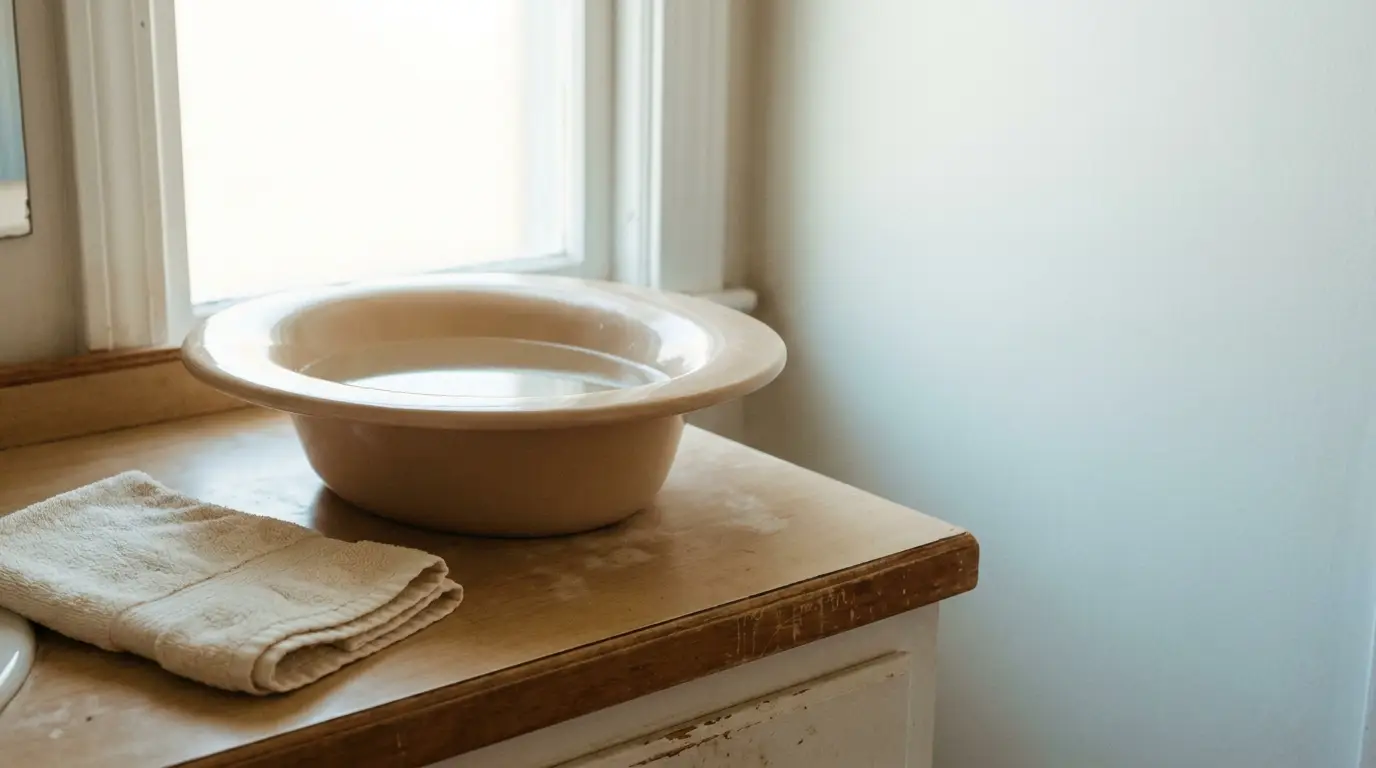
Warm sitz baths may be used for general comfort, but they are not a required part of recovery since there is no open wound in the rectal area.
Tracking Pain During Recovery
Discomfort after HAE should remain mild and gradually decrease. Any persistent or unusual symptoms should be evaluated promptly. Monitoring recovery helps ensure that the treated vessels respond as expected and that no complications develop.
Patients who receive hemorrhoid treatment in NYC are sometimes advised to attend follow-up visits to assess healing. These visits allow adjustments in pain management if needed and confirm that recovery is progressing as expected.
How To Find Reliable Care in New York City for Hemorrhoid Treatment Pain Control
Reliable care begins with selecting providers experienced in minimally invasive, image-guided procedures such as HAE. A detailed assessment evaluation helps determine whether this approach is appropriate based on symptom severity and overall health.
Experienced specialists in New York City use precise catheter-based techniques to reduce blood flow to hemorrhoids without affecting the surrounding tissue. This approach limits discomfort during treatment and supports a smoother recovery process.
Clear aftercare instructions and structured follow-up help maintain comfort and ensure proper healing. Ongoing monitoring allows early identification of any concerns and supports predictable recovery.
Maintaining Comfort After Healing
Long-term comfort depends on maintaining habits that reduce pressure in the rectal area and support digestive health. Even after successful treatment, consistent routines help prevent recurrence.
Balanced meals, regular physical activity, and proper hydration support normal bowel function. Avoiding straining and maintaining soft stool consistency reduces stress on sensitive vessels. These practices help preserve treatment results and support continued comfort over time.