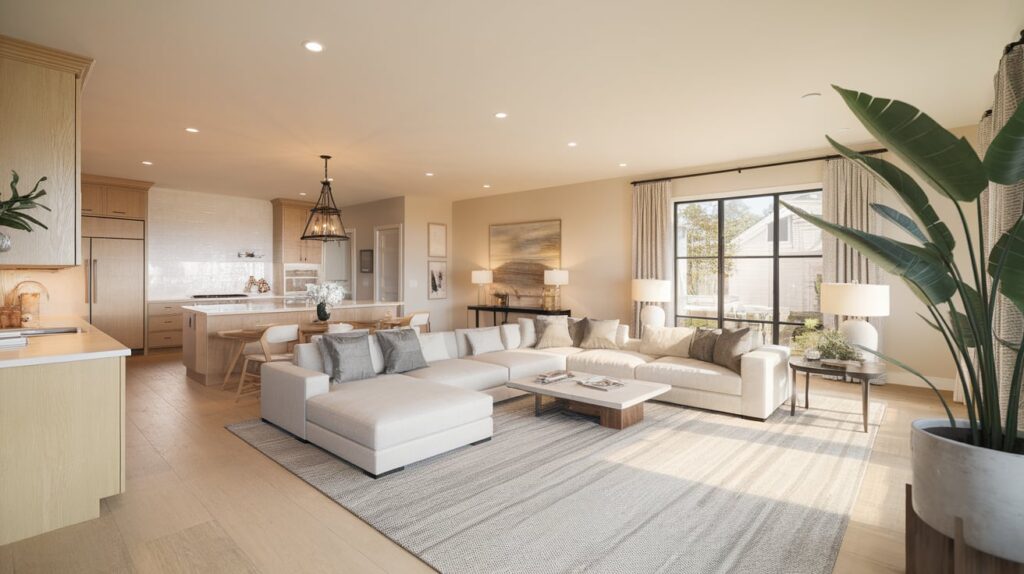
I used to think an open room would be the easiest space to decorate. Then I tried it, and everything felt like it was floating.
If you are searching for open concept living room ideas, you probably want the room to feel clear and comfortable, not messy and loud.
The hard part is that the living, dining, and kitchen areas all compete for attention. That is why small choices matter, like rug size, sofa placement, and lighting layers.
In this blog, you will get simple layout fixes, quick zone tips, and style directions that help the whole space feel pulled together. Keep reading for open concept living room ideas that work in real life.
Understanding Open Concept Living Room
An open concept living room is a living area that shares space with nearby rooms, often the kitchen and dining area, with few or no walls between them.
Instead of closed-off rooms, the space feels open and connected. This setup can make a home feel bigger, brighter, and easier for people to talk across rooms.
It can also be harder to decorate because the living room has to “share” attention with the kitchen and dining area. The key is to create clear zones for each use, so the space feels organized.
Rugs, lighting, and furniture placement help define where the living area starts and ends, even without physical walls.
Quick Open Concept Living Room Ideas
1. Use a Rug To Define the Living Zone
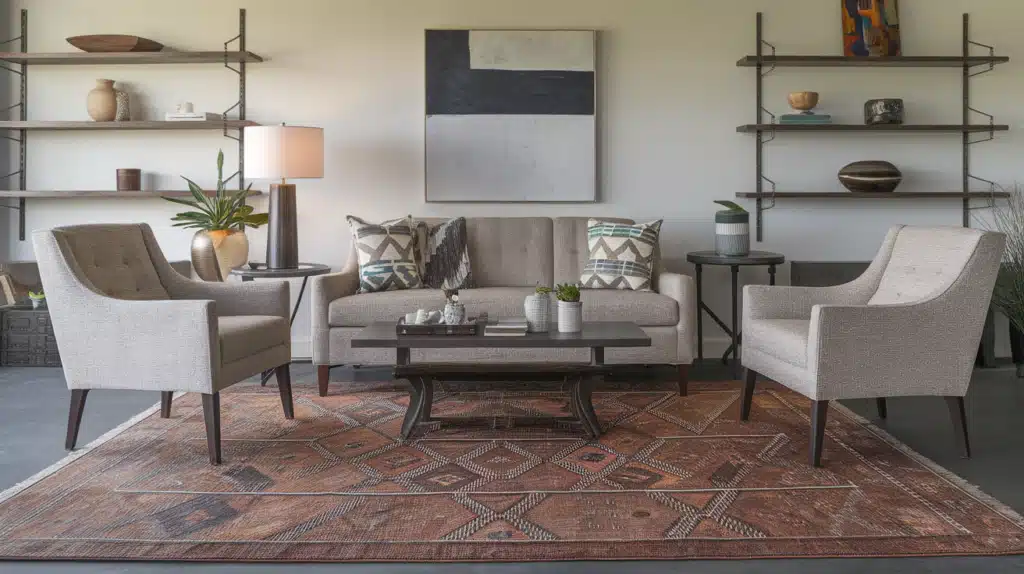
Start with a rug that fits the seating area, not just the coffee table. A larger rug makes the living zone feel like its own “room” inside the open space. Place the front legs of the sofa and chairs on the rug to lock the layout in place.
If the rug is too small, everything looks scattered. In open plans, a rug also helps with echo and makes the space feel warmer. If living and dining share one area, use a different rug under the dining table to show two clear zones.
2. Float the Sofa to Create a Divider
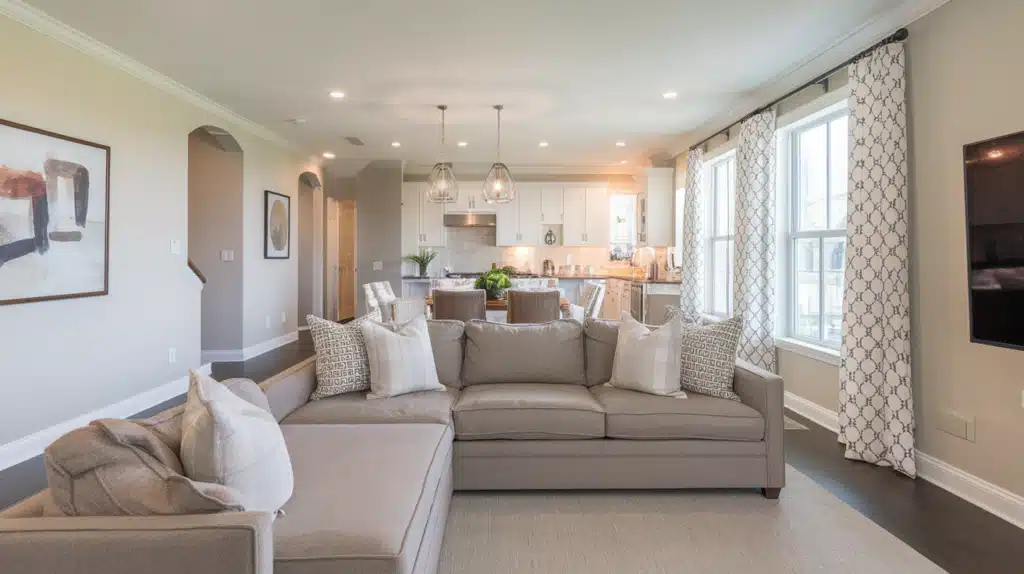
Instead of pushing the sofa against a wall, pull it into the room and aim it toward the main focal point, often the TV or a conversation area.
The back of the sofa becomes a clean boundary between the living room and the kitchen or dining room. This is one of the easiest fixes for an open concept kitchen living room.
Leave a comfortable walking path behind it so people can move without cutting through the seating. This trick works well when the room has no obvious “living room wall.” It also helps stop the space from feeling like one big empty box.
3. Add a Console Table Behind the Sofa
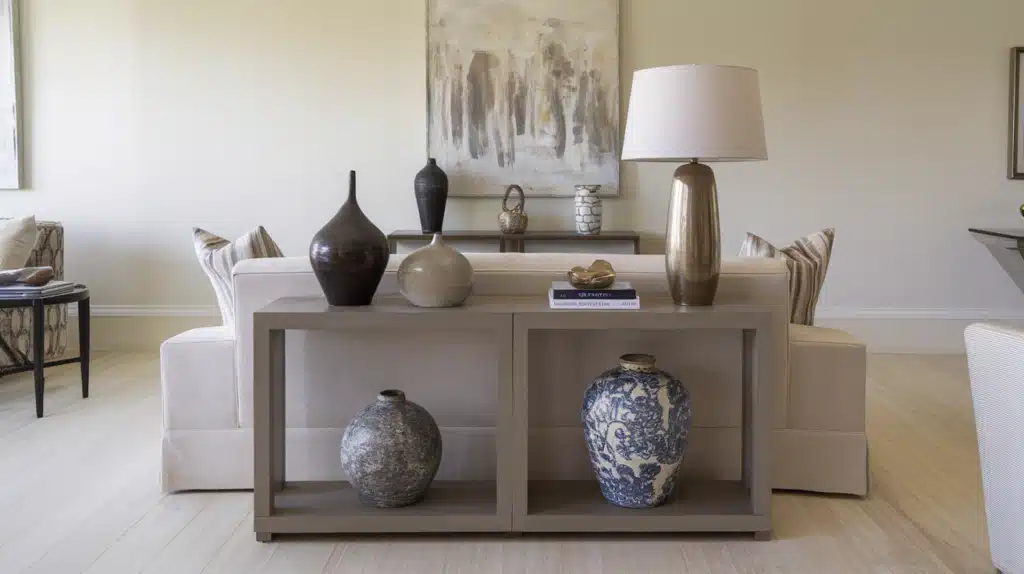
A console table behind the sofa adds a clear edge to the living area without building a wall. It also gives you a spot for table lamps, a catch-all tray, books, or baskets. Choose a table that is close to sofa height and not too deep, so the walkway stays open.
If the sofa “floats,” this piece makes the back look finished from the kitchen or entry view. Add two lamps for balance and softer lighting, or add baskets below for hidden storage.
4. Anchor Dining With a Pendant Light
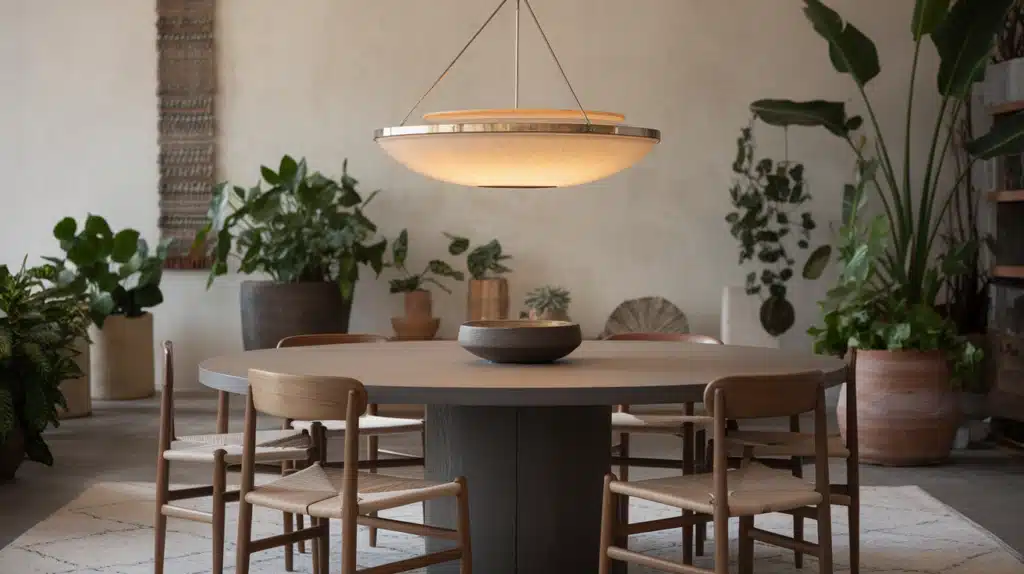
A pendant light above the dining table acts like a ceiling marker that says, “this is the dining zone.” It helps the dining area feel grounded, especially if the table sits between the kitchen and living room.
Hang it centered over the table and use a dimmer if possible, so the light can shift from bright meals to softer evenings. If you do not want a pendant, use a chandelier or even a track light that points down at the table area.
5. Repeat One Accent Color Across Zones

Pick one accent color and show it in a few places across the open space so everything feels connected.
For example, use it in pillows, a throw, one piece of art, and a small decor item on the dining side. Keep it limited so it does not turn into visual noise. This works best when the base colors stay neutral.
Repeating one color is an easy way to link the living and dining areas without matching everything exactly.
6. Use One Oversized Art Piece
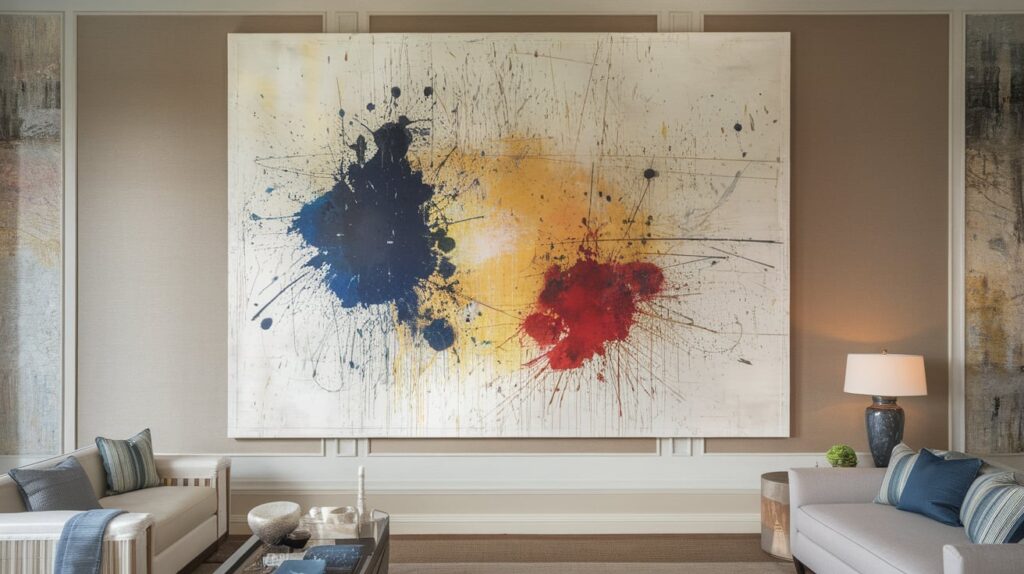
One large art piece can calm the room more than many small frames. In open concept spaces, small pieces can look busy because your eyes already take in a lot at once. A bigger piece creates one clear focal spot and helps scale the wall to the large room.
Hang it at eye level and keep the frame style simple so it does not fight with other zones. If you prefer photos, use one large photo print instead of a full collage wall.
7. Add a Tall Plant for Soft Separation
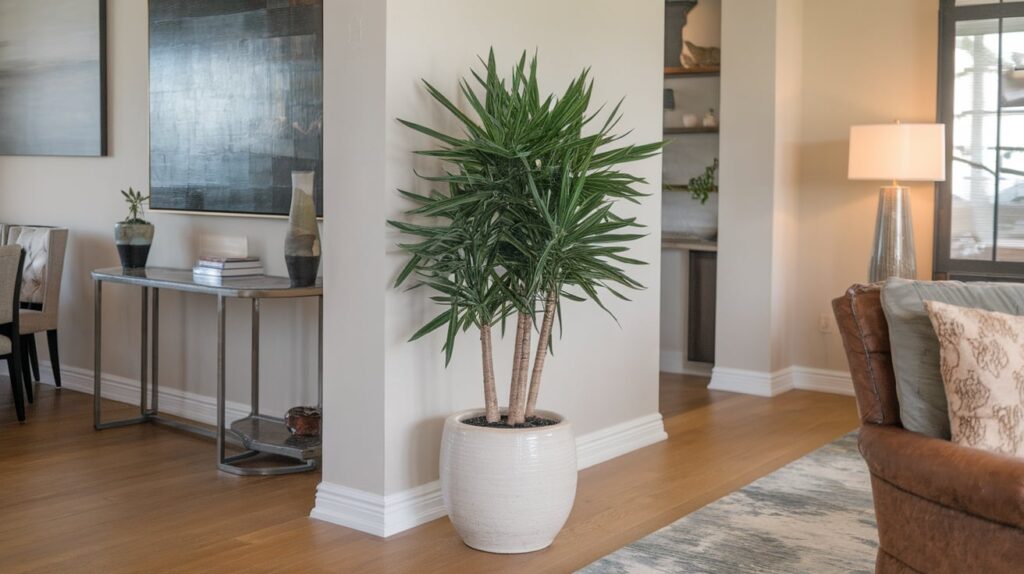
A tall plant can break up the view between zones while still keeping the room open and light. Place it near the edge of the living zone, like beside the sofa, near a console table, or at the corner where the dining area begins.
Pick a sturdy pot so it does not tip in high-traffic areas. Plants also add softness and texture, which helps open rooms feel less harsh. If you do not want a real plant, use a good faux one with a simple pot.
8. Choose Closed Storage for Daily Clutter
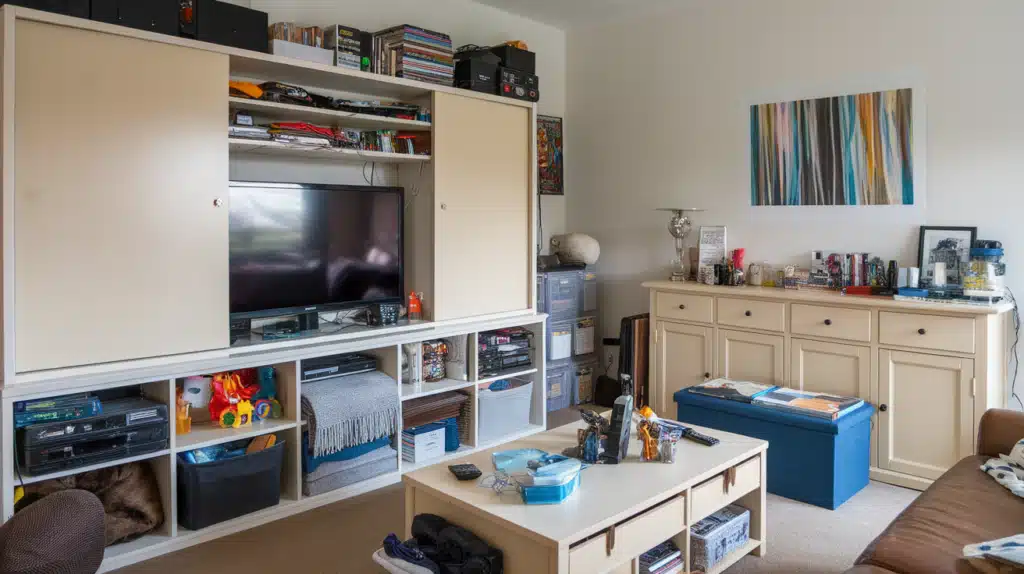
Open concept spaces look messy fast because everything is visible from multiple angles. Closed storage helps hide the daily stuff: remotes, toys, cables, throws, and papers.
Use a media unit with doors, a sideboard, storage ottomans, or a coffee table with drawers. Place storage near the problem zones, not across the room. ‘
If clutter collects near the kitchen, a closed cabinet or baskets under a console can keep it out of sight without adding bulky furniture.
9. Layer Lamps For a Softer Night Look

One ceiling light can make an open plan feel harsh at night. Add two or three lamp sources to create softer pools of light in the living zone. A floor lamp near the sofa and a table lamp on a side table are a simple starting point.
If there is a console behind the sofa, the lamps there work well too. Use warm bulbs so the light feels calm and not stark. Lamps also help separate zones, since each area gets its own lighting.
Zoning Tools That Help The Space Feel Clear
Open rooms can feel messy when every area blends together. Zoning tools help you set clear spots for lounging, eating, and walking, without adding walls.
Start with rugs to mark each zone from the floor up. A rug under seating creates a “living area,” while a second rug can set the dining area apart.
Next, use lighting to label each spot. A pendant over the table signals dining, while lamps make the living zone feel calm at night.
Finish with simple dividers like a sofa back, console table, open shelf, or tall plant. These cues guide the eye and make the layout feel planned.
Make It Cozy And Livable (The “Too Open” Fix)
An open concept room can feel loud, bare, and a little stressful if nothing soft breaks it up. Start by reducing echo. Add a large rug in the living zone, curtains on windows, and soft seating like upholstered chairs.
Next, fix sightlines so the first thing you see is not kitchen clutter or toy piles. Angle the sofa, use a console table, or place a tall plant to block messy views. Finish with evening lighting that feels calm.
Use table lamps, a floor lamp, and a dimmable overhead light. Warm bulbs help the room feel relaxed and less harsh after dark.
Choose a Style Path
Pick one clear style direction so the living, dining, and kitchen areas look connected and not random.
1. Modern
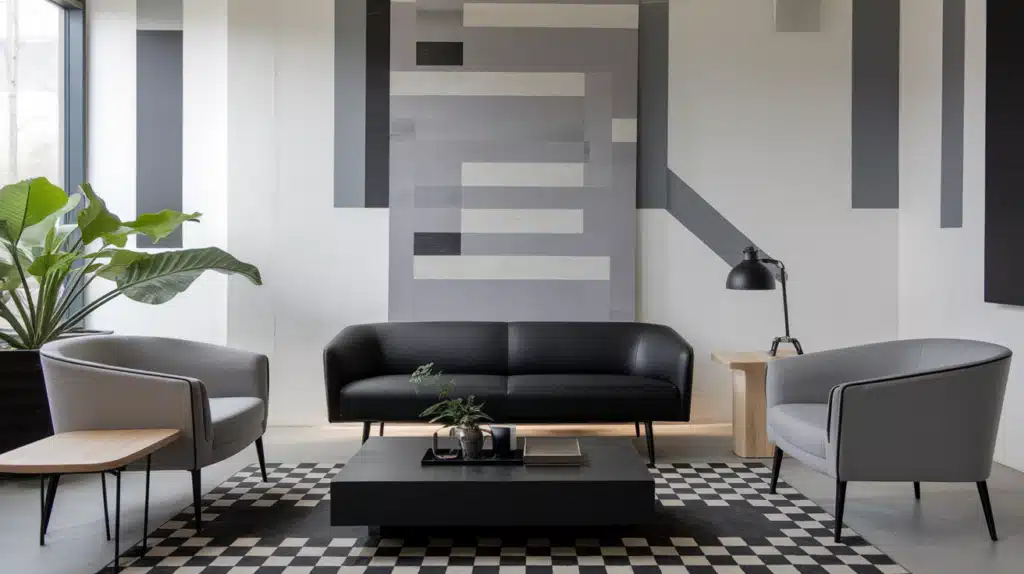
Use a simple base of white, gray, black, or warm beige, then add one strong accent color in small doses. Choose furniture with clean lines and low profiles, like a slim sofa and simple chairs with visible legs.
Stick to a few finishes, such as black metal and light wood, so the space stays consistent. Lighting should feel bold and clean, like a statement pendant over the dining and simple lamps in the living zone.
Keep decor limited. Use one large art piece, one large plant, and a few solid accessories instead of many small items.
2. Minimalist
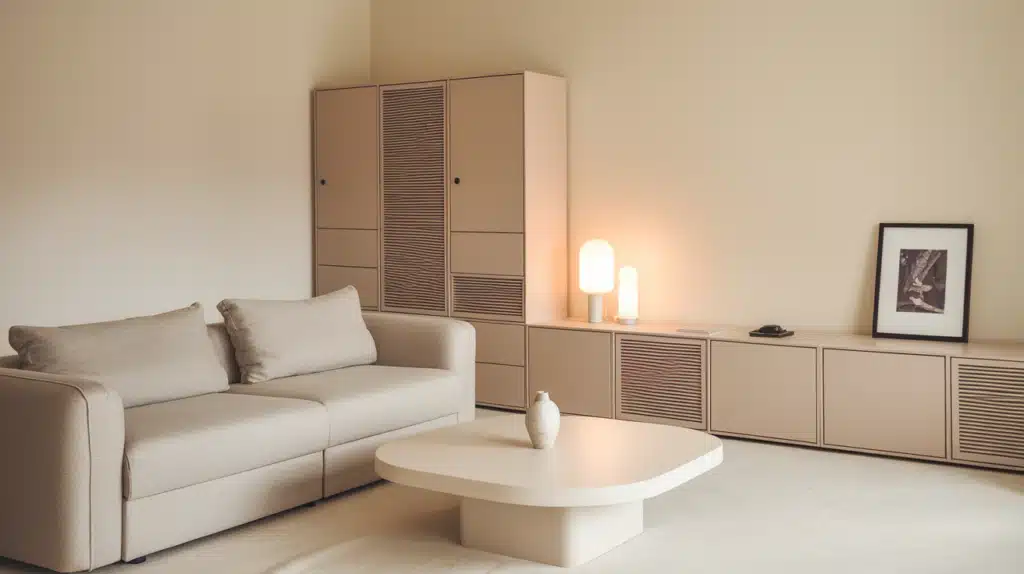
Start with a calm color range like soft white, warm gray, or light beige, and keep contrast low. Choose fewer furniture pieces, but make each one count, such as a sofa, a coffee table, and a storage unit.
Hidden storage matters here. Use closed cabinets, baskets with lids, and a media unit with doors to keep surfaces clear. Lighting should be soft and simple, with warm bulbs and clean lamp shapes.
Decor should stay light. A single vase, one framed print, or a simple bowl is enough. Clear space is part of the look.
3. Cozy Farmhouse
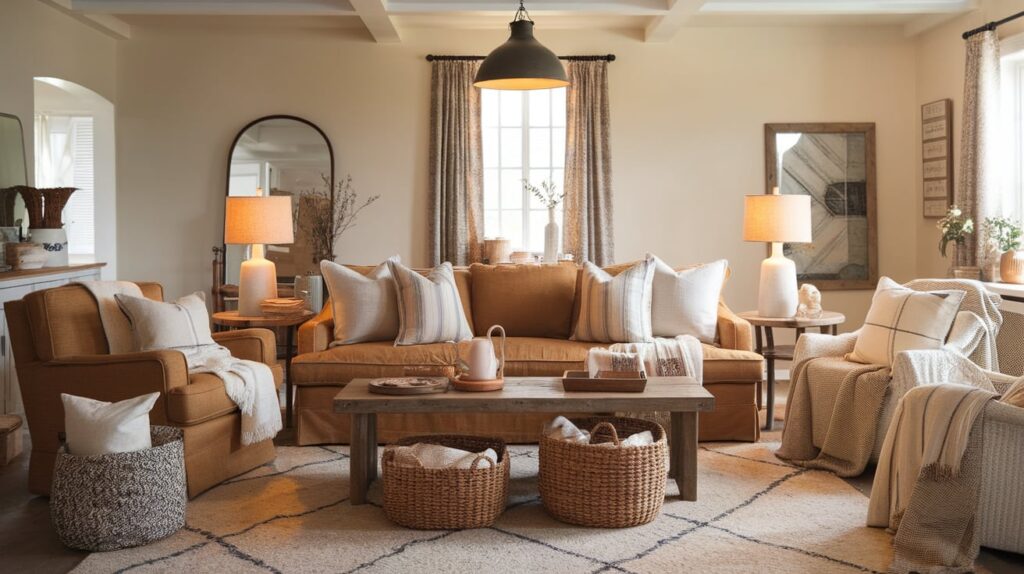
Use warm whites, creamy tones, and soft, earthy colors like muted green, dusty blue, or warm tan.
Pick furniture that looks comfortable and sturdy, such as a deep sofa, a solid wood coffee table, and cozy accent chairs. Add texture through woven baskets, knit throws, linen pillows, and a rug with a soft pattern.
Lighting should feel warm and welcoming. Use a pendant with a simple shade, plus table lamps with fabric shades. Decor can be homey, but keep it controlled. Use a few larger pieces like a mirror, a framed print, and one or two baskets.
4. Warm Neutral
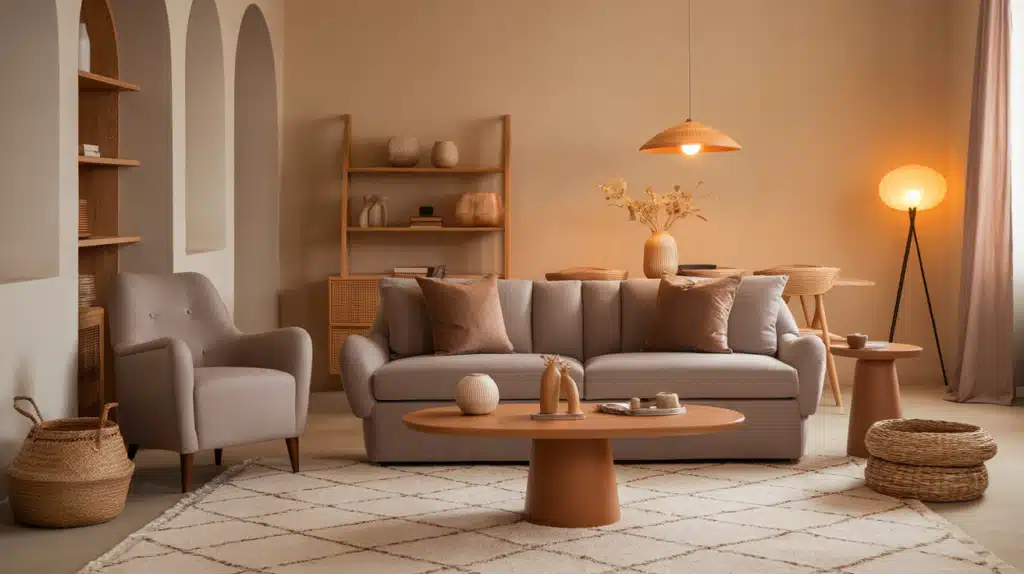
Build the space around warm neutrals like beige, taupe, greige, warm white, camel, and soft brown. The goal is depth from layers, not strong color.
Use a mix of textures, like a soft rug, woven baskets, wood accents, and mixed fabrics on pillows and throws. Furniture can be simple, but avoid harsh black contrast unless it is used lightly.
Lighting should be warm, with lamps in the living zone and a dining light that is not too bright. Keep patterns low and calm. A rug with a gentle pattern adds interest without noise.
5. Colorful Eclectic
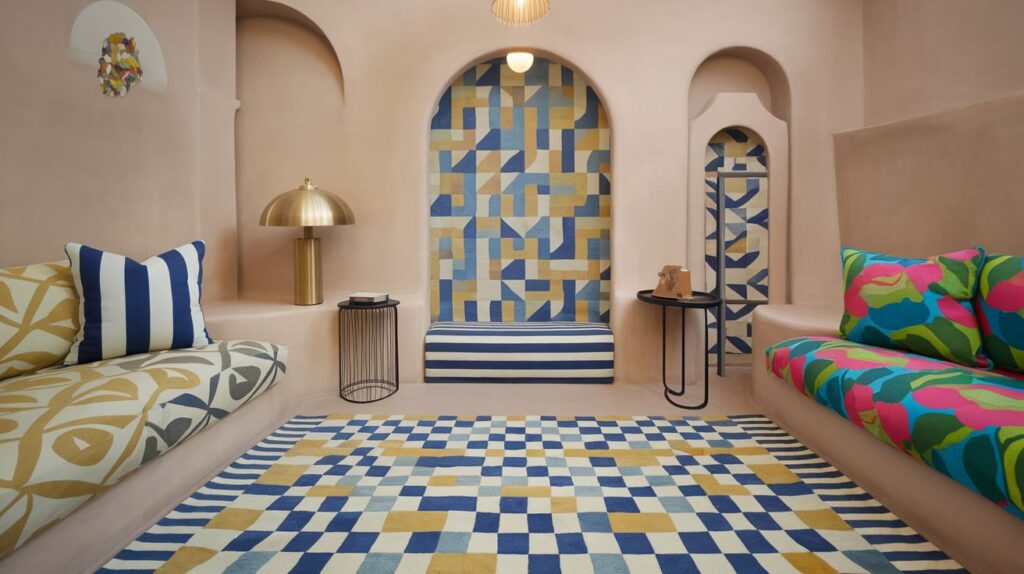
Start with a neutral base so the space does not feel chaotic. Use warm white walls or a soft neutral rug as the anchor. Pick 2–3 colors and repeat them across the open space in art, pillows, and small decor, so it feels planned.
Mix patterns, but keep one rule: vary the scale. Use one bold large pattern, one medium pattern, and one small pattern. Repeat finishes too, like brass in two spots or black metal in two spots.
Lighting can be playful, but keep shapes tied together so it still feels cohesive.
Mistakes to Avoid
Fixing these common issues makes an open room feel cleaner, easier to use, and more put-together.
- Furniture pushed to the walls.
- No clear walkways.
- Rugs that are too small.
- Too many small decor pieces.
Tackle these first, then adjust styling and accessories after the layout feels stable.
Conclusion
An open room can look great when each area has a clear job. Start with the layout, then use rugs, lighting, and simple dividers to set zones.
Keep walkways open, size rugs correctly, and use closed storage so clutter stays out of sight. If the space feels loud or empty, add soft pieces like curtains, a larger rug, and warm lamps.
One final tip: pick one style direction early, then repeat a few colors and finishes across the room. Try one change at a time, and see what feels better in your home.
If you want more open concept living room ideas, check out other blogs on related room layouts and decor tips, and tell me which setup you want to try first.