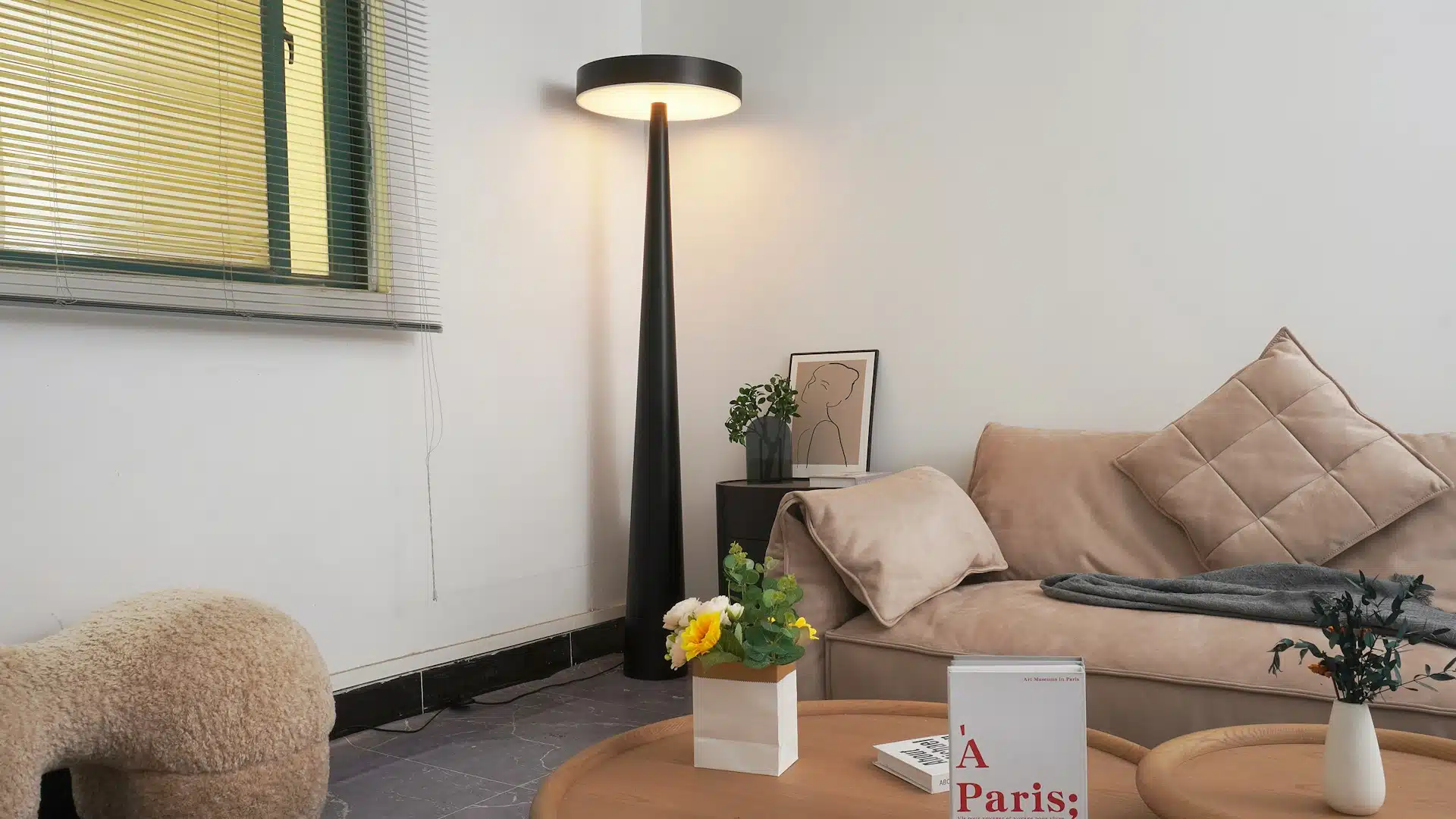
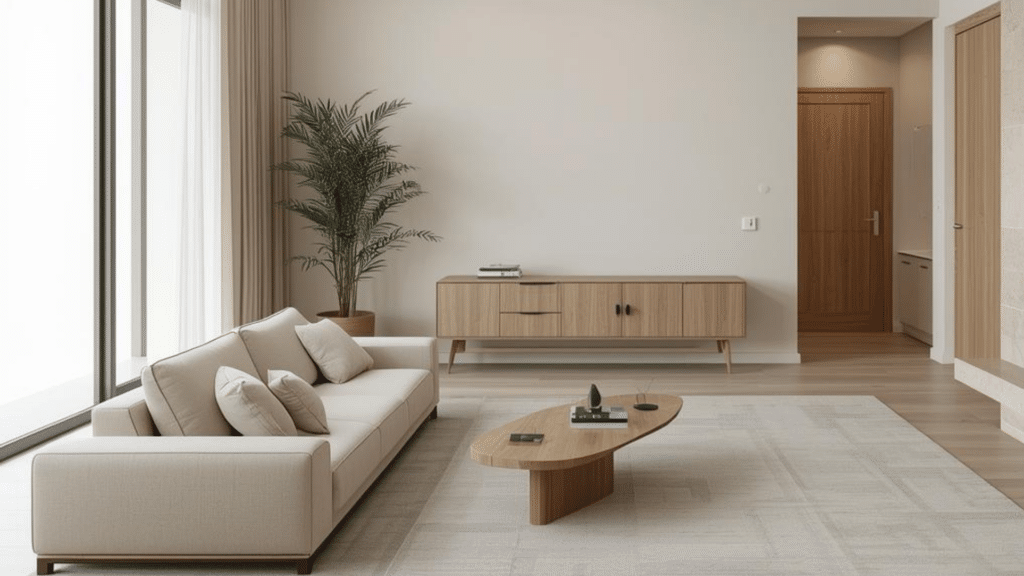
I see many homes that look polished but still feel uncomfortable to live in. That is usually where confusion around modern luxury interior design begins.
You might like clean spaces and quality finishes, yet struggle to make them feel calm and usable every day. I have noticed that this style works best when it supports how you move, rest, and use each room.
Understanding the basics helps you avoid clutter, wasted spending, and layouts that feel stiff.
In this blog, I will walk you through clear ideas, real home examples, and practical choices that make modern luxury interior design feel natural, comfortable, and easy to maintain.
Key Elements Of Modern Luxury Interiors
These key elements shape modern luxury interiors by focusing on comfort, quality, and clear layout choices that support daily use while keeping spaces calm, balanced, and easy to maintain.
- Quality Materials: Use stone, wood, metal, and fabric that feel solid and last well over time.
- Controlled Color Use: Rely on neutral bases with darker or warmer accents used in small amounts.
- Texture Variety: Mix smooth surfaces with natural finishes to avoid flat or dull spaces.
- Clean Layouts: Keep furniture spacing open so each piece has a clear purpose.
- Layered Lighting: Combine ceiling lights, lamps, and hidden lighting for better control.
When these elements work together, your space feels intentional and livable, helping you make design decisions with confidence while avoiding excess, visual noise, and choices that feel forced over time.
Modern Luxury Interior Design Ideas
These ideas show how modern luxury works in real homes, focusing on layout, material choices, comfort, and long-term daily use.
1. Layered Neutral Living Rooms
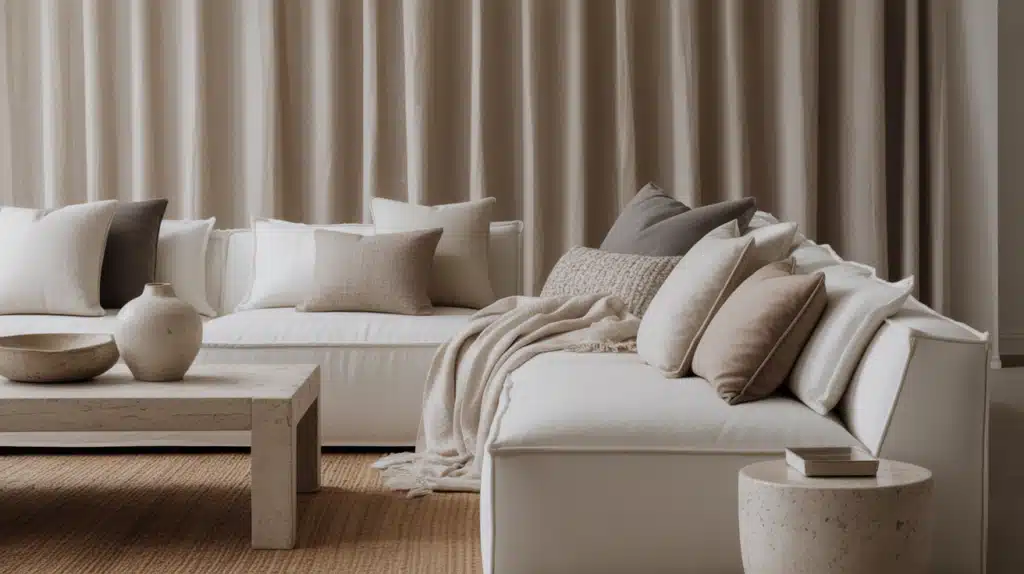
Layered neutral living rooms rely on variation rather than contrast. You start with a base of soft whites, warm grays, or muted beige tones. Depth comes from using different shades within the same range instead of adding strong colors.
Upholstery, rugs, curtains, and cushions should each bring a slightly different tone or surface feel. This keeps the room from looking flat.
Furniture shapes stay simple, while materials like wool, linen, wood, or stone add interest. Spacing matters just as much as color. Leave breathing room between pieces so the layout feels calm and intentional, not crowded.
2. Statement Lighting as a Focal Point
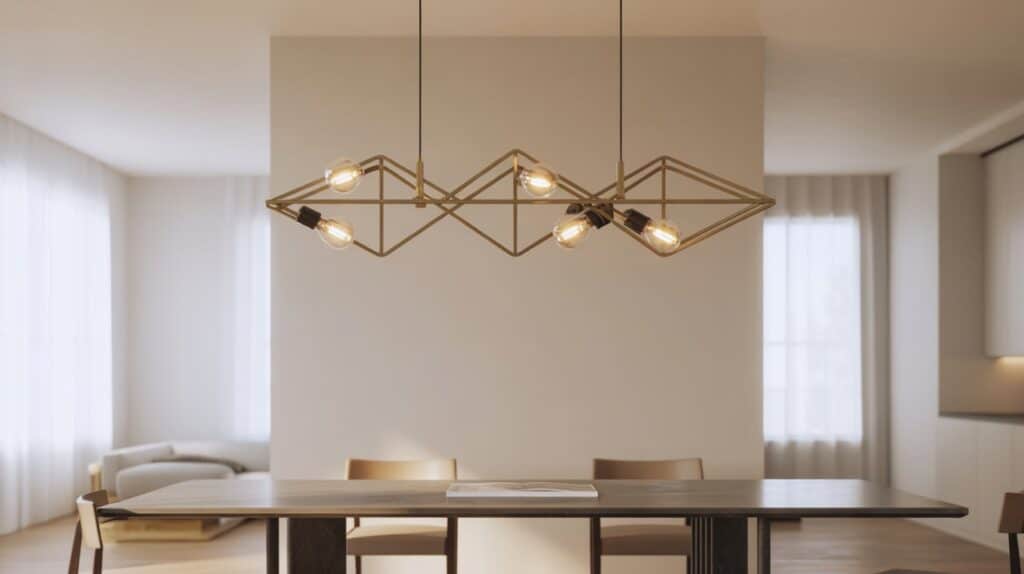
Statement lighting works best when it replaces excess decor rather than adding to it. A single ceiling fixture, pendant, or sculptural light draws attention and sets the tone for the room.
Choose a size that matches the space, not something oversized just for impact. In living rooms or dining areas, lighting should sit where the eye naturally rests. Keep surrounding finishes simple so the light remains the main feature.
Supporting lights, such as wall fixtures or lamps, should stay subtle. This approach keeps the room grounded while still feeling intentional and well planned.
3. Warm Wood with Natural Stone
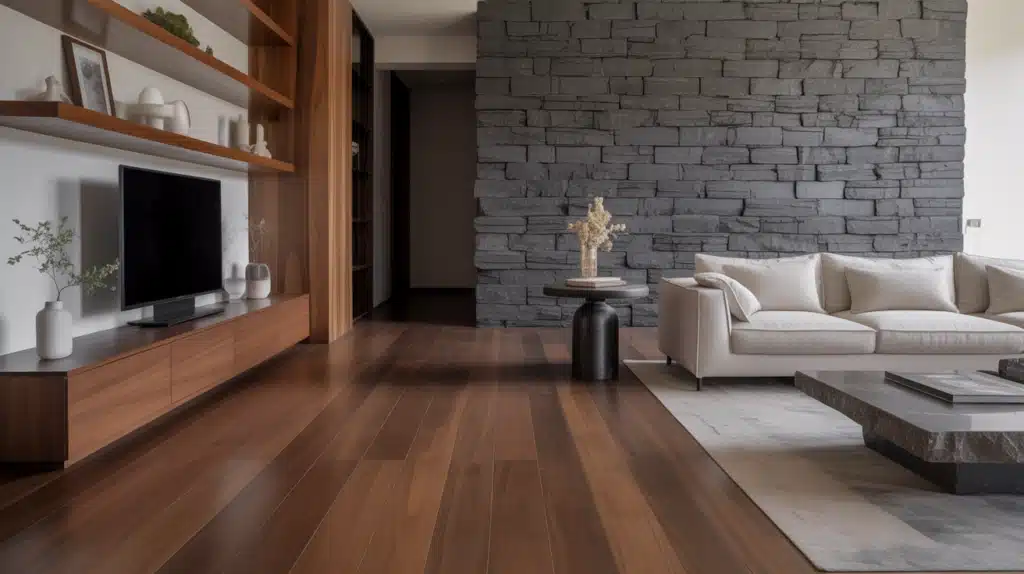
Using wood and stone together creates a balance between comfort and structure. Wood brings warmth through floors, wall panels, and furniture.
Stone adds weight and stability when used on counters, tables, or feature walls. The key is restraint. Choose one main wood tone and one stone finish rather than mixing many.
Let each material appear in clear, defined areas so the room feels organized. Matte finishes usually work better than polished ones for everyday living. This pairing suits kitchens, bathrooms, and living areas where durability and visual calm matter most.
4. Minimal Furniture with Strong Forms
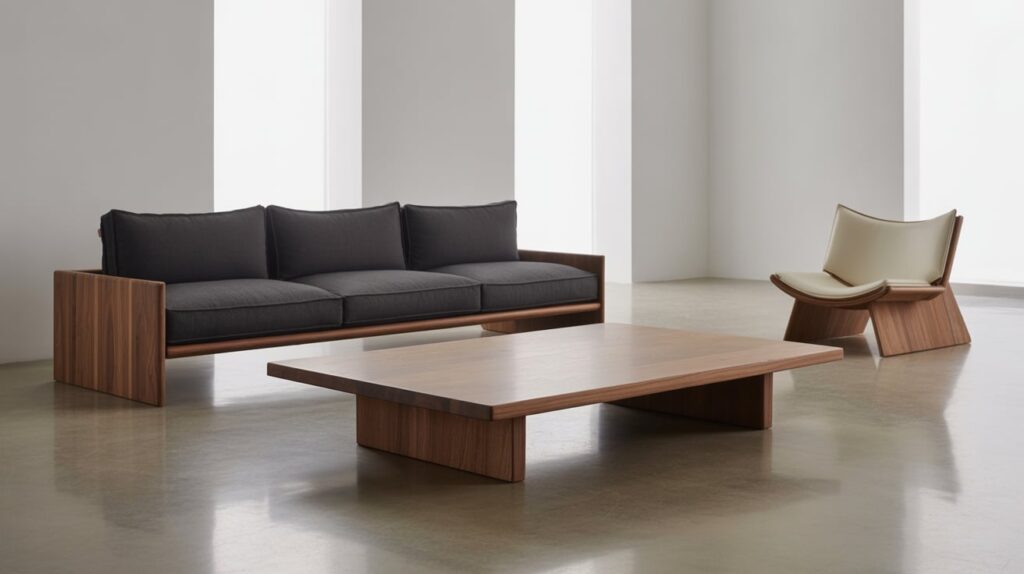
Minimal furniture does not mean empty rooms. It means choosing fewer pieces with clear shapes and solid presence.
Each item should serve a purpose and earn its place in the room. Sofas, chairs, and tables work best when their lines are simple, and proportions feel right for the space. Avoid filling corners just to make the room feel complete.
Open floor space helps furniture stand out more. Quality construction matters here, since fewer pieces draw more attention. This approach supports comfort while keeping the room easy to move through and simple to maintain.
5. Floor-to-Ceiling Curtains
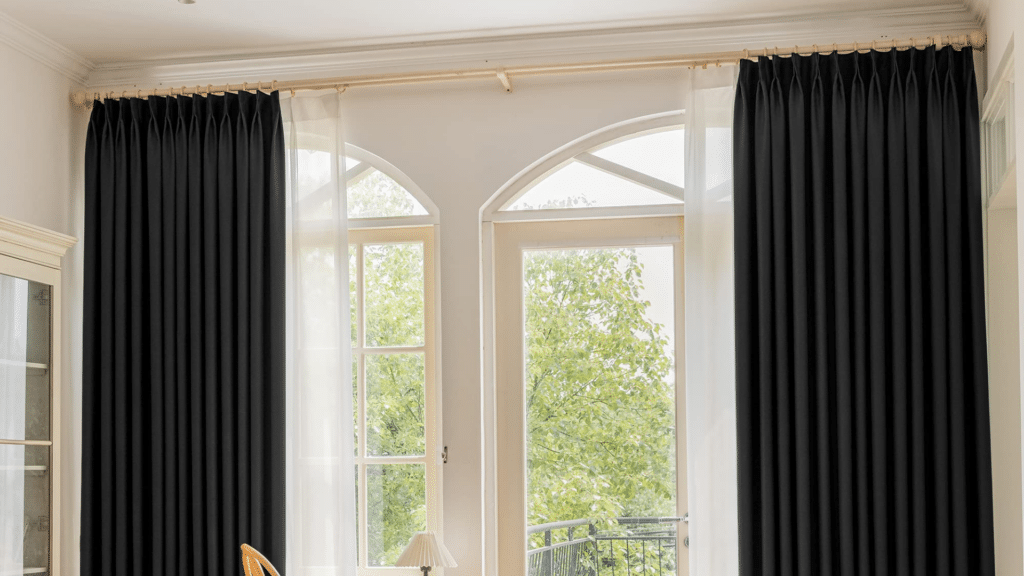
Floor-to-ceiling curtains help rooms feel taller and more settled. They work best when mounted close to the ceiling rather than directly above the window frame.
Fabric choice should feel substantial but not heavy, allowing light to pass through while still offering privacy. Neutral shades keep the look consistent with modern luxury interiors.
Curtains should frame the space, not overpower it. When paired with simple furniture and clean walls, they soften the room and improve sound control. This choice works well in living rooms and bedrooms where comfort and visual flow matter most.
6. Textured Walls Over Heavy Decor
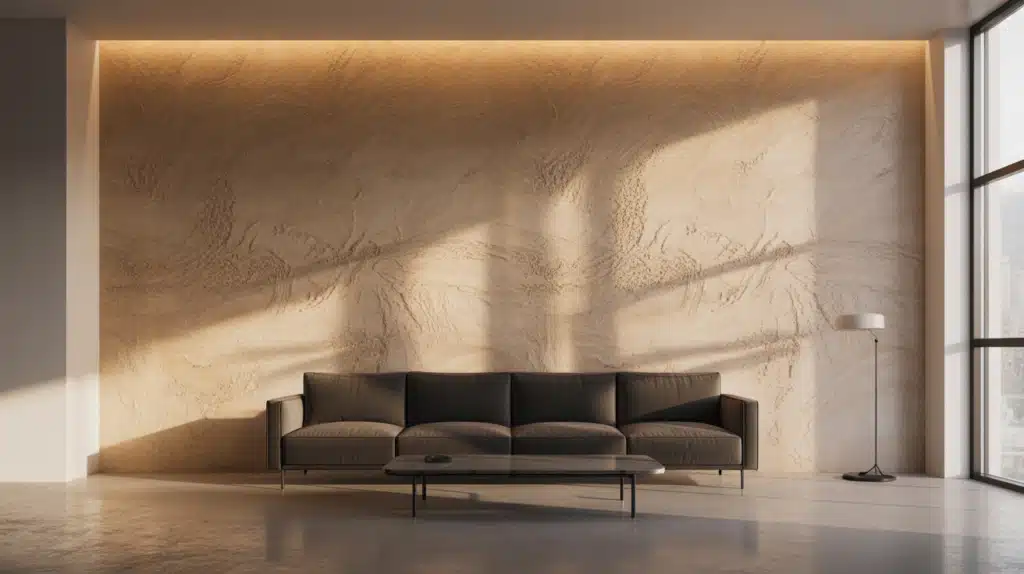
Textured walls replace the need for crowded decor by adding interest directly to the surface.
You can use wall panels, subtle plaster finishes, or stone details to give depth without hanging multiple items. This approach keeps the room visually calm while still feeling complete.
Textured walls work well behind sofas, beds, or dining areas where you want a clear focal point. Stick to one finish per space to avoid visual overload.
Neutral tones help the surface stand out through light and shadow rather than color. This choice supports cleaner layouts and reduces the need for frequent updates.
7. Built-In Storage With Clean Lines
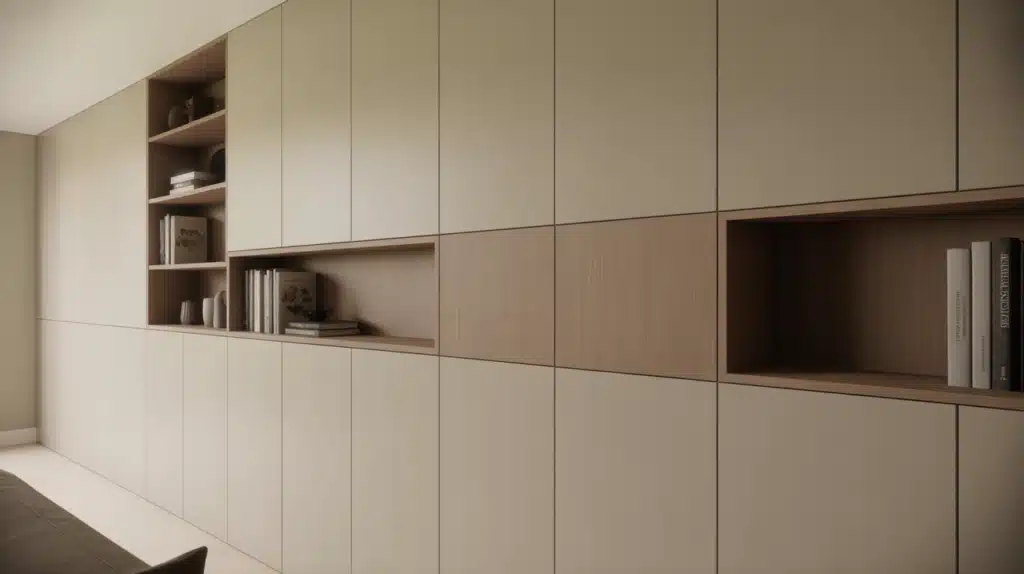
Built-in storage helps keep rooms organized while maintaining a simple visual flow. Cabinets, shelves, or wall units should sit flush with surrounding surfaces so they feel part of the structure, not added later.
Handles can be recessed or minimal to avoid extra detail. This setup works well in living rooms, bedrooms, and kitchens where clutter easily builds up. Storage should hide everyday items while leaving a few open areas for practical use.
When everything has a place, the room feels calmer and easier to manage. Clean storage supports both function and long-term comfort.
8. Matte Finishes Instead Of High Gloss
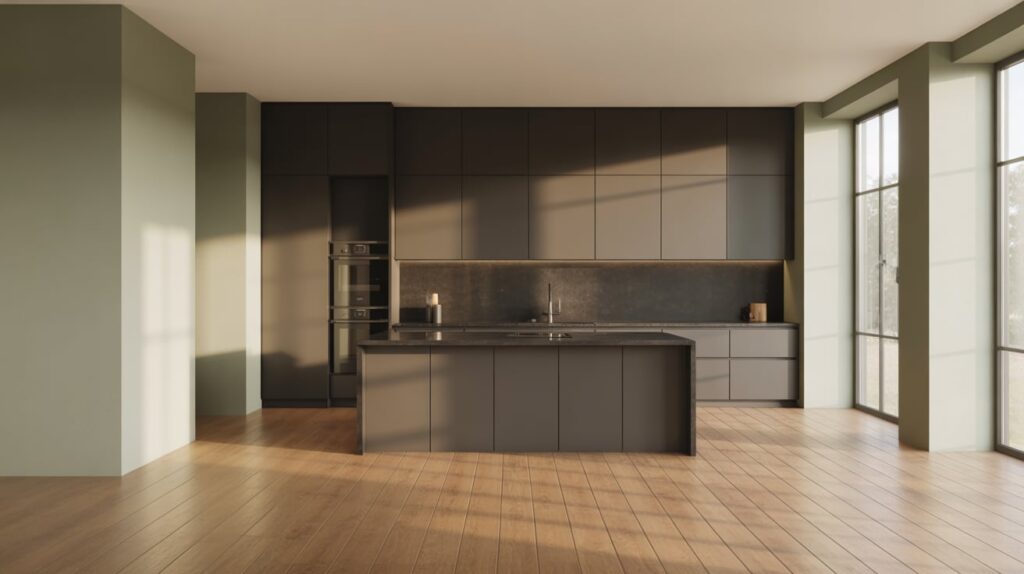
Matte finishes reduce glare and help surfaces feel steady and grounded. You can apply them to cabinets, walls, floors, or furniture for a softer overall look.
Unlike glossy finishes, matte surfaces do not highlight fingerprints or dust as easily, making them better for daily use. They also work well with natural light, creating gentle contrast rather than sharp reflections.
Matte finishes pair easily with wood, stone, and fabric, helping materials work together without competing for attention. This choice suits kitchens, bathrooms, and living areas where comfort and low maintenance matter.
9. Open Layouts with Clear Zones
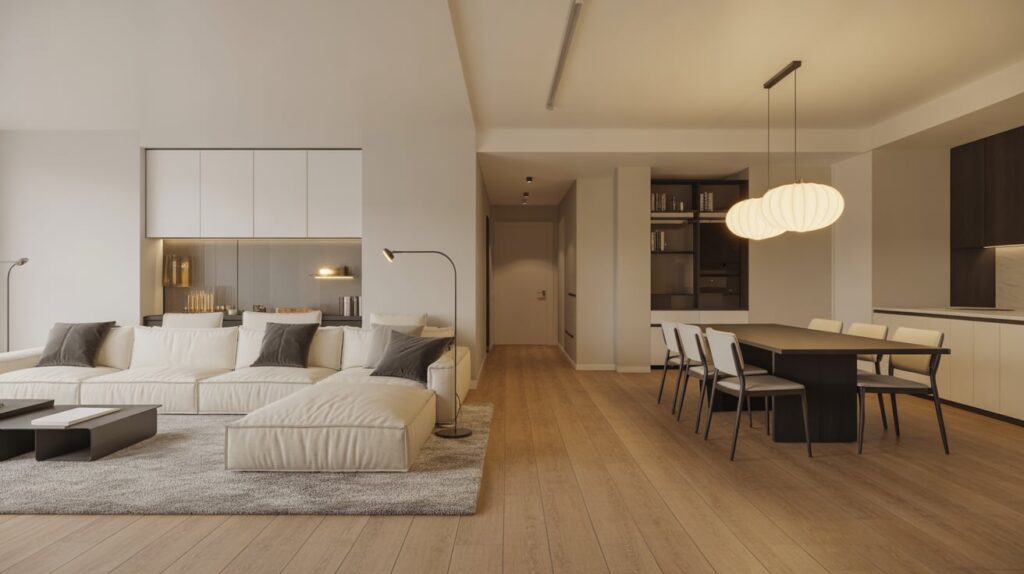
Open layouts work best when each area has a clear purpose. Instead of walls, you can define zones using rugs, lighting, or furniture placement.
A sofa can separate living and dining spaces, while a change in lighting can signal different uses. Keeping walkways clear helps the layout feel organized and easy to move through.
Use consistent materials across zones so the space feels connected, not broken up. This approach suits apartments and houses where flexibility matters. Clear zoning allows open spaces to feel structured rather than unfinished or confusing.
10. Natural Stone in Kitchens and Baths
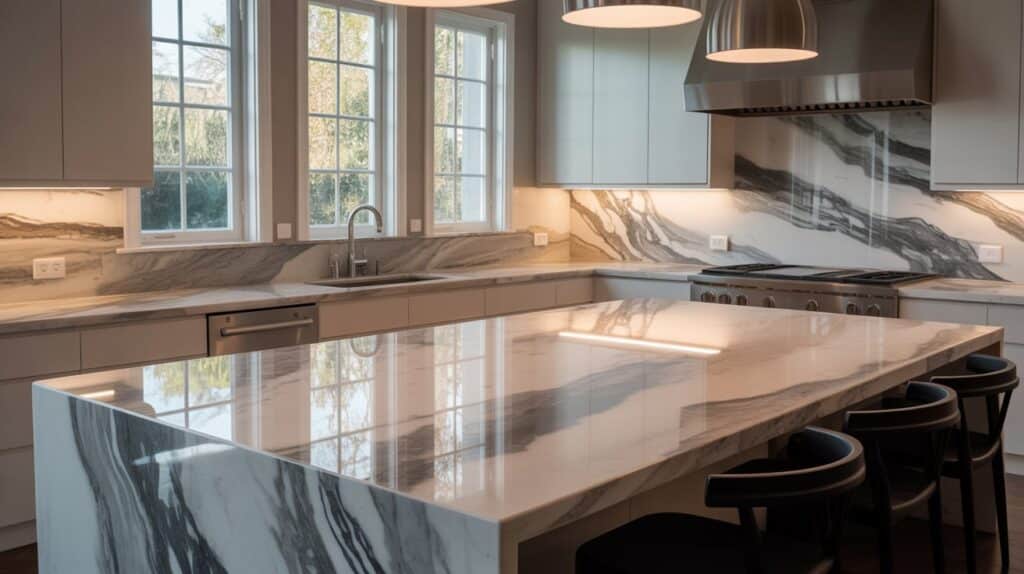
Natural stone adds strength and reliability to kitchens and bathrooms. You can use it on counters, backsplashes, floors, or shower walls. Stone works best when treated as a main feature rather than scattered across many surfaces.
Choose one type per space to keep the look controlled. Lighter stones reflect light well, while darker options add depth.
Sealed stone holds up well in areas with moisture and frequent use. This choice supports both daily function and long-term value, making it practical as well as visually steady.
11. Soft Accent Colors in Small Doses
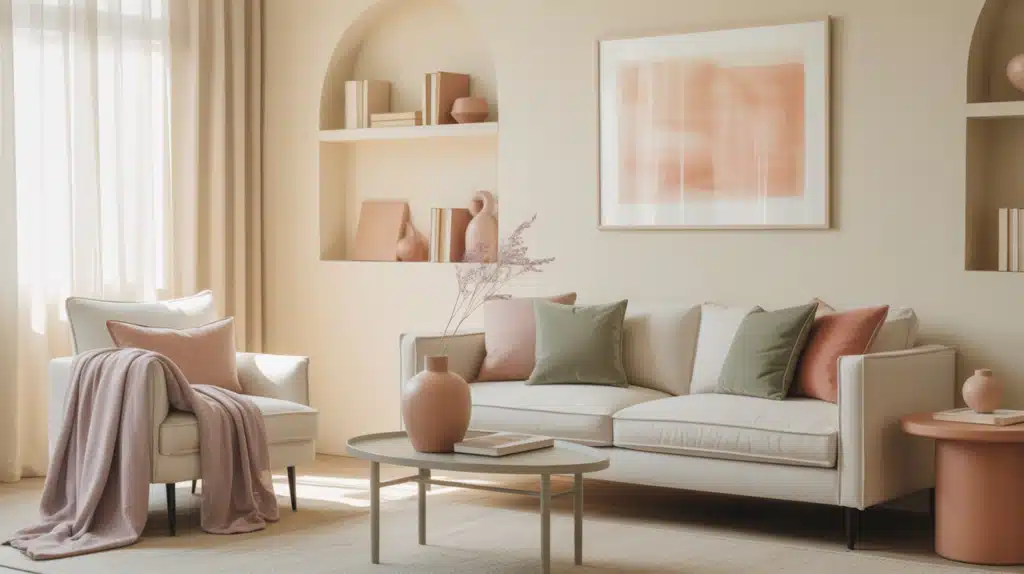
Soft accent colors add interest without taking over the space. You can introduce them through cushions, chairs, artwork, or small decor items.
Stick to muted shades so they support the main color scheme rather than competing with it. Using accents in limited areas helps the room stay calm and easy on the eyes.
If your base palette is neutral, even small color changes can refresh the look. This approach allows you to update spaces over time without major changes. Controlled use of color keeps rooms flexible and easy to live with.
12. Glass and Metal Details
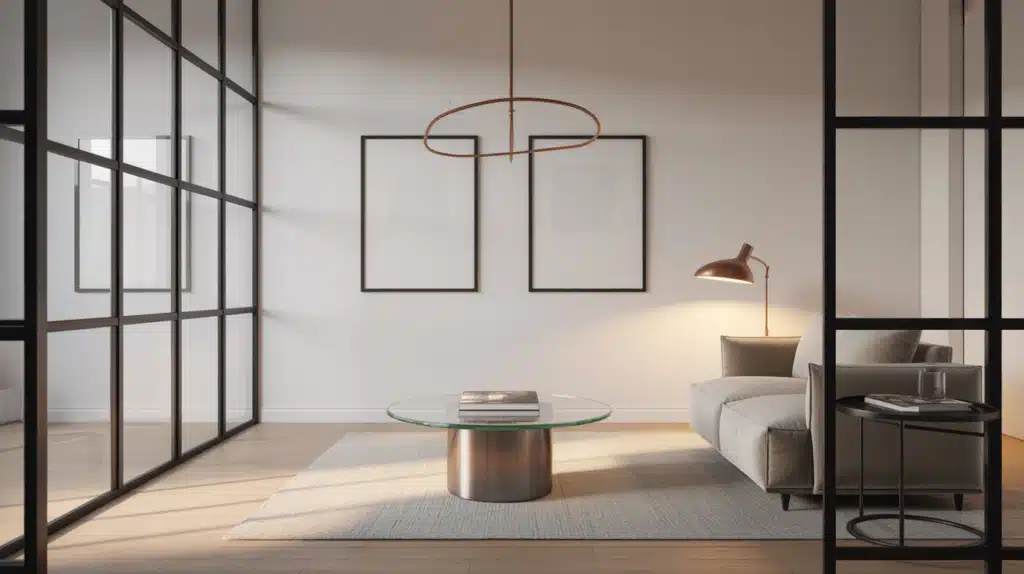
Glass and metal details add contrast without filling the room with extra items. Glass keeps spaces feeling open by allowing light to pass through, which helps smaller rooms feel less boxed in.
Metal adds structure through frames, fixtures, or furniture bases. Use these materials in small amounts so they support the layout instead of dominating it. Black, brushed steel, or soft bronze finishes usually work best.
Keep shapes simple and lines clean. When glass and metal appear alongside wood or fabric, the room feels steady and intentional while staying easy to maintain for daily living.
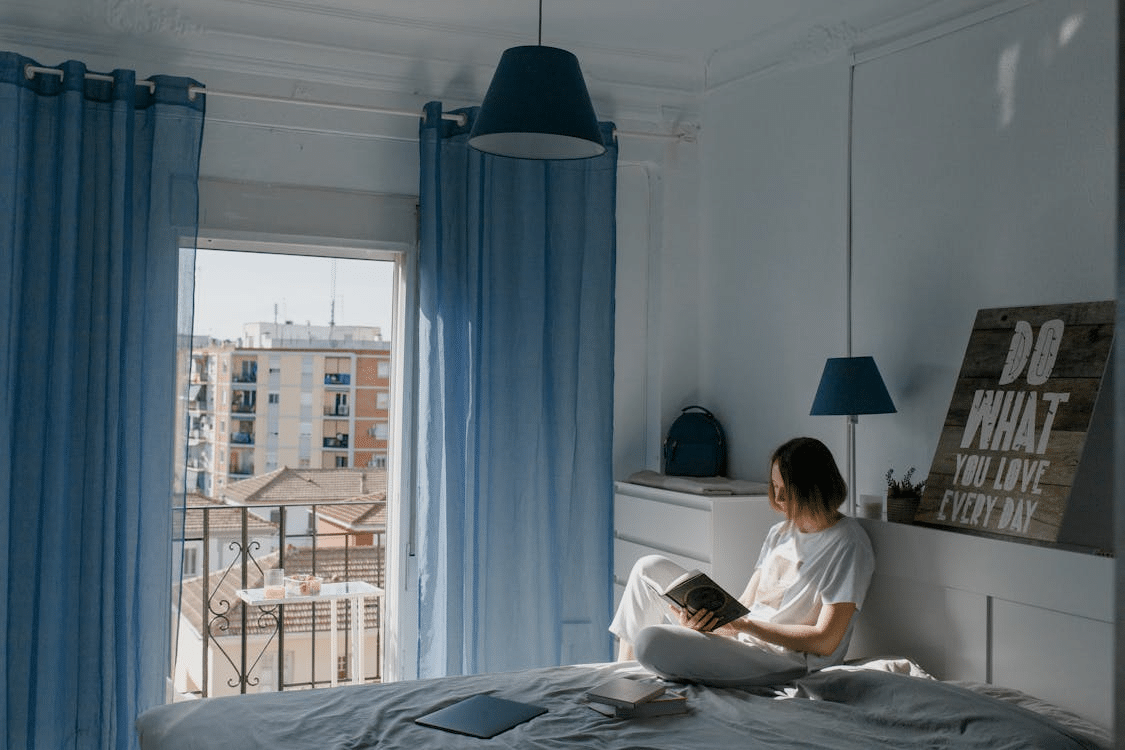
13. Calm Bedroom Color Schemes
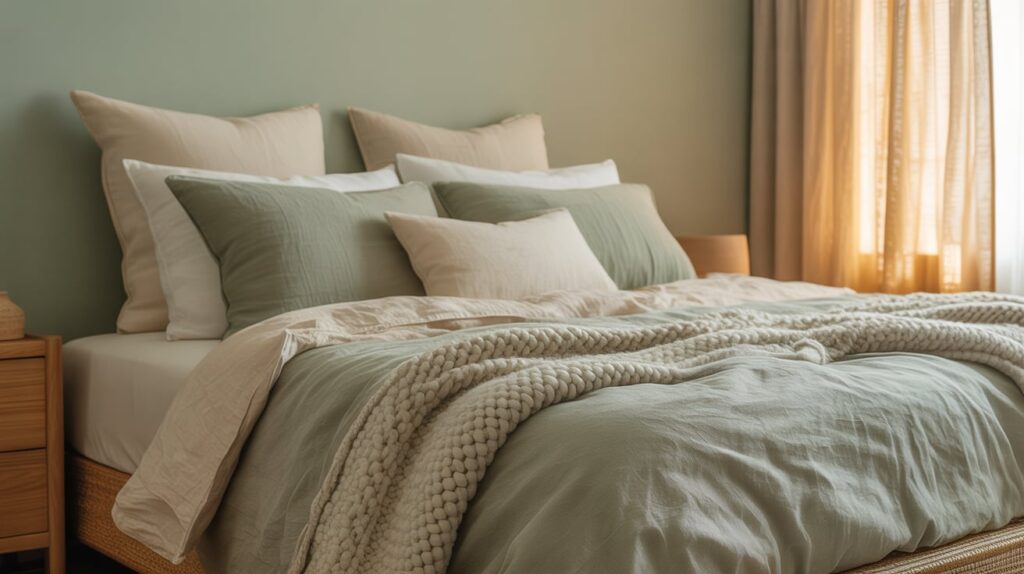
Calm bedroom color schemes support rest by reducing visual strain. Soft neutrals, muted earth tones, or gentle gray shades work well as a base. Avoid sharp contrasts that keep the eye active.
Walls, bedding, and curtains should sit close in tone so the space feels settled. Texture can add interest through fabric choice rather than color changes.
Lighting also plays a role, since softer tones respond better to warm light. This approach helps the bedroom feel consistent throughout the day and night, making it easier to relax and maintain a steady sleep routine.
14. One Statement Art Piece
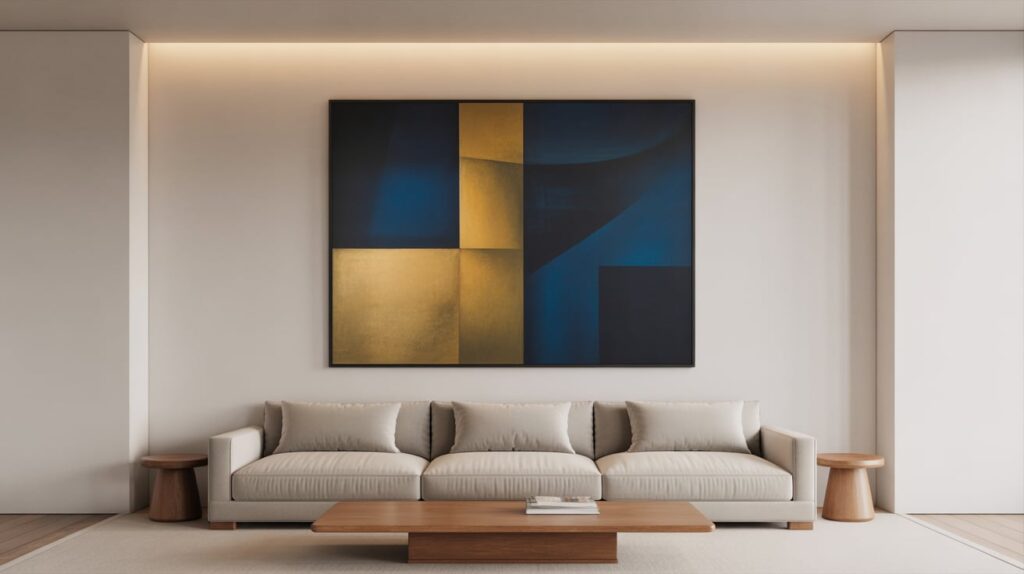
Using one statement art piece creates focus without filling walls with multiple items. Choose artwork that fits the scale of the wall, so it feels grounded, not lost or overwhelming.
Placement matters just as much as the piece itself. Hang it where the eye naturally rests, such as above a sofa or bed. Surrounding walls should stay simple so the artwork stands out on its own.
Frames should match the room’s finishes rather than compete with them. This method keeps the space clear while still allowing personal expression through a single strong feature.
15. Thoughtful Lighting Layers
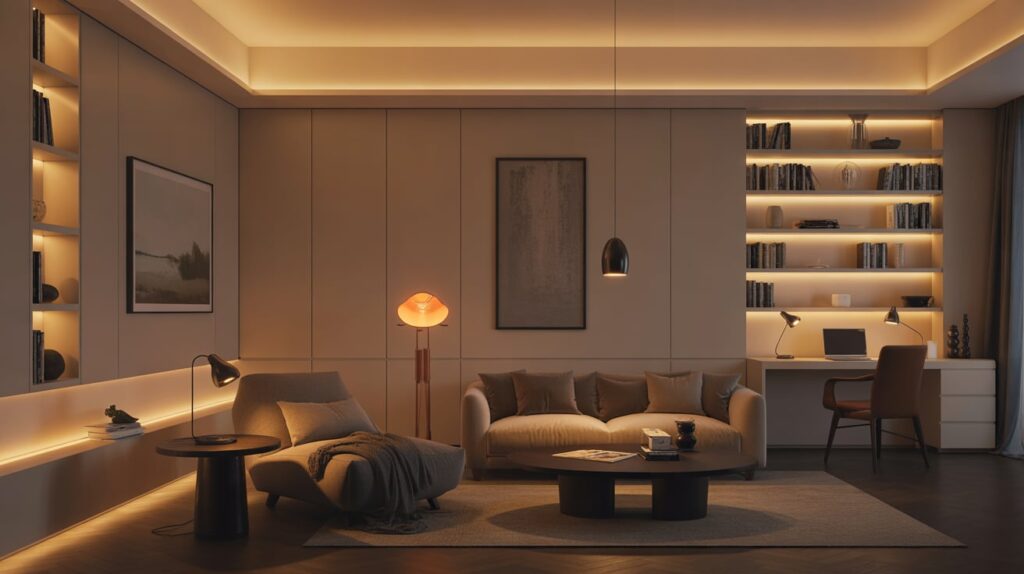
Thoughtful lighting layers help rooms work well at different times of day. Start with general ceiling lighting to support basic use.
Add task lighting near seating, work areas, or beds to improve comfort. Accent lighting can highlight walls, shelves, or key surfaces without drawing too much attention. Each light source should serve a clear purpose.
Controls matter too, since dimmers allow easy adjustment. When lighting is planned this way, rooms feel easier to use and more comfortable without relying on extra decor or strong color changes.
Design Rules People Ask About
These guidelines explain common design rules in simple terms, helping you make clear choices without feeling restricted by strict formulas.
The 3-5-7 Rule Explained
The 3-5-7 rule focuses on grouping items in odd numbers to create visual balance. Using three, five, or seven objects keeps arrangements from looking stiff or forced. This rule often applies to decor like cushions, vases, shelves, or wall pieces.
Odd numbers feel more natural to the eye and allow each item to stand out. Size variation matters too, since mixing heights or shapes prevents flat arrangements.
The rule works best as a guide, not a requirement. It helps spaces feel organized while still leaving room for personal adjustment.
The 80-20 Rule Explained
The 80-20 rule suggests keeping most of a room simple while reserving a smaller portion for standout features.
Around eighty percent of the space stays neutral and restrained, while twenty percent carries stronger materials, finishes, or details. This balance prevents rooms from feeling busy or overwhelming.
The smaller portion might include lighting, furniture, or surface finishes that draw attention. By limiting bold choices, the overall space feels calmer and easier to live with. This rule supports consistency and helps decisions feel more controlled over time.
Modern Luxury Interior Design by Room
This section shows how modern luxury ideas change by room, helping each space stay practical, comfortable, and visually consistent.
| Room | Key Focus | Materials Used | Layout Tips |
|---|---|---|---|
| Living Room | Comfort and openness | Wood, fabric, stone | Keep seating spaced and centered around one main feature |
| Bedroom | Rest and calm | Soft fabrics, wood | Use simple furniture and low contrast colors |
| Kitchen | Daily function | Stone, matte cabinets | Maintain clear work zones and open counters |
| Dining Area | Ease and flow | Wood, metal | Choose simple tables with comfortable spacing |
| Bathroom | Clean use | Stone, tile | Limit finishes and focus on easy movement |
| Entryway | First impression | Wood, metal | Keep storage hidden and paths clear |
Breaking the style down by room helps you plan better, avoid clutter, and make sure every space supports daily use comfortably.
Common Mistakes to Avoid
These common mistakes can make modern luxury spaces feel uncomfortable or unfinished, even when quality materials and good furniture are used.
- Using too many finishes in one room
- Choosing decor without purpose
- Ignoring comfort for appearance
- Overfilling spaces with furniture
- Following trends without considering daily use
Is Modern Luxury Right For Your Home
This style works best when it matches how you live, not just how a space looks. If you value calm rooms, open layouts, and fewer but better pieces, this approach may suit you well.
It supports daily routines by keeping rooms organized and easy to move through. Maintenance is another factor to consider.
Natural materials and simple finishes often need regular care, but they also age more gracefully when looked after. Budget comfort matters too. This style does not require filling every room at once.
You can focus spending on key areas like seating, lighting, or surfaces, then build slowly. When choices align with your habits, time, and spending limits, the result feels practical and comfortable rather than forced.
Conclusion
Modern luxury works when comfort, layout, and material choices support daily life instead of fighting it.
I covered how thoughtful spacing, controlled color use, and quality finishes help rooms feel calm and usable. You do not need to change everything at once.
Small updates like lighting, storage, or surface choices can make a clear difference. I suggest starting with one room and focusing on how you actually use it. When decisions match your habits and budget, the result feels steady and practical.
If you want to keep learning how modern luxury interior design fits real homes, check out other blogs here for clearer, helpful ideas.