When your loved one’s mobility starts to change, it can feel like the ground shifts beneath your feet. Suddenly, everyday tasks like getting out of bed, bathing, or moving through the house require new levels of planning and support. Today’s home care equipment has come a long way, and the right tools can make an enormous difference (not just for your loved one, but for you as the caregiver, too).
One of the most impactful pieces of equipment available right now is a rotating bed for elderly. These beds help your loved one move from lying flat to a seated position (and in some models, partially standing) with motorized support, reducing the physical effort required from both of you. For families managing Parkinson’s disease, stroke recovery, or general age-related weakness, this type of equipment can make daily routines (especially getting in and out of bed) much easier.
Why the Right Equipment Matters More Than You Think
Falls are one of the most serious concerns in home care. According to the Centers for Disease Control and Prevention, falls are the leading cause of injury-related deaths among adults aged 65 and older, with millions of older adults treated in emergency departments each year. This isn’t a reason to panic; it’s a reason to be intentional about the environment and tools you create at home.
Research published by the National Institutes of Health has found that assistive technology, including adjustable beds, grab bars, and mobility aids, can reduce caregiver strain and improve quality of life. These aren’t just nice-to-haves. For many families, they’re what make aging in place possible.
Adjustable and Rotating Beds: More Than a Comfort Upgrade
Many people assume that hospital-style beds are only for end-of-life care or post-surgery recovery. In reality, adjustable beds are used by people of all ages and ability levels, and they offer practical, daily benefits that standard mattresses simply can’t provide.
Rotating beds are designed to help your loved one move from lying down to sitting upright without straining their core or needing you to physically lift them. The motorized system does most of the work, reducing the effort required from both of you. This is especially valuable for anyone who experiences morning stiffness, someone recovering from joint replacement surgery, or your loved one whose condition makes independent transfers difficult.
Adjustable positioning also supports better sleep. Elevating the head can reduce acid reflux and snoring, while raising the feet can ease swelling in the lower legs, which many older adults experience due to circulation issues or medication side effects.
If getting in and out of bed has become one of the biggest daily challenges, starting with a rotating or adjustable bed is often one of the highest-impact changes you can make at home.
Mobility Aids That Support Independence
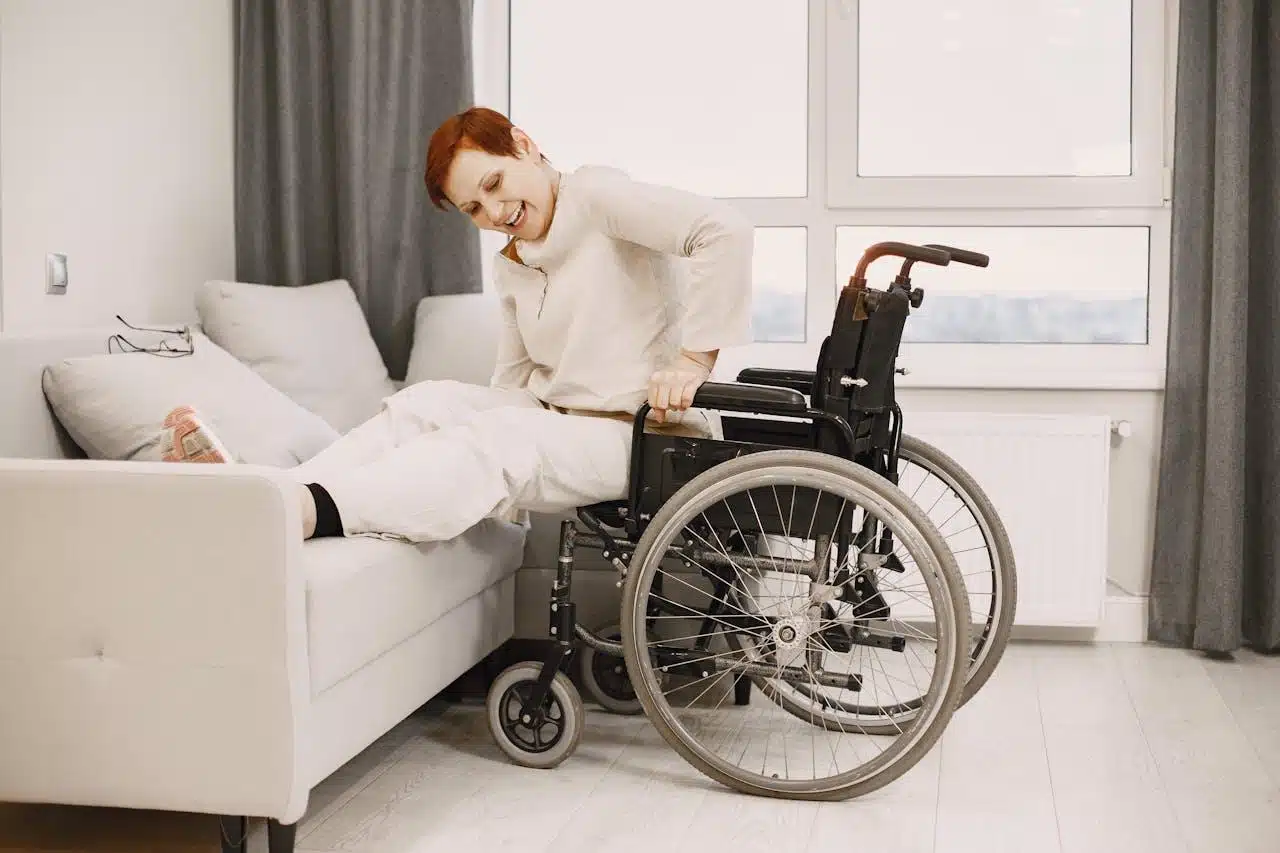
Wheelchairs, rollators, and transfer aids give your loved one the freedom to participate in daily life without relying entirely on your physical support. But choosing the right mobility aid requires more than picking the most popular model.
If your loved one is mostly mobile but needs support on uneven ground or over longer distances, a rollator walker with a seat offers both stability and a resting option. For more limited mobility, a transport wheelchair lets you safely move your loved one while keeping them comfortable and upright. Power wheelchairs add an extra layer of independence for those who can self-navigate.
When comparing options, think about the specific environments your loved one moves through most. A lightweight model might be perfect for navigating a small home, but may not hold up on outdoor terrain. Weight capacity, turning radius, and seat dimensions all matter and are worth reviewing carefully before purchasing.
Bathroom Safety: Where Most Home Falls Happen
The bathroom is one of the highest-risk areas in any home, particularly for older adults. Wet surfaces, tight spaces, and the need to transfer on and off low surfaces create real hazards. A few targeted modifications can dramatically reduce that risk.
Grab bars installed near the toilet and inside the shower or bath provide a stable handhold during transfers. Bath lifts lower your loved one gently into the tub and raise them back up, removing the need to step over a high edge or lower themselves unsupported. Shower commode chairs allow your loved one to bathe in a seated position, which is safer and less tiring than standing.
According to Age UK, simple home adaptations like these can help prevent falls and support independent living. They’re relatively affordable, easy to install, and can have a meaningful impact on safety.
Caregiver Wellbeing Is Part of Quality Care
It’s easy to focus entirely on your loved one and forget that your health matters too. Physical strain from repeated lifting, bending, and assisting with transfers leads to back injuries and burnout. When you’re exhausted or injured, the quality of care suffers.
Equipment like patient lifts, slide sheets, and rotating beds is specifically designed to reduce the physical load on you. These tools aren’t a sign of giving up. They’re how experienced home health professionals protect both themselves and the people in their care. AARP’s caregiver resource center offers guidance on recognizing caregiver strain and finding practical support, which is worth bookmarking if you’re in an ongoing care role.
Making Decisions With Confidence
If you’re feeling overwhelmed by the sheer number of options, you’re not alone. Most caregivers report that product research is one of the most stressful parts of the process, partly because the stakes feel so high. A few principles can help narrow things down.
Start with your loved one’s most pressing daily challenge. Is it getting in and out of bed? Bathing safely? Moving around the house? Identify one area to address first, rather than trying to solve everything at once. Then look for products with clear weight capacity information, solid warranties (at least 1 year on mechanical parts is a reasonable baseline), and return policies that offer some flexibility if the product isn’t the right fit.
It’s also worth involving your loved one’s doctor or a physical therapist in the decision, particularly for items like adjustable beds or transfer aids. They may have specific recommendations based on your loved one’s diagnosis or physical limitations.
The Right Tools Make Home Care More Sustainable
Modern home care equipment won’t eliminate every challenge of supporting an aging or disabled loved one. But it can significantly reduce the physical and emotional burden. Many of these solutions are already standard in professional care settings and are now increasingly accessible for home use. A safer bathroom, a bed that supports easier transfers, and the right mobility aid all add up to a home environment where your loved one can live with greater dignity and comfort, and where you can care for them without wearing yourself down.
Take it one step at a time. Research one product category, ask questions, and trust that small, thoughtful changes can have a real and lasting impact on daily life.