
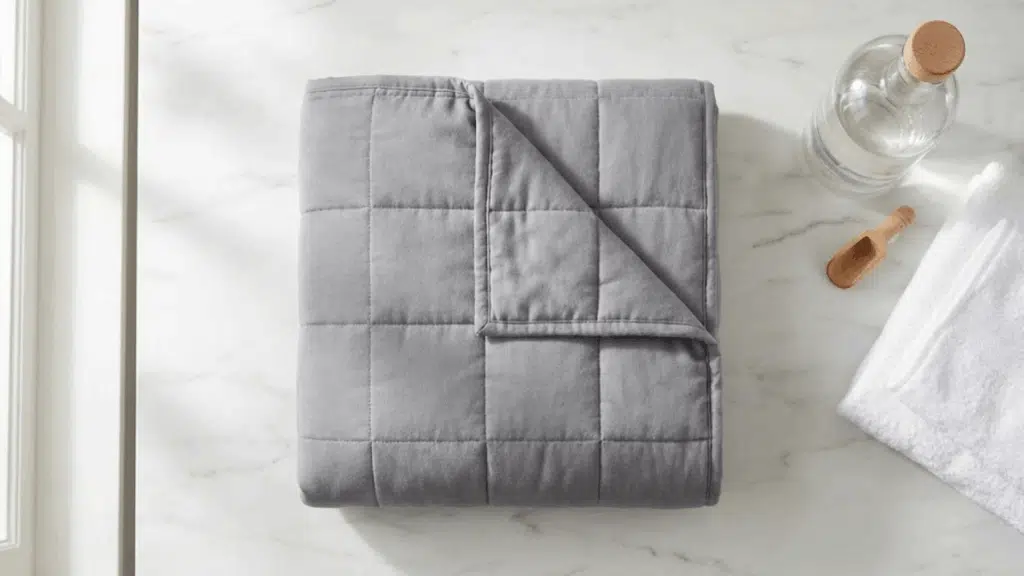
I’ve learned the hard way that tossing a weighted blanket into the wash like regular bedding is a recipe for disaster.
Between the sheer weight, delicate fabrics, and various fillings: glass beads, plastic pellets, or even steel balls, these cozy companions need special attention.
I’ve seen blankets come out with clumped filling, torn seams, and faded colors because someone skipped a few crucial steps.
That’s why I’m walking you through exactly how to clean your weighted blanket safely, no matter what material or filling you’re working with.
Trust me, a little extra care goes a long way in keeping your blanket functional and fresh.
First: Read the Care Tag
Before you do anything else, flip your weighted blanket inside out and hunt down that care tag. It’s not just a suggestion, it’s your roadmap.
The label will tell you whether your blanket can handle a washing machine or needs gentle hand-washing, what water temperature won’t wreck the fabric, and whether the dryer is friend or foe.
If the tag’s missing, don’t panic.
Feel the fabric to identify the material, then err on the side of caution: hand-wash with cold water and air-dry flat. When in doubt, gentler is always safer than sorry.
Step-by-Step: How to Wash a Weighted Blanket?
Now that the care tag has been checked and the blanket is prepped, it’s time to get into the actual washing process. Whenever I’m asked, “How do you clean a weighted blanket?” I tell them to follow the steps mentioned below. These simple, manageable steps ensure nothing important gets missed along the way.
Step 1: Spot-Treat Any Stains First
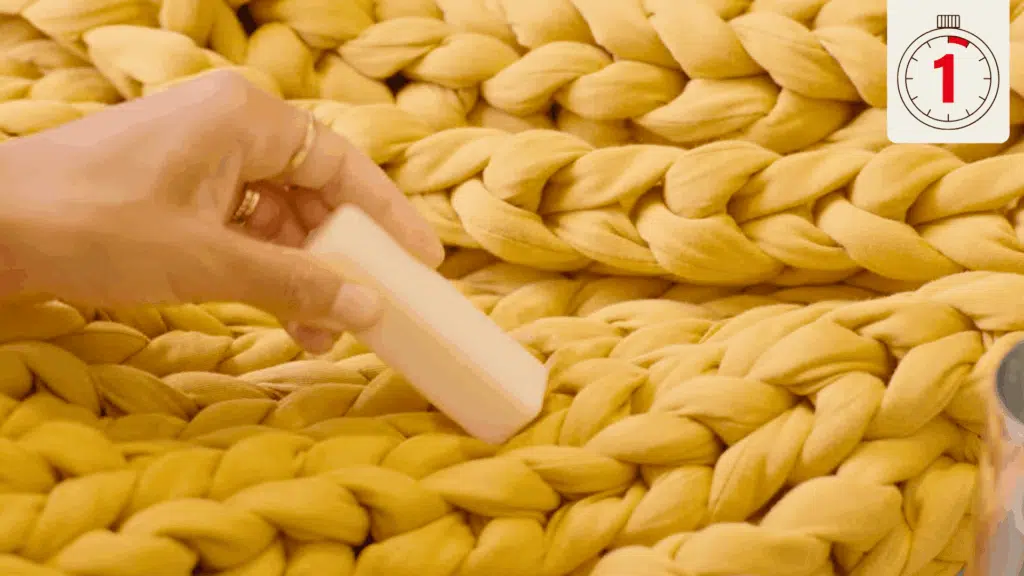
Before the washing machine even enters the picture, inspect the blanket for any visible stains and treat them immediately. A gentle stain remover or mild detergent applied directly to the spot works best.
This prevents the need for harsher chemicals later and keeps the blanket looking fresh. Let the treatment sit for a few minutes, then gently blot, don’t rub, to avoid spreading the stain or damaging the fabric.
Step 2: Choose the Right Washer Settings
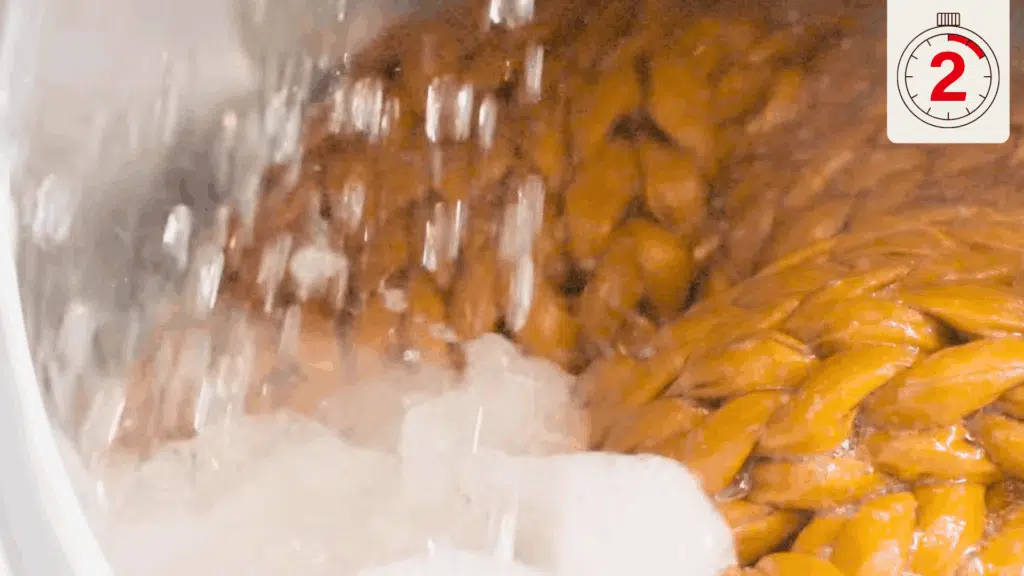
Set the machine to a delicate or permanent press cycle with a reduced spin speed to protect those looped fibers from stretching. Always use cold water; it’s gentler on the fabric and more energy-efficient.
If the blanket is on the heavier side, consider taking it to a laundromat with commercial-sized machines that can handle the weight without straining. Home washers might struggle with anything over twenty pounds.
Step 3: Use a Gentle, Mild Detergent
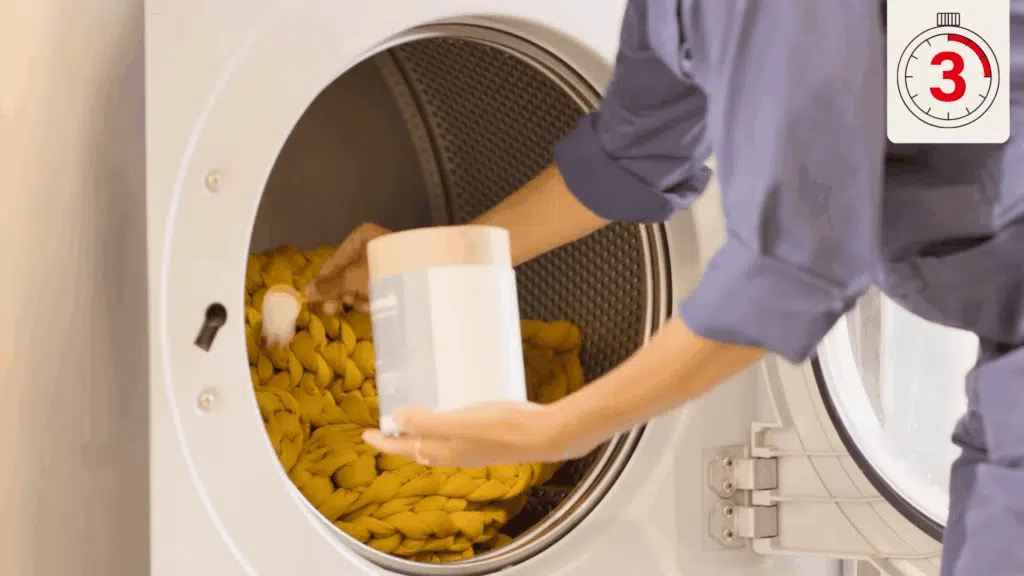
Skip the conventional detergents loaded with optical brighteners, bleach, or fabric softener; they’ll damage the blanket’s fibers over time. Reach for a biodegradable, gentle detergent that cleans effectively without harsh chemicals.
A little goes a long way, so don’t overdo it. The goal is to clean the blanket without compromising its structure or softness, and mild detergents do exactly that.
Step 4: Dry on Low Heat (or Run Twice, if Needed)

Toss the blanket in the dryer on a low-heat setting to protect the fabric while ensuring it dries completely. Weighted blankets hold moisture, so running the cycle twice might be necessary to avoid any dampness that could lead to mildew.
Check periodically and fluff the blanket between cycles. This low-and-slow approach keeps the blanket fluffy and cozy without shrinking or damaging the filling.
Step 5: Skip Hang-Drying (It’ll Stretch the Fabric)
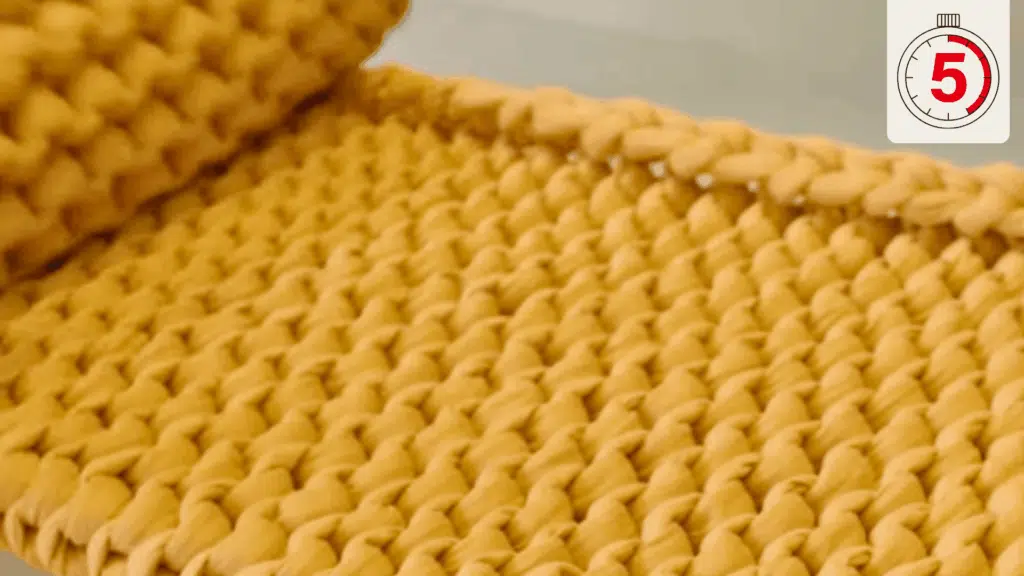
Air-drying might sound like the eco-friendly move, but hanging a weighted blanket will stretch out those lovely loops and distort the shape. The weight pulls down on wet fabric, causing permanent sagging.
Stick with the tumble dryer on low heat instead; it’ll give that soft, fluffy finish without compromising the blanket’s structure. The dryer is the better choice here.
For more information, watch the Bearabyvideo tutorial.
Washing Weighted Blankets Based on the Type of Material
Different materials demand different care approaches, and using the wrong method can ruin even the best-quality blanket.
Here’s how to wash weighted blankets based on their specific fabric type.
1. Cotton Weighted Blankets
Cotton is one of the most forgiving materials when it comes to washing weighted blankets. It’s durable, breathable, and can handle regular machine washing without losing its structure or softness.
- Machine-washable on a gentle or delicate cycle with cold water
- Use a mild, gentle detergent without added brighteners or fabric softener
- Tumble dry on low heat or air dry flat to prevent shrinkage
2. Minky / Plush Weighted Blankets
Minky and plush fabrics are incredibly soft but also heat-sensitive. Exposing them to high temperatures can ruin that luxurious, velvety texture that makes them so cozy in the first place.
- Wash on cold with a gentle cycle to preserve the soft fibers
- Skip the dryer heat entirely; air dry flat if possible
- If tumble drying is necessary, use the lowest heat setting and check the care tag first
3. Fleece Weighted Blankets
Fleece is prone to pilling and attracting lint, so it needs a little extra attention during the washing process. Keeping it separate from other laundry helps maintain its smooth finish.
- Wash separately to avoid lint transfer and pilling from other fabrics
- Use cold water on a gentle cycle with mild detergent
- Never use fabric softener; it breaks down fleece fibers and causes excessive pilling
4. Bamboo / Viscose Weighted Blankets
Bamboo and viscose are delicate, eco-friendly materials that require the gentlest care. They’re naturally moisture-wicking and soft, but they can lose their shape or texture if handled roughly.
- Hand washing is preferred to avoid damage from machine agitation
- If using a machine, choose the delicate cycle with cold water only
- Always air dry flat; never use a dryer, as heat can shrink or warp the fibers
5. Linen Weighted Blankets
Linen is naturally strong and breathable, but it’s also prone to wrinkling and can shrink if exposed to heat. Treating it gently keeps it looking crisp and feeling comfortable.
- Wash on a gentle cycle with cold water and mild detergent
- Skip the dryer entirely; heat will cause shrinkage and damage the fibers
- Air dry flat or hang in a well-ventilated area to maintain the fabric’s integrity
6. Flannel Weighted Blankets
Flannel is soft and cozy, but it can pill and fade if washed improperly. Turning it inside out before washing protects the surface and keeps it looking newer for longer.
- Wash inside out to reduce pilling and protect the soft surface
- Use cold water on a delicate cycle with a gentle detergent
- Tumble dry on low heat or air dry to prevent shrinkage and maintain softness
How to Clean a Weighted Blanket That Cannot Be Machine Washed?

Not all weighted blankets can handle the spin cycle, especially those with organic fillings or delicate fabrics.
Fortunately, hand-washing and spot-cleaning are effective alternatives that keep blankets fresh without risking damage.
Hand-Washing Method
Hand-washing is the safest way to clean a weighted blanket that’s too delicate or heavy for a machine. It requires a bit more effort, but it prevents seam tears, filling shifts, and fabric damage.
- Step 1: Fill a bathtub or large basin with cold or lukewarm water and add a small amount of mild detergent.
- Step 2: Submerge the blanket and gently agitate it by hand, lifting carefully to avoid stretching seams or tearing fabric.
- Step 3: Rinse thoroughly until all detergent is removed, then press water out by folding and applying gentle pressure; never wring or twist.
Spot-Cleaning Method
Spot-cleaning targets small stains without the hassle of washing the entire blanket. This method works best for fresh spills, sweat marks, or minor pet accidents that haven’t spread.
- Step 1: Apply a small amount of dish soap or enzyme-based cleaner directly to the stain and gently blot with a damp cloth.
- Step 2: For oil-based stains, use a degreasing dish soap; for sweat or pet stains, enzyme cleaners break down proteins more effectively.
- Step 3: Rinse the area with a clean, damp cloth and air dry completely before using the blanket again.
Using a Duvet Cover to Reduce Washing Frequency
A removable duvet cover acts as a protective barrier between the blanket and dirt, sweat, or spills. This simple addition drastically reduces how often the weighted blanket itself needs washing.
- Step 1: Choose a duvet cover that matches the blanket’s size and has secure closures to prevent shifting.
- Step 2: Wash the duvet cover regularly, every one to two weeks, while the blanket stays protected inside.
- Step 3: This extends the blanket’s lifespan and makes cleaning much easier, especially for organic-filled blankets.
Special Situations: Cleaning Without Water
Sometimes a full wash isn’t necessary or even possible, especially for blankets with water-sensitive fillings or delicate fabrics.
These waterless cleaning methods can refresh and maintain blankets between regular washes.
Can You Dry Clean a Weighted Blanket?
Dry cleaning seems like a convenient solution for blankets that can’t handle water, but it’s not always safe. The chemicals and processes used in dry cleaning can damage certain fillings and fabrics.
- Step 1: Check the care tag to see if dry cleaning is explicitly recommended or prohibited for the specific material and filling.
- Step 2: Avoid dry cleaning blankets with plastic poly pellets, as the chemicals and heat can melt or warp the filling.
- Step 3: Ask the dry cleaner if they have experience with weighted blankets and confirm they can handle the weight and construction safely.
Using a Fabric Refresher Between Washes
Fabric refreshers are a quick way to eliminate odors and keep blankets smelling fresh without a full wash. However, improper use can leave residue or damage certain materials.
- Step 1: Lightly mist the fabric refresher over the blanket from a distance, avoiding oversaturation that could seep into the filling.
- Step 2: Test the product on a small, inconspicuous area first to ensure it doesn’t stain or damage the fabric.
- Step 3: Allow the blanket to air dry completely in a well-ventilated area before using it again to avoid trapping moisture inside.
How Often Should You Wash a Weighted Blanket?
Washing frequency depends on how the blanket is used and whether it has a protective cover. Regular maintenance keeps it fresh without over-washing, which can wear down the fabric and filling over time.
| Usage Scenario | Washing Frequency | Notes |
|---|---|---|
| Regular use without a cover | Every 1–2 months | Direct contact with skin means more sweat, oils, and dirt accumulation |
| With a duvet cover | Every 3–4 months | The cover acts as a barrier, reducing how often the blanket itself needs washing |
| Spot-cleaning spills | Immediately, as needed | Treats stains before they set, preventing the need for harsher cleaning methods later |
| Airing out the blanket | Weekly | Hang or lay flat in a well-ventilated area to reduce odors and refresh the fabric |
Quick Tip: If allergies are a concern, wash the blanket more frequently, every two to three weeks, and always use a hypoallergenic detergent to minimize irritation.
How to Dry a Weighted Blanket Safely?

Drying a weighted blanket properly is just as important as washing it correctly. The wrong drying method can cause shrinkage, clumping, stretched seams, or even mold growth from trapped moisture.
Tumble Drying
Tumble drying works well for certain materials and fillings, but only when done on low heat with proper precautions. High heat can damage fibers, melt pellets, or cause uneven drying.
- Step 1: Check the care tag to confirm tumble drying is allowed for both the fabric and filling type.
- Step 2: Set the dryer to low heat or air-fluff and add wool dryer balls to prevent the filling from clumping in one area.
- Step 3: Run the cycle twice if needed to ensure the blanket is completely dry; any remaining moisture can lead to mildew or odors.
Air Drying
Air drying is the safest option for heavy blankets, delicate fabrics, or fillings that can’t tolerate heat. It takes longer but prevents damage and extends the blanket’s lifespan.
- Step 1: Lay the blanket flat on a clean surface like a drying rack, large table, or clean floor to avoid stretching the seams.
- Step 2: Rotate and flip the blanket every few hours to ensure even drying and prevent moisture from pooling in one spot.
- Step 3: Expect drying to take twenty-four to forty-eight hours, depending on the weight, filling type, and humidity levels.
Weighted Blanket Care Tips to Extend Lifespan
Proper care goes beyond just washing; these simple maintenance habits can add years to a weighted blanket’s life. Following these tips prevents unnecessary wear, keeps the filling intact, and maintains that cozy feel.
- Always use a removable duvet cover to protect the blanket from dirt, oils, and spills, reducing how often it needs to be washed.
- Avoid bleach, fabric softeners, and harsh detergents, as they can break down fibers and damage both the fabric and the filling.
- Never iron a weighted blanket; the heat can melt fillings like plastic pellets or damage delicate fabrics beyond repair.
- Store the blanket in a breathable cotton bag or loosely folded in a closet to prevent moisture buildup and fabric damage.
- Rotate the blanket regularly during use to distribute wear evenly and prevent one area from becoming flat or damaged.
Taking these small steps makes a noticeable difference in how long the blanket stays fresh, functional, and comfortable. A little preventive care now saves money and hassle down the road.
That’s a Wrap
Washing a weighted blanket doesn’t have to feel overwhelming once you know the right approach for your specific material and filling.
Delicate bamboo fabric needs different care than heavy steel shot beads, and understanding those differences makes all the difference.
I’ve covered everything you need, including machine-washing techniques, hand-washing steps, and how to dry without causing damage.
The real secret is matching your cleaning method to what your blanket actually needs. Now that you know how to clean a weighted blanket properly, you can keep that cozy comfort going strong for years.
Have questions or tips of your own? Drop a comment below and let’s keep the conversation going!