


Here’s something that might surprise you: we spend about a third of our lives asleep.
That’s right—your bedroom isn’t just a place to rest your head. It’s where you’ll spend roughly 33% of your entire life. So the colours you choose for this space? They can make a real difference to your mood and mental health. Research shows that your environment directly affects everything from cortisol levels to emotional regulation, focus, and sleep quality.
Why do bedroom colours matter so much?
Light colour schemes are particularly brilliant for their calming and uplifting effects, making them perfect choices when you want to create a sleep sanctuary. Struggling with anxiety or poor sleep? Light blues and greens are especially effective at promoting relaxation and reducing stress. Don’t overlook muted tones like tan and beige either – they work beautifully with natural elements to make your bedroom feel brighter, airier, and more peaceful.
The psychology of colours isn’t just design talk—it’s a powerful tool for wellbeing. According to the Mental Health Foundation, sleep is as vital to our bodies as eating, drinking, and breathing, and is essential for maintaining good mental and physical health. So choosing the right calming bedroom colours isn’t merely about aesthetics. It’s about wellness.
Ready to create your own haven of tranquillity? This guide will walk you through the best colour choices for better sleep, explain the science behind colour psychology, and show you how to create a space that nurtures both your body and mind.
What You Need to Know
Your bedroom colours directly impact your nervous system and sleep quality. Here’s what makes the biggest difference:
Choose colours that work with your body: Blue actually reduces heart rate and blood pressure, whilst soft neutrals like beige create security without overstimulation. It’s science, not just style.
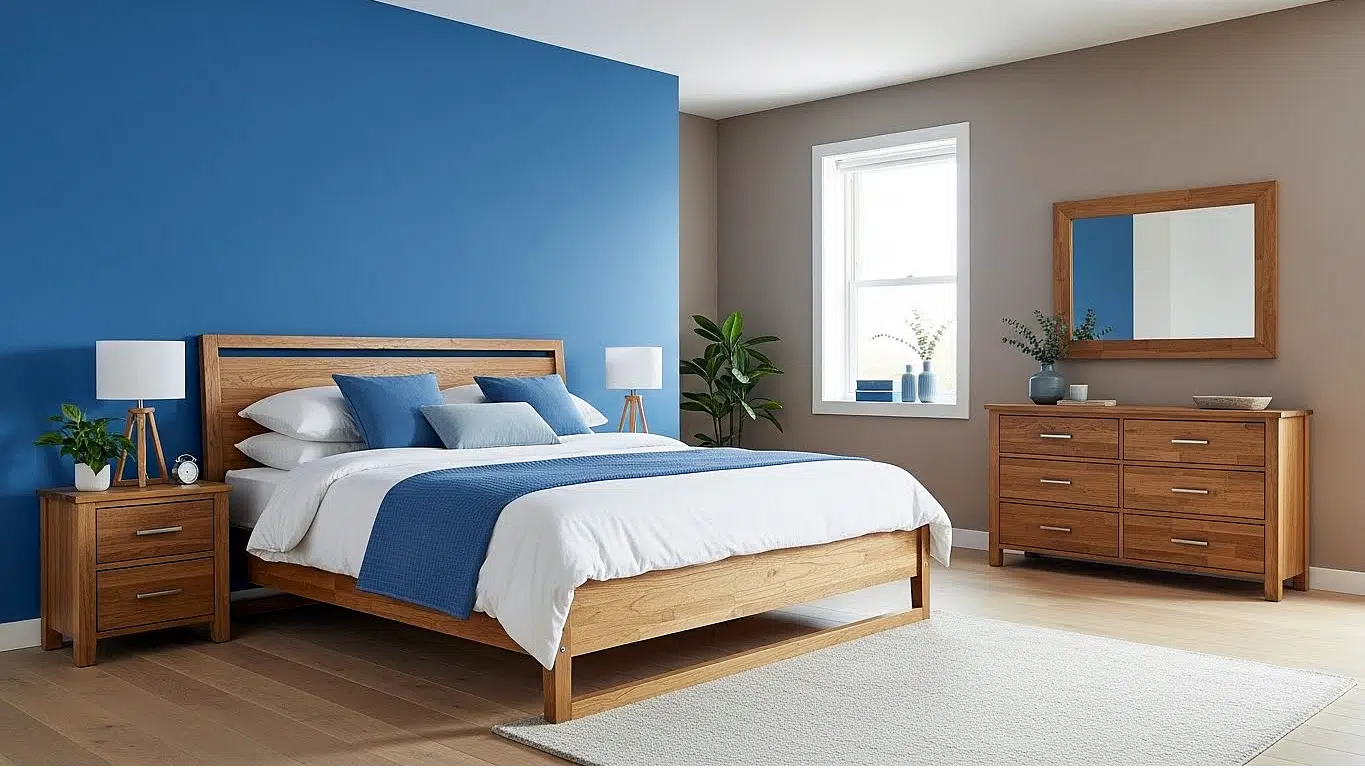
Get your lighting right: Natural light during the day helps reset your body clock, so use sheer curtains to let it filter through. Then dim to warmer sources in the evening to support your circadian rhythm.
Pair colour with texture: Natural materials like cotton and linen don’t just feel lovely—they enhance the calming effects of your chosen colour palette.
Make it personal, but keep it peaceful: Add nature-inspired elements, calming scents like lavender, and minimal clutter whilst staying true to what you love.
Avoid the sleep saboteurs: Bright colours, busy patterns, and harsh lighting can keep your nervous system alert when it should be winding down.
Takeaway Tip: Your bedroom colour choices represent a conscious investment in your health. Since you’ll spend roughly one-third of your life in this space, creating the right environment directly impacts your sleep quality, stress levels, and overall wellbeing.
What’s really happening when colours affect your sleep?
The colours surrounding you as you drift off to sleep aren’t just pretty decorations—they’re powerful influences on your physical and mental state. Colour psychology reveals that your bedroom palette directly impacts your sleep quality by affecting both your nervous system and biological rhythms.
Your nervous system responds to every colour choice
Colour triggers profound neurological and emotional responses in your body. When you enter your bedroom, the colours on your walls immediately communicate with your brain, subtly signalling whether it’s time to rest, reflect, or engage. This communication happens whether you’re consciously aware of it or not.
High-contrast or bright hues like red, neon yellow, and stark black-and-white patterns can cause sensory overload, signalling your brain to remain alert rather than unwind. These stimulating colours may raise your blood pressure and keep your nervous system in a heightened state when it should be winding down.
Calming bedroom colours work differently—they settle your brain for bedtime, essentially putting it into “sleep mode”. Research indicates that colours can either help your body settle or keep it slightly on guard. Blue, for instance, is recognised for its calming properties. It helps lower heart rate and soothes the nervous system, with studies showing that people in blue rooms fall asleep faster and experience deeper sleep.
How colour connects to your body’s internal clock
Your circadian rhythm—your body’s internal clock—is maintained primarily by external cues, with ambient light being the most crucial factor. Within your retina are special cells called intrinsic photosensitive retinal ganglion cells (ipRGCs) that contain melanopsin, a light-sensitive photopigment. When exposed to intense blue light, these cells transmit signals to your brain’s master clock in the suprachiasmatic nucleus.
This biological mechanism explains why blue-enriched light exposure in the evening suppresses melatonin production and reduces sleepiness. The brain is more receptive to blue than any other colour thanks to these special ganglion cells. When you see blue during daytime, your hypothalamus balances melatonin and cortisol production appropriately, whilst red stimulates the brain to produce more cortisol, potentially resulting in poorer sleep.
What’s particularly interesting is how this relationship between light, colour, and sleep changes as we age. With increasing age, blue light is transmitted to a lower degree through the eye’s lens, possibly contributing to more frequent sleeping disorders among elderly populations.
What are the best calming bedroom colours for sleep?
Selecting the right colours for your bedroom goes beyond mere aesthetics—it’s a choice that shapes your sleep experience. Different hues affect our minds and bodies in unique ways, with certain shades naturally promoting relaxation and rest.
Embrace soft neutrals like beige and ivory
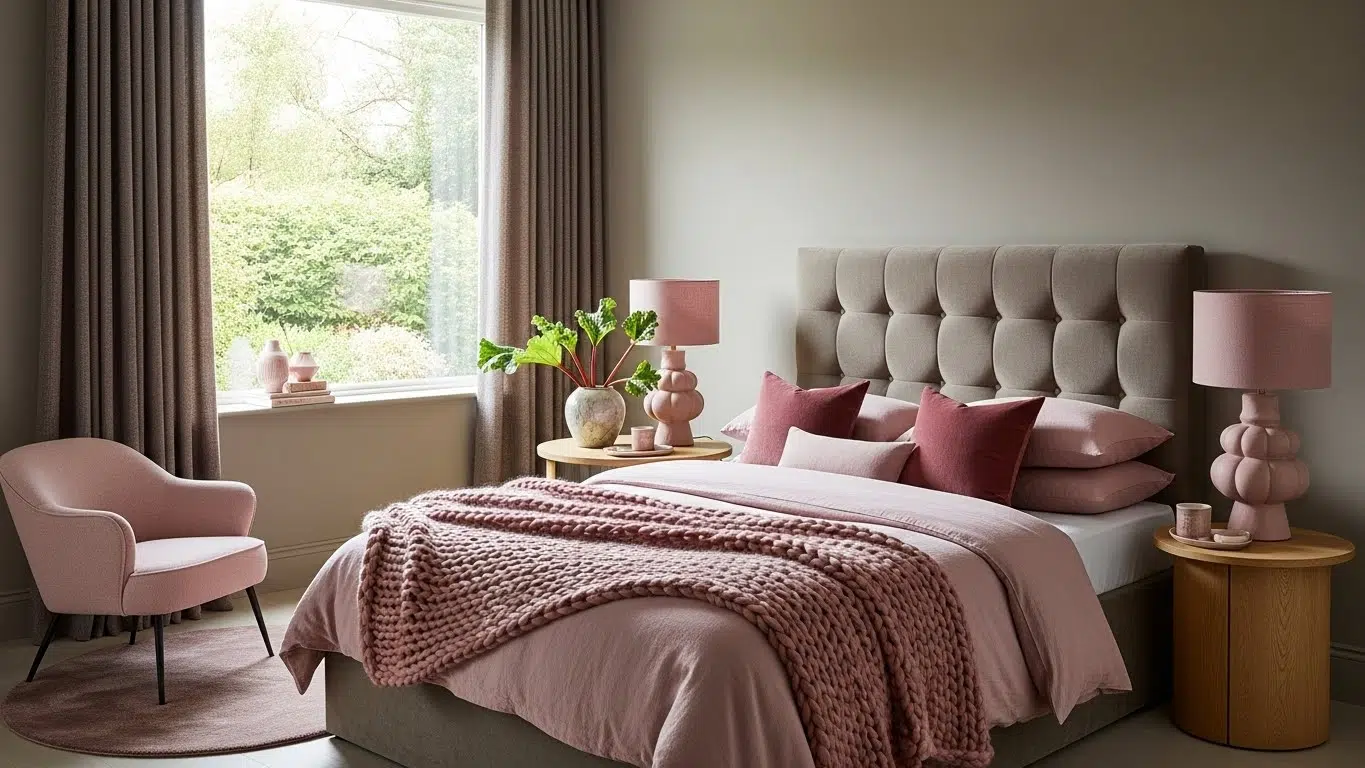
Warm neutrals create the most cosy, inviting bedroom environment that feels safe and secure. These gentle earth tones act as a calming backdrop that doesn’t demand attention, allowing your mind to settle peacefully. Beige and taupe are particularly effective choices as they promote relaxation through their steady, unobtrusive presence. Reflective and light-enhancing, neutral shades make rooms feel bright and airy whilst still maintaining a cocooning effect. Consider colours like Crushed Nutmeg or Toasted Beige for their nurturing qualities, which envelop you in warmth as you prepare for sleep.
Discover the power of pastel tones
Softer pastel tones offer exceptional calming properties that are often overlooked. Lavender holds surprising power in promoting restfulness—its gentle purple hues help ease anxiety and create a serene atmosphere. Similarly, delicate blush pink evokes feelings of comfort and warmth, making it easier to unwind at bedtime. As Marianne Shillingford, Creative Director at Dulux, notes, “A delicate blush pink is easy to be around and can make you feel calm as soon as you retreat to your bedroom”. These peaceful, inviting tones serve as the perfect antidote to hectic days.
Light blues and greens for instant anxiety relief
Blue consistently ranks as the most calming colour, followed closely by green. Studies show that blue can actually reduce heart rate and blood pressure, making it exceptionally effective for sleep spaces. Colours like Sea Crest or soft sage draw from nature’s palette, which has proven calming effects on the nervous system. As Isy Jackson of Chelt Interiors explains, “A muted sage green is one of the most reliable sleep-enhancing colours as it draws from nature, which has a proven calming effect on the nervous system”. These colours work wonderfully in bedrooms with natural light, creating tranquil havens reminiscent of clear skies or serene forests.
White and off-white for a clean, breathable look
Whilst stark white might seem clinical, warm off-whites create breathable, calming environments. These shades stimulate the brain less than colourful alternatives, potentially helping clear your mind before sleep. People frequently associate white with positive concepts like ‘peace’, ‘secure’, and ‘relaxed’. Instead of choosing brilliant white, opt for creamy off-whites with subtle undertones that add dimension whilst maintaining simplicity.
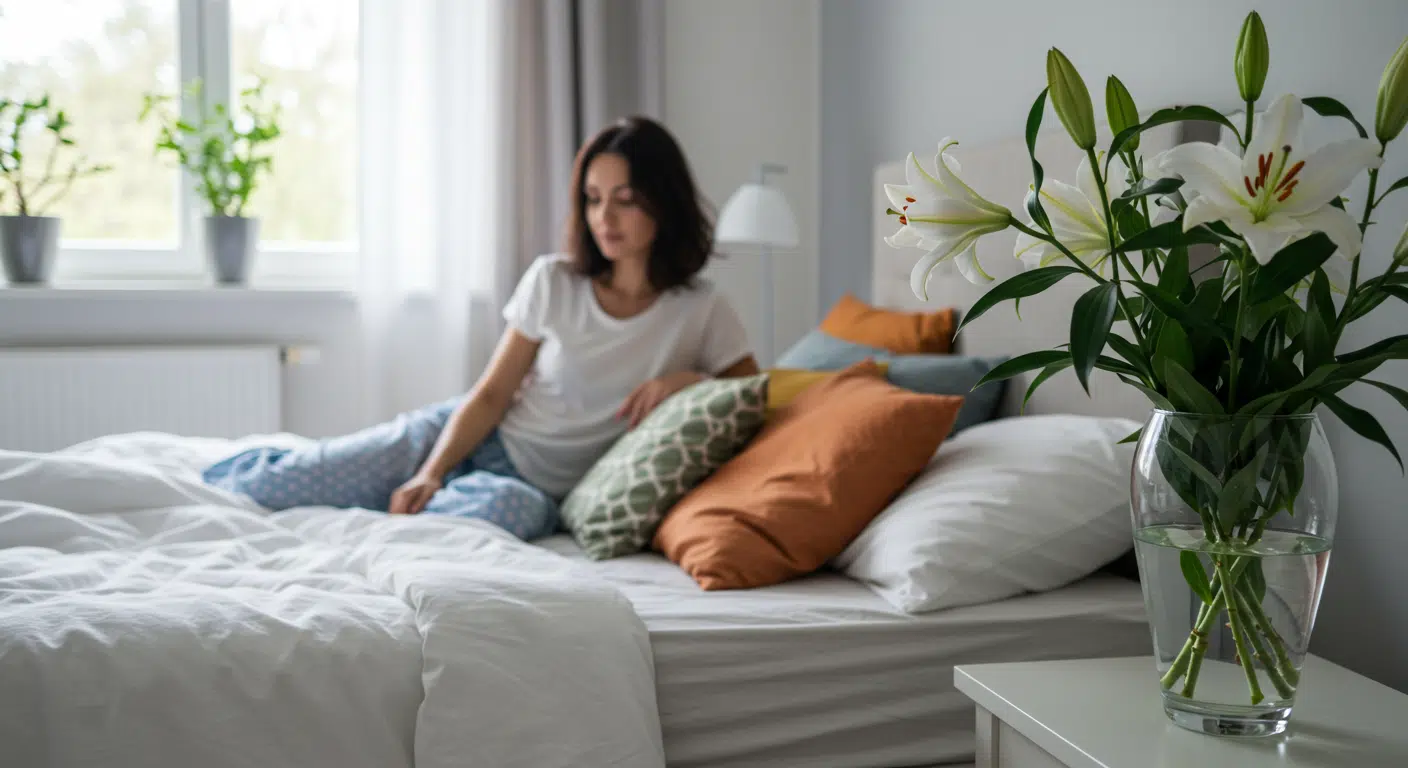
Worth noting: in north-facing rooms, warm-toned whites will enrich your space, whereas south-facing rooms benefit from whites with yellow undertones that bring energy to your mornings.
Create a sleep sanctuary with light and texture
Colour is just the beginning. Light and texture work hand in hand to regulate your body’s natural sleep-wake cycle and provide the sensory comfort essential for quality rest.
Maximise natural light with sheer curtains
Your body’s circadian rhythms respond strongly to natural light patterns, with daylight triggering alertness hormones like cortisol, whilst darkness signals melatonin production for sleep. Sheer curtains offer the perfect balance—allowing morning light to filter through gradually whilst maintaining your privacy. These lightweight fabrics diffuse harsh sunlight into gentle illumination that helps reset your body clock.
Takeaway Tip: pair sheers with blackout blinds that can be opened in the morning to welcome natural brightness.
Layer your lighting for evening calm
Layered lighting gives you flexibility as evening approaches. This technique involves three essential elements—ambient lighting (your main ceiling light), task lighting (focused reading lamps), and accent lighting (decorative touches). The secret? Gradually reduce overhead lighting as bedtime nears and rely on warmer, softer sources instead.
Studies show that exposure to light measuring just 10 lux or higher in the evening can disrupt slow-wave sleep and cause more night-time awakenings. Installing dimmer switches allows you to adjust brightness downward, helping your brain transition naturally into sleep mode.
Choose natural textures that soothe
Natural materials make a real difference to sleep quality through their tactile comfort. Soft textures like cotton and linen bedding create a gentle, breathable environment that regulates temperature and feels soothing against your skin. Don’t forget to introduce varied textures—perhaps a jute rug underfoot or a wool throw across your bed. These add sensory richness that mirrors the grounding qualities found in nature. Plus, these materials help absorb sound, reducing ambient noise that might otherwise disturb your sleep.
Avoid patterns that overstimulate
Sensory overload can seriously hinder sleep, so it’s vital to eliminate potentially jarring elements. Bright patterns, high-contrast designs, and synthetic materials may visually overstimulate your brain, keeping it alert when it should be winding down. Unlike calming bedroom colours, busy patterns present as visual clutter to anyone easily affected by their environment.
Instead, opt for minimal patterns in muted tones, coupled with soft-to-touch surfaces that signal relaxation to your nervous system. This approach is particularly beneficial if you’re sensitive to sensory input or struggling with anxiety-related sleep issues.
How can you add personal touches that support calm?
Your bedroom should be a reflection of your individual taste whilst still maintaining that peaceful atmosphere. Personal touches can make your sleep space truly restorative and uniquely yours.
Bring nature into your bedroom
Adding elements of the natural world creates a serene, cocoon-like environment that works beautifully with your chosen colour palette. Plants do more than look attractive—they actively purify the air, potentially improving your sleep quality. Consider low-maintenance options like snake plants or peace lilies, which remove toxins like formaldehyde and benzene.
Simple florals or pampas grass can add softness without overwhelming the space. Not confident with your plant-parenting abilities? Realistic artificial plants offer similar visual benefits without the maintenance concerns.
Create a sleep ritual with scent
Aromatherapy significantly improves sleep quality whilst reducing stress, pain, anxiety and depression. Your brain can be conditioned to associate certain scents with bedtime, creating powerful sleep triggers.
Lavender remains the most researched option, but don’t overlook alternatives like Roman chamomile, sandalwood, and cedarwood—they create equally relaxing atmospheres. Introduce these through essential oil diffusers, linen sprays, or candles. Just ensure you select natural fragrances rather than synthetic ones.
Keep clutter to a minimum
Research shows a tidy room can improve sleep even for insomniacs. Cluttered surfaces create visual noise that overstimulates your mind when it should be winding down.
Smart storage solutions make all the difference: ottoman beds for bulky items, bedside tables with drawers rather than open shelves, and stylish storage boxes that double as seating. Remember that bedrooms should primarily focus on sleep and clothing storage—remove anything that doesn’t belong.

Choose colours that speak to you personally
Whilst colour psychology principles are important, infuse elements that resonate with you personally. Some people find deep colours like forest green or navy profoundly soothing—creating the feeling of sleeping under a tree canopy or night sky. These more intense shades can create quiet atmospheres when properly balanced.
The ultimate test? How the colours make YOU feel. Even unconventional choices can promote relaxation if they bring you joy and comfort.
Conclusion
Transforming your bedroom with calming colours ultimately transforms your sleep quality and overall wellbeing. Throughout this guide, we’ve seen how certain shades directly influence your nervous system, helping to reduce stress and prepare your body for rest. Soft neutrals create warmth and security, while blues and greens actively lower heart rate and blood pressure. Additionally, pastel tones offer gentle comfort after hectic days.
Remember, your bedroom colour choices extend far beyond aesthetics—they represent a conscious investment in your health. Your sleep environment affects approximately one-third of your life, therefore deserving thoughtful consideration. The right colour palette, combined with natural textures, appropriate lighting, and personal touches, creates a sanctuary that supports your body’s natural rhythms.
Undoubtedly, the most effective bedroom will balance colour psychology principles with your personal preferences. After all, a space that feels authentically yours while remaining calm creates the ideal conditions for restorative sleep. Whether you choose serene blues, soothing neutrals, or gentle pastels, prioritise shades that help you disconnect from daily stress.
Take time to observe how different colours affect your mood and sleep quality. Subsequently, you can adjust your environment accordingly. The science is clear—your bedroom colours significantly impact your sleep experience. By applying the principles discussed in this guide, you can create a sleep sanctuary that nurtures both body and mind night after night.
FAQs
Q1. Which bedroom colours are most conducive to sleep? Soft, muted colours such as light blues, gentle greens, and warm neutrals are particularly effective for promoting sleep. These calming hues can help lower heart rate and blood pressure, creating a relaxing environment conducive to rest.
Q2. How does colour affect sleep quality? Colour influences sleep quality by impacting your nervous system and circadian rhythm. Certain colours can help settle your brain for bedtime, while others may keep you alert. For instance, blue has been shown to lower heart rate and promote deeper sleep.
Q3. Can bedroom colours help with anxiety? Yes, certain bedroom colours can help alleviate anxiety. Light blues and greens are known for their anxiety-relieving properties. Soft neutrals like beige and ivory can also create a sense of calm and security, helping to ease anxious thoughts before sleep.
Q4. What role do textures play in creating a relaxing bedroom environment? Textures are crucial in creating a soothing sleep environment. Natural materials like cotton and linen bedding offer tactile comfort and help regulate temperature. Varied textures, such as a jute rug or wool throw, can add sensory richness that mimics calming elements found in nature.
Q5. How can I personalise my bedroom while maintaining a calm atmosphere? You can personalise your bedroom whilst keeping it calm by incorporating nature-inspired art or plants, using calming scents like lavender, implementing smart storage solutions to reduce clutter, and choosing colours that resonate with you personally while still promoting relaxation.