

I used to think getting seven or eight hours of sleep meant I was doing everything right. But some mornings, I still woke up tired, foggy, and off balance.
That’s when I started paying attention to “how much REM sleep should I get”, not just total hours. Many people assume sleep is all the same, but certain stages matter more for focus, mood, and memory.
When REM sleep is low, your brain doesn’t reset the way it should. Understanding this helps you stop guessing and start making sleep actually work for you.
Up next, you’ll learn what REM sleep does, why it matters, and how much of it your body truly needs each night.
How Much REM Sleep Should You Get?
For most healthy adults, REM sleep accounts for about 20–25% of total sleep time. That equals about 1.5 to 2 hours of REM sleep per night if you sleep between 7 and 9 hours.
This is the minimum range your brain needs to properly process memories, regulate emotions, and support learning.
Children and teenagers often need more REM sleep (closer to 25–30%) because their brains are still developing. Older adults naturally get less REM sleep, but consistent drops can affect memory and emotional balance.
Knowing this early helps you judge whether your sleep is truly restorative or just long enough on paper.
What is REM Sleep?
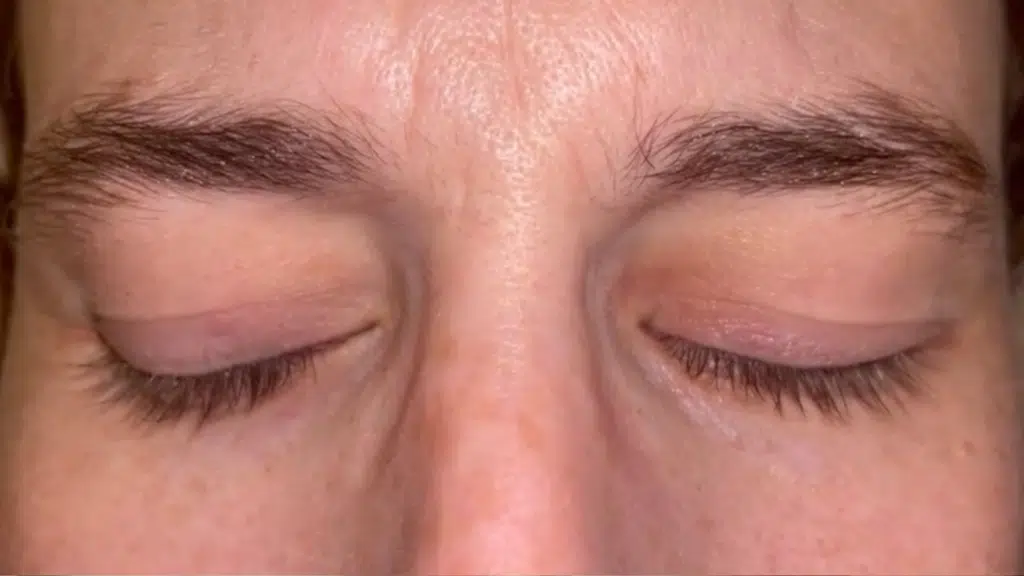
REM sleep stands for Rapid Eye Movement sleep. It is one of the most important stages of your nightly rest. During REM sleep:
- Your eyes move rapidly behind closed lids
- Brain activity increases
- Most vivid dreaming happens
- Your body stays relaxed to prevent acting out dreams
Sleep occurs in repeating cycles of light, deep, and REM sleep.
REM sleep usually begins about 90 minutes after you fall asleep and repeats several times through the night. Each REM period gets longer toward morning, which is why cutting sleep short often reduces REM the most.
How REM Sleep Works in a Full Sleep Cycle
Sleep occurs in repeating stages that work together to restore your body, support brain function, and maintain emotional balance overnight.
| Sleep Stage | What Happens in This Stage | Main Benefit for Your Body | When It Mostly Occurs |
|---|---|---|---|
| Light Sleep | Your breathing slows, muscles relax, and your body transitions from wakefulness into deeper stages of sleep. | Prepares the body and brain for deeper rest without sudden awakenings during the night. | Occurs at the start of sleep and between each sleep cycle. |
| Deep Sleep | Brain waves slow significantly while muscles fully relax, and physical repair begins at a cellular level. | Supports muscle repair, immune strength, tissue growth, and physical recovery. | Mostly happens during the first third of the night. |
| REM Sleep | Brain activity rises, vivid dreams occur, and the body remains still while mental processing takes place. | Helps memory storage, emotional balance, learning ability, and next-day mental clarity. | Becomes longer and more frequent in the last third of the night. |
Each night, your body moves through 4 to 6 sleep cycles. Early cycles contain more deep sleep, while later cycles contain longer REM periods. This is why cutting sleep short often reduces REM sleep the most.
How Much Deep Sleep Should You Get?
While REM sleep supports the brain, deep sleep restores the body. Most adults need about 1.5 to 2 hours of deep sleep per night. This stage helps with:
- Muscle repair
- Tissue growth
- Immune system support
- Physical recovery
Deep sleep happens mostly during the first third of the night, while REM sleep dominates the last third. Both stages work together, which is why uninterrupted, full-night sleep matters.
Why REM Sleep is Important?

REM sleep plays a major role in keeping your brain healthy and responsive.
During this stage, the brain becomes highly active while the body stays still. This allows your brain to process the day without physical interruption. REM sleep helps with:
- Memory storage and recall
- Learning new information and skills
- Emotional regulation
- Creative thinking and problem-solving
Good REM sleep also helps regulate mood. When REM sleep is consistent, emotional reactions tend to feel more balanced the next day.
What Happens if You Don’t Get Enough REM Sleep
Not getting enough REM sleep can affect both mental and emotional health. One of the most common effects is cognitive decline and forgetfulness.
Concentration becomes harder, reaction times slow, and remembering information may feel more difficult because the brain lacks time to process and store memories properly.
Short-Term Effects of REM Sleep Loss
When you do not get enough REM sleep, your thinking and focus can suffer quickly.
You may notice trouble concentrating, slower reaction times, and increased forgetfulness during daily tasks. This happens because REM sleep helps the brain process and store new information.
Emotional changes may also appear. You can feel more irritable, anxious, or emotionally sensitive, with mood swings becoming harder to control as emotional regulation weakens.
Long Term Effects of REM Sleep Loss
Long-term REM sleep loss can slowly affect brain performance and emotional balance. You may experience lasting memory problems, slower learning, and constant mental fatigue that does not improve with rest.
Over time, the brain struggles to process information efficiently, making daily tasks feel harder. Emotional health can also decline.
Ongoing REM sleep deprivation has been linked to emotional instability, low mood, and a higher risk of depression as emotional regulation weakens.
Scientific Refrence:
Effect of REM Sleep Deprivation on the Antioxidant Status in the Brain of Wistar Rats (Mathangi et al., 2012). This study found that 96 hours of REM sleep loss increased oxidative stress in key brain regions. Antioxidant levels dropped while lipid damage increased. Importantly, these changes reversed after 24 hours of restorative sleep, showing REM sleep plays a vital role in protecting brain function.
How to Track REM Sleep
REM sleep can be estimated using sleep trackers and wearable devices that monitor movement, heart rate, and breathing patterns.
These tools help spot trends over time rather than provide exact measurements, as factors like device placement, movement, and individual sleep patterns can affect accuracy.
Signs that you’re getting enough REM sleep include clear thinking, stable mood, and improved memory and learning abilities. Popular apps to track REM and sleep stages include:
- SleepCycle: Estimates sleep stages using sound and motion from your phone.
- SleepMonitor: Tracks sleep stages, including snoring and sleep talking.
- Sleepwave Uses movement and breathing to analyze sleep cycles.
- ShutEye Estimates sleep stages via phone sensors.
- SleepWatch: Works with wearables like Apple Watch to track sleep trends.
These apps help provide useful insights into your sleep patterns.
Tips to Improve REM Sleep
Improving REM sleep often comes from small, consistent habits that support natural sleep rhythms and reduce nightly disruptions over time.
- Maintaining a consistent sleep schedule, going to bed and waking up at the same time every day, helps regulate your body’s internal clock and supports regular REM cycles.
- Lifestyle choices also matter. Reducing alcohol, nicotine, and caffeine, especially in the hours before bedtime, can prevent disruptions to REM sleep.
- Managing stress and anxiety through relaxation techniques, mindfulness, or meditation can also make it easier to enter and stay in REM sleep.
- Creating an optimal sleep environment is essential; keep your bedroom dark, quiet, and calm to promote uninterrupted sleep.
- Gentle exercise during the day can improve overall sleep quality, while certain foods, like those rich in magnesium or tryptophan, may support healthy REM sleep patterns.
Bottom Line
By now, you’ve seen why REM sleep plays such an important role in how your brain functions each day.
It supports memory, learning, emotional balance, and clear thinking, even when total sleep time looks fine. I’ve learned that paying attention to sleep stages matters just as much as counting hours.
Simple habits like maintaining a consistent sleep schedule and limiting late-night disruptions can help protect this stage.
If you take one thing from this post, let it be this: understanding “how much REM sleep should I get” gives you control over how rested you truly feel.
Try applying what you’ve learned tonight, and take a moment to check out other sleep and wellness posts for more practical guidance.