
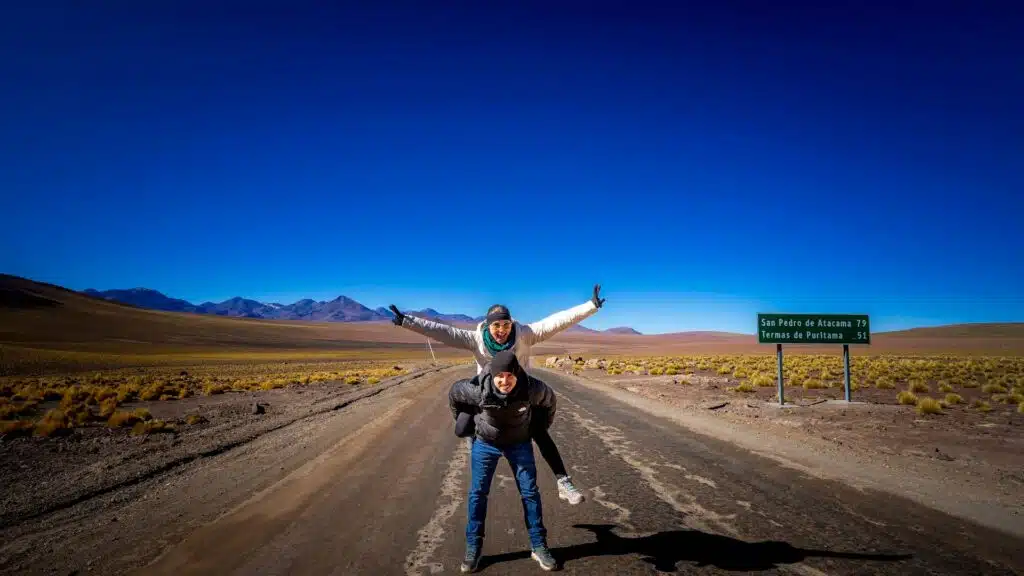
The great American drive is often seen as a way to see how much a person can take, with long stretches of asphalt, greasy diners, and the regular effort to reach the next town. But as our daily lives get faster and more digital, a different approach to wandering is taking hold. It isn’t about how fast we can get to a destination anymore; it’s about how deeply we can take in the world as we pass through it.
To truly get the most out of your hours behind the wheel, your vehicle should be more than just a means of getting around. It should be a personal space that follows you wherever you go. By choosing smaller back roads, picking peaceful spots to park for the night, and putting real value in your sleep, you can turn a simple outing into something that makes you feel like yourself again.
The Feeling of the Long Road
Choosing the long way around is sometimes thought of as a waste of minutes, but it’s actually a method of looking after your own mental state. When we spend all our hours on the giant interstates, our minds are forced into a state of extreme tension. We are constantly watching fast-moving traffic and staring at a repetitive blur of grey and green, which leaves us drained and on edge by the end of the day.
When you turn off onto a coastal route or a winding track through the mountains, something in your chest loosens. This shift lets your mind engage with things that are actually beautiful, like the way light hits the trees or the sound of water nearby, avoiding that tired state of the highway. This change in perspective lets the brain reset, lowering those stress levels and giving you back a clear head. Out on the lanes, the “long way” is almost always the best option to find some peace.
Choosing Where to Settle for the Night
The settings we pick to stop for the night are the base for the whole trip. A crowded truck stop or a loud parking lot might be easy to find, but it doesn’t do much to help a person get their energy back. To keep your adventures going for weeks at a time instead of just days, you have to be intentional about where you turn off the engine.
Looking for silent locations, like deep in a national forest or on a secluded piece of public land, gives your senses a chance to reset. Without the presence of city lights and the noise from traffic, you start to notice the natural sounds instead: the wind moving through the pines or the call of an owl at dusk. These are the things that help your body settle down. When your view changes from a busy street to a silent canyon, you stop worrying about the clock and start living in the moment.
Think about the air in those spots. The smell is different from the air in a city or a paved lot, and you get to sense the natural scent of pine needles or sagebrush. When you step out your door and into that environment, your breathing slows. You aren’t rushing to find a spot or worrying about who is parked next to you. You are just there, in a place that feels steady and still.
The Physical Side of Sleeping on the Move

One of the biggest hurdles for people who want to live life on the move is the drop in sleep quality. There is a reason people often feel tired after a vacation: your brain stays half-awake when it’s in an environment it doesn’t recognize. This is where having a high-quality setting becomes so important.
For those who love to wander, the vehicle is the main spot to recover. Roaming in a luxury camper van completely changes that experience. Instead of settling for a lumpy hotel bed or a different thin mattress every night, you have a high-quality space that is entirely yours. When you have an area that is kept at the right temperature and supports your body properly, that sensation of being in an “unfamiliar” location goes away.
You aren’t just camping out; you’re bringing a private bedroom to the edge of the world. This evenness in your environment is the real secret to waking up refreshed and ready for whatever the next mile brings.
It is about more than just the mattress, though. It’s the way the curtains block out the morning sun, the way the floor feels under your feet when you get up to make coffee, and the lack of noise from a hallway or a street. When you have control over your surroundings, your body can finally let go of the day’s tension.
The Rhythm of Doing Less
Slowing down is something you have to learn how to do. We are taught to think that faster is better, but out here, progress is better measured by how much you actually remember of your day. To make the most of your time, a lot of experienced wanderers follow a simple daily pattern:
- Don’t drive more than a few hundred miles in a day.
- Get to your spot while the sun is still up.
- Try to linger in one environment for a few nights.
By stopping early, you give yourself a whole afternoon to just exist. You can take a walk, cook a meal over a real fire, or just sit and watch the shadows get long across the hills. This gives your body a chance to wind down long before you think about closing your eyes, making sure that when you do go to bed, you are already in a peaceful state. Lingering in one patch of earth for a few days lets you actually get to know the land, turning a simple stop into a temporary home.
Making the Miles Meaningful
At the end of the day, the goal is to come back from a trip in a better state than when you left. When we rush, we miss the very things that make seeing the world worthwhile. We trade the sunset for a few more digits on the odometer; we trade deep sleep for an alarm clock that goes off too early.
By picking a vehicle that takes care of you, finding the right paths, and choosing environments where you can truly let go, the trip becomes more than just a line on a map. It becomes a patch of your life where you can grow. Whether it’s the stillness of a desert morning or the cozy sensation of your own bed after a day of hiking, these moments of intentional rest are what let us keep going.