
I have noticed that many people think sleep is only about comfort, yet it often affects mood and relationships more than expected. When you share a bed or sleep apart, small changes can shape how you feel each day.
Many feel unsure if distance at night signals trouble or simply better rest. This confusion matters because poor sleep can affect patience, focus, and emotional balance.
Understanding how sleep arrangements affect psychological well-being helps you make choices that support both rest and emotional comfort.
In this blog, I break down how sleep setups connect to mental health, relationships, and daily life, with clear points you can use as you read.
Do Sleep Arrangements Affect Psychological Well-Being?
Sleep arrangements affect psychological well-being through sleep quality, emotional safety, and relationship closeness, not bed location alone, with outcomes shaped by communication, comfort, and how partners feel about the setup.
Lin and Chiao (2025) show that sleep arrangements affect psychological well-being in a more indirect way. Their large couple-based study explains that sleep setups influence emotional health through feelings of safety, closeness, and emotional support rather than physical sleep location alone.
Hasler and Troxel (2010) find that couples who feel emotionally connected at night tend to report better overall well-being, even when sleep is not ideal.
El-Sheikh, Kelly, and Rauer (2013) show that sleeping apart is not automatically harmful. Negative outcomes are most likely when sleep separation is unspoken, driven by emotional tension, or used to avoid conflict.
Richter et al. (2016) report that when sleep separation is chosen together and clearly discussed, it can improve sleep quality and support steadier moods.
The main takeaway is clear: how a person feels about their sleep setup matters more than the setup itself.
Sleep is Both a Biological Process and a Social Experience

Sleep supports mental health through brain functions and emotional cues shaped by physical rest and shared nighttime presence with another person.
What the Brain Does During Sleep
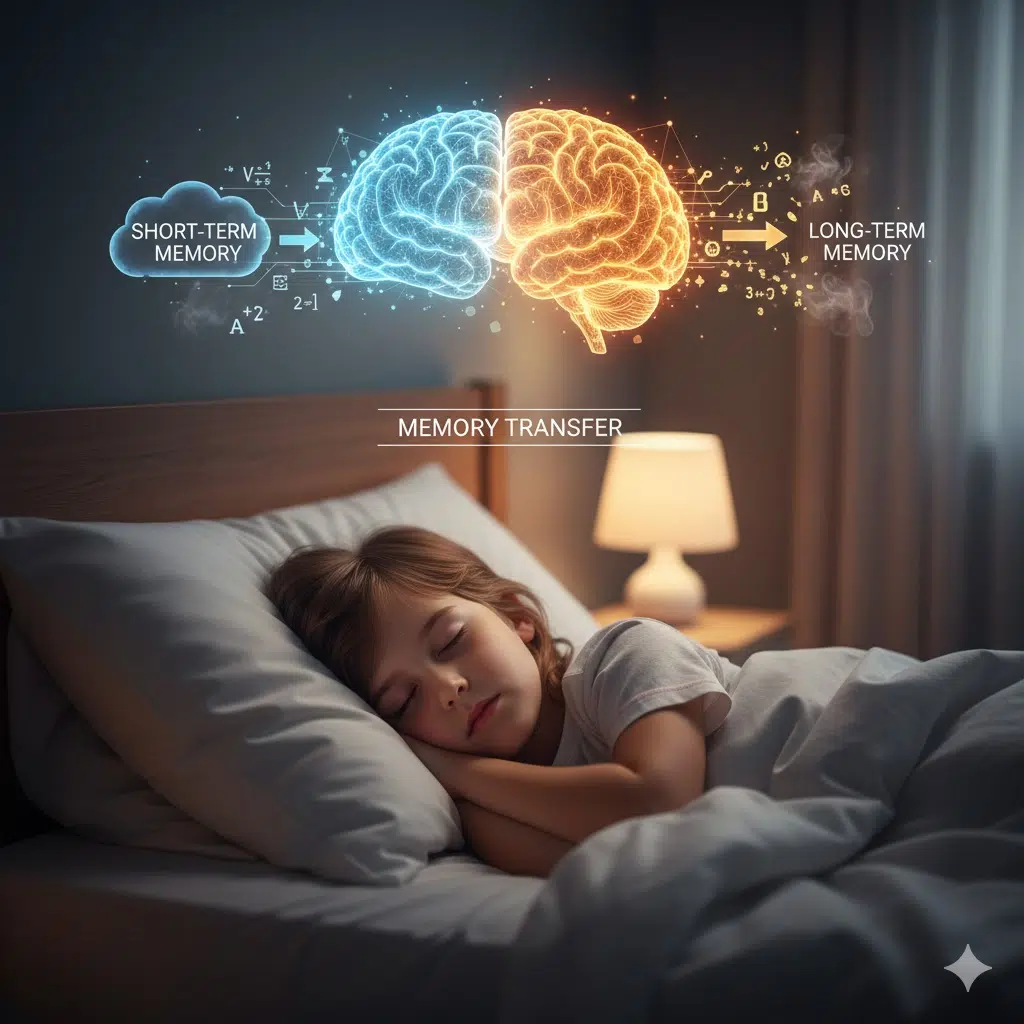
During sleep, the brain works to manage emotions, lower stress levels, and organize daily experiences. Emotional reactions from the day are processed, which helps reduce emotional overload.
Stress hormones decrease, allowing the nervous system to settle. Memory sorting also happens, helping the brain store useful information and release what is no longer needed.
These processes support steadier moods and clearer thinking during waking hours. When sleep is poor or broken, these brain functions weaken, which can lead to mood swings, irritability, and difficulty handling daily stress.
Why Sleeping with Another Person Changes the Experience
Sleeping with another person changes how the body and mind respond at night. The presence of a partner can increase feelings of safety and reduce nighttime alertness.
Emotional attachment may also influence how calm or tense the body feels during rest. Sleep timing and routines often adjust to match the other person, shaping consistent patterns over time.
Because of this, sleep becomes a shared process rather than a fully personal one. Emotional comfort or strain within the relationship can quietly influence how restful sleep feels, even without direct awareness.
Understanding Different Sleep Arrangements in Couples
Couples use many sleep arrangements, and each setup can shape rest, mood, and emotional closeness in different ways. Some couples share the same bed and room, which often supports routine and nighttime connection.
Others choose separate beds in the same room to reduce sleep disruption while staying physically close. In some homes, especially where space is limited, creative solutions like bunk beds or split sleeping systems are used to maintain proximity while improving individual comfort. Separate rooms are also common, especially when snoring, health concerns, or work schedules interfere with rest.
Some couples switch between setups depending on life changes, illness, or stress levels. No option is fixed or right for everyone. What matters most is whether the arrangement supports steady sleep and emotional comfort for both partners.
Open discussion and shared understanding often play a larger role in well-being than the physical layout itself. A sleep setup can work well when it fits current needs and can change as those needs shift over time.
What Your Sleep Arrangement Can Emotionally Represent
Sleep arrangements often carry emotional meaning that shapes feelings of closeness, comfort, or distance within a relationship beyond physical rest alone.
Many people worry that couples who sleep apart grow apart, even when the change is meant to improve rest.
Shared Bed: Connection, Safety, and Routine

Sharing a bed often supports emotional closeness by creating regular moments of physical presence at the start and end of each day. Many couples view this setup as a sign of togetherness, which can support calm and emotional comfort.
A shared bed may also create predictability, helping both partners feel settled and reassured at night. Over time, familiar routines like going to sleep together or waking side by side can support emotional stability.
However, this meaning depends on sleep quality. When rest is poor, the same setup can cause frustration, even if emotional closeness remains important.
Separate Beds: Boundaries or Relief

Separate beds can offer physical comfort without removing emotional closeness. This setup often helps when movement, noise, or different sleep needs disrupt rest.
Better sleep can support a steadier mood and patience during the day. For many couples, separate beds work well when emotional reassurance stays present through conversation, shared routines, or time together before sleep.
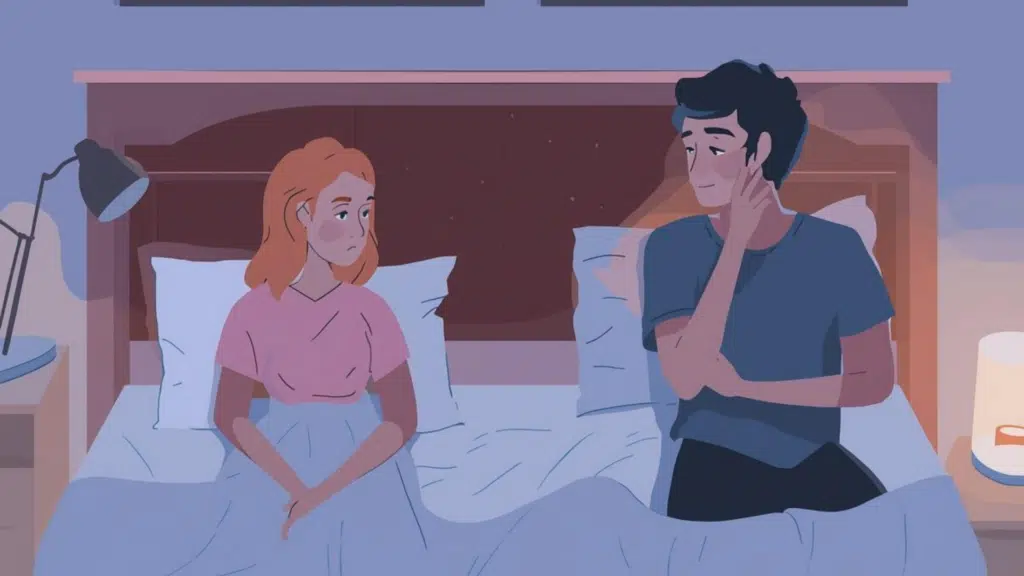
Without that reassurance, one partner may misread the change as emotional distance. Clear communication helps ensure this arrangement supports rest while preserving trust and emotional balance.
Separate Rooms: Independence or Emotional Distance

Separate rooms can support health needs, ongoing sleep issues, or demanding schedules. In some cases, this setup helps both partners feel more rested and less tense.
At the same time, it can increase feelings of loneliness if the change is not openly discussed. Without shared nighttime contact, emotional distance may slowly grow.
The emotional meaning of separate rooms matters more than the physical setup. When partners understand the reason and stay emotionally engaged, this arrangement can work without harming well-being.
The Critical Difference: Chosen Separation vs. Emotional Withdrawal
Sleep separation affects mental health differently depending on whether it is openly chosen together or quietly driven by emotional strain.
| Aspect | Chosen Separation | Emotional Withdrawal |
|---|---|---|
| Reason | Agreed to change to improve rest or health | Unspoken response to tension or unresolved issues |
| Communication | Open discussion and shared decision | Little or no discussion |
| Emotional impact | Emotional closeness stays present | Emotional distance often increases |
| Effect on well-being | Can support a steadier mood and calm | Often linked to stress and low mood |
The key difference lies in communication and intent, not distance, shaping whether sleep separation supports well-being or increases emotional stress.
Sleep Quality vs. Sleep Setup: Understanding the Real Impact
While many assume that sleep location directly influences sleep quality, the truth is more complex. Sleep quality is primarily determined by factors like comfort, restfulness, and consistency, rather than just the arrangement of where you sleep.
The emotional and physical comfort of your sleeping environment plays a key role in how restorative your rest is, regardless of whether you share a bed or sleep apart.
Sleep setup does matter, but it affects well-being more indirectly. For example, couples who share a bed may feel emotionally connected, but disrupted sleep due to snoring or movement can reduce overall sleep quality.
Alternatively, separate beds or rooms can improve rest if it helps with comfort, but can also lead to emotional distance if not clearly communicated.
The key takeaway is that sleep quality should be prioritized over the specific sleep setup, focusing on mutual understanding and well-being.
How Sleep Directly Affects Mental Health
Sleep has a significant impact on emotional well-being, influencing mood, stress resilience, and mental health disorders like anxiety and depression.
Emotional Regulation and Mood
Poor sleep impairs emotional regulation, making it harder to control irritability and anxiety. This emotional instability often increases during stressful times, as sleep deprivation weakens the brain’s ability to manage emotions effectively.
When sleep is disrupted, the ability to handle small challenges or frustrations diminishes, leading to a heightened stress response.
Over time, lack of quality sleep can make individuals feel more emotionally reactive and less able to cope with daily pressures. This ongoing imbalance can contribute to a general sense of being overwhelmed, ultimately worsening mental health over time.
Depression, Anxiety, and Sleep Disruption
Insomnia often comes before the onset of mood disorders, acting as an early warning sign for depression or anxiety.
People experiencing sleep issues are more likely to develop mental health struggles due to the stress and mood swings caused by sleep deprivation.
Conversely, existing mental health symptoms can make it harder to fall asleep or stay asleep, creating a vicious cycle. Anxiety can disrupt sleep patterns, and depression can cause early waking or restless nights, both of which worsen mental health.
This bidirectional relationship complicates treatment, as addressing only one issue, either sleep or mental health, rarely resolves both.
The Self-Reinforcing Cycle
Poor sleep and mental health often feed into each other, creating a repeating pattern that affects mood, stress levels, and daily functioning.
- When sleep quality declines, emotional well-being often weakens, leading to increased anxiety, irritability, and unstable mood during waking hours.
- This emotional strain then interferes with the ability to fall asleep or stay asleep, further reducing sleep quality night after night.
- Ongoing poor rest lowers energy, weakens coping ability, and makes everyday stress harder to manage, which adds more mental strain.
- As this pattern continues, both sleep problems and mental health concerns can grow stronger, showing why both need attention at the same time.
Relationship Dynamics, Conflict, and Nighttime Distance
Couples’ emotional connections and unresolved daytime tensions impact their sleep quality, showing that relationship dynamics extend into bedtime.
How Daytime Conflict Follows Couples to Bed
Unresolved conflict during the day can negatively affect sleep onset, making it harder to relax and fall asleep.
Emotional arousal from arguments or disagreements can disrupt rest even after the day has ended, as the body remains in a heightened state of stress.
This ongoing tension affects sleep quality by preventing the body from fully unwinding, causing restlessness or fragmented sleep.
Additionally, negative emotions carried over from a fight can trigger anxiety or intrusive thoughts at night, further diminishing the ability to sleep peacefully. Over time, this persistent disruption can erode both physical rest and emotional well-being.
Why Communication Protects Psychological Well-Being
Clear, open communication between partners helps maintain emotional closeness and acts as a protective factor against sleep disruption. When partners are emotionally connected, they can address tension and conflict before it affects their rest.
Even if sleep setups vary, such as sleeping in separate beds or rooms, maintaining intimacy through communication and shared routines preserves psychological well-being.
Emotional reassurance before bed, such as discussing the day or expressing care, can strengthen bonds and reduce nighttime stress. This closeness reduces feelings of isolation and promotes a sense of security, which supports better mental health and restful sleep.
Conclusion
Sleep affects more than energy levels. It shapes mood, emotional control, and how close you feel to your partner.
I shared that sleep quality matters more than location, that communication shapes outcomes, and that shared or separate sleep can support or strain emotional health.
One practical reminder is to focus on how your current setup makes you feel, not how it looks from the outside.
Honest discussion and flexibility often protect mental health more than sticking to one fixed routine. When you understand how sleep arrangements affect psychological well-being, you can adjust with care instead of stress.
If this helped, I invite you to explore other blogs for related guidance and deeper insight.