
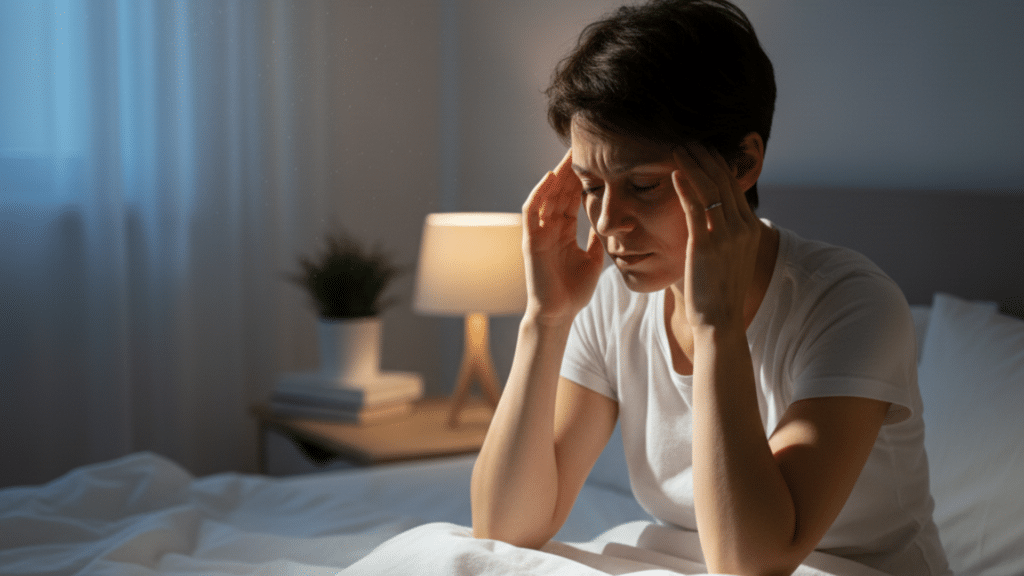
I remember the first time I noticed how a short night made my whole head feel tight the next morning.
You might have felt it too, that slow pressure that builds after too little rest. It makes you stop and think about how deeply sleep affects your body.
Many people search for answers because “can lack of sleep cause headaches” is a worry that shows up more often than we expect.
Head pain after poor sleep can affect your mood, focus, and daily plans.
So, I want to help you understand what’s going on and what you can do about it. This guide walks through the causes, signs, and simple changes that can bring real relief.
Why Missing Sleep Can Cause Headaches
Poor sleep affects your brain, hormones, and blood flow. These changes make your body more sensitive to pain and raise your chance of getting headaches. This helps explain why lack of sleep migraine and tension headaches often appear after restless nights.
What Poor Sleep Does to Your Brain
When you miss sleep, your brain becomes more reactive to pain. Your pain pathways fire faster, so even mild pressure feels stronger. Your serotonin levels also drop, and this makes pain control harder.
Your brain has trouble handling swelling, which can raise discomfort. Missing REM sleep can make this even worse because that stage helps your brain reset. When REM gets cut short, your risk of headaches and migraines increases the next day.
How Sleep Affects Hormones and Stress Levels
Poor sleep raises your stress hormones, especially cortisol. This can push your body into a tense state. Your neck and shoulders may tighten without you noticing, which can lead to headaches.
Your nerves also become more reactive after a short night, so small triggers feel larger. When you stay in this stressed pattern for several days, the tension builds. This makes your head more sensitive and increases the chance of getting a headache.
Inflammation and Blood Flow Changes
Your body releases more swelling chemicals when you do not sleep well. These chemicals can make your nerves and blood vessels react more strongly. Sleep loss can also change the way your blood vessels open and close.
These changes may lead to pressure inside your head. This pressure often feels stronger in the morning. When swelling and poor blood flow happen together, they can trigger headaches that take longer to fade.
What Science Says About Sleep Deprivation and Headaches

Recent research supports a clear link between poor sleep and headaches. These findings support the idea that does lack of sleep cause headaches is not just a theory, but a proven link.
A 2023 study of more than 11,000 users of the Migraine Buddy app found that sleep fragmentation and deviation from usual sleep patterns correlated with higher migraine occurrence.
A 2025 review in Current Sleep Medicine Reports showed that sleep disorders like insomnia and restless-leg syndrome often come with greater migraine burden, implicating shared brain pathways involving serotonin, orexin, and a peptide called CGRP.
A 2025 study titled “How Sleep Deprivation Amplifies Pain in Migraine” found that reduced sleep weakens pain control, raising headache intensity.
Together, these studies suggest that poor sleep quality, interrupted sleep, and sleep disorders can directly raise headache risk and make migraine due to lack of sleep more likely.
Symptoms of Sleep-Related Headaches
Poor sleep can affect your body, mood, and thinking, leading to different symptoms that change how you feel throughout the day.
Physical Symptoms
- Throbbing or pulsing pain: Pain feels stronger with movement and can get worse when you bend, walk, or change position.
- Tightness around the forehead or scalp: Muscles around your head tighten after poor rest, creating steady pressure that increases as the day continues.
- Neck and shoulder soreness: Tension builds in your upper body during short nights, leading to soreness that often pushes pain toward your head.
- Eye pressure or heaviness: Tired eye muscles strain after poor sleep, causing heaviness or pressure that can trigger or increase headache pain.
Cognitive and Mood Symptoms
- Irritability: Lack of sleep lowers your stress control, making small problems feel bigger and raising frustration during the day.
- Trouble focusing: Your brain slows after short sleep, causing difficulty staying on task or remembering steps in simple daily activities.
- Slow thinking: Poor sleep reduces mental speed, making it harder to process ideas, solve problems, or respond quickly.
- Sensitivity to light or sound: Your nerves become reactive after poor sleep, so bright lights or loud noise may feel stronger and trigger pain.
Hidden Triggers that Make Sleep-Related Headaches Worse
Several everyday habits can quietly raise your chance of getting a headache after a short night, even when you do not notice them right away.
Late screen time is a common trigger because bright light can delay your natural sleep signals. Poor hydration also plays a role, since low fluid levels increase pressure in your head by morning.
Caffeine late in the day can delay sleep and disrupt your rest cycle. Long naps may also shift your normal sleep pattern, which can make pain stronger the next morning.
Stress during the evening keeps your muscles tight and limits your ability to relax fully. Even your pillow or sleeping position can create strain in your neck and shoulders, leading to severe pain when you wake up.
Sleep Disorders that Can Cause Headaches

Some sleep problems can point to deeper issues that raise your chance of headaches, especially when they affect your rest every night.
1. Insomnia and Frequent Night Waking
Insomnia can make it hard for you to fall asleep or stay asleep. When you wake many times during the night, your brain misses key stages of rest that help manage pain. This leads to morning discomfort and a higher chance of headaches during the day.
Frequent waking also increases stress, which tightens muscles in your neck and shoulders, adding more pressure that can trigger head pain.
2. Sleep Apnea (Oxygen Drops Triggering Morning Headaches)
Sleep apnea causes repeated breathing pauses during the night. Each pause lowers your oxygen level, which can increase pressure in your head. These changes often lead to morning headaches that feel stronger shortly after waking.
You may also feel tired during the day because your sleep never reaches the deep stages. Loud snoring, gasping, and choking during sleep are common signs that this condition may be affecting you.
3. Restless Leg Syndrome
Restless leg syndrome creates an urge to move your legs, especially at night. This makes it hard to stay still long enough to fall into deeper sleep stages.
Poor sleep from these repeated movements raises your chance of headaches the next day because your brain does not get enough time to reset. People with this condition often feel tired, unfocused, and sore due to constant interruptions in their nightly rest.
4. Circadian Rhythm Disorders
Circadian rhythm disorders affect your internal clock and shift your natural sleep timing. When your sleep schedule moves away from your body’s regular pattern, you may struggle to fall asleep or stay asleep at the right hours.
This reduces the quality of your rest and raises your chance of getting headaches. These conditions often lead to morning grogginess, daytime sleepiness, and stronger pain caused by missed or shortened deep sleep cycles.
Signs You Might Have a Sleep Disorder
You may have a sleep disorder if you wake feeling tired, even after a full night in bed. Morning headaches, loud snoring, or repeated waking are common warning signs.
You might also feel unfocused, irritable, or unable to stay alert during the day. Some people experience leg movements, choking, or gasping at night. These patterns show that your sleep quality is affected and may need attention.
How to Prevent Sleep-Related Headaches
Keeping steady sleep habits lowers stress, supports your brain, and reduces the chance of waking with pain after a short night.
- Keep a steady sleep schedule: Go to bed and wake up at the same time daily to support better rest.
- Limit screen use before bed: Bright light delays your natural sleep signals and can raise your chance of next-day head pain.
- Create a calm evening routine: Gentle stretching, soft lighting, and quiet time help your body settle before sleep.
- Avoid caffeine late in the day: Afternoon or evening use can delay sleep and increase morning discomfort.
- Stay hydrated through the day: Low fluid levels can raise pressure in your head and trigger pain.
- Use a supportive pillow and position: Proper neck support reduces strain that often leads to stronger morning headaches.
- Manage evening stress levels: Simple breathing or light movement helps lower tension that pushes pain into your head.
Conclusion
We covered how poor sleep affects your brain, hormones, and muscles, and how these changes can lead to steady pressure or severe pain.
You also saw how certain habits and sleep disorders can raise the chance of discomfort. My goal was to give you clear steps that help you understand your patterns and ease these issues.
When you think about how lack of sleep can cause headaches, it becomes easier to notice what your body needs. I hope you try a few of the ideas and see how they help your daily routine.
If you want more simple health tips, check out my other blogs and keep learning what supports your well-being.