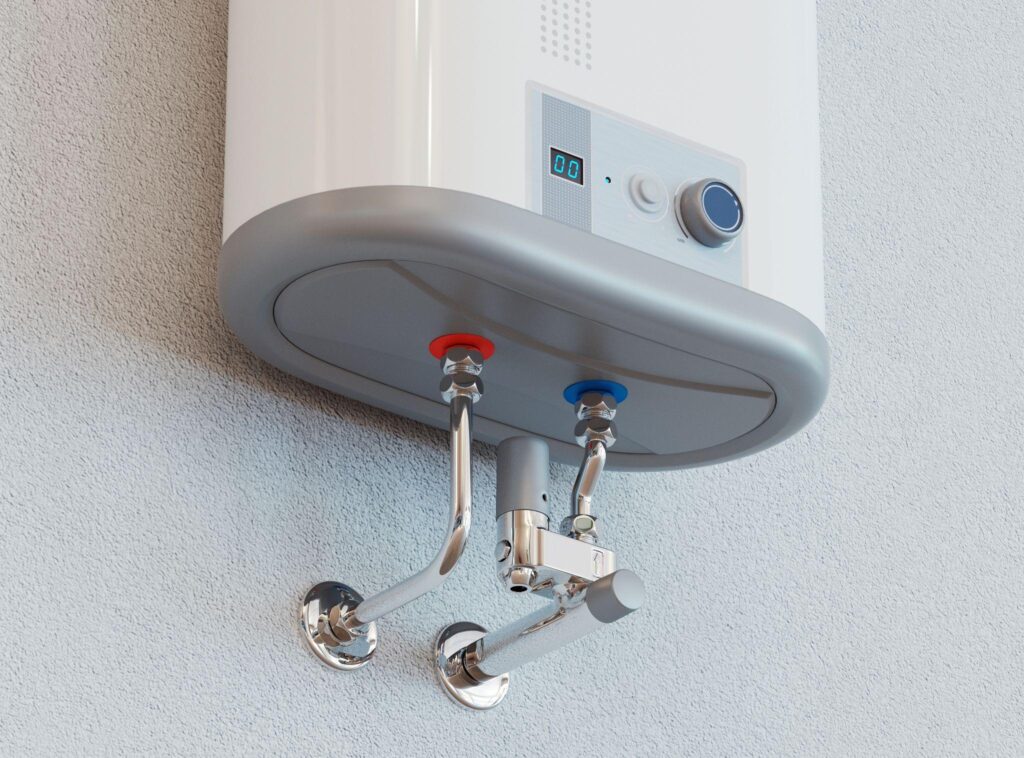
A lovely hot shower and the painful reality of your monthly utility bill frequently require a delicate balancing act to find the ideal water heater temperature setting. It is rare for most of us to check the dial until the water is either lukewarm or, at worst, boiling. However, the metal tank in your garage or basement is one of the biggest energy consumers in your house.
Check out fuseservice.com/water-heater to see how the experts handle these setups if you need a fast repair or you are looking for professional assistance.
In this guide, it takes ten minutes to understand that your heater’s “comfort zone” is one of the easiest DIY wins for any homeowner.
Recommended Temperature Range
For the vast majority of households, the comfort zone for your water heater temperature is 120°F (49°C).
OSHA and the Environmental Protection Agency (EPA) generally point to this number as the ideal baseline. Why? It’s hot enough to handle your greasy lasagna pans and kill off most germs, but not so hot that it’ll peel your skin off in seconds. Many manufacturers ship their units pre-set at 140°F, which is, quite frankly, excessive for a typical family of four.
You may, however, err on the side of higher if your dishwasher lacks an internal booster heater or if there is a person in your household with a weakened immune system. There is a slight trade-off. You’re trading safety and cash for a slightly more sterile environment.
Energy Efficiency Considerations
Let’s talk money. Heating water is expensive. It accounts for about 18% of your home’s energy consumption. When you crank that water heater temperature setting up to 140°F or higher, you aren’t just paying for the water you use; you’re paying for standby loss.
Standby loss is essentially the energy wasted while your heater cycles on and off all day just to keep that big tank of water hot while you’re at work or sleeping. By dropping the temp from 140°F to 120°F, you can save from $36 to $61 annually in standing heat loss, and up to $400 in total energy costs, depending on your usage. It might not sound like a fortune, but it’s essentially free money for turning a plastic dial a few degrees to the left.
Health and Safety Factors
This is where the debate gets a little spicy. There are two competing villains here: Legionella bacteria and third-degree burns.
- The risk of scalding: A child’s skin can sustain a severe burn at 140°F after just two seconds of exposure. It takes five minutes at 120°F. For peace of mind, 120°F is the obvious choice if you have senior family members with thinner skin or children who enjoy grabbing the faucet.
- The bacterial risk: Legionella, the bacterium that causes Legionnaires’ disease, prefers warm water as a breeding environment. From 68°F to 113°F, it thrives. Thus, it effectively eliminates the germs; some experts advocate maintaining the water heater temperature at 140°F.
A mixing valve can be something to think about if you’re concerned about both. This clever gadget ensures that the water never exits the pipe at a temperature greater than 120°F and maintains the tank at a bacteria-killing 140°F by mixing in some cold water before it reaches your showerhead.
Adjusting Your Water Heater
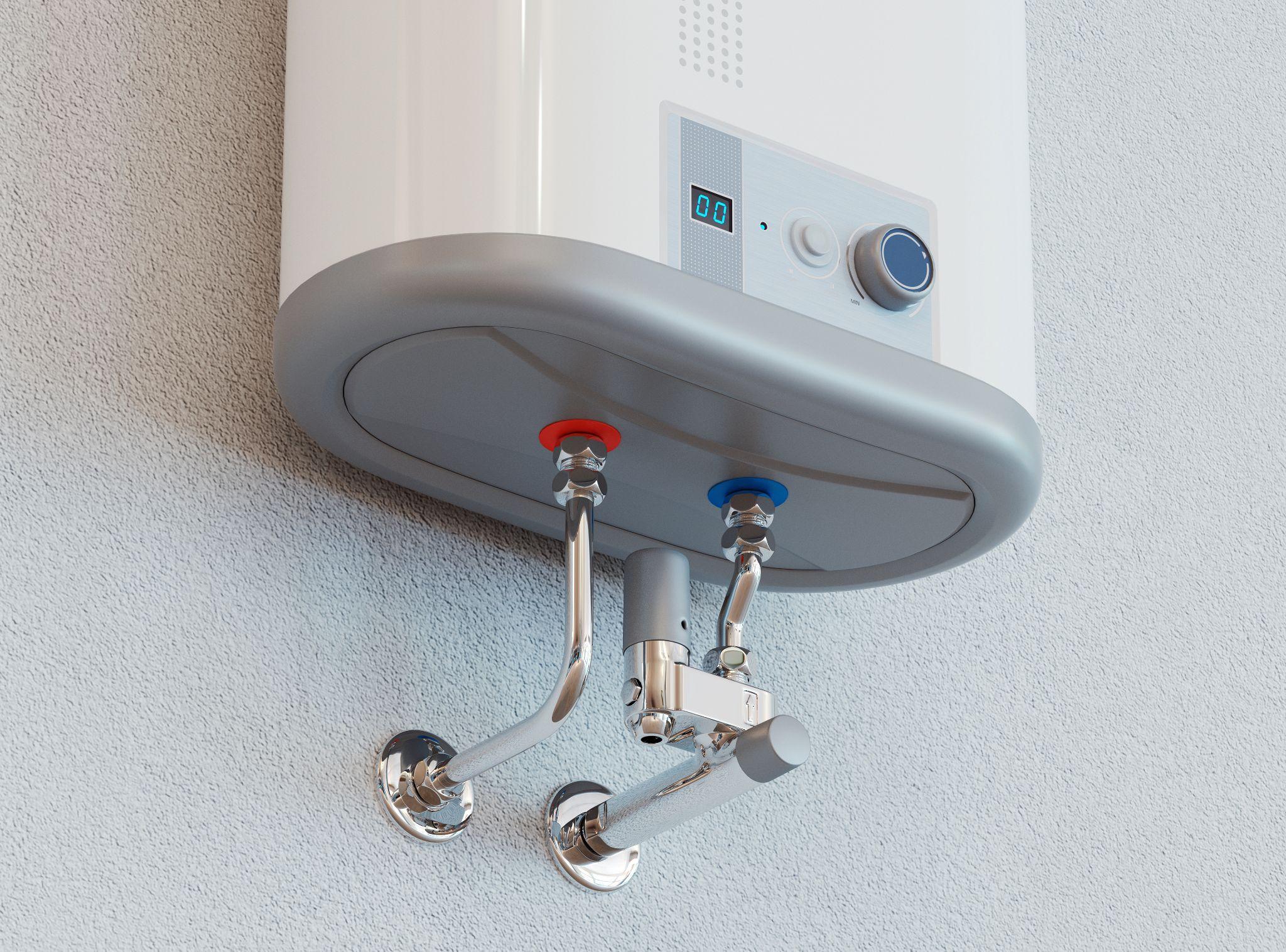
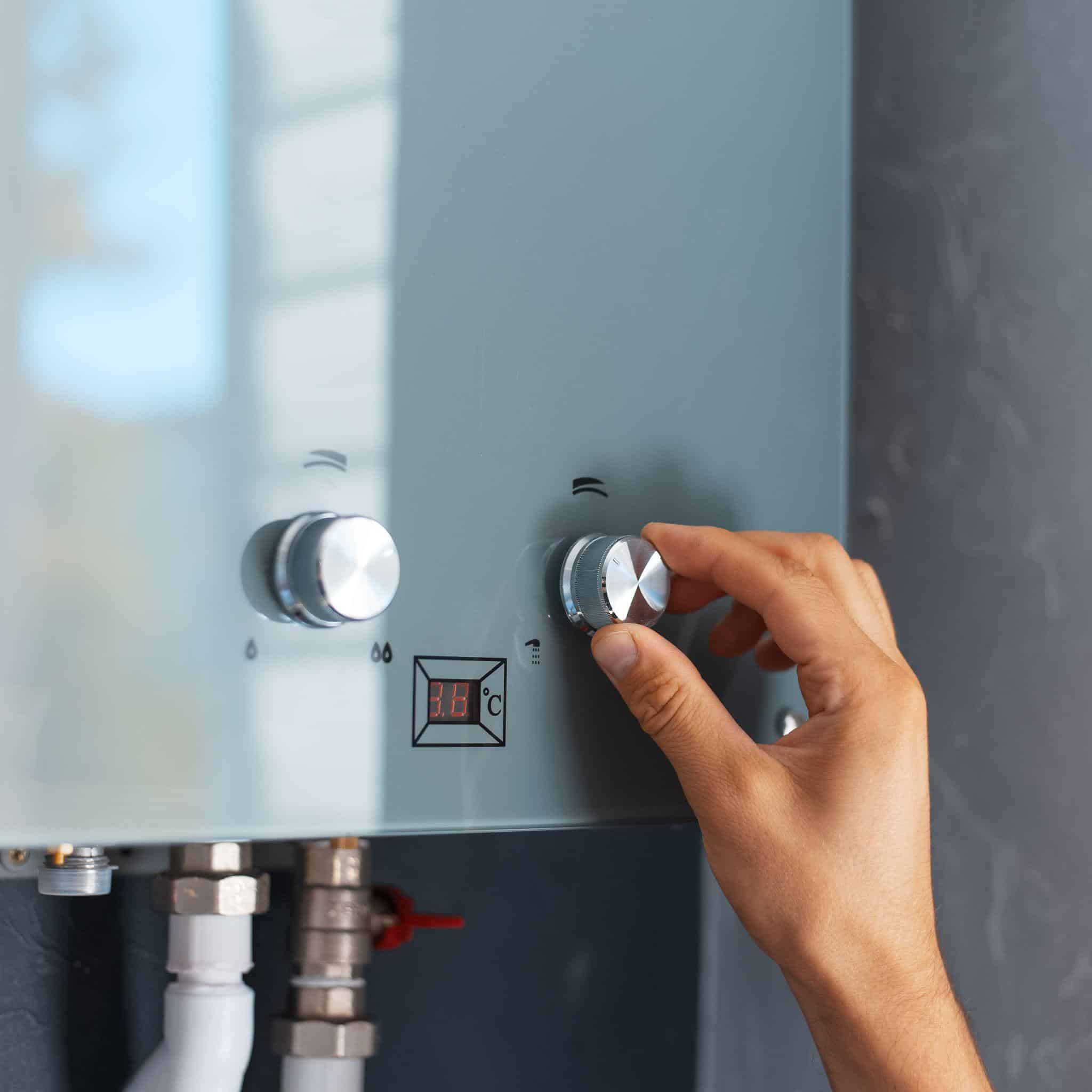
Are you prepared to make changes? It’s not as difficult as it seems. There is typically a visible dial on the exterior of the tank if you use a gas heater. Simply turn it. When there are no numbers, many people just say “Low,” “Hot,” and “A, B, C.” It will require some study on your part.
Things are a little more hidden when it comes to electric heaters. To turn off the electricity, you’ll probably need to:
- Flip the breaker (safety first!).
- The access panels on the tank’s side should be unscrewed.
- Move the insulation aside.
- A flathead screwdriver can be used to adjust the two thermostats that are included in the majority of electric models.
Waiting a few hours after changing is a simple trick. Check the water’s temperature with a kitchen thermometer after a minute of hot water running from the faucet that is farthest away from the heater.
Tips for Optimal Performance
Don’t stop at the thermostat if you want your heater to function flawlessly without raising your expenses. For older tanks, ‘insulating jackets’ make a huge difference. Your tank is leaking heat if it feels warm to the touch. It’s like putting a parka on it when you wrap it up.
Remember the pipes, too. The water inside the unit can remain hotter for longer if the first six feet of hot and cold water pipes leaving the unit are insulated. Because you won’t have to run the tap as long to get the warm water, this will save you both time and water. A brief call to professionals like Fuse Service can help determine whether sediment accumulation is impeding your system’s performance if you ever feel like it is malfunctioning in spite of these adjustments. Flushing the tank once a year to get rid of that mineral gunk is a messy job, but your heater will thank you with a much longer lifespan.
Conclusion
Saving money shouldn’t force you to shiver through a morning rinse because, at the end of the day, your home is your haven. However, it is also not worth spending to keep a tank of water at almost boiling temperatures while you are away from home.
Adapting your hardware to your lifestyle is key to determining the ideal water heater temperature. For the majority of us, the ideal temperature for safety, cleanliness, and economy is 120°F. It prevents your bank account from going down the toilet, it keeps the kids safe, and it keeps the bacteria away. Take a look at your heater today; it’s one of the few things in life where “turning it down” actually makes things better.