


A few years ago, med spa mostly meant injectables, lasers, and skincare. That is still true, but the category has expanded in a way that matches how people actually live.
For a lot of clients, a modern med spa functions like a wellness clinic with better branding, easier scheduling, and more repeatable routines. It is a place where practical, medicine-adjacent services live alongside aesthetic services, all packaged around a single idea: helping people feel better in their day-to-day life.
Most people do not shop for wellness by business model. They are not comparing licensing structures or clinic categories. They are thinking about outcomes. They want to sleep better, feel less tense, recover faster, feel more confident in public, and stop carrying low-level discomfort through every workday.
If a clinic feels structured, professional, and consistent, and it offers a plan instead of a random menu, many clients put it in the same bucket. That bucket is med spa, even if the service mix looks more like a wellness center than a traditional aesthetics studio.
That is why med spas show up in more wellness conversations now. They have become a front door for services that used to be scattered across separate clinics.
IV hydration is one of the easiest examples. People use it in different ways, but the pattern is similar. They come in after travel, after a string of late nights, after a demanding season at work, or when they feel generally depleted. Whether the benefit is real hydration support, the structure of having a reset appointment, or simply the psychological relief of doing something concrete, the experience fits the med spa model.
It is accessible, appointment-based, and designed for repeat visits. Even people who have no interest in cosmetic services still like the med spa environment because it feels clinical enough to take seriously without feeling like a hospital.
Weight management has followed a similar path. What used to feel like a primary care conversation has, in many markets, become a program experience. Consult, measurements, plan, consistent check-ins, and adjustments over time. Some clinics blend nutrition coaching and lifestyle support with clinician-supervised options when appropriate.
Because weight touches energy, sleep, joint comfort, confidence, and mood, clients often experience these programs as wellness first. Even when the visible results are part of the motivation, people are usually chasing something deeper. They want their body to feel easier to live in. They want less friction getting dressed, moving around, and staying consistent with routines that help them feel stable.
Recovery services also contribute to the med spa becoming a wellness hub. Not everyone is dealing with an injury, but almost everyone is carrying something. Neck tension from hours at a desk. Jaw clenching from stress. Headaches that build through the afternoon. Soreness that lingers longer than it used to. A constant tightness in shoulders or hips.
In that context, a clinic that offers recovery-oriented services becomes a practical tool. It is not about being fancy. It is about bringing the body back to baseline so everyday life feels lighter. When your body feels calmer, your behavior changes. You move more. You sleep more. You are less reactive. You recover faster after workouts. Small changes stack up because you are not constantly pushing through discomfort.
Sleep is one of the clearest places where wellness and med spa services connect, even if the connection is indirect. Sleep gets blamed on caffeine and screen time, but sleep is also a nervous system issue. If you carry tension all day, your body does not automatically flip into rest mode just because you turned off the lights.
If you feel physically unsettled, you can be tired and still struggle to fall asleep. People who feel chronically stressed often live with a subtle sense of alertness that follows them into bed. A good med spa environment can help with the downshift.
Reducing physical tension, supporting recovery, and creating a routine of calm can make it easier for the body to power down at night. Many clients do not describe it as a sleep treatment. They just notice they feel less wired, less restless, and more able to settle.
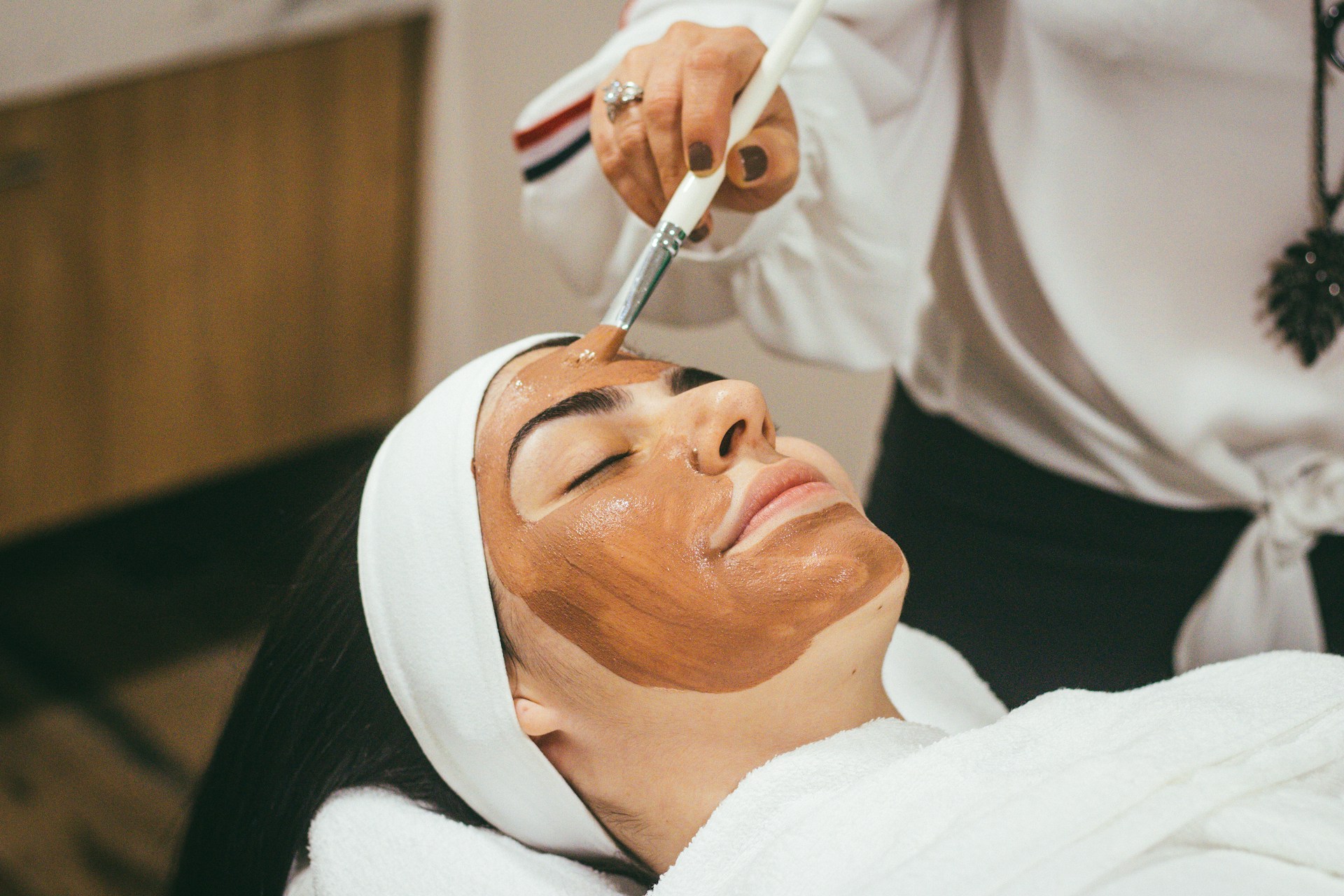
Skin health is also more wellness than people give it credit for. Aesthetics matter, but the strongest med spa relationships often start with comfort, not vanity. Acne that never fully goes away, irritation that flares for no reason, pigmentation that makes people feel like they cannot look rested, or texture issues that become a daily annoyance.
When skin finally calms down, it is not just a visual change. It reduces mental noise. People stop checking mirrors. They stop second-guessing lighting. They stop feeling like they have to manage their appearance before they can live their life. That relief is real. It frees up attention and lowers stress, which can then improve sleep and mood in a way that is easy to overlook.
There is also a social and emotional wellness angle that is hard to measure but easy to recognize. When people feel more confident, they tend to show up more easily. They take photos without bracing. They go to events without mentally preparing. They speak up more in meetings. They feel less self-conscious in everyday interactions.
That does not mean appearance is the only factor in confidence, but it can be a factor that consumes more mental energy than people admit. A med spa that helps someone address a specific concern can reduce that daily cognitive load. Wellness is not only about physical metrics. It is also about how much of your attention you get to keep for your own life.
The common thread behind all these services is structure. The med spa model works because it turns vague wellness goals into something practical. Appointments, a plan, and a cadence. A lot of wellness advice fails because it stays abstract.
Reduce stress. Prioritize recovery. Take care of your skin. Drink more water. These are not wrong, but they are easy to ignore when life gets busy. A clinic routine is harder to ignore because it is scheduled.
It creates accountability. It creates touchpoints where progress is discussed, adjustments are made, and the next step is clear. That structure is often the difference between a wellness intention and a wellness habit.
This is also why the best med spas do not feel salesy. The ones that genuinely support wellness tend to be calmer and more conservative. Realistic timelines. Clear expectations. Careful sequencing. Respect for recovery. They do not stack everything at once or push urgency in the room. They know that wellness is a long game where small improvements compound.
Clients can tell the difference quickly. If you leave feeling pressured, confused, or rushed, you did not just have a bad appointment. You had the opposite of wellness.
If you want med spa visits to support your well-being, the most useful approach is to start with one goal and build a plan around it. Maybe it is sleep, and the real issue is tension and nervous system overload. Maybe it is recovery, and you want your body to feel normal again so you can stay consistent with exercise.
Maybe it is skin comfort, because irritation and breakouts are dragging your confidence down every day. Maybe it is weight management because you want your energy back and you want your habits to stick. The goal does not need to be dramatic. It needs to be specific. Specific goals lead to realistic plans, and realistic plans lead to consistency.
It also helps to choose clinics that communicate like professionals. You want clear explanations of what to expect, what recovery looks like, and what results are realistic for your timeline. You want aftercare instructions that are easy to follow, not a vague speech you forget in the parking lot.
You want a clinic that respects your time and runs appointments predictably. When the experience is stable and organized, wellness becomes easier because your nervous system is not being poked by chaos. Consistency is not only about what you do. It is also about the environment you do it in.
Behind the scenes, clinics that deliver that consistent, calm experience usually have systems that are just as organized as their treatment plans. That structure often extends to clinical oversight as well, with many providers relying on services like medical directorship support to ensure treatments are delivered safely, compliantly, and with proper supervision.
Scheduling, inventory, and finances all matter for stability, and sometimes that includes specialized med spa bookkeeping, even if clients never think about it. Patients feel the output, not the back office, but the output is what makes a clinic feel trustworthy.
Med spas are great for well-being when they are treated like what they have become. A modern wellness clinic with a clinical edge. They are not only about looking better. They are about reducing friction.
Physical friction in your body, mental friction in your day, and the kind of background stress that quietly erodes sleep and consistency. When a med spa helps you feel calmer, more comfortable, and more in control, the benefits do not stop at the surface. They show up everywhere else you are trying to improve.