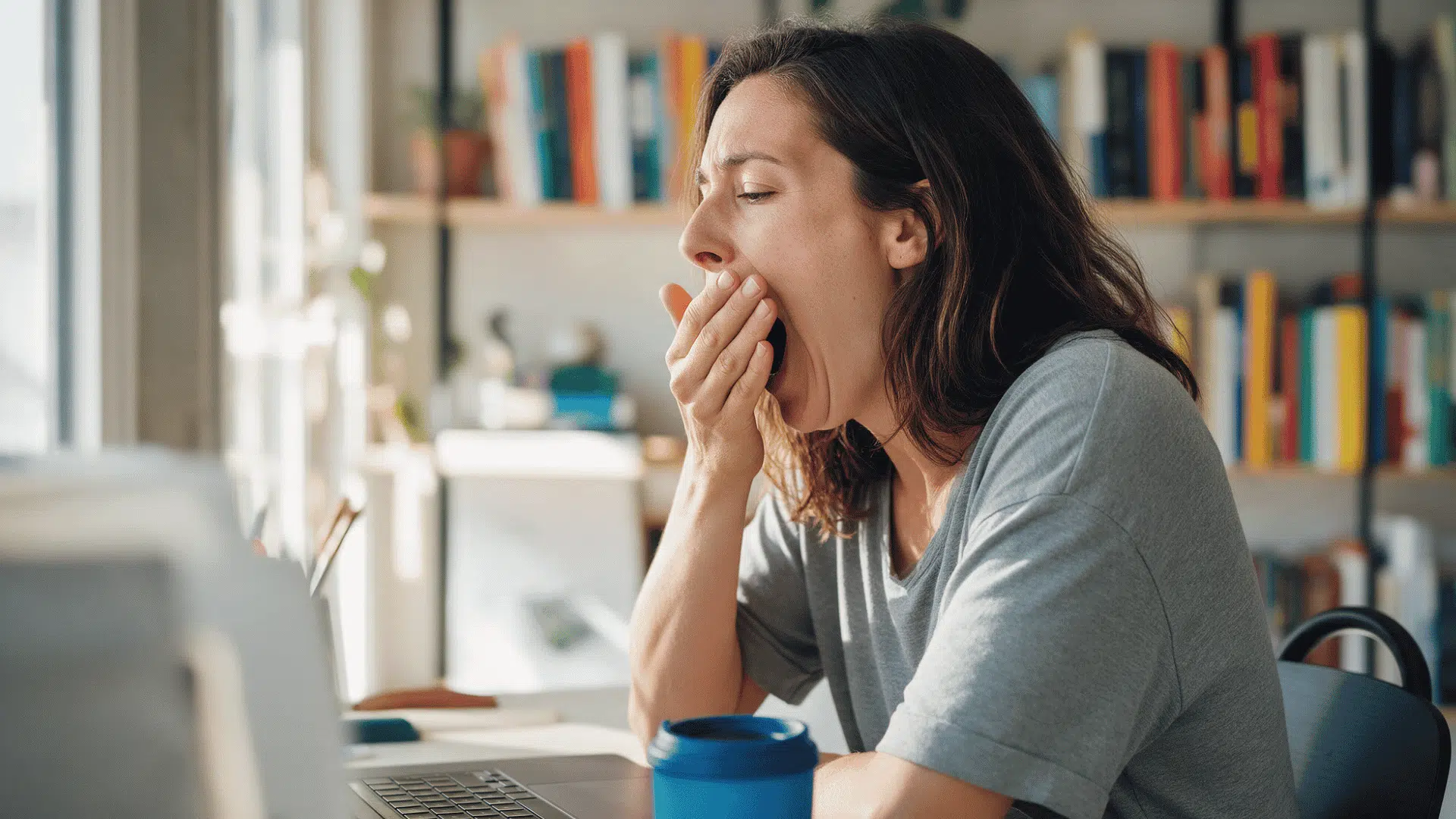

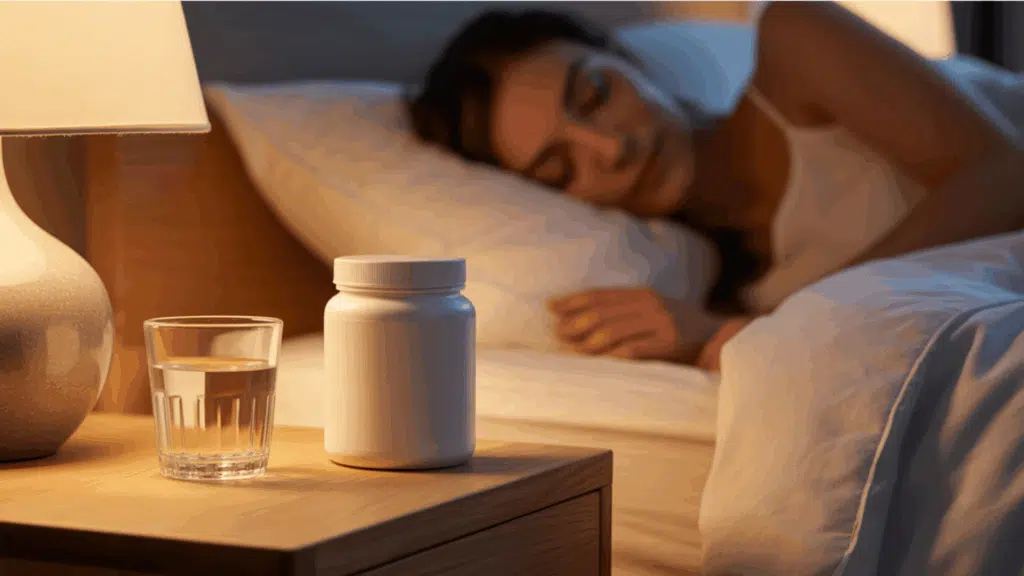
I know how frustrating it feels when you’re tired, but your body just won’t settle down. You try stretching, cutting caffeine, and setting earlier bedtimes, yet sleep still feels off.
That’s where supplements come in, and many people get stuck wondering what type of glycine is best for sleep and whether it even makes a real difference.
With so many forms on the shelf, it’s easy to feel unsure about which actually help and which don’t. Understanding how each type works can save you time, money, and restless nights.
Ahead, I’ll break things down simply, so you can choose the option that fits your sleep needs and nightly routine.
Disclaimer: This article is general information, not medical advice. Talk to a doctor before using glycine or magnesium if you’re pregnant, have kidney/liver issues, take prescription meds, or have ongoing insomnia, loud snoring, or breathing pauses (possible sleep apnea).
Why Glycine is a Popular Nighttime Supplement?
Glycine is becoming popular because many people say it supports a “good night’s sleep” without “knocking you out.” It’s often tried by people who take a long time to fall asleep, wake up easily, or wake up feeling foggy and tired.
Some also use it on nights when their mind won’t slow down, and they can’t fully relax. Another reason glycine gets attention is its “non-habit” reputation.
In simple terms, it’s not usually described like a sleep drug you rely on every night. Think of it as a gentle tool that may take the edge off, not a strong switch that forces sleep. That’s what makes it a low-pressure option to test.
Understanding Glycine

Glycine is a simple amino acid your body uses for many jobs, including supporting the nervous system. It can also act as a neurotransmitter, helping transmit signals in the brain that may support a calmer, more relaxed state.
Your body makes glycine naturally, and you can also get it from protein foods like meat, fish, dairy, and bone broth.
For sleep support, many people take glycine as a supplement, usually in powder or capsule form, making it easy to measure the dose.
You’ll also see glycine mentioned in collagen and gelatin products, which are naturally rich sources.
However, collagen or gelatin isn’t the same as taking pure glycine alone. Pure glycine supplements deliver a more direct, consistent amount.
Benefits of Glycine
Many people try glycine for sleep because it sounds like a simple option that may support better rest without feeling like a strong sleep medication.
While results vary, users often mention a few common reasons they keep it in their bedtime routine. Here are the most talked-about benefits.
- Gentle support without sedation: May improve rest without feeling like a strong sleep aid that “knocks you out.”
- Helps with common sleep struggles: Often used by people who take a long time to fall asleep, wake easily, or feel groggy in the morning
- Calms racing thoughts: May help relax the mind when it won’t slow down at bedtime
- Non-habit forming: Users don’t typically rely on it like a sleep drug, making it a low-pressure option
- Mild “edge-off” effect: Works gently rather than forcing sleep like stronger medications
- Easy to test and track: Simple to try and monitor for effectiveness over time
Consistency matters: Best results come from proper dosing, regular timing, and ongoing use
Results vary: Individual responses differ, but many keep it in their routine for steady sleep support
How Glycine May Improve Sleep Quality?
What the title says exactly, how exactly glycine improves your sleep without acting as a tranquilizer. Here are the main benefits people often look at
1. May Help Your Body Cool Down at Night
There are claims that glycine may help in improving the core temperature of the body. When you go to sleep, your body temperature naturally drops.
This helps people to settle down more easily and stay comfortable throughout the night. A cooler body means less fidgeting.
When your body finds the perfect temperature, it becomes easier to fall asleep quickly and wake up less often during the night.
2. May Help You Feel More Refreshed the Next Day
Some people use glycine because it helps them feel less groggy the next day. Even if sleep time doesn’t change much, they may feel the bright morning energy and improved daytime alertness.
You’ll notice the difference when youre not dragging yourself out of bed or reaching for your fourth cup of espresso for the day.
3. May Support More Restorative Sleep
Glycine may help improve overall sleep, with fewer disturbances and a smoother sleep cycle. Though results may vary and there’s ongoing research, it’s better to use glycine as an aid rather than a quick, guaranteed fix.
The Amino acid works gently in the background rather than knocking you out like sleeping pills. This way, you aim for quality over quantity of sleep, and let your body do its thing.
Glycine for Sleep: What Studies Suggest
Scientific research suggests glycine may improve sleep quality through measurable biological effects.
A well-cited review published in the Journal of Pharmacological Sciences explains that glycine, a non-essential amino acid, plays a role in both calming and excitatory signaling in the brain via glycine receptors and NMDA receptors.
Human studies found that taking glycine before bedtime improved subjective sleep quality, especially in people with mild insomnia tendencies.
One key mechanism appears to be glycine’s ability to lower core body temperature by increasing blood flow to the skin.
Since falling asleep naturally involves a drop in core body temperature, this cooling effect may help the body transition into sleep more smoothly.
Animal and human trials also suggest glycine crosses the blood–brain barrier and supports sleep without acting like a sedative.
Ways to Try Glycine for Sleep (Safely)
Here are three simple ways to try glycine for sleep safely, without turning your bedtime routine into a science project.
Plan A: Glycine Only- take 3 grams about 30–60 minutes before bed. This is the best starting point if you want to see what glycine does on its own.
Plan B: Magnesium Baseline: Try magnesium glycinate (or citrate if it agrees with your stomach) in the evening first, since magnesium may help you relax and unwind.
Plan C: Combine Carefully: lower doses of both, increase slowly, and pause if sleep feels worse or more restless. Track results for 7–14 nights. Focus on: time to fall asleep, night wake-ups, morning energy, and vivid dreams.
Is Glycine Safe for Sleep?
Glycine is commonly used as a gentle sleep aid, and many people use it that way. Most side effects, if they happen, are mild and often related to digestion.
Still, everyone reacts differently, so its only smart to start with a lower dose and see how your body responds to it first.
If you have any ongoing medical concerns, take medications, or are unsure about mixing supplements, it’s best to consult a medical professional.
Glycine is a safe solution, but it shouldn’t be used as a substitute for your natural sleep.
Common Side Effects of Glycine Supplements for Sleep
Glycine is usually well-tolerated, especially at lower doses, but mild side effects can still happen.
- Digestive issues are the most common: bloating, loose stools, nausea, or stomach discomfort (more likely with larger doses).
- Some people report headaches, especially when starting glycine or increasing the dose.
- Others notice slight dizziness or a “light” feeling, particularly if taken close to bedtime.
- A few users feel more “buzzed” or alert instead of calm, which may suggest the dose or timing isn’t right.
- Vivid dreams are occasionally reported and can feel intense for sensitive sleepers.
- Some experience restless sleep or more wake-ups, which may improve by lowering the dose or taking it earlier.
Glycine for Sleep Reviews: What People Report
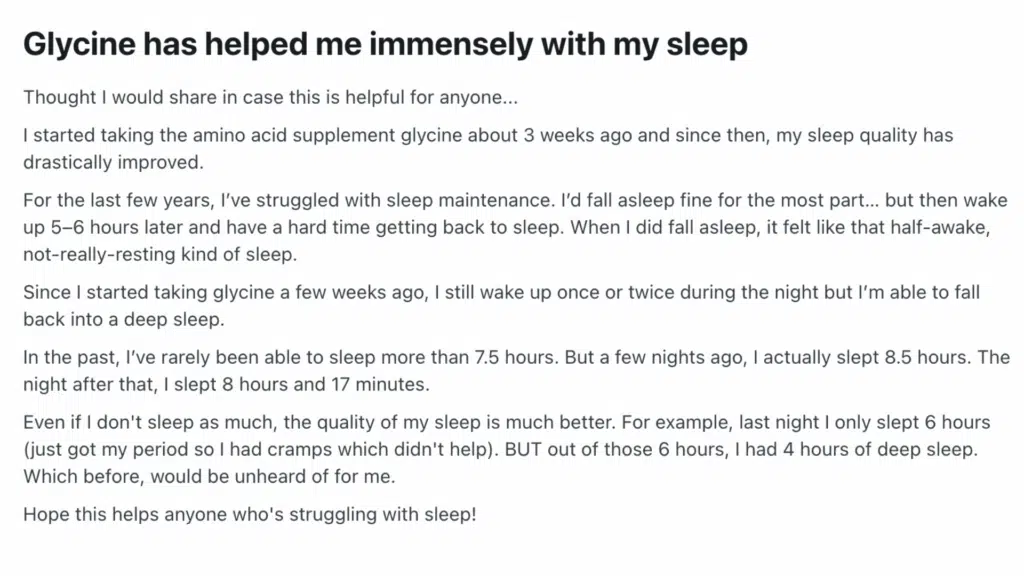
In a popular r/sleep discussion, Reddit user u/Lustwander46 shared that glycine for sleep helped their long-term sleep maintenance issues.
After about three weeks, they reported a big jump in sleep quality, fewer “half-awake” nights, and an easier time falling back asleep after waking.
They also mentioned sleeping longer than usual (over 8 hours on some nights) and feeling like their deep sleep improved even when total sleep time didn’t.
In the replies, u/Fabee777 said magnesium for sleep (magnesium glycinate) didn’t solve the problem and sometimes made them feel half-awake, which is why they were considering glycine.
u/LooseLeaf03 said glycine “knocks me out” but caused morning grogginess. On the other end, u/AntiquePomegranate18 said it did nothing for them.
u/championofthesub tried 5g, fell asleep fast, but woke up more overnight, then planned to test a lower dose. Overall, user reports are mixed, but patterns suggest that dose and timing make a big difference.
Magnesium for Sleep vs. Glycine (And When to Use Each)
Magnesium and glycine are popular supplements for bedtime support, but they work in different ways. Here’s a quick breakdown for both so you can choose what’s best for your sleep.
| Feature | Magnesium (for sleep) | Glycine (for sleep) | Best Fit for You |
|---|---|---|---|
| What It Is | Essential mineral | Amino acid | Choose based on your main issue |
| How It May Help | Calms the nervous system (GABA support), relaxes muscles, and may support melatonin | May lower core body temperature, support calm signaling, and improve next-day alertness | Magnesium = tension/stress; Glycine = “sleep quality” focus |
| Best For | Restless legs, cramps, stress-related wakefulness, and possible low intake | Trouble falling asleep, light sleep, “tired but wired,” groggy mornings | Match to symptoms |
| Typical Timing | 30–60 min before bed | 30–60 min before bed | Keep timing consistent |
| Common Dose | 200–400 mg elemental (form matters) | 3 g (start 1–2 g) | Start low, increase slowly |
| Notes | Citrate may loosen stools | Can cause mild stomach upset in some | Track sleep + side effects |
| Magnesium Glycinate | Magnesium + glycine in one | none | Gentle option for many |
| Together? | Often OK | Often OK | Try one first; stop if sleep worsens |
Bottom line: start with the option that matches your main sleep issue (magnesium for tension/cramps, glycine for sleep quality), keep the timing consistent, and track your results for 7–14 nights; then adjust slowly if needed.
Who Should Talk to a Doctor First
Even though glycine is usually well-tolerated, it’s smart to check with a doctor first in a few situations.
- If you’re pregnant or breastfeeding
- If you have kidney or liver problems
- If you have a neurological or mental health condition (like epilepsy, anxiety, depression, or bipolar disorder)
- If you take prescription medicines, especially: sleep medications, anxiety medications, antidepressants
- Any drug that affects the nervous system
- If you’ve had strong reactions to supplements in the past
- If your insomnia is severe or long-lasting (more than a few weeks)
- If sleep issues come with loud snoring, choking/gasping, or breathing pauses (possible sleep apnea)
- If you have unexplained daytime sleepiness, frequent morning headaches, or you feel unsafe driving due to fatigue
Can You Get Enough Glycine from Food?

You can get glycine naturally from everyday protein foods like meat, fish, eggs, and dairy, and it’s especially higher in collagen-rich options such as bone broth, gelatin, and collagen products.
If you eat enough protein and occasionally include collagen or gelatin, your diet may be enough for general support.
The downside is that it’s hard to measure how much glycine you’re actually getting each day because the amount changes based on the food and portion size. That’s why many people use glycine supplements for sleep: they make dosing simple and consistent.
With a supplement, you can take a steady bedtime amount (often around 3 grams) without guessing, and you can adjust the timing or dose to see what works best for you.
Bottom line
By now, you’ve seen that magnesium can support sleep, but the form you choose matters. Some types focus more on muscle tension, while others support calm nerves and better rest.
I’ve shared how different options work, which symptoms they best match, and why starting slow makes sense. The goal isn’t to force sleep, but to support your body so rest comes easier.
If sleep still feels off, tracking timing, dose, and how you feel in the morning can help guide small changes.
When you’re ready to test supplements wisely, knowing what type of magnesium is best for sleep gives you a solid starting point. Try one approach, see how your body responds, and explore related sleep guides here for deeper support.