

Buying a mattress can get confusing fast. I’ve seen beds promise “cool sleep” and “perfect support,” but those words don’t always match what you feel at home.
That’s why I’m keeping this simple and focusing on the big choice most people face: hybrid vs foam mattress.
In this guide, I’ll explain what each mattress is made of and how it feels when you lie down. I’ll also cover support, pressure relief, cooling, motion transfer, and how long each type usually lasts.
You’ll see a quick comparison table, the common problems shoppers run into, and the mistakes I suggest avoiding. By the end, you’ll know which one fits your sleep style and budget best.
Mattress Types and How They Feel
Mattresses now come in a few main builds. Each one changes how the bed supports you, how cool it sleeps, and how “springy” it feels.
- Innerspring: Built with metal coils for bounce and airflow. Feels supportive and easy to move on, but some sleepers find it too firm.
- Latex: Naturally responsive, slightly bouncy, and often cooler than foam. It can feel premium and durable, but the price is usually higher.
- Foam: Contours to your body for pressure relief and strong motion isolation. Great for side sleepers, though some foams can sleep warm.
- Hybrid: Mixes foam comfort layers with coil support underneath. Aims to balance cushioning, airflow, and stability for many sleep styles.
Most shoppers end up choosing between hybrids and foam models because they’re widely available, fit many sleeping styles, and often offer strong comfort for the price.
If you want hug-like pressure relief, foam is a solid pick. If you wish to airflow and bounce with comfort, hybrids often feel like the middle ground.
What is a Hybrid Mattress?
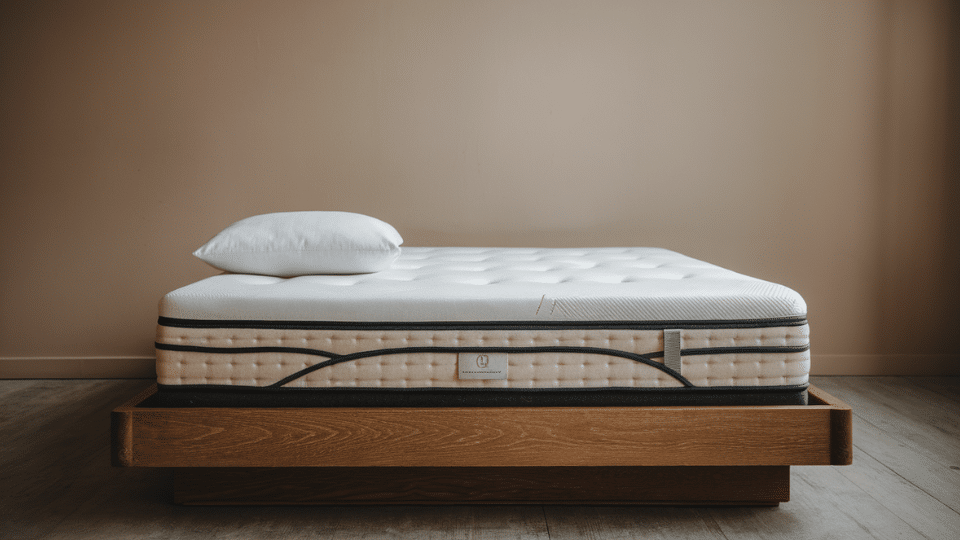
A hybrid mattress blends two systems, the support of metal coils and the comfort of foam layers, to deliver balanced cushioning and stability.
The coils offer lift, airflow, and edge strength, while the upper foams contour to pressure points for comfort. Sleeping on a hybrid feels more “on” the bed than “in” it, with a springier response suited for active sleepers.
Hybrids typically stay cooler and resist sagging better than pure foam beds, making them ideal for hot or heavier sleepers.
However, they’re heavier, more expensive, and can produce slight coil noise over time, especially in cheaper builds.
What is a Foam Mattress?

A foam mattress consists of layered foams like memory foam or polyfoam. Memory foam contours to the body for pressure relief and motion isolation, while polyfoam offers a lighter, firmer feel with more bounce.
The signature “hug” of foam makes it popular among side sleepers and couples seeking a quiet, contouring surface.
Yet that same sink-in comfort can cause heat buildup, especially in dense or non-gel foams, and may feel restrictive to restless sleepers.
Lower-density foams also lose shape faster, leading to sagging or soft spots over time. Still, for many, the combination of silence, cushioning, and affordability keeps foam mattresses a top pick.
Comparison Table: Hybrid vs Foam Mattress
Here’s a quick look at how these two popular mattress types differ in real-world performance.
| Feature | Hybrid Mattress | Foam Mattress |
|---|---|---|
| Support | Strong coil base offers better lift and spine alignment | Foam adapts closely but may lack support for heavier users |
| Motion Isolation | Minimal transfer, though coils can add slight bounce | Excellent. Absorbs movement almost completely |
| Cooling | Coils promote airflow and cooler sleep | Can trap heat unless infused or ventilated |
| Durability | 8–10 years if built well | 6–8 years, depending on foam density |
| Price | Higher upfront but lasts longer | More affordable for short-term use |
Each difference matters differently depending on your body type, sleep position, and climate. Use this table as a reference, not a scorecard, to see which traits align with your comfort priorities.
Where These Mattresses Lack
Buying a mattress can feel simple until you look closer. Many common issues only appear after a few months of sleep, and most buyers never see them coming.
- Foam mattresses often sag over time, especially low-density models that lose firmness under heavier bodies.
- Hybrid mattresses can creak, transfer motion, or feel uneven if the coil gauge is too thin or the foam layers are poorly bonded.
Marketing traps like “premium foam” or “pocket coils” sometimes mask cheap materials. Always check foam density, coil count, and warranty fine print.
Being alert before purchase saves you years of sleep discomfort and hundreds in replacement costs later.
Long-Term Value: The Real Cost of Comfort
The mattress that costs less today might not be the smarter investment tomorrow. True value lies in how long the bed supports you comfortably, not its initial price tag.
A $500 foam mattress may seem like a steal, but if it sags within four years, you’ll pay more to replace it than to buy a durable hybrid upfront.
Meanwhile, a $1,000 hybrid lasting eight to ten years often wins in cost-per-night comfort. Consider density, coil quality, and trial coverage as part of value, not extras.
Choosing with longevity in mind turns a purchase into a restful decade instead of a recurring expense.
Common Mistakes to Avoid
Buying a mattress is often rushed or guided by flashy marketing, but small mistakes here can cost years of poor sleep and unnecessary replacements.
- Falling for labels like “orthopedic” or “cooling” without checking specs, most are just marketing terms.
- Ignoring density and coil quality, they directly determine lifespan and support.
- Choosing the wrong firmness for your body weight or sleep position, leading to back or shoulder pain.
- Skipping trial and warranty details, limited policies often hide return costs or exclusions.
- Buying on price alone, cheaper foam or hybrid models can degrade within a few years.
The best mattress choice starts with awareness. Read specs, test if possible, and trust comfort over hype, informed buying is the real shortcut to sleep better.
Checklist to Know Which One to Choose
1. Based on Body Type & Sleep Position
- Light Side Sleepers: Foam for contour and softness eases pressure on shoulders and hips.
- Heavy or Combo Sleepers: Hybrid for lift and support, resists sagging, and maintains spinal alignment.
- Back Sleepers Between 130–200 lbs: Either works, but pick a hybrid if you prefer a firmer, buoyant feel.
2. Based on Climate & Heat Sensitivity
- Hot or Humid Rooms: Hybrid for better airflow and cooler nights.
- Cool or Air-Conditioned Rooms: Foam works fine and retains gentle warmth.
- Extra Sweaty Sleepers: Look for gel-infused or open-cell foam instead of standard memory foam.
3. Based on Budget & Durability
- Tight Budget or Short-Term Setup(guest Room, Rental): Foam is cost-effective.
- Long-Term Investment: Hybrid lasts longer with better edge support.
- Want the Best of Both: Mid-range hybrid often delivers value without high-end pricing.
Final Thoughts
At the end of the day, I think the “right” mattress is the one that keeps your body comfortable night after night. If you want more bounce, stronger edges, and cooler sleep, a hybrid can be a smart pick.
If you want a softer, quieter bed that cushions your hips and shoulders, foam may feel better. I also don’t ignore the small details, like foam density, coil quality, and what the trial and warranty really cover.
Those things can decide whether your bed feels great for years or starts sagging too soon.
Now it’s your turn: tell me how you sleep (side, back, or combo) and your budget, and I’ll help you narrow down your best option.