

I know how hard it is to start your day when you feel off-balance. You wake up tired, and your head feels light or foggy. It makes you wonder, can lack of sleep cause dizziness?
This feeling can show up after a short night, and it often catches you off guard. When nothing else seems wrong, it helps to understand what your body is trying to tell you.
In this guide, I’ll walk you through the simple reasons your body reacts this way. You’ll learn what dizziness can mean, how poor sleep triggers it, what you can do right now to feel steady, and when it may be time to get medical help. Let’s break it down step by step.
How to Tell What Kind of Dizziness You Have?
Before you blame lack of sleep, it helps to name the type of dizziness you feel, since “dizzy” can mean a few different things.
- Lightheadedness: This can feel like you might faint, with a “floaty” head or sudden weakness. It often shows up when you stand up too fast, skip meals, do not drink enough water, or run on very little sleep.
- Vertigo: This feels like spinning, the room moving, or motion, even when you are still. It often links to inner ear problems or migraine patterns. Poor sleep can make it feel worse, but it is not always the only cause.
- Unsteadiness (balance trouble): This can feel like wobbling while walking, feeling “off” in busy places, or needing to hold onto something. It is common when you are tired because your coordination and balance control are not as sharp.
Once you match your symptoms to one of these, the next steps get much clearer.
How Medical Experts Define Dizziness vs. Vertigo
Clinicians separate general dizziness from true vertigo because the word “dizzy” can describe several sensations.
According to MedlinePlus from the NIH, dizziness may feel like faintness, lightheadedness, or unsteadiness, while vertigo is the clear sense that you or the room is spinning. This distinction guides diagnosis, since vertigo often relates to inner ear or migraine patterns.
At the same time, lightheadedness and unsteadiness can be linked to dehydration, low blood pressure, missed meals, illness, or sleep loss, stacking with these triggers. Spinning or new neurological symptoms need medical care.
Can Sleep Deprivation Cause Dizziness & How Does It Affect Your Balance
Now that you know why sleep loss can trigger dizziness, it helps to spot the common patterns so you can connect the feeling to your day.
| What you may notice | When it may show up |
|---|---|
| Brain fog | In the morning, after a short sleep |
| Heavy eyes | In the afternoon, when you crash |
| Mild nausea | After a nap, especially if you wake from deep sleep |
| Trouble focusing | During long work or screen-heavy hours |
| Feeling worse with screens | Later in the day, when your eyes feel strained |
| Feeling worse in bright lights | In busy places or under harsh lighting |
| Feeling worse when you move your head quickly | When you stand up fast or turn quickly |
If these signs match your pattern, improving sleep, hydration, and meal timing often helps you feel steadier.
Can Being Tired Make You Dizzy During the Day?
Feeling wiped out after a short night can leave you wondering, can being tired make you dizzy or unsteady?
For many people, the answer is yes, especially when poor sleep combines with dehydration, skipped meals, or too much caffeine.
Common Add-Ons That Make Dizziness Worse
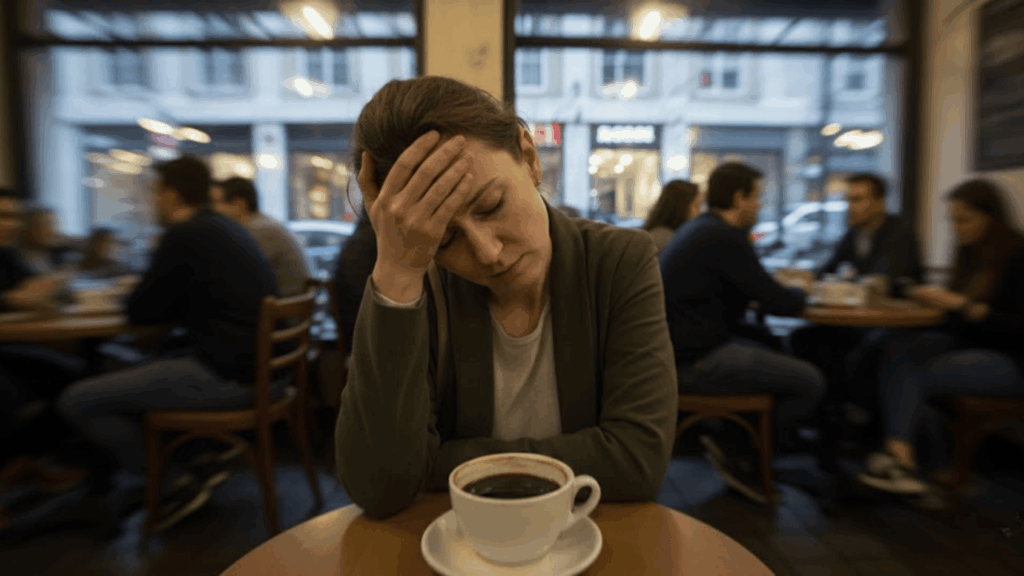
Sleep loss is often only part of the story, and dizziness usually shows up when a few small things stack together.
If you have been tired, busy, and running on autopilot, these common add-ons can quietly push you from “fine” to lightheaded or off-balance.
- Caffeine: Too much can cause jitters that feel like dizziness, and it can also hurt sleep later.
- Alcohol: It can disrupt your sleep and leave you dehydrated in the morning.
- Meals: Skipping meals or going too long without food can drop blood sugar and trigger lightheadedness.
- Water: Not drinking enough can lead to dehydration, weakness, and dizzy spells.
- Heat: Hot showers or hot weather can cause a headache for some people.
- Screens: Long screen time can increase eye strain and motion sensitivity.
- Workouts: Hard training without recovery can combine sweat loss with low sleep.
Once you spot which triggers tend to pile up on your low-sleep days, you can make small changes that help you feel steady again.
Scientific Explanation: How Sleep Loss Can Affect Balance Control
Research shows that balance depends on signals from your eyes, your inner ear, and your body position sensors working together.
A systematic review in Frontiers in Neuroscience found that acute sleep deprivation can reduce postural control, meaning your brain becomes slower at correcting small shifts that keep you steady.
This can lead to wobbliness, clumsiness, slower reactions, and feeling “off” in busy visual settings like bright lights or screens.
Sleep loss can also stack with dehydration, caffeine jitters, and irregular meals, lowering your buffer and making dizziness more noticeable.
Other Causes People Mistake for Sleep Deprivation Dizziness
Even if poor sleep is part of the picture, dizziness can also come from other issues that look very similar, so it helps to compare patterns.
| Possible cause | What it often feels like |
|---|---|
| Inner ear problems | Spinning vertigo, worse with head movement, nausea |
| Vestibular migraine | Dizziness with or without head pain, light sensitivity, motion sensitivity |
| Low iron (anemia) or low B12 | Fatigue, weakness, shortness of breath with effort |
| Blood sugar issues | Shakiness, sweating, feeling better after eating |
| Low blood pressure | Head rush when standing, faint feeling, better when you sit or lie down |
| Heart rhythm issues | Fast or irregular heartbeat, fainting or near-fainting, shortness of breath |
| Medication side effects | Dizziness after starting or changing meds (often blood pressure meds, anxiety meds, sleep aids, allergy meds) |
If dizziness started soon after a medication change, or these patterns fit you better than sleep loss, it is smart to get medical guidance.
When Dizziness Needs Urgent Medical Care
If dizziness feels intense, unsafe, or comes with other serious symptoms, get urgent medical help right away.
Go to urgent care or the ER if you have dizziness with chest pain, trouble breathing, or fainting. You should also seek help if you notice one-sided weakness or numbness, face droop, trouble speaking, new confusion, or new vision loss.
A sudden, severe headache or a recent head injury also needs urgent attention. If you cannot walk safely, do not try to push through it.
Also, get help if dizziness is sudden and severe or keeps coming back with no clear reason.
What to Do When You Feel Dizzy Right Now
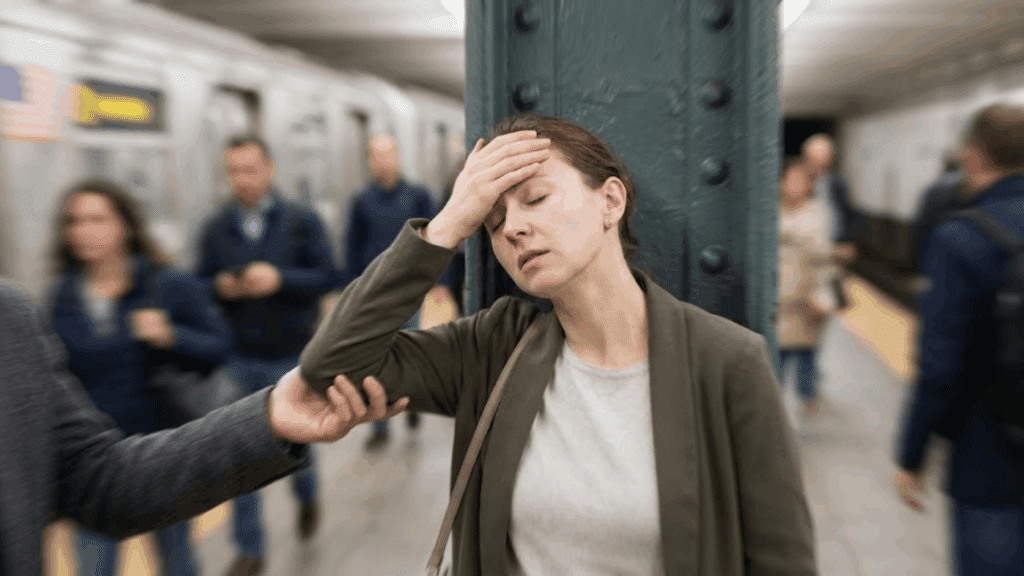
When dizziness hits, it is easy to panic and move too fast, which can make the feeling worse. Use these steps to steady yourself first, then decide what to do next once you feel safer.
Step 1: Get safe. Sit down or lie down, keep your head still for a minute, and look at one steady point.
Step 2: Slow your breathing. For 2–3 minutes, breathe in through your nose for 4 seconds, then breathe out slowly for 6 seconds. Fast, shallow breathing can make dizziness worse.
Step 3: Hydrate and eat a small snack. Sip water slowly. If you have not eaten, have something small like a banana, yogurt, toast with peanut butter, or crackers and cheese.
Step 4: Stand up slowly. Move from lying to sitting first, wait 30–60 seconds, then stand up slowly. Tighten your calves a few times before you stand.
Step 5: Avoid risky activities. Until you feel steady, avoid driving, climbing ladders, or using heavy tools.
If you feel better after these steps, keep things calm for the next few hours and try to rest, hydrate, and eat regular meals. If symptoms stay strong, return often, or match the urgent warning signs, get medical help.
7-Day Sleep Reset Plan (To Help You Feel Steady Again)
If your dizziness lines up with poor sleep, this simple plan can help you reset your routine without doing too much at once.
| Days | Main goal | What to do |
|---|---|---|
| Day 1–2 | Set one wake time | Pick a wake time you can keep and stick to it every day. A steady wake time helps your body clock recover faster. |
| Day 3–4 | Clean up caffeine and night habits | Stop caffeine 8 hours before bed, drink more water earlier in the day, eat a real dinner (not just snacks), and avoid alcohol close to bedtime. |
| Day 5–7 | Build a simple wind-down routine | Dim lights 60 minutes before bed, put your phone away (or use low light settings), and do a calm routine like a shower, stretching, quiet music, or reading. |
If you sleep enough hours but still feel dizzy, you may have poor sleep quality.
Common causes include insomnia, loud snoring with daytime fatigue, waking up gasping, or restless sleep, and it is worth talking with a clinician if that sounds like you.
Bottom Line
Now that you understand how sleep can influence your balance, it becomes easier to notice patterns in your day. When you ask, can lack of sleep cause dizziness? The signs often make more sense once you see how your body reacts to short nights.
You learned how different forms of dizziness feel, what triggers matter most, and which steps help you feel steady again. You also know the warning signs that need medical care, so you can act sooner and stay safe.
Take your time and try the ideas that fit your routine. If you want more simple health tips and easy guidance, feel free to look through my other posts.