

Getting ready for bed usually means doing less, not adding another activity to the schedule. Still, the right kind of movement can make the transition from a busy day to bedtime easier. Vibration plates have become popular for exercise, balance work and muscle recovery, but they may also have a place in an evening routine.
A short, low-intensity session can loosen muscles and give you a defined point at which daytime activity starts winding down. The goal is not to squeeze in a workout before bed. It is to use gentle movement as part of a routine that prepares your body for rest.
Keep Evening Sessions Gentle
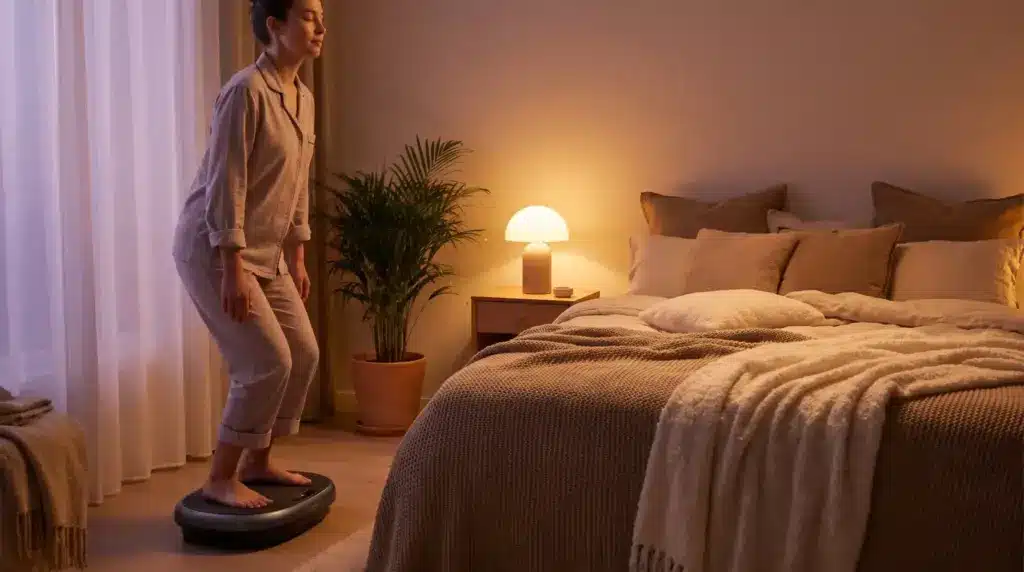
Using a vibration plate at night calls for a different approach than using one during a daytime workout. Higher settings, challenging squats and exercises that raise your heart rate may leave you feeling more alert when you actually want to settle down. A slower session can focus instead on comfortable standing positions, light knee bends or gentle stretches.
If you’re shopping for the best vibration plate for nighttime use, pay attention to adjustable intensity settings, stability, noise and ease of operation. Being able to start at a low setting matters more for an evening routine than having the most aggressive vibration available. A loud machine with complicated controls is not exactly a persuasive invitation to relax at 10:30 p.m.
Keep your first few sessions short, perhaps five to 10 minutes, and see how your body responds. Some people may prefer using the plate immediately before their normal wind-down routine, while others may find it works better 30 to 60 minutes before bed. Comfort should guide the timing.
Release Tension From the Day
Hours spent sitting at a desk, driving, exercising or simply being on your feet can leave muscles feeling tight by evening. Gentle vibration provides repeated mechanical stimulation that can make movement feel easier and encourage you to loosen areas that have stiffened throughout the day. Pairing a vibration plate with simple stretches can turn those few minutes into a practical transition between activity and rest.
Try keeping your knees slightly bent rather than locking them while standing on the plate. You can also change positions to target different areas without turning the session into a strenuous workout. Calf stretches, gentle leg movements and supported positions may feel particularly welcome after a long day.
This routine can also establish a useful bedtime cue. Repeating the same sequence each evening tells you that work, errands and household tasks are finished. That behavioral consistency matters because good sleep habits often depend as much on routine as they do on the bedroom itself.
Build a Better Sleep Setup

A vibration plate should complement a comfortable bedroom rather than compensate for one that makes sleep difficult. Temperature, light, noise and physical support all influence how easily you settle in for the night. Once your brief vibration session ends, moving directly into a predictable sequence can reinforce the shift toward sleep.
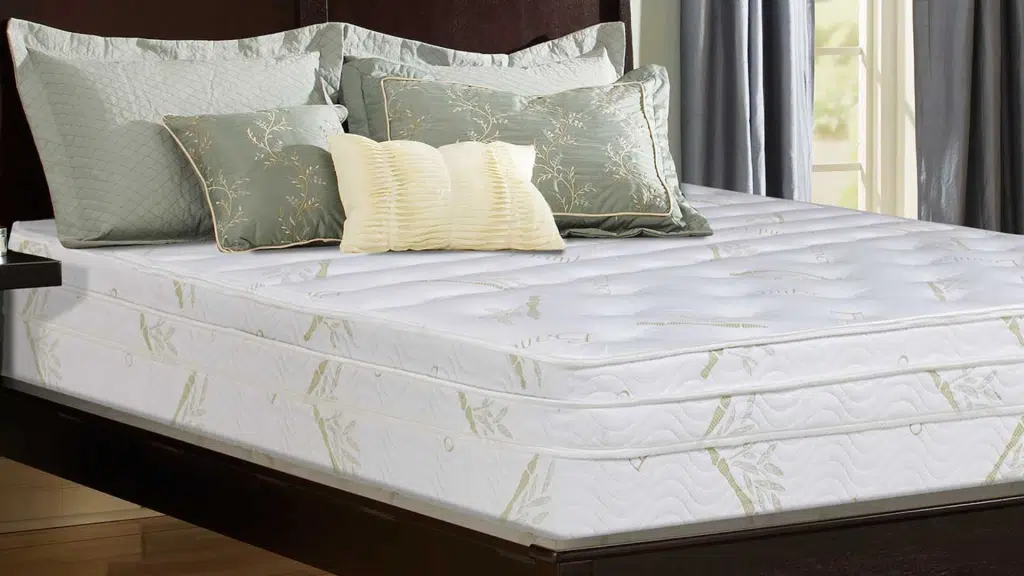
Your mattress and pillow should support a comfortable sleeping position, while adjustable bed frames can give some sleepers greater control over how they position their upper or lower body. The ideal arrangement varies considerably from person to person, which is why comfort deserves more attention than chasing a supposedly perfect sleep position.
Keep lighting lower as bedtime approaches and consider putting stimulating activities aside after your vibration session. Instead of finishing five minutes on the plate and immediately opening work email, use the session as the boundary between the active and restful portions of your evening. Reading, showering or listening to relaxing audio can follow naturally.
Avoid Turning It Into Exercise
The biggest mistake with nighttime vibration plate use may be treating it like another opportunity to train. Vibration plates can support demanding exercises, but bedtime is generally not when you want to test your squat endurance. Vigorous exercise affects everyone differently, and an intense session too close to bed may leave some people feeling energized rather than sleepy.
For evening use, reduce both intensity and complexity. You do not need weights, resistance bands or an elaborate circuit. Standing comfortably for short intervals and adding a few easy movements may be enough. If you notice that vibration makes you feel more awake, simply move the session earlier in the evening.
Pay attention to your own sleep patterns instead of assuming one schedule works for everyone. Track roughly when you use the plate, how long you stay on it and whether falling asleep seems easier or harder afterward. After a week or two, you should have a better sense of whether the habit deserves a permanent spot in your routine.
Make Consistency the Priority
No piece of fitness equipment can replace the foundations of healthy sleep. A regular bedtime, a comfortable bedroom and enough time allocated for sleep still matter. Think of a vibration plate as one possible addition to that larger routine rather than a shortcut to deeper sleep.
Consistency can make the habit especially useful. A five-minute session followed by the same familiar bedtime activities creates a repeatable sequence that requires very little planning. You finish the day, use the plate, get ready for bed and allow the pace of the evening to slow.
If gentle vibration feels comfortable and helps you release some of the day’s physical tension, it may earn a place alongside stretching, reading and other familiar nighttime habits. Keep the sessions easy, avoid chasing workout-level intensity and judge the routine by the result that matters most: whether you feel ready to sleep when your head finally reaches the pillow.