

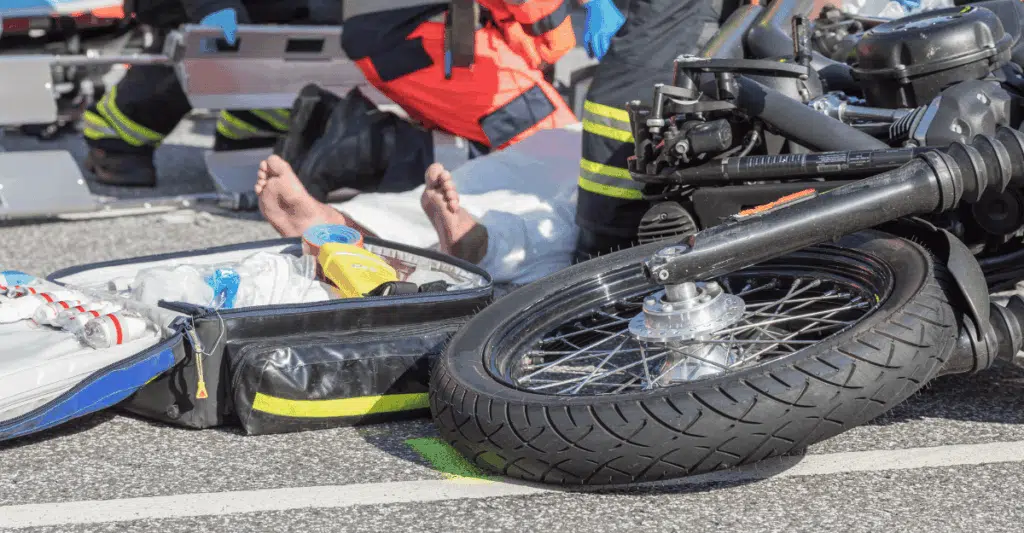
Riding a motorcycle through West Columbia, South Carolina—whether commuting across the Gervais Street Bridge into Columbia, cruising down Augusta Road (US-1), or traveling along the busy stretches of Sunset Boulevard (US-378) and Interstate 26—offers a sense of freedom that few other vehicles can replicate. However, motorcyclists face unique vulnerabilities on the road. When a collision occurs, navigating the legal recovery process requires a firm understanding of South Carolina state statutes and local legal procedures.
Motorcycle accident claims are governed by a distinct framework of state statutes, insurance mandates, and comparative fault principles. Consulting with experienced West Columbia motorcycle accident lawyers can help injured riders understand how these legal statutes directly impact their right to financial compensation following a crash.
This guide provides a detailed breakdown of how motorcycle accident laws apply in West Columbia, Lexington County, and throughout South Carolina.
1. South Carolina’s Fault System and Comparative Negligence
South Carolina operates as a traditional “at-fault” (or tort) state when it comes to motor vehicle accidents. This means the party responsible for causing the crash is financially liable for the resulting physical injuries, property damage, and non-economic losses.
Modified Comparative Fault (The 51% Rule)
In many motorcycle collisions, liability is not entirely one-sided. Insurance adjusters often attempt to assign a portion of fault to the motorcyclist, alleging speeding, improper lane positioning, or inadequate reaction time.
Under South Carolina Code § 15-38-15, the state follows a modified comparative negligence standard with a 51% bar:
- Recovery Threshold: An injured rider can recover financial compensation as long as their proportion of fault is 50% or less. If a rider is found to be 51% or more at fault for the crash, they are legally barred from recovering any damages from the other party.
- Proportional Reduction: If the rider is eligible for compensation, their monetary award is reduced in direct proportion to their percentage of fault.
Comparative Fault Example:
- Total Damages Assessed: $100,000
- Rider’s Assigned Fault: 20% (e.g., for exceeding the posted speed limit slightly)
- Driver’s Assigned Fault: 80% (e.g., for failing to yield while turning left)
- Final Financial Recovery: $80,000 ($100,000 minus 20%)
Because insurance companies frequently utilize bias against motorcyclists to inflate a rider’s percentage of fault above 50%, establishing clear liability through physical evidence, eyewitness testimony, and accident reconstruction is essential.
2. Specific South Carolina Motorcycle Laws and Regulations
Motorcyclists in West Columbia are subject to specific traffic laws defined under Title 56, Chapter 5 of the South Carolina Code of Laws. Adhering to these statutes affects road safety and impacts the evaluation of negligence in legal claims.
Helmet and Eye Protection Requirements (SC Code § 56-5-3660)
- Riders Under 21: Drivers and passengers under the age of 21 must wear an approved safety helmet fitted with a chin strap.
- Riders 21 and Older: Adult riders are legally permitted to ride without a helmet in South Carolina.
- Eye Protection: Any operator under 21 must wear an approved face shield or goggles unless the motorcycle is equipped with a state-compliant wind screen.
Legal Impact of Non-Use: Under South Carolina law, failing to wear a helmet if you are over 21 cannot be used as evidence of contributory negligence to diminish your financial recovery for injuries caused by another driver. However, insurance defense teams often attempt to argue that head injuries could have been mitigated, making clear legal advocacy necessary.
Equipment and Operating Rules (SC Code § 56-5-3640 & § 56-5-3650)
- Full Lane Usage: A motorcycle is entitled to the full use of a lane. Motor vehicles are prohibited from driving in a manner that deprives a motorcycle of the full use of a lane.
- Lane Splitting is Illegal: Riding between lanes of traffic or between adjacent lines or rows of vehicles (commonly known as “lane splitting” or “lane filtering”) is explicitly illegal in South Carolina.
- Riding Abreast: Motorcycles may not be operated more than two abreast in a single lane.
- Required Equipment: Motorcycles must be equipped with functional rearview mirrors, footrests for passengers (if carrying a passenger), turn signals, and headlights that remain illuminated during operation. Handlebars must not elevate the operator’s hands above shoulder height when seated.
3. Statute of Limitations for Motorcycle Accidents in SC
A statute of limitations sets a strict deadline for filing a lawsuit in civil court. Missing this deadline permanently forfeits your right to seek compensation through the judicial system.
Personal Injury and Property Damage Claims
Under South Carolina Code § 15-3-530, the standard statute of limitations for personal injury and property damage resulting from a motorcycle accident is three (3) years from the date of the crash.
Claims Involving Government Entities
If your crash occurred due to a dangerous road defect (such as an unmaintained pothole on state routes like US-1) or involved a vehicle operated by a government entity (such as a municipality or state agency), the claim falls under the South Carolina Tort Claims Act (SCTCA):
- Filing Period: The statute of limitations is shortened to two (2) years from the date of the incident (or up to three years if a formal administrative claim is filed properly within the initial timeframe).
- Notice Requirements: Mandatory administrative notice requirements apply prior to filing suit.
4. Insurance Requirements and Coverage Options in South Carolina
South Carolina law mandates that all registered motor vehicle owners carry minimum levels of liability insurance. Understanding these insurance frameworks is critical to securing proper recovery.
Mandatory Minimum Liability Limits
In South Carolina, vehicle owners must carry at least:
- $25,000 for bodily injury or death per person in a single accident.
- $50,000 total for bodily injury or death per accident (multiple victims).
- $25,000 for property damage per accident.
Given the severe nature of motorcycle accident injuries—such as traumatic brain injuries, spinal cord damage, complex fractures, and severe road rash—minimum coverage limits ($25,000) are frequently exhausted quickly by emergency medical treatment alone.
Uninsured Motorist (UM) Coverage
South Carolina law requires every auto insurance policy to include Uninsured Motorist (UM) coverage equal to the minimum liability limits ($25/50/25). If you are struck by a driver who carries no insurance, or by a hit-and-run driver, your own UM policy steps in to pay for damages.
Underinsured Motorist (UIM) Coverage
Underinsured Motorist (UIM) coverage protects you if the driver who hit you has insurance, but their policy limits are insufficient to cover your total losses. While insurance companies in South Carolina are legally required to offer UIM coverage, policyholders can reject it in writing. Reviewing your policy to ensure adequate UIM limits is one of the most effective ways to protect yourself against severe financial loss.
5. Common Causes of Motorcycle Accidents in West Columbia
West Columbia’s road network presents specific high-risk areas for motorcyclists. Traffic bottlenecks around major intersections—such as Knox Abbott Drive near the riverfront, Sunset Boulevard near Lexington Medical Center, and the I-26 interchange corridors—see high traffic volumes and frequent lane changes.
Common causes of local motorcycle crashes include:
- Left-Turn Collisions: Drivers turning left across oncoming traffic at intersections often fail to notice approaching motorcyclists due to visual inattention or speed misjudgment.
- Distracted Driving: Drivers using mobile devices or navigation systems in heavy traffic corridors fail to maintain lane discipline or stop in time.
- Blind Spot Accidents: Passenger cars and commercial trucks changing lanes on I-26 or Augusta Road without checking blind spots thoroughly.
- Hazardous Road Conditions: Uncut vegetation obstructing sight lines at city intersections, gravel on turns, or poorly marked road construction zones.
6. Types of Compensation Available to Injured Motorcyclists
When another driver’s negligence causes a motorcycle crash, the injured party can seek economic and non-economic damages under South Carolina personal injury law.
Category | Description | Examples |
Economic Damages | Direct financial losses with verifiable monetary values | Medical bills, emergency transport, surgeries, physical therapy, lost wages, future lost earning capacity, motorcycle repair or replacement costs. |
Non-Economic Damages | Subjective, non-monetary losses affecting quality of life | Physical pain and suffering, emotional distress, permanent disability, disfigurement, loss of enjoyment of life. |
Punitive Damages | Additional financial penalties meant to punish severe misconduct | Awarded under SC Code § 15-32-520 if there is clear evidence of willful, wanton, or reckless conduct (e.g., drunk driving). |
7. Crucial Steps to Take After a Motorcycle Accident in West Columbia
Taking immediate, structured steps following a motorcycle crash helps protect both your health and your legal rights:
- Call Emergency Services (911): Request law enforcement and medical aid immediately. Ensure the West Columbia Police Department or the South Carolina Highway Patrol completes an official collision report (Form FR-10).
- Seek Prompt Medical Evaluation: Even if you feel fine due to adrenaline, underlying injuries such as internal bleeding or concussions may not show immediate symptoms. Immediate medical documentation creates an objective link between the crash and your injuries.
- Document the Scene: If physically able, take photos and videos of all vehicles involved, road surface conditions, skid marks, traffic signals, and visible injuries. Collect contact information from eyewitnesses.
- Notify Your Insurance Company: Report the crash to your insurer promptly, providing factual details without speculating on fault or minimizing your injuries.
- Avoid Giving Recorded Statements: Do not provide recorded statements or sign settlement releases for the opposing driver’s insurance adjuster before consulting with legal counsel.
8. Navigating the Legal Process in Lexington County
Accident claims in West Columbia are primarily adjudicated within the Eleventh Judicial Circuit of South Carolina, centered at the Lexington County Judicial Center in Lexington, SC.
Resolving a claim typically involves:
- Investigation & Evidence Gathering: Collecting police reports, traffic camera footage, medical records, and expert opinions.
- Demand and Negotiation: Submitting a formal settlement demand detailing liabilities and total damages to the insurance carrier.
- Litigation: If the insurance provider refuses a fair settlement offer, filing a formal summons and complaint in the Lexington County Court of Common Pleas to initiate civil litigation.