
Sleep and skin health are more closely connected than most people realise. While you sleep, the body enters its most active phase of cellular repair — collagen production increases, inflammatory markers reduce and the skin renews itself at a rate that simply does not occur during waking hours. Anything that supports the quality of that repair window has a compounding effect on both how you look and how well you feel.
LED light therapy is gaining significant attention for its ability to support both of these areas, and the technology has advanced to the point where professional-grade results are increasingly achievable at home.
How LED Light Therapy Works
LED light therapy uses specific wavelengths of red and near-infrared light to penetrate the skin and work at a cellular level. The light is absorbed by the mitochondria in skin cells, triggering an increase in adenosine triphosphate production — the energy that powers cellular repair, collagen synthesis and regeneration. Unlike UV light, red and near-infrared wavelengths carry no risk of skin damage, making them safe for regular daily use without downtime or side effects.
The effects on skin health are well documented in peer-reviewed research. A 2014 randomised controlled trial published in Photomedicine and Laser Surgery found significant improvements in skin tone, texture and collagen density in participants treated with combined red and near-infrared light compared to controls. A 2013 study in the same journal found statistically significant reductions in fine lines and skin roughness following consistent LED treatment.
The Evening Routine Advantage
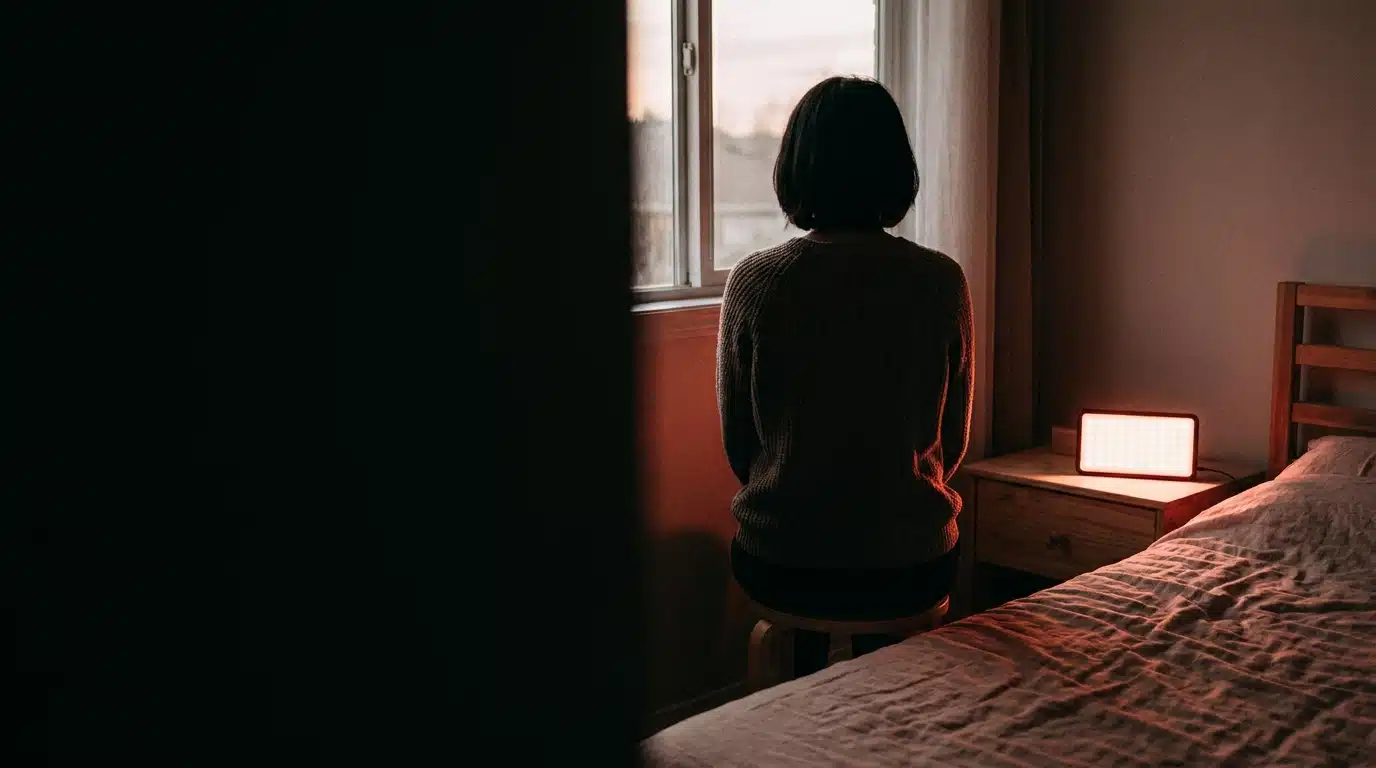
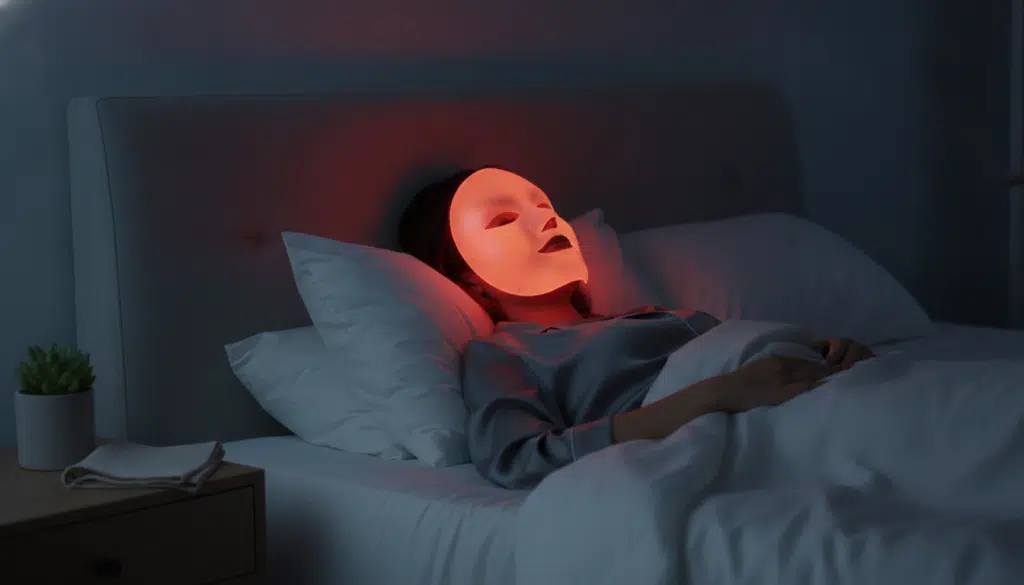
One of the less discussed benefits of LED light therapy is its compatibility with an evening wind-down routine. Unlike blue-spectrum light from screens and overhead lighting, red wavelengths do not suppress melatonin production. Incorporating a short LED session in the evening therefore does not interfere with sleep onset — and some research suggests it may actively support natural melatonin timing, which translates to faster sleep onset and improved sleep quality over time.
This makes an evening LED session a practical addition to a pre-sleep routine, supporting skin repair during the night that follows while actively contributing to the sleep quality that drives that repair.
Professional Results at Home
The gap between clinical and home-use LED devices has narrowed considerably in recent years. A professional led light therapy machine designed for home use now delivers wavelengths and irradiance levels consistent with those used in published clinical research, without the cost or inconvenience of clinic visits. StreamShop Australia carries a range of devices for home use, including facial masks and targeted panels suited to different routines and skin goals.
Sessions typically run 10 to 20 minutes and can be completed during an existing evening wind-down routine without disruption. Results build with consistent use over four to eight weeks, with improvements in skin texture, tone and firmness becoming progressively more noticeable over time.
For anyone serious about their skin and sleep, the combination of consistent LED therapy and good sleep hygiene is a straightforward and evidence-backed approach to both.