

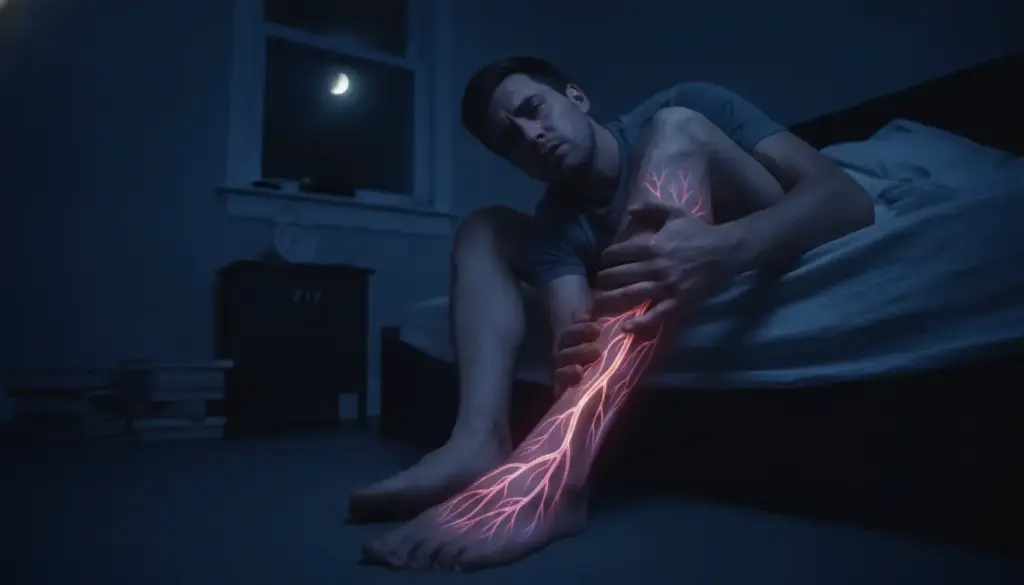
Sleep is often described as the foundation of good health, yet many people overlook one surprisingly important factor that can interfere with a comfortable night: the condition of their legs. Aching, heaviness, swelling, cramping, itching, tingling, or a persistent feeling of restlessness can make it difficult to settle down at bedtime. While occasional leg discomfort is common, recurring symptoms may deserve more attention, particularly when they appear after a long day of standing or sitting.
The relationship between circulation and sleep is not always obvious. People may assume that tired legs are simply the result of exercise, work, travel, or getting older. In some cases, however, changes in the veins can contribute to discomfort that becomes more noticeable when the body is at rest. Understanding this connection can help people recognize when nighttime leg symptoms are simply temporary and when they may be worth discussing with a healthcare professional.
Why Circulation Matters for Comfortable Sleep
The circulatory system works continuously to deliver oxygen and nutrients throughout the body while carrying waste products away from tissues. In the legs, returning blood to the heart requires help from several mechanisms, including the valves inside the veins and the contraction of surrounding muscles.
When the veins are functioning normally, these valves help keep blood moving in the proper direction. The calf muscles also act somewhat like a pump during movement, helping push blood upward toward the heart. This is one reason regular movement is important for maintaining healthy circulation.
Problems can develop when the valves in certain veins do not work effectively. Blood can move backward and pool in the lower legs, a process associated with chronic venous insufficiency. Over time, this can contribute to swelling, aching, heaviness, itching, cramping, and other uncomfortable sensations. Complete Vein Care notes that venous insufficiency may cause symptoms such as leg discomfort, ankle or leg swelling, itching, weariness, tingling, cramping, and heaviness, particularly after prolonged standing.
These symptoms do not necessarily mean that someone has a serious medical condition, but recurring discomfort should not automatically be dismissed as ordinary fatigue.
Why Leg Symptoms Can Become More Noticeable at Night
During the day, people are usually moving between different activities. Walking, climbing stairs, changing positions, and even shifting weight from one leg to another can temporarily change how the muscles and veins work together. At night, the environment is different.
When someone lies down and stops moving, there are fewer distractions from physical sensations. A mild ache that was easy to ignore during a busy afternoon may become much more noticeable in a quiet bedroom.
Nighttime also creates a natural opportunity to pay attention to the body. If the legs feel heavy, tight, restless, itchy, or uncomfortable every evening, the sensation may become a barrier to falling asleep even when the person is otherwise tired.
Sleep-related leg discomfort can have many possible causes, so it is important not to assume that circulation is responsible for every nighttime symptom. Muscle cramps, dehydration, certain medications, nerve-related conditions, pregnancy, exercise, and other factors can contribute to nighttime leg problems as well. The Sleep Foundation notes that recurring or worsening nighttime leg cramps should be evaluated to help identify an underlying cause.
Varicose Veins Are More Than a Cosmetic Concern
Varicose veins are often recognized because of their appearance. They may look twisted, enlarged, or bluish beneath the skin. Because they are visible, people sometimes assume that the primary concern is cosmetic.
That is not always the case.
Varicose veins are associated with venous insufficiency, and some people experience physical symptoms alongside visible changes. Others can have vein disease without prominent surface veins because problematic veins may be located deeper within the leg.
Symptoms can include aching, heaviness, swelling, itching, burning, cramping, or a tired sensation in the legs. Complete Vein Care specifically advises paying attention to these symptoms rather than focusing only on whether visible varicose veins are present.
For someone who regularly wakes during the night because of uncomfortable legs, this distinction can be important. The absence of dramatic visible veins does not automatically mean the veins are functioning perfectly.
The Sleep-Circulation Connection Goes Both Ways
The relationship between circulation and sleep is not necessarily a simple one-way process. Poor sleep can affect many aspects of physical health, while physical discomfort can make it harder to achieve restorative sleep.
When a person repeatedly wakes because of leg discomfort, the problem can become frustrating. Instead of moving smoothly through the normal stages of sleep, the person may spend more time shifting position, stretching, rubbing the legs, or getting out of bed.
Over several nights, that disruption can contribute to daytime tiredness and reduced concentration. Someone may then become less active because they feel exhausted, creating a cycle in which discomfort and inactivity reinforce one another.
This does not mean that every case of poor sleep is caused by circulation. Sleep quality is influenced by stress, sleep schedules, the sleeping environment, medical conditions, medications, caffeine, alcohol, and many other factors. But when poor sleep consistently occurs alongside unexplained leg symptoms, the connection is worth exploring.
How Movement Supports Healthy Leg Circulation

One of the simplest ways to support circulation is regular movement. Walking activates the muscles of the legs and can help encourage blood to move upward rather than remaining stagnant in the lower extremities.
This does not require an intense workout. A short walk during the day, standing up regularly during long periods of sitting, or performing gentle ankle and calf movements can add more activity to an otherwise sedentary routine.
People who work at desks may benefit from breaking up long periods of sitting. Similarly, individuals whose jobs require prolonged standing can benefit from changing positions and taking appropriate movement breaks when possible.
Movement should be viewed as part of an overall wellness routine rather than a guaranteed treatment for an underlying vein disorder. If symptoms continue despite healthy habits, professional evaluation may be appropriate.
Small Evening Habits Can Make Legs Feel Better
A relaxing evening routine can also help people become more aware of what their legs need. Gentle stretching may be useful for some people, particularly when muscle tightness contributes to discomfort. Staying adequately hydrated throughout the day can also be helpful because dehydration is one recognized contributor to nighttime cramps.
After a long day, some people find that elevating their legs for a period of time feels comfortable. The exact approach that works best depends on the cause of the symptoms and a person’s overall health.
The goal should not be to mask persistent symptoms indefinitely. If leg discomfort repeatedly interferes with falling asleep or staying asleep, it is worth looking beyond temporary home measures and considering whether an underlying problem needs attention.
When Nighttime Leg Symptoms Deserve Attention
Occasional leg discomfort is usually not a reason for alarm. Persistent or progressively worsening symptoms, however, should not simply be attributed to being tired.
Someone who frequently experiences swelling, aching, heaviness, itching, burning, cramping, visible vein changes, or unexplained leg fatigue may benefit from speaking with a healthcare provider. Complete Vein Care explains that its evaluation process can include a consultation followed by diagnostic ultrasound when appropriate, allowing clinicians to assess the veins and develop a treatment plan based on the individual’s needs.
Certain symptoms require more urgent medical attention. Sudden severe leg swelling or pain, particularly when accompanied by other concerning symptoms such as chest pain or difficulty breathing, should be treated as a medical emergency rather than something to monitor at home.
The Sleep Foundation also recommends medical evaluation when persistent burning or painful foot symptoms interfere with sleep, particularly when they occur alongside swelling, redness, wounds, diabetes, or a known circulation disorder.
Modern Vein Care Can Address More Than Appearance
One encouraging development in vein care is the growing availability of minimally invasive approaches. Treatment is not necessarily synonymous with major surgery or a lengthy recovery.
Complete Vein Care describes minimally invasive treatments for varicose veins and reports that individual procedures may take approximately 15 to 45 minutes, with many patients returning to normal activities quickly. The clinic also states that treatment options may include approaches such as radiofrequency ablation and sclerotherapy, depending on the patient’s needs and evaluation.
The appropriate treatment varies from person to person. A proper assessment is important because the underlying vein problem, symptoms, medical history, and treatment goals all influence the recommended approach.
For people in the Edmonds area who are dealing with recurring leg discomfort, learning more about lasting relief from varicose veins with Edmonds specialists can be one way to explore whether a vein-related issue could be contributing to their symptoms.
Creating a Better Environment for Rest
Although circulation is only one piece of healthy sleep, the physical environment around bedtime can still influence how comfortable the legs feel. A supportive mattress, appropriate bedding, comfortable room temperature, and a consistent sleep schedule can all contribute to better rest.
The important point is to look at sleep as part of the bigger picture. If a person is doing everything possible to create a comfortable sleep environment but continues to experience persistent leg discomfort, the problem may not be the bedroom itself.
Listening to physical signals can be a valuable part of preventive health. The body does not always produce dramatic warnings. Sometimes the signs are subtle: legs that feel unusually heavy after a normal day, ankles that swell by evening, recurring cramps that interrupt sleep, or an unexplained urge to move the legs.
A Better Night Can Start With Healthier Legs
Good sleep and healthy circulation are both essential parts of everyday wellness, and the two can intersect in ways that are easy to overlook. When leg discomfort repeatedly appears at night, it is worth considering the full range of possible causes rather than assuming the symptoms are simply a normal part of getting older or having a busy lifestyle.
Staying active, avoiding prolonged periods of inactivity, maintaining healthy habits, and paying attention to recurring symptoms can all support better leg health. At the same time, persistent or worsening symptoms deserve professional attention.
Ultimately, the goal is not simply to sleep through the night. It is to understand why discomfort is happening in the first place. When circulation problems are identified and appropriately managed, people may be better positioned to stay active, comfortable, and rested. For anyone whose legs seem to become most noticeable when the lights go out, that may be an important signal that deserves to be heard.
Conclusion
Sleep should be a time when the body can relax and recover, but persistent leg discomfort can make that difficult. Aching, heaviness, swelling, cramping, itching, or restless sensations at night should not always be dismissed as ordinary tiredness, especially when they happen repeatedly or begin affecting sleep quality and daily activities.
Circulation is only one possible explanation for nighttime leg discomfort, but it is an important one to consider. Healthy habits such as staying active, breaking up long periods of sitting, maintaining a healthy weight, and paying attention to changes in the legs can support overall vascular wellness. When symptoms continue despite these efforts, speaking with a qualified healthcare professional can help identify the underlying cause.
Modern vein care has also made it easier for appropriate patients to explore minimally invasive treatment options. An evaluation can determine whether varicose veins, chronic venous insufficiency, or another condition may be contributing to persistent symptoms and whether treatment is appropriate.
Ultimately, better sleep is not only about creating the perfect bedroom environment. It is also about listening to the body. If your legs repeatedly keep you awake at night, that discomfort may be more than something you simply have to live with. Understanding the potential connection between circulation and sleep can be an important first step toward healthier legs, more comfortable nights, and better overall wellness.